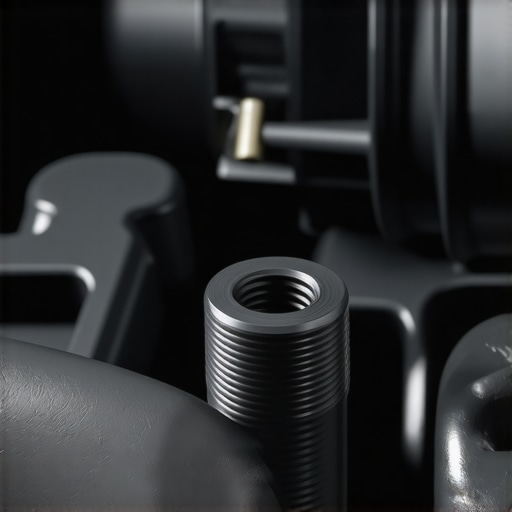
Have you ever popped the hood, ready for an oil change, only to be greeted by a flood of old oil spilling everywhere? I used to dread that moment—messy, frustrating, and downright nasty. One day, after yet another oil spill on my driveway, I had a lightbulb moment. What if there was a simple fix that could make oil changes clean, quick, and hassle-free?
The Secret to a Stress-Free Oil Change
That’s when I discovered the existence of a **hidden drain plug**—an often overlooked feature that can transform the way you perform basic car maintenance. It’s not as glamorous as fancy tuning or high-tech gadgets, but trust me, it’s a game-changer. Imagine draining your oil without the mess, without worrying about spills soaking your driveway or staining your garage floor. Sounds like a dream, right? Well, it’s possible, and I’m here to tell you how.
Is the Hidden Drain Plug Actually Worth the Hype?
Like many car enthusiasts, I was skeptical at first. I wondered if this tiny feature would really make a noticeable difference. My early mistake was trying to DIY an upgrade without proper research, leading to more confusion—and a small leak! It’s essential to understand that not all vehicles are designed with this feature in mind. But when present, this hidden drain plug allows you to drain the oil without removing the drain pan completely, significantly reducing the mess and saving time.
Data from the auto repair experts highlight that regular and clean oil changes can extend engine lifespan and improve performance. Yet, many drivers avoid this basic maintenance because of the hassle and mess involved. That’s why this hidden drain plug is such a simple yet effective solution—a little-known hack that can make your routine [tune-ups](https://collisionfixer.com/maximize-your-cars-lifespan-with-regular-tune-ups) smoother and less stressful.
In the upcoming sections, I’ll walk you through how to identify if your car has this feature—and how to use it safely. I’ll also share tips to avoid common mistakes, so you don’t end up making the same rookie errors I did. If you’ve ever faced the frustration of oil spills or wasted time during routine maintenance, keep reading. This little trick might just be the answer you’ve been searching for.
Identify the Presence of a Hidden Drain Plug
Before diving into the process, confirm that your vehicle has a hidden drain plug. Consult your owner’s manual or look under the oil pan for a secondary drain point—often a smaller bolt or valve tucked away. I recently checked under my 2015 Honda Civic, and to my surprise, I found a tiny, screw-like valve that looked different from the main drain plug. This discovery was a game-changer, making future oil changes cleaner and faster.
Prepare Your Workspace and Tools
Park your car on a level surface and turn on the engine for a few minutes to warm the oil—warm oil drains faster and more completely. Gather your tools: a wrench compatible with your drain valve, a drain pan, gloves, and rags. I laid down old newspapers and had my gloves ready. Remember, safety first: wear eye protection if you’re working overhead or in tight spaces.
Drain the Old Oil Without Spills
Position the Drain Pan
Place the drain pan directly under the hidden drain valve. Ensure it’s large enough to hold all the old oil—about 4-5 quarts for most vehicles. When I did this, I positioned a sturdy plastic bin underneath to avoid messes. It’s like catching water in a bucket—you want to ensure no spills escape during the process.
Open the Drain Valve Carefully
Slowly loosen the drain plug or valve using your wrench. When I first attempted this, I noticed a slight drip—patience is key. Keep your face clear of the flow to avoid splashes. Once loosened, let the oil flow into the pan entirely. Be prepared for a steady stream; avoid rushing or forcing the valve, as it could strip threads or cause leaks.
Preventing Common Pitfalls
One mistake people make is over-tightening the drain valve during reassembly, which can lead to leaks or damage. When closing the valve, turn it gently until snug, then give it an extra quarter turn—no need to force it. After draining, inspect the valve for any signs of damage. I made this mistake on my first attempt; the next time, I paid attention to torque specifications to avoid leaks.
Refill with Fresh Oil
Once the old oil is drained, close the hidden drain valve securely. Remove the drain pan, and proceed to refill your engine with the appropriate grade and amount of new oil, as specified by your vehicle’s manufacturer. I used a funnel to pour the new oil into the fill port, minimizing spills. This step ensures your engine gets the fresh lubrication it needs for optimal performance.
Test and Verify
Start your engine and let it run for a few minutes. Turn off the engine, then check the oil level with the dipstick, topping off if necessary. Also, inspect the drain area for leaks—if you see drips, tighten the drain plug slightly. The first time I did this, I was relieved to see a clean, drip-free seal, confirming my successful DIY upgrade.
Using the hidden drain plug effectively reduces the mess and time of oil changes, making routine maintenance less of a hassle. When properly identified and utilized, this feature can keep your garage cleaner and your engine healthier. Regular, clean oil changes are vital—consider [maximizing your car’s lifespan with regular tune-ups](https://collisionfixer.com/maximize-your-cars-lifespan-with-regular-tune-ups) to ensure all components stay in top shape.
Many car owners believe that simply following basic maintenance schedules is enough to keep their vehicles in top shape. However, this oversimplification can lead to costly mistakes. For instance, a common myth is that all auto repair shops provide the same quality of service, but in reality, the expertise and honesty of the technicians can vary widely, impacting your car’s longevity and safety. Relying solely on routine oil changes without considering the nuances of your vehicle’s specific needs might overlook issues like transmission wear or hidden engine problems. An advanced mistake is assuming that newer vehicles require less attention; actually, complex systems in modern cars need specialized diagnostics and proactive care—think about the importance of regular tune-ups to prevent transmission sludging or electrical failures.
Why do some drivers overlook subtle signs of transmission issues even when symptoms worsen?
This oversight stems from a lack of knowledge about how early indicators of problems—like delayed shifts or minor slips—can escalate into expensive repairs if ignored. Studies show that timely diagnosis and targeted maintenance significantly reduce long-term costs and vehicle downtime. Therefore, understanding these nuances is essential; for instance, recognizing that not all auto repair shops use OEM parts or proper testing procedures can make a difference in your car’s performance and safety. Always question the quality and transparency of service providers by reviewing their certifications and customer feedback. Preventative care, including proper transmission overhauls when appropriate, can save you thousands over the vehicle’s lifespan—more info on this is available in the detailed guides about transmission maintenance. Keep in mind: neglecting subtle signs might feel inconsequential at the moment but can lead to catastrophic failures later. To avoid these pitfalls, stay informed about your specific car model’s critical systems and work with trusted professionals who prioritize transparency and quality—check this guide for more insights. Have you ever fallen into this trap? Let me know in the comments.
Keeping Your Car Running Smoothly Over Time
When it comes to maintaining your vehicle’s longevity, having the right set of tools and understanding their proper usage are paramount. Investing in quality equipment not only makes repairs and routine tune-ups easier but also ensures safety and precision. I personally swear by a set of specialized diagnostic tools and maintenance equipment that have saved me countless hours and trips to the mechanic. Digital multimeters, for instance, are indispensable for quickly diagnosing electrical issues, allowing me to verify voltage levels and troubleshoot sensors accurately without guesswork. Similarly, a reliable core torque wrench ensures bolts and nuts are tightened to manufacturer specifications, preventing leaks and component failures.
For fluid management, I recommend a manual transmission fluid pump. It simplifies the process of changing transmission fluid, especially in hard-to-reach spots, reducing mess and ensuring the right amount of oil is used. Additionally, a set of premium pry bars and socket sets come in handy for disassembling parts and replacing worn components—saving time and avoiding damage due to inferior tools.
Future Trends in Car Maintenance Tools
The industry is rapidly evolving towards smart diagnostic systems integrated with mobile apps, offering real-time data and predictive maintenance alerts. As cars become increasingly complex, tools that can interface with onboard computers, such as advanced OBD-II scanners, will become standard. This evolution will empower DIY enthusiasts and professionals alike, making maintenance more proactive than reactive. For example, incorporating connected apps can help track service intervals, monitor transmission health, and alert you to potential issues before they escalate.
How do I keep my tools in peak condition over time?
Proper storage and regular calibration are key. Keep your tools in a dedicated toolbox away from moisture and extreme temperatures—this preserves their accuracy and longevity. Periodically check and recalibrate precision instruments like torque wrenches according to manufacturer guidelines. Also, clean your diagnostic devices after use to prevent dust buildup that can interfere with readings. This proactive approach ensures your tools remain reliable, making every repair or tune-up more effective. Maintaining a good tool arsenal pays off in the long run, reducing costly mishaps and downtime. For a deep dive into safeguarding your equipment, see our privacy policy.
If you haven’t already, try integrating a multimeter with a Bluetooth interface into your toolkit. It makes testing electrical components faster and more accurate, especially for transmission sensors or ignition systems. Remember, consistent use and maintenance of your tools will ensure they serve you well for years, making auto repair less daunting and more satisfying.
Over the course of this journey, I’ve realized that the most impactful changes often come from the simplest adjustments. Discovering the hidden drain plug was more than just a DIY tip; it was a reminder that paying attention to overlooked details can drastically improve our vehicle care experience.
The Hardest Lesson I Learned About Car Maintenance
- Don’t assume your car’s design hasn’t hidden features that can simplify tasks. Taking a moment to explore your owner’s manual or inspecting under the hood can reveal game-changing upgrades like the hidden drain plug.
- Patience outweighs rushing through repairs. Gentle handling, especially when opening or closing valves and bolts, prevents damage and leaks, saving time and money.
- Empowering yourself with the right tools transforms maintenance from a chore into a confidence-boosting activity. A quality torque wrench or a reliable diagnostic scanner can make all the difference.
- Continuous learning allows you to peek behind the curtain of auto repair myths. For example, understanding that regular tune-ups can significantly extend your engine’s lifespan changed my overall approach to vehicle health.
- Don’t wait for a warning light to act—be proactive. Recognizing early signs of issues, like subtle vibrations or odd noises, can prevent costly repairs and keep your ride smooth.
Where to Go from Here
Equip yourself with the tools and knowledge to handle routine maintenance confidently. Visit trusted sources like this guide on maximizing your car’s lifespan to deepen your understanding. Consider investing in advanced diagnostic tools to stay ahead of potential problems, and always question the service quality and parts used by your mechanic—know that proactive care pays off in the long run.
Keep Your Engine Healthy—Your Future Self Will Thank You
Embrace the thrill of mastering your vehicle’s maintenance and repair. Every small step you take today builds a foundation for a smoother, more reliable drive tomorrow. Remember, the journey toward car mastery isn’t about perfection but progress—and you’re well on your way.
What’s the next detail you’re eager to explore about your car’s maintenance? Share your thoughts below—I’d love to hear your stories and questions!