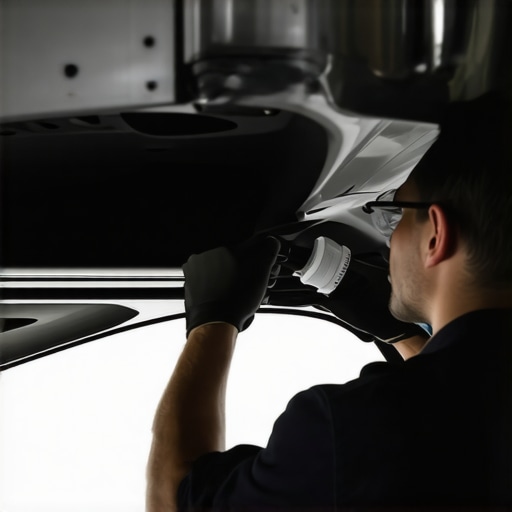
Ever had that sinking feeling when you notice water pooling on your car seat after a rainstorm, only to realize your sunroof has started to leak again? I’ve been there—my own vehicle’s sunroof let in a persistent drip, turning my weekend drives into an indoor waterfall experience. It’s frustrating, messy, and frankly, a little frightening because I didn’t want to shell out big bucks for a professional repair or, worse, have to take the entire roof apart just to fix a simple leak. But here’s the lightbulb moment I want to share: You don’t always need to dismantle your roof to stop the water from ruining your ride.
Why Leaky Sunroofs Drive Car Owners Nuts—and What to Do About It
Many drivers assume fixing a leaking sunroof means a costly trip to the mechanic, involving heavy disassembly and expensive parts. But from my experience—and a bit of trial and error—I discovered that most leaks are caused by minor clogs or worn-out seals that can be addressed with a few straightforward steps. A leaking sunroof isn’t just an annoyance; it can lead to rust, mold, and damage to your vehicle’s interior if left unchecked. That’s why knowing how to tackle this problem without taking apart the entire roof is a game-changer, especially for those of us who prefer DIY solutions and save money.
Is Fixing a Sunroof Leak Without Dismantling It Truly Possible?
Early in my journey, I made the mistake of assuming a leak was a sign that I needed a total replacement—an expensive route and one that often doesn’t address the root cause. The truth is, many leaks stem from clogged drains or deteriorated seals that can be cleaned or replaced with minimal effort. By focusing on these common issues, I managed to stop the drip without resorting to full disassembly, saving myself hundreds of dollars and hours of work. If you’re skeptical about whether a DIY fix can really work, I get it. I was too. But after successfully sealing my sunroof, I became a firm believer that you don’t have to be a professional to fix minor leaks effectively.
So, if your sunroof water trouble sounds familiar, stick with me. We’re going to explore simple, proven techniques to stop that leak—without tearing your roof apart. And trust me, once you get the hang of it, you’ll wonder why professionals charge so much for something you can do with a few basic supplies and a little patience.
,
Locate the Drain Holes and Clear Them
Start by inspecting the corners of your sunroof for small drain holes. These are tiny openings designed to channel water away. I once thought my leak was worse than it was until I noticed leaves and dirt clogging these drains. Use a craft stick or a soft brush to gently clear out the debris, ensuring water flows freely. Think of it like unclogging a kitchen sink; if blocked, water backs up—so keep these tiny pipes clear for proper drainage.
Next, pour a small amount of water into the drains to verify they’re working smoothly. If water pools or drains slowly, re-clean and consider using compressed air to blow out stubborn clog residues. Regular maintenance here prevents future leaks and keeps your car dry during storms.
Check and Replace Worn-Out Seals
Next, examine the rubber seals around your sunroof frame. Over time, seals can crack, become brittle, or peel away, allowing water to seep in. I once noticed a crack on my seal after a heavy rain; a quick replacement made all the difference. To inspect, gently press around the seal’s edges—if it feels loose or shows signs of deterioration, it’s time for a new one.
Gently remove the old seal with a flat screwdriver or trim removal tool, taking care not to damage the glass or frame. Clean the surface thoroughly with alcohol wipes to remove any residue, ensuring the new seal adheres properly. Applying a bit of weatherproof silicone sealant along the edges can provide extra assurance against leaks. This step is like replacing weatherstripping on your doors—simple, inexpensive, and hugely effective.
Seal Minor Cracks with Silicone
If you find small cracks or gaps in the sealant around the sunroof frame, these can cause leaks even if the seal appears intact. Use a high-quality automotive silicone sealant to fill these tiny openings. I applied a thin bead of sealant to a crack I discovered, and it immediately stopped the drip during the next rain. Make sure the surface is clean and dry before application, and smooth out the sealant with a fingertip or a caulking tool for a flush finish.
Allow it to cure as per the manufacturer’s instructions—usually 24 hours—before exposing the area to water. This quick fix is like patching a small leak in a tire; it’s a simple DIY solution that prevents more costly repairs later.
Test the Fix and Prevent Future Problems
After completing the cleaning and sealing steps, pour water onto the sunroof from a hose or sprayer to test for leaks. Watch carefully—if no water enters the cabin, you’ve successfully sealed the leak. If water still seeps in, recheck your seals and drainage paths. In my case, patience paid off—re-cleaning the drains and re-sealing a stubborn crack sealed my leak for good.
Maintaining your sunroof’s drainage system and seals is like giving your car a routine tune-up — it prevents bigger issues down the road. For further long-term care tips, visit maximize your car’s lifespan with regular tune-ups to keep your vehicle performing at its best.
Many car owners believe they fully understand how their vehicle should be maintained, but often, misconceptions cloud the picture, leading to costly mistakes. One prevalent myth is that regular oil changes alone are enough to keep a car running smoothly. In reality, experts emphasize the importance of comprehensive inspections, including transmission servicing and brake system checks, to prevent potential failures. Skipping these nuanced steps can result in premature wear or even major breakdowns, ultimately costing more in repairs and downtime. For instance, neglecting to regularly check and service the transmission fluid can cause it to overheat and deteriorate, leading to expensive overhauls that could have been avoided with timely maintenance—discover how transmission overhauls can save you money in the long run.
Why Do So Many Professionals Still Get Basic Service Wrong
Despite clear guidelines, even seasoned technicians can overlook critical details like the condition of your vehicle’s cooling system or the integrity of aftermarket parts that may have been improperly installed. A common mistake is assuming that all parts are genuine and that all repairs meet factory standards, which isn’t always the case. For example, installing cheap replacement parts might seem cost-effective upfront but can cause long-term issues, especially with critical components like the timing belt or suspension parts. Staying vigilant and educating yourself about the nuances of proper vehicle care helps you avoid being taken by subpar service providers. Remember, a well-maintained vehicle not only performs better but also retains its value longer—learn more about how to maximize your car’s lifespan with regular tune-ups.
Beyond the basics, understanding the subtle signs of transmission early failure or the dangers of ignoring uneven tire wear can significantly extend your vehicle’s life and safety. Automotive experts warn against common traps, such as delaying replacement of worn-out shocks or neglecting minor oil leaks, which may seem trivial but can lead to serious breakdowns over time. For instance, driving with compromised shocks can diminish handling and increase tire wear, putting you at risk during sudden maneuvers. Be proactive; every detail counts in maintaining your vehicle’s health. Dive into this in-depth guide to identify the hidden nuances in auto repair that most drivers overlook, and ensure you’re not falling for common pitfalls. And if you’re ever unsure about your vehicle’s condition, don’t hesitate to reach out via our contact page for expert advice.
In my experience, a little knowledge and vigilance go a long way in avoiding costly mistakes and ensuring safety on the road. Have you ever fallen into this trap? Let me know in the comments.
How do I keep my vehicle running smoothly over the years?
Maintaining your car for longevity and reliable performance requires more than just occasional visits to the mechanic. It involves using the right tools and adopting effective maintenance routines that catch issues early and prevent costly repairs. Personally, I rely on specialized diagnostic tools like the OBD-II scanner, which allows me to read and clear engine fault codes myself. This not only saves time but helps me monitor my vehicle’s health proactively. Equally important is investing in quality hand tools such as torque wrenches and socket sets, which ensure proper tightening and prevent damage during DIY repairs.
Technology is evolving rapidly, and software-based solutions are becoming invaluable. Modern automotive maintenance software can track service intervals, suggest preventive measures, and even connect to smartphones for real-time diagnostics. I’ve used apps like OBDeleven to diagnose issues without needing to visit the shop, making maintenance more accessible and less intimidating for DIY enthusiasts. As tools become more advanced, the trend points toward integrated systems that blend hardware and software, enabling vehicle owners to diagnose and even repair minor problems at home.
What tools should I prioritize for at-home auto maintenance?
Starting with a high-quality set of basic tools is essential. A reliable digital multimeter, for instance, allows you to test electrical components such as sensors, batteries, and alternators effectively. I personally favor the Fluke multimeter because of its precision and durability—it’s worth investing in a tool that lasts years and provides accurate readings.
Next, a good brake caliper piston tool makes replacing brake pads easier and safer. I recommend a versatile set with multiple adapters—this flexibility helps when working on different vehicle models, reducing frustration and saving time. For fluid management, pump-style transfer tools are invaluable for topping off or replacing transmission and coolant fluids without messes. Keep in mind, correct fluid levels and quality are crucial in avoiding component wear and tear, which ties into long-term reliability.
Additionally, I suggest maintaining a set of specialty cleaning products like throttle body cleaner and headlight restoration kits. Regular cleaning with these helps keep systems responsive and visibility clear—small steps that can extend your car’s life and improve driving pleasure. As digital tech continues advancing, expect more wireless diagnostic gadgets and mobile apps to become standard, widening opportunities for amateur mechanics to keep cars in top shape. For comprehensive advice on transmission maintenance, check out this article on how transmission overhauls can save you money in the long run.
Don’t forget, tools alone won’t do the job—learning the correct techniques is equally important. I recommend consulting trusted resources like Collision Fixer’s expert tips for safe and effective repairs. As you build your toolkit, try starting with simple tasks like replacing worn radiator hoses or swapping out spark plugs using the tools mentioned here – you’ll be surprised how much confidence this builds. Remember, proper maintenance is a long-term investment, and with the right tools, you’re well on your way to keeping your vehicle running smoothly for years to come. Want to deepen your knowledge? Explore this guide on how to maintain your vehicle over time for more insights.
What I Wish I Knew Before Fixing My Sunroof
- Patience and a gentle touch are key—rushing can cause more harm than good. I learned this the hard way when I tried to force a seal into place and ended up damaging it. Taking my time ensured a better fit and a leak-free result.
- Not every leak requires complex repairs—sometimes, a simple drain cleaning or seal replacement is enough. This realization saved me hundreds and made DIY repairs feel achievable.
- Tools matter just as much as techniques. Investing in quality brushes, sealants, and cleaning supplies made the process smoother and more effective.
- Routine maintenance pays off—regularly inspecting and cleaning drains can prevent leaks before they start, saving time and money in the long run.
- I discovered that knowledge shared by fellow car enthusiasts and trusted repair guides is invaluable. There’s a sense of empowerment when you can troubleshoot and fix issues yourself, instead of relying solely on professionals.
My Go-To Resources for Car Repair Confidence
- Maximize your car’s lifespan with regular tune-ups: This article reminds me of the importance of consistent maintenance and has saved me from many costly repairs.
- How transmission overhauls save you money in the long run: Understanding long-term costs helped me appreciate preventative care even more.
- Top signs your car needs expert auto repair now: Recognizing early warning signs prevents minor issues from turning into emergencies.
- Essential car service tips for safe summer drives: Staying prepared for seasonal challenges keeps my vehicle in top shape year-round.
Now It’s Your Turn to Take Control of Your Car’s Health
Embracing DIY repairs like fixing a sunroof leak not only saves money but also builds confidence and a deeper connection with your vehicle. With a little patience and the right knowledge, you can handle many issues yourself, turning frustration into satisfaction. Remember, every small fix adds up to a longer-lasting, safer ride. So, what’s the next simple repair you’re excited to tackle on your own? Drop your thoughts below and share your experiences—let’s learn together and keep our cars running smoothly for years to come!
,