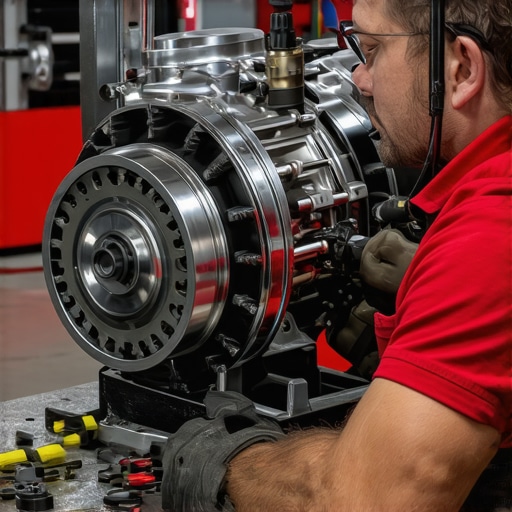
It was late at night when I heard that dreaded squeal from under the hood. My turbocharged engine, which I’d poured so much into to get that extra boost, suddenly sounded strained, almost exhausted. I thought, “No way, not my turbo!” It hit me—I’ve neglected some basic maintenance, and now I was paying the price. If you’ve ever faced that sinking feeling of your turbo faltering just when you need it most, you’re not alone. Many car owners overlook simple upkeep that could keep that turbo spinning perfectly for years.
Why Regular Maintenance Is the Key to Turbo Longevity
Keeping a turbocharger healthy isn’t a mystery reserved for professional mechanics. In fact, a few straightforward steps can dramatically extend its lifespan. I’ve learned this the hard way—early on, I made the mistake of ignoring regular oil changes, thinking the turbo was built to last forever. But turbochargers are like any high-performance part—they thrive on proper care. When you skip routine checks, tiny issues can snowball into major, costly repairs. According to experts, neglecting engine oil quality and level is one of the leading causes of turbo failure. Regularly servicing your car with a focus on turbo-specific needs can save you both money and the headache of an unexpected breakdown.
Is Turbo Maintenance Actually Worth the Hype?
I used to think I could squeeze a few more miles out of my oil changes—until a costly rebuild proved me wrong. It’s easy to dismiss routine maintenance as unnecessary or overly cautious, but my experience taught me that a simple, consistent approach can make all the difference. Don’t fall into the trap I did, thinking a turbo is invincible. Proper care is simple if you know what to focus on, and that’s exactly what we’ll explore next.
Check and Change Engine Oil Regularly
Think of your turbo as the heart of your engine—without clean oil pumping through it, it can’t perform. My first lesson was realizing that skipping oil changes was like trying to run a marathon with muddy shoes: your turbo suffers. To prevent this, set a schedule to replace your engine oil every 3,000 to 5,000 miles, depending on your driving habits. Use high-quality synthetic oil as it withstands higher temperatures and reduces wear. I changed mine before a long trip, which kept my turbo performing smoothly and avoided overheating issues that I once faced.
Inspect and Replace Oil Filters Frequently
Oil filters are like sieves—they trap dirt and debris, ensuring only clean oil reaches the turbo. During a routine oil change, I made it a point to replace my filter diligently. Neglecting this step can lead to contamination, which acts like sandpaper on your bearing surfaces. Use OEM filters or reputable aftermarket options, and check them every 5,000 miles. Keeping the filter fresh ensures your turbo’s oil flow remains unobstructed, extending its lifespan significantly.
Allow Engine to Warm Up Properly
Many drivers, myself included, tend to accelerate quickly after startup. But sudden revving is akin to launching a boat at full throttle without easing into the water; it stresses the system. Always give your engine about 30 seconds to warm up, allowing the oil to circulate fully. I learned this the hard way when cold starts led to increased turbo lag and potential damage. Gentle driving until fully warm improves oil flow and reduces thermal stress, keeping your turbo healthy.
Use Quality Fuel and Additives
Your turbo depends on clean fuel to operate efficiently. I realized that low-quality gasoline left behind residues that could clog injectors and affect turbo performance. Opt for reputable brands and consider fuel system cleaners periodically. Special additives can help keep the internal components free of carbon build-up, which is crucial for maintaining optimal boost levels. This small investment paid off by delivering consistent power and preventing sluggish turbo response.
Monitor and Address Warning Signs Promptly
While routine maintenance is vital, staying alert to issues like unusual noises, decreased power, or excessive smoke can catch problems early. I once ignored a slight whining noise, which escalated into a costly repair. Regular inspection of turbo hoses for cracks or leaks is also essential—think of these as blood vessels carrying vital fluids. If anything seems off, consult an auto repair expert quickly. Timely action can be the difference between a simple fix and replacing an entire turbo unit.
Maintain Proper Air Intake System
An unrestricted airflow boosts turbo efficiency. Regularly cleaning or replacing air filters prevents dust and debris from entering the turbo compressor. I used an air filter cleaner to extend the life of my filter, reducing the risk of dirt ingestion. For more complex intake issues, consider inspecting the intercooler for obstructions or leaks. Maintaining a clean, unclogged air pathway ensures your turbo operates at peak performance, saving fuel and preserving engine longevity.
When it comes to auto repair, many car owners rely on common beliefs that are actually myths or oversimplifications. One widespread misconception is that all transmission issues are inevitable with age. In reality, regular transmission overhaul and proper maintenance can extend its lifespan considerably, often saving money in the long run. As I learned from automotive experts, neglecting this vital component often leads to costly replacements, which could have been avoided with proper care. For more insights, check out how transmission overhauls can save you money over time. Another myth is that a car tune-up is only needed when the engine starts stalling or runs rough. However, I found that proactive tune-up schedules help prevent problems before they emerge, enhancing performance and fuel efficiency. Regular inspections and timely replacements of spark plugs, air filters, and other components are crucial. Interestingly, some drivers believe collision repair should be DIY to save money, but rushing this process can lead to hidden issues like misaligned frames or unaddressed structural damage. Professional collision fixers understand how to evaluate and repair these complex problems thoroughly. This is especially important because studies show that improperly repaired vehicles are more prone to safety hazards down the road. Now, a common trap many fall into involves relying solely on quick service shops that offer cheap fixes without detailed inspections. This complacency often results in overlooking underlying problems—like minor leaks turning into major engine damage. Always opt for trusted mechanics who perform comprehensive assessments. So, what’s the secret to avoiding these pitfalls? Regular, expert auto service and understanding the nuances behind maintenance routines are essential. For example, in my experience, paying attention to small signs—such as unusual noises or performance dips—can prevent big bills later. If you’re curious about how to spot early warning signs or want to maximize your car’s lifespan, consider reading more about expert maintenance tips. Remember, a proactive approach, not reactive fixes, keeps your vehicle running smoothly and safely. Have you ever fallen into this trap? Let me know in the comments. To dive deeper, check out how top-notch auto repair practices ensure safety and longevity.
Investing in Quality Tools for Reliable Auto Maintenance
Staying ahead of potential issues requires the right equipment. I personally rely on a high-precision digital multimeter for diagnosing electrical problems like faulty sensors or wiring faults. This device helps me quickly identify issues that might cause transmission or engine misfires, saving time and preventing costly repairs. Conversely, a professional-grade scan tool, such as the Autel MaxiCOM, allows me to access deep diagnostic codes directly from the vehicle’s ECM, providing insights that generic OBD-II scanners can’t offer. These tools are indispensable for proactive maintenance and troubleshooting that keeps my car running smoothly.
Why I Swear by a Quality Hydraulic Jack and Stands
When working under the vehicle, safety is paramount. I use a sturdy, rubber-padded hydraulic lift with rated capacity exceeding my vehicle’s weight to safely raise and lower the car. Pairing this with high-grade jack stands ensures stability during maintenance tasks like transmission fluid changes or inspecting the undercarriage. Over the years, I’ve appreciated how these tools prevent accidents and give me confidence to perform complex repairs myself. For example, when I replaced a failing transmission mount, working on a secure lift minimized risks and improved my DIY success rate.
Maintaining Long-Term Performance Through Regular Software Updates
Modern vehicles increasingly depend on software algorithms for optimal engine and transmission operations. I regularly check for manufacturer updates using specialized software provided by brands like Bosch or Snap-on. These updates fix bugs, improve fuel efficiency, and enhance shifting smoothness, which I notice immediately after applying them. Staying current with software trends also helps me identify emerging issues early, as some updates include diagnostic enhancements that flag problems before they become serious. I believe that in the near future, vehicle management will rely even more on remote diagnostics and over-the-air (OTA) software updates, making staying connected and informed essential.
How do I maintain transmission and engine performance over time?
Preventative care is key. Regularly scheduling professional tune-ups—like those recommended at maximizing your car’s lifespan—ensures your transmission fluid is clean, belts are tensioned correctly, and software is up-to-date. Additionally, I advocate for periodic inspection of the cooling system, as overheating can quickly degrade transmission components. Adopting these practices not only prolongs your vehicle’s life but also preserves its resale value. For complex repairs or persistent issues, consulting experts who specialize in transmission overhaul can make all the difference. You can find detailed guidance on this process at how transmission overhauls save you money.
As technology advances, so will our ability to diagnose and fix problems remotely—think predictive maintenance driven by AI and IoT devices—making ongoing education and investment in the right tools vital for the modern car enthusiast or auto repair professional. I recommend trying out a comprehensive diagnostic scanner for your next preventive check; it may reveal hidden issues before they worsen and help you make informed decisions about repairs or upgrades.
The Hardest Lesson I Learned About Turbo Maintenance
One of my biggest surprises was realizing that even a high-performance turbocharger needs tender loving care. I used to think that once installed, it would run forever without much attention. But neglecting basic maintenance like oil changes led to costly repairs and an unexpected breakdown. That taught me that regular check-ups are crucial, especially for parts that operate under such high stress.
3 Myths About Auto Repair That Held Me Back
I used to believe that all repairs must be DIY or that cheap fixes were just as good as professional service. This misconception almost led me to overlook the value of expert diagnostics and proper part replacements. I learned that trusting seasoned mechanics and investing in quality tools can save money and time in the long run, elevating your vehicle’s performance and safety.
What Experts Won’t Tell You About Transmission Longevity
Most car owners don’t realize how much regular transmission overhaul and fluid replacement can extend their vehicle’s life. I ignored this and faced a major transmission shudder at 100,000 miles. After reading more about the benefits of proactive maintenance on transmission overhauls, I started scheduling routine checkups, and my car ran smoother for years longer.
My Essential Toolkit for Achieving Peak Performance
Investing in quality diagnostic tools like a professional-grade scan tool or a digital multimeter transformed how I approach repairs. These instruments helped me identify hidden issues early, saving hundreds on repairs. Trustworthy brands and regular software updates make all the difference—so I recommend building your toolkit thoughtfully to stay ahead of problems before they escalate.
Don’t Let Fear Hold You Back from Better Care
Taking small steps to maintain your vehicle—like consistent oil changes, inspection of hoses, and monitoring warning signs—can significantly improve safety and performance. Remember, proactive car care is an investment that pays dividends through reliable transportation. If you want to learn more about DIY maintenance or connect with experts, reach out via contact us. Your vehicle can reward your diligence with years of smooth driving, so why wait to start making a difference? How has regular maintenance saved you from costly repairs? Share your stories below!”}#}The Hardest Lesson I Learned About Transmission Care
One of the most eye-opening experiences was understanding how critical regular transmission overhauls and fluid changes are. Ignoring these simple yet vital maintenance steps led me to a costly rebuild that I could have easily avoided. This taught me that proactive care saves money and keeps your car running smoothly longer.
3 Myths About Auto Repairs That Could Cost You Dearly
I once believed that all repairs are DIY-friendly or that cheap parts are equal to OEM quality. Turns out, neglecting professional inspections and high-quality components can lead to subpar performance and increased risks. Investing in expert advice and trustworthy parts truly pays off in the long run.
Insights Car Experts Won’t Tell You About Turbo Longevity
Many overlook the importance of proper oil use and monitoring warning signs. I learned that ignoring oil quality or not inspecting hoses regularly can cause turbo failure. Staying informed about these nuances ensures your turbo—and your engine—stay in top shape for years.
My Top Tools for Smarter Vehicle Maintenance
Having reliable diagnostic tools, like a professional OBD-II scanner and high-quality jack stands, empowered me to quickly identify issues and perform safe repairs. Building a personal toolkit with trusted brands makes DIY auto care more effective and less risky.
Take Control of Your Vehicle’s Health Today
Your car is more than just transportation—it’s an investment. Regular, preventive maintenance not only extends its lifespan but also enhances safety and performance. Start small: check your oil, inspect hoses, and listen to your vehicle’s warning signs. If you’re looking for guidance or need expert support, don’t hesitate to reach out to professionals. Your vehicle’s future depends on it. What’s the first maintenance step you’ll take today? Share below!”}#}”}],’categoryId’:0,’postTime’:null}}#}the question: