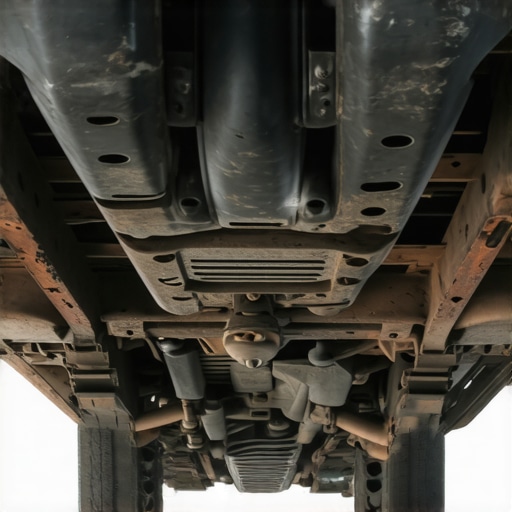
Ever sat in your garage, staring at your car after a wash and feeling a sinking suspicion? A few months back, I found a small bubble on my undercarriage — just a tiny glimpse of what turned out to be deep, unspoken rust lurking beneath fresh undercoating. That moment was a wake-up call. I realized that despite regular washes and superficial inspections, there was an insidious enemy hiding where I least expected: under the shiny new layer of paint and undercoating.
Why We Often Miss the Hidden Rust Problem
I used to think that a freshly coated undercarriage was enough to shield my vehicle from the elements. But, as a seasoned car enthusiast, I’ve learned the hard way that rust can sneak in through the tiniest cracks, especially if moisture gets trapped beneath the layers. Early in my maintenance routine, I made a critical mistake — I assumed that the surface appearance was enough to determine an area’s safety. That cost me a lot, especially when my mechanic found rust that had already compromised structural components.
Did you know that rust can develop just beneath a new protective layer without showing obvious signs? According to research from the National Association of Corrosion Engineers, hidden rust can cause significant damage to vehicle frames and safety-critical parts if left undetected. That’s why knowing how to detect it—a skill I wish I had learned sooner—can save you from costly repairs down the line.
So today, I promise to share practical, reliable techniques to help you identify hidden structural rust before it spirals out of control. Whether you’re planning a major tune-up or just want peace of mind during routine inspections, understanding the telltale signs can keep your vehicle safe and reliable.
Can one simple inspection really reveal what’s hidden under that fresh coat?
Early on, I overlooked straightforward visual clues because I was blinded by the glossy finish. A key mistake I made was neglecting to check less obvious spots like wheel wells, frame joints, and beneath the floor pans. Now I realize that a thorough, hands-on inspection combined with some basic tools can make all the difference.
In the upcoming sections, I’ll walk you through my tried-and-true methods—no fancy gadgets required—to uncover hidden rust spots. Trust me, these tips will help you spot trouble early, saving you from an expensive dash to the repair shop or worse, semi-permanent damage.
If you’ve ever faced that uneasy feeling of suspecting hidden issues under your car’s fresh undercoating, you’re not alone. I’ve been there, and I understand the frustration. But take heart — with a little knowledge and some proactive checks, you can protect your investment.
Ready to become a rust detective? Let’s dive into the specific signs and techniques that will equip you to keep your car safe and sound for years to come. For more insights on maintaining your vehicle, check out [essential car service tips for safe summer drives](https://collisionfixer.com/essential-car-service-tips-for-safe-summer-drives) and start your journey toward smarter auto care.
Prepare Your Workspace and Tools
Start by parking your car in a well-lit, flat area with enough space to walk around. Gather basic tools: a flashlight, a screwdriver, a thin metal probe like a nail or wire, and a mirror if needed. Wearing gloves will protect your hands from sharp edges and rust particles.
Visual Inspection for Early Clues
Inspect obvious areas such as wheel wells, door sills, and undercarriage edges. Look for chipped paint, bubbling spots, or areas where the undercoating looks uneven or cracked. Use your flashlight to gain better visibility into shadowed areas.
Mark Potential Weak Spots
Use chalk or masking tape to mark suspicious spots. Pay special attention to joints, seams, and weld points, as these are common rust entry points. During my last check, I found a small bubble near the rear wheel, which prompted me to dig deeper.
Probe for Softness or Flakes
Gently insert the screwdriver or nail into the marked areas. If the metal feels soft, or if the tool pushes in easily and causes flakes or dust, rust is likely hidden beneath the surface coating. Remember, rust can be just under a thin paint layer—don’t rely solely on visual cues.
Check Less Obvious Areas
Use a mirror and flashlight to examine hard-to-see zones such as under the floor mats (by removing them temporarily), inside wheel wells, and beneath the rear bumper. I once discovered rust hidden behind tar-like undercoating, which required more detailed inspection.
Tap and Listen to the Metal
Lightly tap suspected areas with the screwdriver handle or a small hammer. A dull or hollow sound indicates corrosion beneath the surface, whereas a solid sound suggests intact metal. This technique helped me identify a compromised frame rail during a routine check.
Use a Magnet to Detect Thickness
Slide a magnet along the surface. Areas where the magnet doesn’t stick well or slips easily may have been weakened by rust, especially if rust has caused metal thinning. This simple method can be surprisingly effective for preliminary assessments.
Consider a Depth Check with a Drill or Pick
If you have access, carefully use a small drill to make a test hole in suspicious areas—only if you’re comfortable and sure about safety. This allows you to evaluate the thickness and condition of the metal beneath. In my experience, a small, controlled drill helps reveal the true extent of rust damage.
Document and Decide
Take photos and notes of all findings. If you detect extensive rust, especially in structural components like the frame or suspension mounts, contacting a professional for a thorough assessment is wise. Otherwise, addressing minor spots with rust converter or touch-up paint can extend your vehicle’s lifespan.
Regular inspections, especially after winter or in humid climates, prevent surprises. Remember: early detection keeps repair costs low and safety high. If you’re unsure about assessing your car’s structural health, visit CollisionFixer for expert advice or service.
When it comes to collisionfixer and regular auto service, many car owners believe they understand the basics, but some misconceptions can lead to costly mistakes. One prevalent myth is that a simple tune-up is all a vehicle needs to stay in top shape. In reality, a routine tune-up addresses only the surface symptoms and often overlooks underlying issues, especially in complex systems like transmissions or suspension components. As I’ve discovered through experience, neglecting the nuanced aspects of diagnostics can result in serious damage down the line.
A common trap is assuming that modern vehicles require less maintenance because of advanced technology. This couldn’t be further from the truth. In fact, newer cars often have intricate electronic systems and sensitive components that, if not maintained properly, can fail prematurely. For example, neglecting to reset a malfunction indicator light after a repair can mask critical issues, delaying necessary repairs and escalating costs. Check out [the signs your car needs expert auto repair now](https://collisionfixer.com/top-signs-your-car-needs-expert-auto-repair-now) to stay ahead.
Most people don’t realize that transmission problems are often misdiagnosed. A slipping or shuddering transmission isn’t always due to low fluid; it might stem from internal wear or even a faulty solenoid. Relying solely on fluid level checks can be misleading. Advanced diagnostics, like scanning transmission control modules or performing a road test, reveal hidden issues that DIY methods miss. For more on maintaining a healthy transmission, see [how transmission overhauls can save you money in the long run](https://collisionfixer.com/how-transmission-overhauls-save-you-money-in-the-long-run).
Have you ever fallen into this trap? Let me know in the comments.
### Are You Falling for the Transmission Oversimplification?
Many vehicle owners believe that flushing the transmission fluid periodically is enough. While important, this approach ignores the fact that internal parts like clutches and bands wear out over time, regardless of fluid condition. A thorough diagnosis, including checking for symptoms like gear slippage or delayed engagement, is essential. Relying solely on visual inspections or fluid color can be deceptive; sometimes, the most subtle signs indicate major internal failures. Remember, early detection ensures smoother repairs and helps maintain safety and vehicle longevity.
By understanding these nuances, drivers can avoid the trap of superficial fixes and ensure their repairs address root problems. Regular inspections, using diagnostic tools, and consulting trusted professionals—not just mechanics who change parts—are vital steps. For more insights into smarter auto care, visit [our cornerstone guide on maximizing your car’s lifespan with regular tune-ups](https://collisionfixer.com/maximize-your-cars-lifespan-with-regular-tune-ups). Keep learning and investing in your vehicle’s health — it pays off in the long run.
Mastering the Art of Car Maintenance with the Right Tools
Keeping your vehicle in optimal condition demands more than just basic knowledge; it requires the right tools and a systematic approach. My personal go-to kit includes a high-quality digital multimeter, which allows me to diagnose electrical issues accurately. Unlike generic testers, my preferred multimeter can measure both voltage and resistance, helping me identify faulty sensors or wiring problems without guesswork. For example, when checking the voltage of my alternator, having a multimeter calibrated specifically for automotive use ensures reliable readings, as explained in the vehicle repair manual from Bosch.
Another essential tool is a set of precision magnetic pick-up tools. These help retrieve small metal bolts or nuts that drop into tight engine bays—stuff that could cause serious damage if left unnoticed. I use a magnet with an ergonomic handle, so I can reach behind the engine without contorting into uncomfortable positions. This proactive step prevents long-term issues like oil leaks or overheating caused by debris blocking cooling fins.
Why a Compression Tester Is a Must-Have
For long-term engine health, I rely on a quality compression tester. Regularly testing cylinder compression helps me spot early signs of valve or piston problems before they escalate into costly repairs. I prefer a model with adjustable pressure release valves, which give consistent readings and allow me to compare across cylinders easily. This approach aligns with expert advice from maintenance specialists who emphasize routine compression testing as part of a comprehensive engine tune-up.
Investing in Diagnostic Software for Modern Vehicles
When it comes to contemporary cars, hardware alone isn’t enough. I integrate my diagnostic tools with advanced software like AutoEnginuity or Launch X431 scans. These programs interface with the vehicle’s onboard computer, revealing hidden faults that simple visual checks might miss. For example, a software scan helped me identify a faulty transmission solenoid that initially presented as rough shifting, saving me from expensive trial-and-error repairs. As automotive technology advances, these diagnostic solutions are becoming indispensable for any DIY enthusiast or professional mechanic.
Future of Auto Maintenance Tools and Techniques
Looking ahead, the trend gravitates toward more integrated, AI-powered diagnostics and predictive maintenance. Imagine an app that not only reads error codes but also suggests optimization algorithms based on your driving habits. The rise of wireless, cloud-connected sensors will enable real-time health monitoring, alerting you well before a breakdown occurs. Staying ahead by adopting these innovations can dramatically extend your car’s lifespan and reduce unexpected downtimes.
How do I keep my vehicle’s systems operating at peak performance over time?
One effective method involves routine fluid analysis using specialized testing kits. For instance, testing your coolant and oil for contaminants can reveal early signs of internal wear. Regularly replacing or topping off fluids with high-quality products ensures that components like transmission and cooling systems stay lubricated and cool, which is critical for long-term durability. Don’t forget to visit our guide on essential car service tips to align your maintenance schedule with seasonal demands. Implementing these proactive measures, coupled with the tools discussed, positions you to troubleshoot minor issues before they become major headaches. Try using a diagnostic software scan periodically—this early detection approach can save you hundreds in repairs and keep your car reliable for years to come.
Over the years, I’ve learned that the biggest threats to our vehicles often hide beneath the surface—literally. The frustration of discovering rust where it wasn’t expected taught me invaluable lessons that could save your car and your wallet. Here’s what I wish I knew before rust had a chance to take hold, and how you can be proactive to stay ahead.
What My Unseen Rust Battles Have Taught Me
- The importance of a tactile inspection: Feeling for softness or flakes with a screwdriver revealed hidden damage my eyes might miss. Trust your hands as much as your eyes.
- Embrace less obvious spots: Areas like inside wheel wells or beneath the floor mats can harbor rust you can’t see at first glance—always check these hidden corners.
- Don’t rely solely on surface appearance: A shiny undercoating can mask corrosion underneath. A gentle probe can uncover the truth behind that glossy facade.
- Early signs matter more than you think: Slight bubbling, uneven patches, or a dull metallic sound when tapping can be warnings of deeper issues below.
- Consistency beats occasional checks: Regularly scheduled inspections, using simple tools, create a fortress of protection for your vehicle’s structural integrity.
Tools and Resources That Changed My Perspective
- Essential car maintenance tips: Practical advice to keep your car running smoothly and prevent rust from starting.
- Professional consultations: Sometimes, a trained eye can spot what you might miss, especially in tricky areas.
- Transmission diagnostics tools: Knowing your vehicle’s internal health can save big when rust threatens vital components.
- Signs that hint at hidden problems: Staying alert to subtle cues helps prevent minor issues from becoming major disasters.
Your Next Step Towards Confidence on the Road
Taking charge of your vehicle’s health doesn’t require becoming a mechanic overnight—just adopting a mindset of curiosity and care. Regularly inspecting, using simple tools wisely, and consulting experts when in doubt empower you to detect and address rust early. Remember, the effort you invest today preserves your car’s safety, value, and longevity tomorrow. Ready to become a rust detective? Explore our comprehensive guide on summer-ready auto care and start safeguarding your vehicle now.