I was merging onto the I-77 last Tuesday, feeling pretty good about my morning commute, when I flipped my left turn signal. Instead of the rhythmic, steady tick… tick… tick I’ve heard for years, it sounded like a panicked drummer on double espresso. Tick-tick-tick-tick-tick. My heart sank. Usually, when something starts happening twice as fast as it should in a car, it means an expensive trip to the shop is looming. I immediately pulled over, convinced my alternator was giving up the ghost or that I had some catastrophic wiring meltdown. I’ve spent enough time under the hood to know that weird noises usually mean a lighter wallet, but this specific rapid-fire clicking—often called hyper-flashing—is actually a bit of a secret code from your car. Today, I’m going to show you exactly how to crack that code so you don’t end up wasting money on repairs you don’t need.
The Hyper-Flash Headache is More Than Just an Annoyance
That frantic clicking isn’t just there to drive you crazy while you’re waiting for a green light. It’s a deliberate design feature. Many drivers assume their car is having an electronic stroke, but it’s actually the vehicle’s way of saying it has detected a change in resistance. Years ago, I made the rookie mistake of thinking a fast blinker meant I needed a major auto repair. I actually replaced a perfectly good battery once because I was convinced the voltage was surging. It was a total waste of eighty bucks and a Saturday afternoon. The truth is usually much simpler. According to the Federal Motor Vehicle Safety Standard No. 108, turn signals are mandated to flash at a specific rate to ensure visibility, and engineers built this rapid-fire mode as a built-in diagnostic tool. If you’ve noticed this lately, you should check out my guide on why your turn signals blink too fast to see the common culprits. Keeping your lights in order is one of those essential car service tips that keeps you legal and safe on the road.
Is My Car’s Entire Electrical System Failing?
It’s the first question everyone asks when the dashboard starts acting possessed. You start worrying about expensive ECU failures or a bad ground wire that will take weeks to find. But here is the reality: 90% of the time, your car is just telling you that a single bulb has burnt out. Because the circuit is no longer complete, the flasher relay cycles faster. It’s a low-tech solution to a high-tech problem. Have you ever been stuck at a red light, sweating because your blinker sounds like a ticking time bomb? Tell me about your most annoying car sound in the comments below. Before you go out and buy a whole new wiring harness, let’s look at the simple steps to identify which bulb is lying to you.
Step Out and Do the Visual Inspection First
The absolute first thing you need to do when you hear that rapid-fire clicking is get out of the driver’s seat. Leave the turn signal on and walk around the vehicle. This sounds elementary, but you would be surprised how many people start researching expensive parts before seeing which corner of the car is dark. Think of your turn signal circuit like a team of horses pulling a carriage; if one horse stops pulling, the others have to work twice as hard and fast to keep up. That is essentially what is happening to your flasher relay. I once tore apart the steering column of my old ’98 sedan because the left blinker was racing. I was convinced the multi-function switch had fried. After two hours of sweating and losing three tiny screws, I realized the rear bulb was just slightly loose in its housing. A ten-second wiggle fixed it, saving me from what I thought was a situation where I needed to find top signs your car needs expert auto repair now. Look closely at the bulbs that are still working too. If one is significantly dimmer than the other, it’s drawing more current and might be about to fail.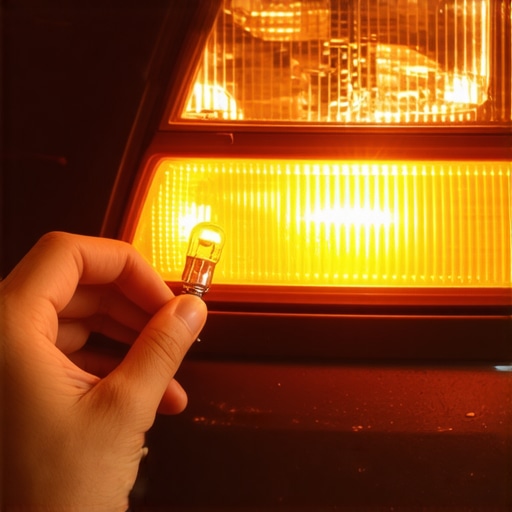
Inspect the Socket for Signs of Hidden Corrosion
If you find a bulb that isn’t lighting up, don’t just toss it and pop a new one in. Take a moment to look inside the plastic socket. Over time, moisture can creep in, creating a greenish-gray crust that acts like an insulator. This gunk blocks the flow of electricity, tricking your car into thinking the bulb is dead even if the filament is perfectly intact. You should treat these connections with the same care you use when you clean battery terminals so they never corrode again. Use a small wire brush or a bit of electrical contact cleaner to shine up those metal tabs. If the socket looks melted or scorched, you are likely dealing with a larger resistance issue, and you might need to learn how to diagnose a bad ground wire in minutes to prevent the new bulb from burning out immediately. Regular maintenance like this is a core part of how you maximize your cars lifespan with regular tune-ups.
How to Tell if the Relay has Finally Given Up
If every single bulb on the car is flashing at lightning speed, the problem isn’t a single point of failure; it’s the brain of the operation. The flasher relay is a small plastic cube, usually located under the dash or in the fuse box, that controls the rhythmic ‘on-off’ cycle. When these internal components wear out, they can stick or cycle too fast regardless of the bulb’s health. If you’ve checked every bulb and cleaned every socket but the dash still looks like a strobe light, you might need the $15 tool to find a short circuit in your dash to see if power is even reaching the relay correctly. In modern cars, this ‘relay’ might actually be integrated into a body control module, which is a bit more complex, but for 90% of the cars on the road, it’s a simple plug-and-play part you can swap in the parking lot of an auto parts store. Checking these small electrical bits is just as important as knowing essential car service tips for safe summer drives.A common mistake I see—even among DIYers who’ve been turning wrenches for years—is the assumption that every electrical quirk is a ‘glitch’ that needs a software reset. We’ve become so used to rebooting our phones that we think a car works the same way. But in reality, your car is still a physical machine governed by the laws of resistance. For instance, many people upgrade to LED bulbs thinking they are doing a favor to their electrical system. But because LEDs draw so much less power, the car’s computer thinks the bulb is missing, triggering that same hyper-flash we just discussed. You end up spending $40 on ‘fancy’ lights only to create a problem you didn’t have before. Have you ever fallen into this trap? Let me know in the comments.
Stop Throwing Money at Your Dashboard
If you find yourself replacing the same bulb every three months, you don’t have a bulb problem; you have a circuit problem. Most people just buy a bigger pack of bulbs and keep swapping them out. This is a classic ‘band-aid’ fix that ignores the underlying heat issue. High resistance in a connector causes heat, and heat kills filaments. According to the National Institute for Automotive Service Excellence (ASE), electrical malfunctions are often the result of poor ground connections rather than component failure. If you ignore this, you might eventually find why your dash lights flicker when you use the turn signal, which is a precursor to a much larger failure. 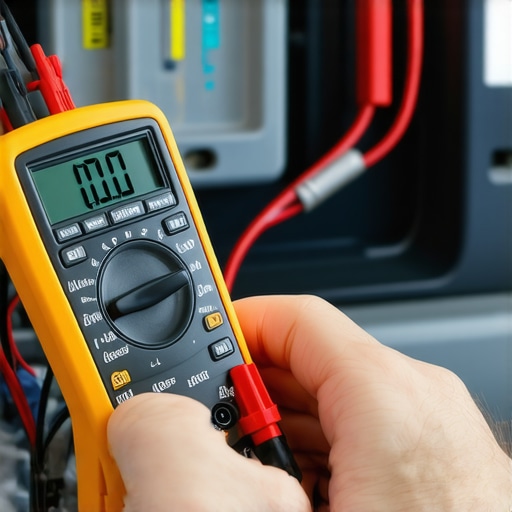
The LED Upgrade Trap Most Drivers Fall Into
We need to talk about the ‘modernization’ myth. Everyone says switching to LEDs is an easy win for visibility, but in my experience, it often causes more headaches than it solves unless you install load resistors. Without them, the car’s flasher relay (or the Body Control Module) perceives the low current draw as a burnt-out bulb. It’s an ‘oops’ factor that leads people to think they need top signs your car needs expert auto repair now when they actually just need to put the old halogen bulbs back in. This specific type of misdiagnosis is why I always tell people to check the basics before they start replacing sensors.
Could a Bad Signal Bulb Actually Damage Your Transmission?
This sounds like a conspiracy theory, but it’s a very real nuance of modern automotive engineering. In many vehicles, the brake light circuit provides a ‘cancel’ signal to the cruise control and the torque converter lock-up. If you have a short in your turn signal or brake light housing, it can ‘noise up’ the entire electrical bus. I’ve seen drivers pay for how transmission overhauls save you money in the long run because their car was shifting strangely, only to find out the issue was a $5 bulb with a crossed filament. This is why you should always maximize your cars lifespan with regular tune-ups that include a full electrical scan. Sometimes, even the 5 fuse that acts like a dead alternator can be the culprit behind a myriad of terrifying dashboard symptoms. Don’t let a small light show trick you into thinking your engine is dying; often, the car is just speaking a language you haven’t learned yet. Understanding these connections is the difference between an informed owner and a victim of the ‘parts cannon’ repair strategy. Always look for why your car wont start even though the lights turn on to see how deep these electrical rabbits holes can go.
Grab a Multimeter Before You Grab Your Wallet
If you are going to take your car’s maintenance seriously, you need to stop guessing. My most trusted tool is a high-quality digital multimeter. I don’t just use it to see if a battery is dead; I use it to measure the specific voltage drop across a connection. If you see more than a 0.5-volt drop across a terminal, you’ve found your resistance problem. This is exactly how you should start when you diagnose a bad ground wire in minutes. Chasing a ‘phantom’ signal issue without a meter is like trying to find a black cat in a dark room—you might get lucky, but you’ll probably just end up frustrated. I’ve found that the $15 tool to find a short circuit in your dash is the perfect companion to a multimeter because it helps you trace the physical path of the wire through the firewall without stripping the whole interior.
Why Live Data Is Your Best Friend for Tough Problems
For newer vehicles, the dashboard lights are only the tip of the iceberg. I always recommend getting a scanner that can pull ‘Live Data.’ When you read live data to find a misfire, you aren’t just looking for codes; you are watching the sensors work in real-time. This is crucial if your car is doing something weird like hyper-flashing only when the engine is under load. According to SAE International Standard J1292, which governs automotive electrical system integrity, maintaining stable voltage is critical for modern CAN-bus systems. If your turn signal is drawing too much current, it can actually create ‘noise’ on the data lines that confuses other modules. 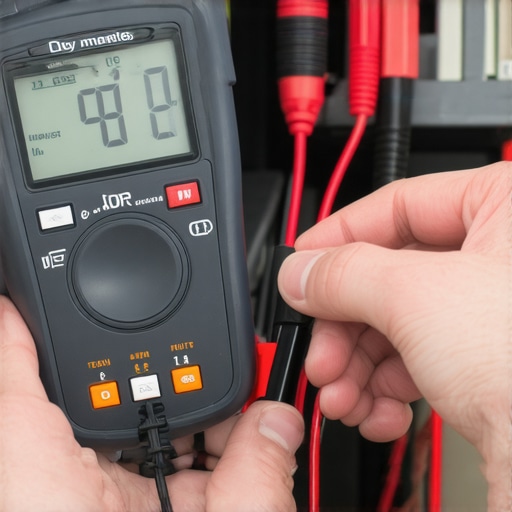
How do I keep my car’s electrical system healthy for the long haul?
Maintenance isn’t just about changing oil; it’s about protecting the invisible pathways of your car. Every two years, I make it a habit to go through my lighting sockets and main ground points with a can of electrical contact cleaner and a small tube of dielectric grease. This is a vital part of how you maximize your cars lifespan with regular tune-ups. If you live in an area with road salt or high humidity, you should also clean battery terminals so they never corrode again to prevent high-resistance startups that put a strain on your alternator. Don’t forget to check your harness after any bodywork, as sensors aren’t working after a bumper repair often because of pinched wires that will eventually fail.
The Future of Seeing Through the Dash
Looking ahead, we are moving toward ‘smart’ wiring harnesses that can pinpoint a break within centimeters. Until that becomes the standard for every car on the road, you are the detective. I’ve seen people spend thousands on transmission overhauls when the real culprit was a corroded bulkhead connector. My advice? Start small and stay consistent. Go grab a multimeter this weekend and test the resistance on your turn signal sockets—it’s the best way to practice before a real emergency happens. Check back soon as we wrap up this series on mastering your car’s hidden languages.
The Most Humbling Lesson My Old Buick Taught Me
For years, I treated every dashboard light like a personal attack on my bank account. I learned the hard way that the clicking isn’t an enemy; it’s a conversation. Here are the lightbulb moments that saved me thousands in unnecessary auto repair costs over the last decade.
- Resistance is the real villain: Most of the time, the bulb is fine, but the path for electricity is blocked by a microscopic layer of oxidation.
- Software can’t fix a loose wire: We live in a digital age, but your turn signals are stubbornly analog. No OBD scanner can tighten a loose socket for you.
- Cheap bulbs are a trap: I once bought a bulk pack of off-brand bulbs that were slightly out of spec. They triggered hyper-flashing even though they worked, leading me on a wild goose chase through my wiring harness.
#IMAGE_PLACEHOLDER_E#
My Secret Weapons for Electrical Peace of Mind
If you want to move beyond guessing, you need a few staples in your garage. I never start an electrical job without these three items:
- A Reliable Multimeter: This is non-negotiable. It’s how you diagnose a bad ground wire in minutes rather than hours.
- Dielectric Grease: Applying this to every new bulb you install prevents moisture from starting the corrosion cycle. It’s a small step that helps maximize your cars lifespan with regular tune-ups.
- Electrical Contact Cleaner: This spray dissolves the gunk that builds up in sockets. Use it to clean battery terminals so they never corrode again while you’re at it.
- The Short Finder: For the price of a pizza, the $15 tool to find a short circuit in your dash can save you from a complete interior tear-down.
You Are Smarter Than Your Dashboard
The next time you hear that frantic tick-tick-tick, don’t panic. You now have the roadmap to solve it yourself. Every time you fix a small electrical quirk on your own, you’re becoming a more capable owner and saving yourself from a trip for major auto repair. Taking charge of your vehicle’s maintenance is the most rewarding part of car ownership. Have you ever spent hours looking for a problem only to find it was a simple $5 fuse? Let me know your biggest ‘facepalm’ moment in the comments below!