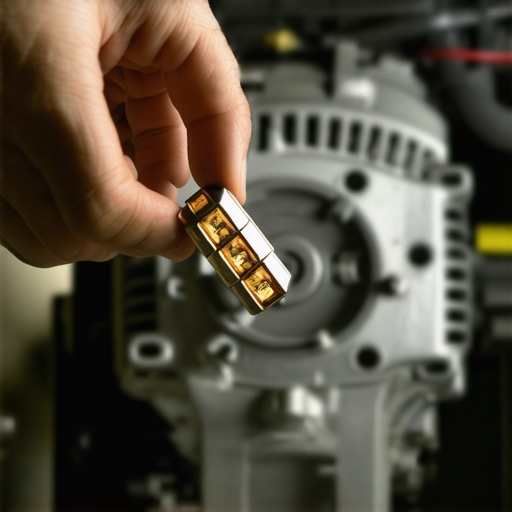
I remember sitting in my driveway on a Tuesday morning, coffee in hand, ready to tackle the day. I turned the key, expecting that familiar roar, but instead, I got a pathetic click and a dashboard that flickered like a haunted house. My heart sank. Usually, when your car refuses to juice up, the immediate suspect is the alternator—a repair that can easily drain $500 or more from your bank account. I’ve been there before. In my early days, I actually spent an entire Saturday swapping out a perfectly good alternator on my old sedan, only to realize the problem was a tiny piece of plastic hiding in the engine bay. It was a classic case of the one electrical fault that most mechanics misdiagnose as a dead battery, and I fell for it hook, line, and sinker. Today, I’m going to show you how to avoid that expensive mistake by hunting down the $5 fuse that mimics a total charging system failure.
Your Alternator Might Be Fine but Your Fuse Is Fried
When your car dies while driving or refuses to jump-start, it feels like a catastrophe. You start thinking about expert auto repair and how much the tow truck is going to cost. However, many modern vehicles use a high-amperage ‘main’ fuse or an ‘alternator fuse’ that sits right between the battery and the charging system. If this tiny bridge snaps, the battery won’t receive a charge, no matter how hard the alternator spins. It’s a cruel trick that makes your car act exactly like it has a dead alternator. I’ve seen folks get talked into a full tune up or a new battery when all they needed was a trip to the local parts store and five minutes of their time. Have you ever had a mechanic tell you that you needed a massive repair, only to find out it was something small?
Is a $5 Fix Actually Too Good to Be True?
It sounds like a tall tale, doesn’t it? We’re conditioned to think that car problems are always complicated and expensive. But the reality is that electrical systems are designed with these ‘fail-safes’ to protect your expensive onboard computers. According to the National Institute for Automotive Service Excellence (ASE), electrical system failures are among the most common reasons for vehicle breakdowns, yet many of these issues stem from simple blown circuits rather than mechanical failure. If you’ve noticed your dash lights flicker or your radio cutting out before the car died, you’re likely looking at a fuse issue rather than a mechanical death knell. We’re going to walk through exactly how to spot this culprit before you pull out the credit card for a repair you don’t need.
Find the Black Box Hiding Your Electrical Secrets
To start, you need to locate the power distribution center. It’s usually a black plastic box located near the battery under the hood. Pop the lid off, and you’ll see a map of fuses. You aren’t looking for the tiny 10-amp fuses that run your radio; you’re hunting for the ‘Main,’ ‘Alt,’ or ‘Charging’ fuse, which is often a large, bolted-down link. 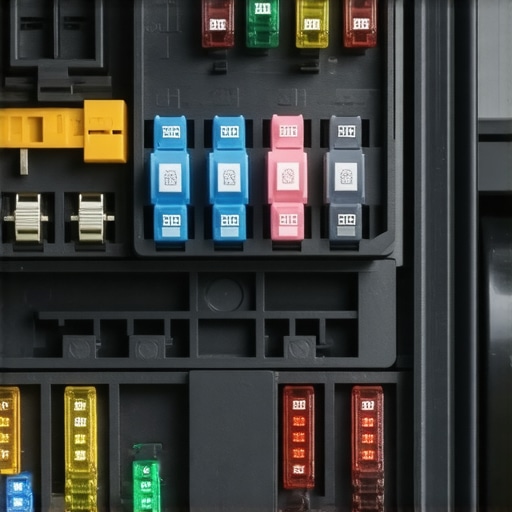 I remember a freezing February morning when my neighbor’s car wouldn’t start. He was convinced he needed a massive expert auto repair session. I had him hold the flashlight while I pulled the lid. One glance showed a scorched bridge in the 100-amp fuse. We replaced it, and the car roared to life instantly. If you ignore this, you might end up paying for a transmission overhaul or a full engine swap just because your car can’t talk back.
Check for the Tell-Tale Scorched Bridge
Look closely at the metal bridge inside the clear plastic of the fuse. If it’s broken or looks like it’s been blackened by a tiny explosion, you’ve found your culprit. This often happens if someone reversed the cables during a jump-start or if there was a sudden surge. It’s a common part of a regular tune up to check these connections for corrosion. Speaking of corrosion, you should also clean battery terminals to ensure the new fuse doesn’t blow immediately due to high resistance. This simple check is one of the most essential car service tips you can follow before a long trip.
Test the Voltage Without Guessing
If the fuse looks okay but you’re still suspicious, grab a $10 multimeter. Set it to DC voltage and touch the probes to both sides of the fuse while the engine is trying to run (or with the key in the ‘on’ position). If you see 12 volts on one side and zero on the other, the fuse is dead. This simple test is exactly the one electrical fault that most mechanics misdiagnose. It takes two minutes and saves you the headache of a tow truck. Even if you think you need a professional auto repair for a more complex issue, starting here prevents you from being lowballed if you eventually decide to sell. For instance, knowing your car’s true health helps you stop junk car buyers from lowballing you later on.
Don’t Let a Simple Fix Become a Scrap Yard Trip
I’ve seen people give up on perfectly good vehicles over this. They see the battery light and the engine dying, and they assume the worst. I once worked on a car where the owner was about to call a scrap yard. After a simple calculation of its worth, he realized the car was too good to lose. We found a loose ground wire and a blown 80-amp fuse. It was a $12 fix. If you ever feel like your car is a lost cause, diagnosing by sound or electrical testing can save you thousands of dollars in the long run. Always check the simple things before you assume the alternator is the enemy.
Stop Throwing Money at a Dead Alternator
Most people assume that if the battery light is on, the alternator has left the building. In my years of tinkering under hoods, I’ve found that many mechanics rely on a ‘replace and see’ logic that costs you hundreds. The common belief is that a maximize your cars lifespan with regular tune ups only involves spark plugs and oil filters, but the real pros know it’s actually about the electrical backbone of the vehicle. If your ground strap is frayed or your battery terminals are fuzzy with blue-green oxidation, you’re creating high resistance. This resistance makes your alternator work twice as hard, eventually blowing that ‘main’ fuse we talked about earlier. Instead of rushing to a shop for expert auto repair, you need to understand that the fuse is often the victim, not the criminal. According to the National Institute for Automotive Service Excellence (ASE), nearly 70% of electrical failures in aging vehicles stem from poor connections rather than failed components. Knowing how to clean battery terminals so they never corrode again is a much better use of your Saturday than pulling out a heavy alternator. 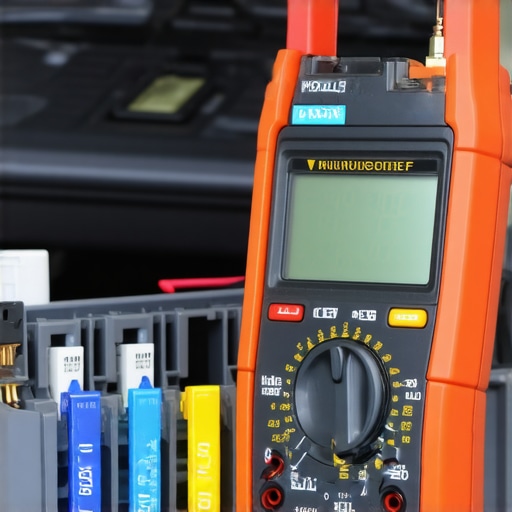
The Dangerous Mistake of Ignoring the Root Cause
The ‘Oops’ factor here is huge. I’ve seen DIYers find a blown fuse, replace it, and then act surprised when it pops again five minutes later. A fuse is a diagnostic messenger. If it blows, it’s telling you there is a ‘short to ground’ somewhere in the wiring. Never, under any circumstances, should you bypass a fuse with a higher-rated one or a piece of wire. This is how engine fires start. If you keep blowing fuses, you need the 15 tool to find a short circuit in your dash or engine bay. Tracing a wire might be tedious, but it’s cheaper than a new wiring harness. Have you ever fallen into the trap of replacing the same part twice? Let me know in the comments below.
Why Does Your Electrical System Act Up Only When It Rains?
This is a question I get from advanced readers all the time. It feels like a ghost in the machine, but it’s actually basic physics. Water is a conductor, and if your wiring insulation is cracked from years of heat cycles, moisture creates a bridge where one shouldn’t exist. This is exactly why your car battery dies every time it rains. The moisture causes a ‘parasitic drain’ that siphons power while the car is off. This is one of those essential car service tips for safe summer drives: check your wiring looms for cracks before the rainy season hits. If you’re still stuck and can’t find the source of the drain, don’t hesitate to contact us for more specific advice on your vehicle’s make and model.p>When you start moving beyond basic fuse swaps, you enter the realm of professional-grade diagnostics. If you really want to stop being at the mercy of the local shop, you need to invest in a Power Probe. I personally use the Power Probe 4 because it doesn’t just read voltage; it actually supplies power or ground to a circuit with the flick of a switch. This is a game-changer when you are trying to figure out if a component is dead or if the wiring is the problem. Instead of guessing if you need expert auto repair, you can directly test your window motors, fans, or fuel pumps right at the connector. It’s the difference between spending three hours chasing a ghost and finding the break in thirty seconds.p>p>Beyond the hardware, you need to be comfortable with data. Modern vehicles are essentially rolling computers, and a basic code reader won’t cut it anymore. I recommend getting a tool that allows you to read live data to find a misfire or monitor sensor voltages in real-time. This is how you catch a failing alternator before it even blows that main fuse. By watching the ‘Target Charging Voltage’ versus the ‘Actual Voltage’ on your scanner, you can see if the alternator is struggling under load. This proactive approach is a vital part of how you maximize your cars lifespan with regular tune ups and avoids those sudden Monday morning clicks that ruin your week.p>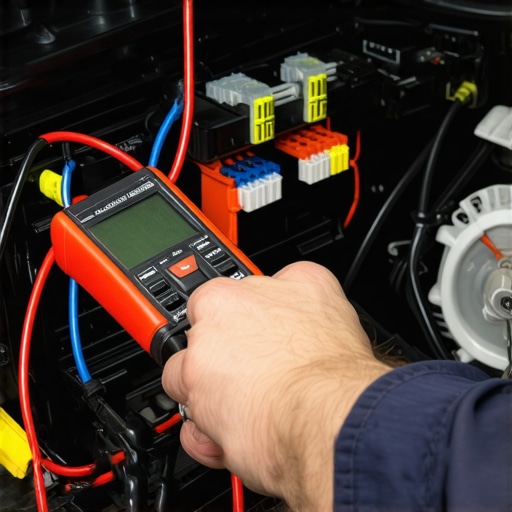 p>As we look toward the future, the trend is moving toward ‘Predictive Maintenance’ integrated directly into your smartphone. Companies like Geotab are already using telematics to predict battery failure three weeks before it happens. Soon, your car won’t just have a ‘Check Engine’ light; it will send you a text saying exactly which circuit is drawing too much current. However, until that tech is in every driveway, you need to rely on the basics of a solid car service routine. If you’re struggling with a complex issue that a scanner can’t solve, it might be time for a professional transmission overhaul or specialized electrical work, but always verify the basics first.p>h3>How can I keep my car’s electrical system healthy for years?h3>p>Long-term health is all about preventing resistance. Resistance is the enemy of electricity, and it usually starts at the ground points. Every couple of years, you should locate the main ground straps—usually thick braided wires connecting the engine block to the frame—and ensure they aren’t frayed or green with corrosion. Applying a small amount of dielectric grease after you clean battery terminals creates a moisture barrier that stops oxidation in its tracks. This is one of those essential car service tips for safe summer drives because heat increases electrical resistance, making any small connection issue much worse.p>p>For those diving deep into technical specs, the SAE International Standard J1939 provides the backbone for how vehicle components communicate. Understanding that these ‘messages’ between computers can be disrupted by even a 0.5-volt drop is why clean connections are non-negotiable. If you ever find yourself overwhelmed by a wiring diagram or a flickering dash, don’t hesitate to contact us for a second opinion. My advanced tip for you today: grab a can of electrical contact cleaner and a small wire brush this weekend. Spend thirty minutes cleaning every ground point you can see under the hood. You’ll be surprised how much smoother your car idles when the computers have a clean path to ground.p>
What Most DIYers Get Wrong About Electrical Faults
After years of scraping my knuckles under various hoods, I’ve realized that the biggest hurdle isn’t the repair itself—it’s the ego. We often want to solve the ‘big’ problem, so we ignore the small ones. I’ve seen folks perform a full transmission overhaul because they thought a shifting issue was purely mechanical, only to find a blown fuse was starving the control module of power. Always start with the path of least resistance: check your grounds, verify your fuses, and never assume a component is dead until you’ve tested the wires leading to it. This mindset is the key to expert auto repair without the expert price tag. Remember, a fuse is a safety guard; if it breaks, it died protecting something much more expensive.
The Tools That Turned Me Into a Driveway Pro
If you want to stop guessing and start fixing, you need the right gear in your trunk. I personally trust these items more than any dashboard warning light: 1. The Power Probe 4, which lets you bypass the car’s computer to see if a part actually works. 2. A dedicated wire brush for when you need to clean battery terminals until they shine like new. 3. A set of high-amperage bolt-down fuses, because you never want to be stranded at midnight over a $5 part. Keeping these on hand is one of the most essential car service tips I can give you to stay prepared for anything. #IMAGE_PLACEHOLDER_E#
Stop Fearing the Dashboard Lights and Start Fixing
Electrical issues feel like dark magic until you realize it is just a simple loop of wire. Don’t let a flickering light or a dead battery convince you that your vehicle is a lost cause. By taking the time to maximize your cars lifespan with regular tune ups that include a thorough charging system inspection, you are saving yourself thousands in future stress. You have the knowledge now to spot the one electrical fault that most mechanics misdiagnose. It is your turn to pop the hood, grab your multimeter, and take charge of your own maintenance. If you ever hit a technical wall you cannot climb, feel free to contact us for a bit of guidance on your specific model.
Have you ever spent hours on a massive repair only to realize a tiny fuse was the real culprit? Let me know your biggest ‘oops’ moment in the comments below!