
It was 7:15 AM on a Tuesday, and the lukewarm coffee in my hand was the only thing in my life working correctly. I slid into the driver’s seat of my old sedan, twisted the key with a practiced flick of the wrist, and watched as my dashboard glowed with confident, bright icons. The radio even chirped to life, playing a song I usually love. Then… nothing. Not a crank, not a groan, just a hollow, metallic click that echoed my growing frustration. It is a special kind of heart-sinking feeling when your electronics seem perfectly healthy, but the heavy lifting just won’t happen. You feel betrayed by your own machine.
Why Your Dashboard Lights Lie to You
Look, we’ve all been there, and I’ll be the first to admit I’ve been fooled. I made a massive mistake early in my DIY journey with a beat-up pickup truck. I was so convinced the battery was strong because the headlights were beaming that I spent three hours and half my rent money ripping out a perfectly good alternator. I felt like an idiot when the new one didn’t fix a thing. The reality is that it takes about 20 to 30 amps to run your lights and radio, but your starter motor needs upwards of 300 amps to actually turn that engine over. Your battery can be ‘surface healthy’ enough to light up a bulb while being far too weak to move a piston. Today, I am going to help you skip the expensive guesswork and figure out why your car is ghosting you. Sometimes, you just need to diagnose a bad ground wire in minutes rather than throwing parts at a phantom problem.
Is this just another way for shops to overcharge me?
It is natural to feel a bit of skepticism when a mechanic starts talking about ‘phantom draws’ or ‘solenoid failure’ the moment you tell them your lights work. You might fear that a simple ‘no-start’ is an excuse for a massive auto repair bill. However, most of the time, the fix is much smaller than you think. According to data from AAA, battery and electrical system failures remain the leading cause of vehicle breakdowns globally, often occurring without any warning to the driver beyond a slow crank. Before you panic, check the simple stuff. You might just need to clean your battery terminals so they never corrode again or learn how to spot a fake car battery if you recently bought a cheap replacement. Have you ever sat there clicking the key over and over, desperately hoping for a miracle? I want to hear about your most frustrating ‘no-start’ moment in the comments below. Let’s get into the actual steps to get you back on the road.
The First Three Minutes of Troubleshooting
Before you call a tow truck and resign yourself to a massive auto repair bill, you need to perform a triage. The fact that your lights are on means your battery isn’t completely flat, but it doesn’t mean it’s healthy. I once spent an entire Saturday afternoon cursing at a starter motor in my garage, only to realize the actual culprit was a thin layer of white powder on the terminal. It was a classic rookie move. To avoid my fate, start by physically checking the connection. Use a wrench to ensure the clamps are tight; if you can move them with your hand, they are too loose to start the car. You should also clean your battery terminals thoroughly. Think of corrosion like a clogged straw; the power is there, but it can’t get through the gunk fast enough to feed the starter. 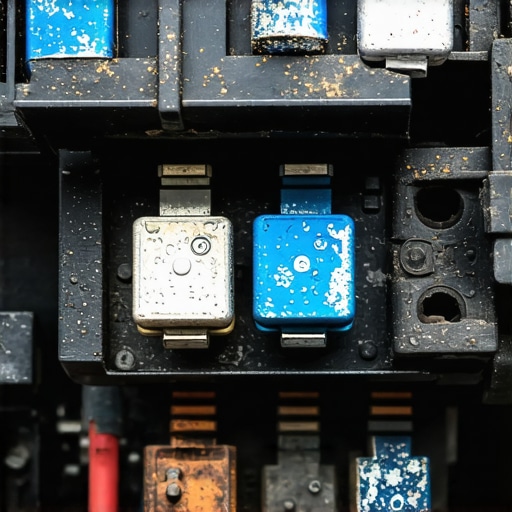
Try the Neutral Safety Switch Jiggle
If you have an automatic transmission and the car won’t even try to crank, the problem might be a confused sensor. I remember a specific rainy night in a grocery store parking lot where my SUV refused to budge. I was ready to give up when I remembered the neutral safety switch. This little component prevents the car from starting unless it is in Park or Neutral. Sometimes, the linkage gets slightly out of alignment. While holding the brake, shift the car into Neutral and try to start it. If it fires up, you’ve found your culprit. It’s a simple trick that keeps you from worrying about whether transmission overhauls are in your near future.
Identify a Short Circuit Without Pulling Your Hair Out
Sometimes the battery is fine when you park, but something is ‘bleeding’ it dry while you sleep. This is often caused by a faulty relay or a pinched wire. If you notice weird electrical behavior, like why your dash lights flicker when you use the turn signal, you likely have a parasitic draw. You can use the 15 tool to find a short circuit in your dash to pinpoint exactly which fuse is the problem. It saves you from the nightmare of tracing every single wire in the car.
Testing the Charging System and Starter
If the battery checks out but you still hear a single ‘click’ when you turn the key, the starter solenoid is likely the issue. A common old-school trick is to have someone tap the starter with a mallet while you turn the key, though this is a temporary fix at best. You should also consider regular tune-ups to catch these electrical gremlins before they leave you stranded. If your car starts but then dies, or if you find yourself wondering why your car battery dies every time it rains, the alternator might be failing to recharge the battery as you drive. A healthy alternator should put out between 13.5 and 14.5 volts while the engine is running. Anything less, and you’re just running on borrowed time.Most people think that if the dashboard glows, the battery is fine and the problem must be ‘something big’ like a seized engine. This is where most DIYers—and even some green mechanics—get it wrong. In my experience, a car that has power but won’t crank is rarely a catastrophic mechanical failure; it is usually a communication breakdown between the battery and the computer. We often use the term ‘tune-up’ as a catch-all fix, but you should know that the classic tune-up is a relic of the past. Modern cars don’t have points or carburetors to adjust. Today, you should maximize your car’s lifespan with regular tune-ups by focusing on sensor health and software updates rather than just swapping spark plugs and hoping for the best. 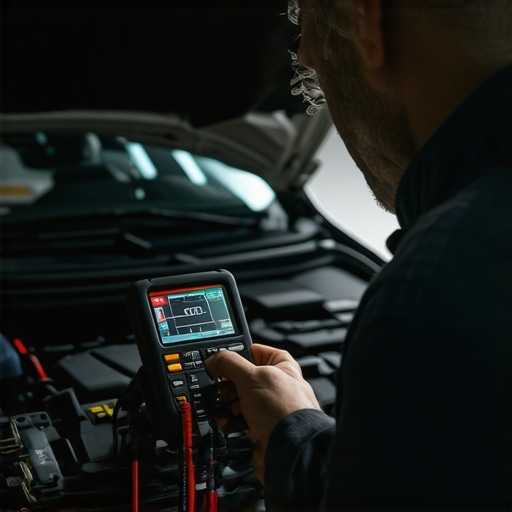
Why Your Transmission Might Be Faking a Failure
Here is a nuance that catches people off guard: electrical ghosting. Modern transmissions are incredibly sensitive to voltage. If your battery is putting out 11.8 volts instead of 12.6, your dashboard lights will still look beautiful, but your Transmission Control Unit (TCU) might freak out. This can lead to a ‘no-start’ condition or cause symptoms that mimic why your transmission slips when the engine is cold. I have seen people spend thousands on gearboxes when all they needed was a high-quality ground strap. According to a study by ASE (Automotive Service Excellence), electrical misdiagnosis is the leading cause of unnecessary part replacements in North American shops. If your car won’t start, don’t assume the transmission is dead just because the gear selector feels stiff or the ‘PRNDL’ light is flickering.
Why does my diagnostic scanner show zero codes when the engine is dead?
This is the ultimate frustration for advanced readers. You plug in your OBD-II tool, and it says ‘No Codes Found,’ yet the car is a paperweight. This happens because most ‘no-start’ issues occur before the computer actually begins its self-test. If the starter isn’t spinning, the crankshaft position sensor never sends a signal, so the computer never ‘sees’ an error—it just thinks you haven’t tried to start the car yet. This is why you need to how to read live data to find a misfire or use a multimeter to check the ‘S’ terminal on your starter instead of relying solely on a scanner.
Avoid the Expensive Trap of Part-Swapping
The biggest mistake you can make is what we call ‘shotgunning parts.’ This is when you buy a battery, then a starter, then an ignition switch, hoping one of them hits the mark. It’s expensive and rarely works. Instead, look for the top signs your car needs expert auto repair now, such as a voltage drop during cranking. If your lights dim to almost nothing when you turn the key, the battery is the culprit. If they stay bright but nothing happens, the problem is downstream in the starter circuit. Have you ever fallen into the trap of replacing a perfectly good part only to realize it was a $5 fuse? Let me know in the comments below, and let’s save someone else the headache.If you want to move past ‘guessing’ and start ‘fixing,’ you need a decent digital multimeter. I personally use a Fluke 115 because it’s rugged enough to survive being dropped on a concrete garage floor, but even a cheap unit helps you avoid the top signs your car needs expert auto repair now. The key isn’t just checking the battery voltage; it’s performing a voltage drop test on the ground circuit. This is how I found out why my old truck had a ‘lazy’ starter. The cable looked fine from the outside, but internally, it was a mess of green corrosion. By using the 15 tool to find a short circuit in your dash, you can see if a hidden draw is the reason the hidden drain that kills your battery overnight is haunting your driveway. Most people neglect this until they are stuck in a rainstorm, wondering why your car battery dies every time it rains.
Stop Guessing and Start Testing
I recommend investing in a Bluetooth OBD-II scanner. Being able to see what the car’s computer sees in real-time is a game-changer. You can learn how to read live data to find a misfire or monitor your alternator’s output while driving. I’ve seen countless drivers panic about a transmission failure when the real issue was just low voltage causing the shift solenoids to behave erratically. Remember that how transmission overhauls save you money in the long run starts with ensuring the electronic ‘brain’ controlling the gears is getting a clean, steady 14 volts. 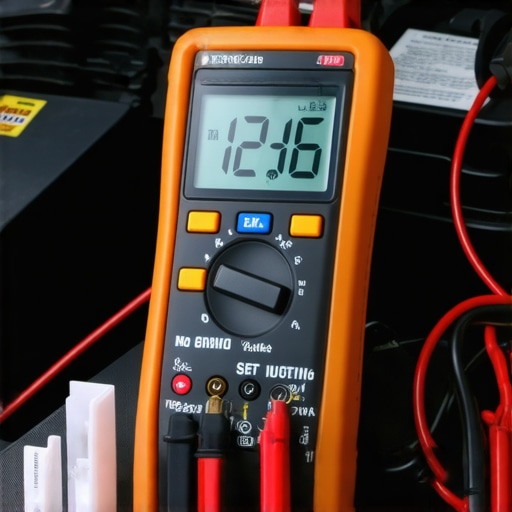
How do I maintain my car’s electrical health over time?
Maintenance isn’t just for oil and filters. You should maximize your car’s lifespan with regular tune-ups that include a thorough inspection of your wiring harnesses and grounds. According to Battery Council International (BCI) technical standards, lead-acid batteries can begin to sulfate—essentially hardening their internal plates—if they remain below a 12.4-volt charge for even a few weeks. To prevent this, I use a smart battery tender if I’m not planning to drive a specific vehicle for more than four days. This is especially critical before the seasons change, so make sure to follow essential car service tips for safe summer drives to avoid heat-related battery swelling.
The Future Is Higher Voltage
Looking forward, we are seeing a massive industry shift toward 48-volt architectures in mild hybrids and even standard combustion engines. This allows for thinner, lighter wiring and more powerful electric water pumps, but it also means the ‘old school’ methods of troubleshooting are evolving. The days of just ‘eyeballing’ a fuse are ending. In the future, every component will likely be networked, meaning a failure in your door lock could theoretically interfere with the signal to your starter. It sounds intimidating, but with the right diagnostic habits, you’ll stay ahead of the curve. Go grab a multimeter and check your resting battery voltage tonight—it takes two minutes and could prevent a $200 tow.
Lessons from the Most Expensive Click I Ever Heard
Over the years, I have learned that the car is a cruel teacher if you don’t pay attention. One of the biggest ‘lightbulb moments’ for me was realizing that a voltmeter alone is a liar. You can have a battery that shows a perfect 12.6 volts but fails the moment it meets a load. It’s like a marathon runner who looks great in a photo but collapses the second they have to run. Another hard lesson? Never trust a visual inspection of a ground wire. You have to diagnose a bad ground wire in minutes using a voltage drop test because internal resistance doesn’t always show as green crust on the outside. Finally, I’ve learned that the 5 fuse that acts like a dead alternator is far more common than a total system meltdown. Always start with the small, cheap parts first.
The Three Tools That Turn Guesses Into Fixes
I don’t leave my driveway without a few specific items that have saved me from thousands in diagnostic fees. First, a high-quality Digital Multimeter is non-negotiable. While the Fluke 115 is my gold standard for durability, any unit that can measure DC millivolts will work. Second, a dedicated battery load tester is the only way to know if your battery is truly healthy before a cold snap hits. This is a core part of essential car service tips for safe summer drives. Third, I highly recommend ‘Automotive Electrical Performance’ by Ken Layne. It’s the closest thing to a wizard’s spellbook for understanding how electrons move through your chassis.
Take the Power Back Into Your Own Hands
Dealing with a car that won’t start is a test of character, but it doesn’t have to be a financial disaster. When you understand how to separate a battery issue from a starter failure, you stop being a victim of the ‘parts cannon.’ By choosing to maximize your car’s lifespan with regular tune-ups and staying curious about how your electrical system functions, you’ll never feel that heart-sinking feeling again. You have the knowledge now; go out and use it. What was the one time your car refused to start at the worst possible moment? Let me know in the comments below!