
I’ll never forget the sinking feeling in my stomach when I turned the key in my driveway and heard nothing but a pathetic, metallic click. I had just bought that battery forty-eight hours prior, supposedly a top-tier brand, from a seller who seemed ‘reputable’ enough on a local marketplace. I thought I was being savvy, saving fifty bucks to put toward my next regular tune-up. Instead, I was stranded. That was my first encounter with a counterfeit battery, and it wasn’t just a waste of money—it was a safety hazard. I felt like a total amateur, but it taught me that the scammers are getting incredibly good at mimicking the big names. Today, I’m going to show you exactly how to look past a shiny new sticker and see a battery for what it actually is so you never have to call a tow truck for a ‘new’ part. [IMAGE_PLACEHOLDER]
Why a Cheap Battery Might Be Your Most Expensive Mistake
Counterfeit batteries are a massive, hidden plague in the automotive world. These ‘clones’ are often old, refurbished cores cleaned up with a fresh plastic shell or, even worse, undersized lead plates shoved into a standard-sized casing. When your dashboard lights dim when you idle, you might think it’s a fluke or a bad alternator, but often it’s the result of a battery that simply can’t handle the electrical load it claims to. According to the Federal Trade Commission, counterfeit auto parts cost the global industry over $12 billion annually and, more importantly, put drivers at risk of sudden electrical failure or even chemical fires. This isn’t just about getting cheated; it’s about making sure your essential car service doesn’t turn into a roadside emergency. I learned the hard way that saving a few dollars at the point of sale usually means paying double in repairs later.
Can a fake battery really damage my car’s electronics?
Absolutely. Modern cars are essentially rolling computers. When I installed that fake battery years ago, I didn’t just risk a no-start situation; I risked frying the sensitive modules that control everything from the fuel injection to the transmission. I once spent three weeks trying to figure out why your dash lights flicker when you use the turn signal, only to find out the ‘new’ battery had inconsistent voltage output that was confusing the car’s computer. Don’t make my mistake of prioritizing a low price over a verified source. Have you ever bought an auto part that seemed ‘too good to be true’ only to have it fail immediately?
Look for These Subtle Clues on the Casing
You have to be a bit of a detective to catch a professional-grade fake. Genuine manufacturers use high-quality heat-stamping for their date codes and serial numbers, whereas fakes often use cheap stickers or poorly printed ink that rubs off with a simple thumb swipe. Check the weight; if it feels suspiciously light when you pick it up, it probably lacks the lead density required for a long life. Even if you know how to clean battery terminals so they never corrode again, a battery that is junk on the inside will still leave you high and dry. We are going to dive into the physical markings that the scammers always get wrong.To start, treat the battery like a luxury watch. Counterfeiters focus on the look, but they rarely match the precision of a factory assembly line. Look at the printing quality on the side. Real manufacturers use thermal transfer printing that is practically etched into the plastic. I once tried to save a few bucks on a battery for a friend’s truck, and the logo felt slightly raised, almost like a vinyl decal. I gave it a firm rub with my thumb, and the corner of the ‘G’ in the brand name started to curl. If a logo can’t survive a thumb rub, it definitely won’t survive the engine bay heat during a regular tune-up.
Grab the Handle and Feel the Heft
Lead is expensive, and it is the first thing scammers cut to save money. A standard Group 24 battery should weigh between 34 and 45 pounds. Fakes often use thinner lead plates or even fill the bottom with plastic spacers, dropping the weight significantly. I’ve actually carried a small luggage scale into a discount shop before. The clerk looked at me like I was crazy until I showed him the ‘new’ battery was 10 pounds lighter than the spec sheet on the manufacturer’s website. Just like how transmission overhauls save you money in the long run by replacing worn parts with quality steel, a battery needs its full lead capacity to survive more than a few months of starts. 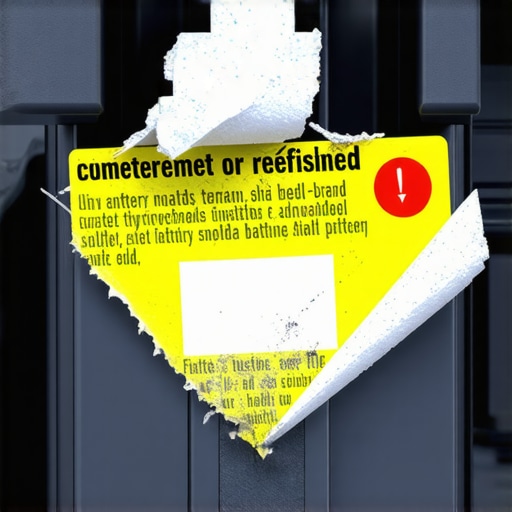
Check for Ghost Marks on the Terminals
Terminals should be pristine. If you see tiny circular scratches or indentations on the lead posts, that battery has been installed before. Scammers take cores from a charlotte junk car, scrub them with acid, and melt the top layer of lead to make it look smooth. But they often miss the base of the post. I once spent a whole afternoon diagnosing what I thought was a short circuit in your dash using a multimeter, only to realize the battery terminals were slightly undersized because they had been sanded down to hide previous wear. It was a refurbished unit sold as ‘Factory New.’
Why the Date Code Never Lies
Every real battery has a heat-stamped date code, usually a letter for the month and a number for the year. If you see a sticker covering where that stamp should be, walk away. A sticker can be changed; a heat stamp is permanent. It’s the same logic you use when you want to tell if your timing belt is about to snap—you look for physical evidence of age, not what the seller tells you. If the battery is supposed to be new but the casing has a fine layer of dust or ‘bloom’ on the plastic, it’s likely been sitting in a salvage yard far longer than the label suggests. When you see top signs your car needs expert auto repair now, don’t let a fake battery be the reason your diagnostic goes sideways. Use a simple multimeter to check the standing voltage; a truly new battery should sit at 12.6 volts. Anything less than 12.4 on a ‘new’ unit means it has been self-discharging on a shelf for months.
Don’t Trust the Multimeter Alone
Most DIYers think a reading of 12.6 volts means the battery is perfect. I used to think the same until I realized that voltage is just ‘potential’—it doesn’t tell you if the battery has the ‘muscle’ to actually turn the starter. This is called ‘surface charge,’ and it’s a common trap that even experienced enthusiasts fall into. You can have a battery that shows a perfect 12.6V on a basic meter but fails instantly under a load because the internal lead plates are heavily sulfated. According to the Battery Council International (BCI), sulfation is the primary cause of premature battery failure, occurring when a battery sits in even a slightly discharged state for too long. This is why a ‘new’ battery that has been sitting on a store shelf for a year is often already compromised, even if it looks pristine. 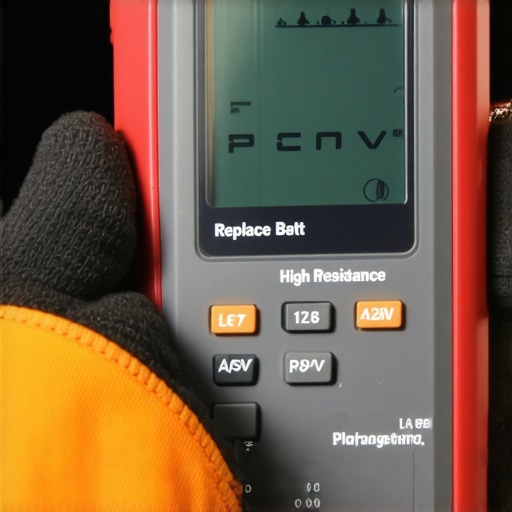
The Silent Killer of New Batteries
If your battery keeps dying and you’ve already verified it’s a genuine, high-quality unit, you might be dealing with the hidden drain that kills your battery overnight. People often blame the battery when the real culprit is a stuck relay or a control module that won’t go to sleep. I’ve seen cases where the 5 dollar fuse that acts like a dead alternator led someone to replace a perfectly good battery and an alternator before finding the real short circuit. It is a frustrating cycle that highlights why diagnostic depth matters more than just swapping parts.
How does internal resistance actually kill a ‘good’ battery?
As batteries age—or if they are cheap counterfeits built with inferior materials—internal resistance builds up. Think of it like a clogged water pipe. The ‘water’ (current) is present in the tank, but it simply can’t get out fast enough to satisfy the high-amperage demand of your starter motor. To catch this, you need to look at ‘Live Data’ using a professional scan tool to see how the system reacts in real-time. While learning how to read live data to find a misfire is an essential skill for engine health, the same tools can show you the exact voltage drops during the cranking cycle that a standard multimeter is too slow to capture.
The Programming Mistake That Fries New Units
Here is the ‘oops’ factor most people miss: on many modern vehicles, you can’t just ‘swap’ a battery and walk away. Cars from manufacturers like BMW, Audi, and Ford require you to ‘register’ or ‘relearn’ the battery with the ECU. This is now a standard part of a regular tune-up for smart-charging systems. If you skip this step, the alternator will continue to overcharge the new battery at the high rate it used for the old, failing one. This effectively ‘cooks’ your brand-new investment from the inside out within months. These are the top signs your car needs expert auto repair now rather than a simple driveway fix. Have you ever fallen into this trap where a ‘new’ part failed you within a month? Let me know in the comments.
My Go-To Gear for Stopping Electrical Gremlins
After years of getting stranded and chasing phantom shorts, I stopped relying on a cheap five-dollar multimeter from the bargain bin. If you want to actually verify a battery’s health, you need a dedicated digital load tester like the Solar BA9. This little handheld device doesn’t just check voltage; it sends a small electrical pulse through the plates to measure internal resistance and Cold Cranking Amps (CCA). I’ve seen brand-new batteries that claimed 800 CCA on the sticker only pump out 450 on the tester. That’s a red flag that it’s either a fake or has been sitting on a shelf so long the plates are sulfated. Having the right diagnostic gear is just as vital as knowing maximize your cars lifespan with regular tune ups. Without it, you are just guessing. When I pull that tool out, I’m looking for more than just a green light; I’m looking at the health percentage. If a ‘new’ battery is at 85% health, I send it back.
Why Your Smart Charging System is Killing Your Battery
Modern cars use variable voltage charging to save fuel, but this actually puts a massive strain on the lead-acid plates. I remember a case where a client thought they were dealing with the reason your car dies when you turn the steering wheel, but the real issue was a battery that had lost its ability to stabilize the alternator’s output. According to technical documentation from Yuasa, even a 10% increase in average operating temperature can halve the service life of a battery. This is why I always check the thermal wrapping around the casing during an essential car service. If that heat shield is missing or torn, your engine bay heat will cook the electrolytes, leading to early failure. 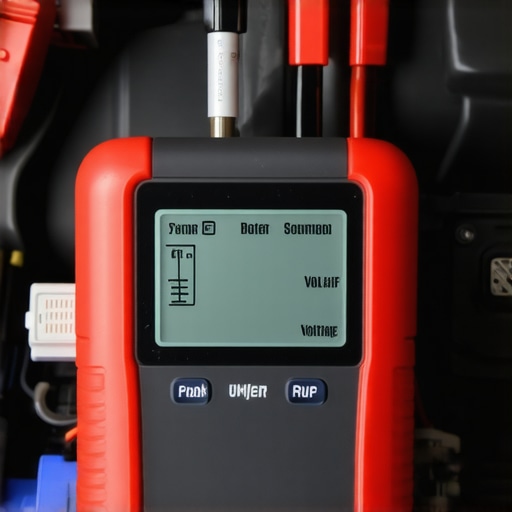
How do I maintain my car’s electrical health over time?
The secret isn’t just buying a good battery; it’s making sure the connection stays perfect. I make it a habit to apply a thin layer of dielectric grease after I how to clean battery terminals so they never corrode again. This prevents the white, crusty acid buildup that causes high resistance. Also, if you don’t drive your car every day, invest in a ‘smart’ trickle charger. These units use a microprocessor to ‘desulfate’ the plates by sending high-frequency pulses, which can actually revive a battery that’s starting to sluggishly crank. This level of care is similar to how how transmission overhauls save you money in the long run by catching minor wear before it turns into a metal-on-metal disaster.
The Future of Your Engine Bay
Looking ahead, I predict we will see more vehicles moving toward 48-volt systems and Lithium-Ion starter batteries as standard. This will make the ‘fake battery’ market even more dangerous, as the electronics involved will be far more sensitive. For now, your best defense is a paper trail and a load tester. If you see top signs your car needs expert auto repair now, don’t just throw a part at it. Get your hands on a Solar BA9 or a similar digital tester this weekend and check every car in your driveway—you might be surprised to find one that is barely holding on. Try testing your battery both when the engine is stone-cold and right after a long drive to see how heat affects your specific unit’s performance.
The Brutal Realities I Learned After My Third Battery Failure
After being burned more than once, I realized that the price tag is the least important part of the transaction. The first thing I learned is that a warranty is not a guarantee of quality—it is just a promise of a refund. I’d rather have a battery that lasts five years than a free replacement for a unit that dies every six months and leaves me stranded. Secondly, I learned that ‘freshness’ is everything. A battery that has sat in a hot warehouse for a year is already half-dead before you even buy it. This is why I always check the date code before the clerk even rings me up. Finally, trust your hands more than the label; if the plastic feels flimsy or the unit feels light, it is a sign of cost-cutting that will eventually lead to top signs your car needs expert auto repair now.
My Personal Kit for Electrical Peace of Mind
If you want to stop guessing, you need a few specific items in your garage. I personally never travel without my digital load tester, as it’s the only way to see past a ‘fake’ surface charge. I also highly recommend keeping a small tube of dielectric grease on hand; applying this simple barrier every time you perform an essential car service will stop corrosion before it can choke your starter’s power. Lastly, for those who have a second car or a weekend driver, a microprocessor-controlled smart charger is the best $50 you will ever spend. It keeps the chemistry active and prevents the sulfation that kills lead-acid plates prematurely. [IMAGE_PLACEHOLDER]
Own Your Vehicle’s Electrical Health
Don’t let the complexity of modern cars intimidate you. Once you know the signs of a counterfeit and how to verify a unit’s health, you are no longer at the mercy of shady marketplace sellers or discount bins. Taking these small steps to maximize your cars lifespan with regular tune ups ensures that your vehicle remains a reliable tool rather than a source of stress. If you’ve followed these steps and your car still won’t hold a charge, it might be time to get in touch with a professional to hunt down a deeper parasitic drain. Have you ever suspected a brand-new part was actually a refurbished fake? Let me know your story in the comments below!