
It was nearly midnight when I looked out the kitchen window and saw that haunting crimson glow reflecting off the driveway pavement. My car was off, the keys were in my pocket, yet the brake lights were shining as bright as if I were standing on the pedal at a red light. I felt that immediate sink in my stomach—panic. I envisioned a fried computer, a melted wire harness, or a massive bill for an expert auto repair that I simply hadn’t budgeted for. I’ve been there, and I know exactly how frustrating it is to stand in your pajamas with a flashlight, wondering if your car will even start in the morning. This isn’t just a minor glitch; it is a looming tow truck bill in the making.
Stop the Battery Drain Before the Morning Commute
The truth is, this is one of those ‘helpful neighbor’ moments where I can tell you that it’s probably not a total disaster. Most people assume their car has developed a mind of its own, but usually, it is just a tiny piece of plastic that has given up the ghost. In my early days of wrenching, I once spent three hours tracing wires under the dash of an old sedan, convinced I had a rodent problem or a harness failure. I felt like a genius until my neighbor walked over, reached under the pedal, and showed me the shattered remains of a $2 plastic ‘stop lamp bumper’ on the floor mat. I had over-complicated a simple fix and wasted an entire afternoon, and that is a mistake I don’t want you to repeat. This problem matters right now because those lights are pulling a constant, heavy current. Data from the National Highway Traffic Safety Administration (NHTSA) often highlights that even minor electrical glitches in the stop-lamp circuit can lead to significant safety recalls because they are vital for preventing rear-end collisions. If you leave those lights on, you won’t just have to worry about the hidden drain that kills your battery overnight; you could potentially heat up the bulb housings or damage the electrical sockets. We are going to walk through how to identify the culprit so you don’t end up paying for a transmission overhaul when all you needed was a two-dollar part.
Is a DIY fix actually safe for my brakes?
I get it. Brakes are the most important safety feature on your car, and messing with them feels risky. You are likely wondering if tweaking the switch will cause your brakes to fail while you are flying down the highway. That fear is exactly why I hesitated the first time I saw this. But here is the reality: the mechanical part of your brakes—the pads, the rotors, and the hydraulic fluid—is completely separate from the electrical switch that triggers the lights. Fixing the light issue won’t stop your car from braking, but leaving it broken means the driver behind you won’t know when you are slowing down. Have you ever walked out to your car and found the lights on, or has your battery already paid the price for this glitch? If you are worried about other weird electrical gremlins, like dashboard lights dimming when you idle, you are starting to see how everything in your car’s electrical system is connected. For now, let’s focus on getting those stubborn red lights to turn off so you can sleep easy.
Find the Switch Hiding Above Your Toes
To solve this, you need to crawl into the footwell with a flashlight. Look at the top of your brake pedal arm. You will see a small, plunger-style switch mounted to a bracket. Think of this switch like the button inside your refrigerator; when the door is closed (or the pedal is up), it holds the button down and keeps the light off. When you press the pedal, the arm moves away, the plunger pops out, and the lights scream stop to everyone behind you. Often, the reason those lights stay on is that a tiny plastic disc, called a stop lamp bumper, has shattered and fallen out. Without that disc, the plunger just pokes through a hole in the pedal arm and never gets pushed in. I remember helping a friend whose car was stuck in the driveway because it was also the 20 dollar part that fixes a car that wont shift out of park; that same switch controls your gear shifter lockout. If that plunger isn’t being depressed, your car thinks you aren’t touching the brakes, which creates a safety nightmare. 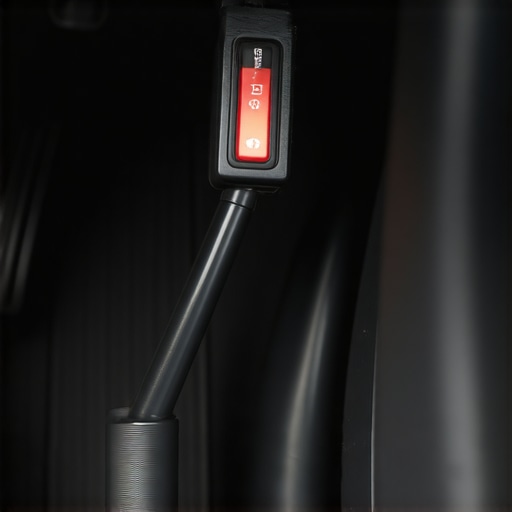
The Penny Trick for Midnight Emergencies
If you find that your plastic bumper is missing and you are miles from a parts store, don’t panic. I once found myself at a rest stop at 2 AM with this exact problem. My solution? I grabbed a penny from the center console and some duct tape. I taped the penny over the hole in the brake pedal arm so it would act as a temporary surface to push the switch plunger back in. It worked perfectly and saved me from having to how to clean battery terminals so they never corrode again after a total jumpstart-induced mess. While this is a ‘get home’ fix, it proves that you don’t always need a mechanic for a regular tune up or minor electrical glitches.
Diagnosing a Truly Dead Switch
If the plastic bumper is intact but the lights are still burning bright, the switch itself has likely suffered an internal failure. The contacts inside can weld themselves together over years of use, keeping the circuit closed permanently. You can test this by simply unplugging the wiring harness from the back of the switch. If the lights go out the moment you unplug it, you have found your culprit. If the lights stay on even after the switch is disconnected, you are dealing with a much deeper electrical issue, like a harness rub-through or a short to power. In those rare cases, you might need the 15 tool to find a short circuit in your dash to trace the wiring. Replacing the switch is usually a matter of twisting it a quarter-turn counter-clockwise and pulling it out of the bracket, then threading the new one in until it just touches the pedal arm. It is a simple mechanical adjustment that ensures your safety system functions exactly as the engineers intended.Now that you know where the switch lives, we need to talk about why most people—and even some junior mechanics—get this repair completely wrong. There is a common myth that every electrical gremlin in a modern vehicle requires a complex computer scan or an expensive expert auto repair. I’ve seen enthusiasts spend hundreds on diagnostic fees only to be told their ‘brake signal sensor’ is failing. Here is the truth: it is almost never the computer. It is a physical, mechanical mismatch between the switch and the pedal. While the ‘parts cannon’ approach of throwing new components at the car is tempting, you can often fix this with a simple adjustment rather than a replacement. Don’t let a shop convince you that you need a total regular tune up for your electrical system when the plunger just needs a half-turn of the wrist.
The Adjustment Trap That Destroys Brake Pads
One of the biggest mistakes I see DIYers make is threading the new switch in too deep. It feels logical—you want to make sure the pedal hits the button, right? But if you over-tighten that switch into the bracket, you are actually preventing the brake pedal from returning to its full ‘zero’ position. This creates a terrifying hidden problem: your brakes stay slightly engaged while you drive. You might notice why your car feels like its dragging an anchor or notice a sharp drop in fuel economy. Even worse, the friction will glaze your pads and warp your rotors. The ‘oops’ factor here is massive. You went in to save a battery and ended up needing a full brake job. Always leave a hair of clearance—about the thickness of a business card—between the switch body and the pedal arm. 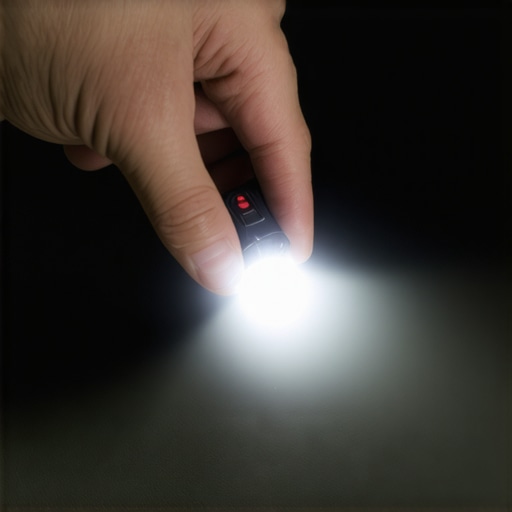
Why does my car refuse to shift when the brake lights act up?
This is the advanced nuance that separates the pros from the amateurs. In modern automatics, the brake light switch is tied directly to the shift interlock solenoid. If the switch is stuck ‘on’ or ‘off,’ your car’s brain gets confused and locks the shifter in Park to prevent you from driving a car with no signaling. I once worked on a sedan where the owner was convinced they needed how transmission overhauls save you money in the long run because the car wouldn’t move. In reality, it was the 20 dollar part that fixes a car that wont shift out of park—the very same switch we are talking about. According to the National Institute for Automotive Service Excellence (ASE), electrical-mechanical interface points like these are the most common source of ‘ghost’ transmission issues. If you can’t get out of Park and your brake lights are staying on, you’ve found your culprit.
Avoid the Over-Correction Headache
Before you go tearing out the dashboard, remember that less is more. If you’ve already tried to clean battery terminals so they never corrode again to stop the drain, your next step should always be the physical alignment of that switch. It’s about precision, not power. Most people think they need a complex essential car service, but a flashlight and a pair of pliers are your best friends here. Have you ever fallen into the trap of over-tightening a part only to create a second problem? Let me know in the comments below if you’ve ever dealt with a ‘simple’ fix that turned into a weekend-long project. It happens to the best of us, but staying analytical keeps those repair bills small.
Grab a Multimeter Instead of Guessing
The biggest difference between a frustrated owner and a confident DIYer is the tools in their trunk. While the penny trick is great for an emergency, you need to verify the health of your electrical system to avoid an unexpected expert auto repair visit. I personally swear by a basic digital multimeter. You don’t need a three-hundred-dollar unit; even a budget-friendly model allows you to check for continuity across the switch pins. According to the Robert Bosch GmbH Automotive Handbook, even a small amount of contact resistance—as little as 1 ohm—can be enough to signal a ‘fault’ to the body control module, even if the lights appear to be working. If you find high resistance, a quick spray of specialized electronic contact cleaner can often dissolve the oxidation and save you from buying a new part entirely. Knowing how to read live data to find a misfire or an electrical fault is a skill that pays for itself the very first time you skip the diagnostic fee at a dealership.
How can I keep my car’s electrical signals from failing again?
Long-term reliability is about being proactive before the crimson glow returns to your driveway. Once a year, when you are doing a regular tune up, take sixty seconds to reach under the dash and feel that plastic stopper. If it feels brittle or shows deep indentations from the switch plunger, replace it before it shatters. This is the same logic I use when I how to test for a clogged radiator without taking it apart; you look for the small signs of degradation before they become a total system failure. Keeping these contact points clean and the mechanical interfaces adjusted ensures that your essential car service routine actually protects your wallet. 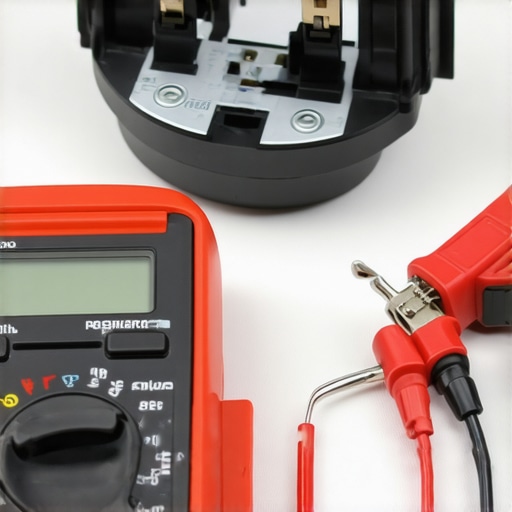
Will mechanical switches disappear from cars soon?
The industry is rapidly shifting away from these simple physical plungers. As we move toward more autonomous features and drive-by-wire systems, most manufacturers are adopting Hall-effect sensors. These are non-contact magnetic sensors that don’t have parts to wear out or plastic bumpers to shatter. While this sounds like a win for reliability, it means that when they do fail, they require specialized calibration tools rather than a penny and some tape. For now, enjoy the simplicity of your current car. If you notice your dashboard lights dim when you idle or other strange electrical behavior, it is a signal to check your grounding points and switch integrity immediately. My advice? Go out to your car right now, press the brake pedal with your hand, and feel for that ‘click’ from the switch. If it feels mushy or delayed, you’ve caught a problem before it caught you.
Hard Lessons from the Garage Floor: What a $2 Plastic Part Taught Me
After years of working on vehicles, I have learned that the most terrifying symptoms often have the most humble causes. I once watched a friend almost sell his car because he thought the wiring was ‘haunted,’ only to find out he just needed a two-dollar plastic bumper. The first thing I always tell people now is to stop assuming the worst. If your lights are staying on, it is rarely a sign you need a total expert auto repair session; it is usually a physical mismatch. Secondly, your phone’s camera is your best diagnostic tool—record the pedal movement to see exactly where the gap is. Finally, remember that your car’s brain is logical, not emotional. If it’s keeping the lights on, it’s because a circuit isn’t being broken. Don’t let the stress of a glowing driveway prevent you from performing a five-minute inspection that could save your battery from a slow death.
My Go-To Toolkit for Taming Electrical Gremlins
When I’m dealing with stubborn lighting issues or trying to figure out why your car beeps when there is no warning light, I rely on a few specific resources. First, a simple digital multimeter is non-negotiable for verifying if a switch has internal continuity. Second, I highly recommend keeping a set of plastic trim pry tools in your trunk; they make reaching those tight spots under the dash much easier without scratching your interior. For parts, I always check the official NHTSA recall database first to see if my specific electrical issue is part of a wider safety trend. These tools, combined with a regular tune up mindset, will keep you from ever feeling helpless when a dashboard light acts up.
Stop Worrying and Start Wrenching
You don’t need to be a master technician to handle a brake light that won’t quit. By taking these small steps yourself, you are building the confidence needed for more complex tasks, like learning how to fix a loose side mirror in five minutes or managing your own essential car service routine. The satisfaction of seeing those red lights finally go dark because of your own handiwork is a feeling every car owner should experience. Your car is a machine, and machines can be mastered. Have you ever found yourself in the driveway at midnight staring at those glowing brake lights? Let me know your most creative ’emergency fix’ stories in the comments below!