I’ll never forget the sinking feeling in my stomach as I watched the temperature needle on my old truck sweep past the halfway mark while stuck in a Tuesday afternoon traffic jam. It felt like my engine was breathing fire. I ended up pulling over, panicking, and calling a tow truck for a problem I could have identified right there in the parking lot. Back then, I assumed that if the fan was spinning, it was working. I made the classic rookie mistake of throwing a brand new thermostat at the problem first, only to realize why your AC blows warm air while sitting in traffic is often just a symptom of poor airflow, not a broken cooling system itself. Today, I’m going to save you that headache and the wasted cash by showing you exactly how to spot a dying fan clutch without even getting your hands greasy. [IMAGE_PLACEHOLDER]
The Moment My Temperature Gauge Became My Worst Enemy
It’s a common story: your car runs fine on the highway, but the second you slow down, things start to get sweaty under the hood. That’s usually the first sign your fan clutch is losing its grip. This little component is responsible for engaging the fan when the engine gets hot, but it’s a wear item that eventually leaks its internal silicone fluid. When that happens, the fan just freewheels, doing absolutely nothing to cool your radiator. I’ve seen folks spend hundreds on a regular tune up or even a water pump replacement when the real villain was just a $40 clutch. According to technical data from Haynes Manuals, a fan clutch should offer significant resistance when the engine is hot; if it spins freely like a bicycle wheel when you push it with the engine off, it is likely toast.
Is this “newspaper test” actually safe for my car?
I know what you’re thinking—sticking something into a spinning fan sounds like a great way to lose a finger or break a blade. You’re right to be skeptical. There is a lot of bad advice out there that can lead to a trip for expert auto repair. However, when done correctly with a rolled-up newspaper, this test is the gold standard for mechanics. If the fan has the torque it’s supposed to have, it will shred that paper easily. If it stops with the slightest touch, you’ve found your culprit. Have you ever noticed your car getting hotter only when you’re idling at a red light? Drop a comment and let me know, because that’s the smoking gun we’re looking for.
Stop Guessing and Start Testing Your Cooling System
Before you go out and buy the 10 dollar tool that saves your engine from overheating, you need to know what a healthy fan sounds and feels like. A good clutch should roar a bit when you first start the car cold, then quiet down. If your car sounds like a jet engine all the time, or if it stays silent even when the needle is climbing, something is wrong. I once ignored a high-pitched whistle under my hood that turned out to be the bearing in the clutch assembly finally giving up the ghost. Learning this simple test isn’t just about saving money; it’s about the peace of mind that comes with knowing your engine isn’t going to melt down on the way to work.
Search for the Tell-Tale Silicone Leak
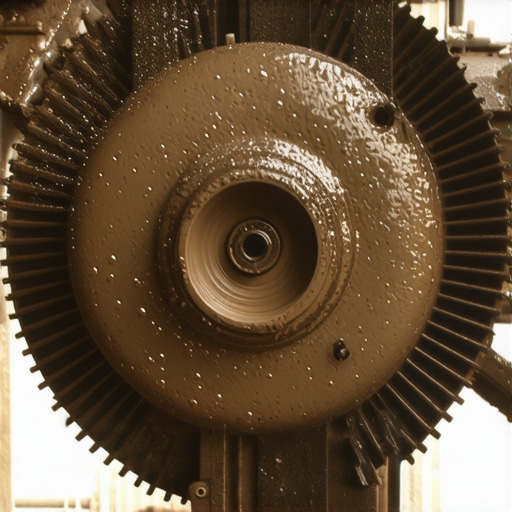
The first thing you want to do is grab a flashlight. A fan clutch is essentially a fluid-driven hub. Inside, there’s a heavy silicone oil that thickens as it gets hot, which is what forces the fan to spin faster. If you see oily, dirt-caked grime radiating out from the center of the fan, that’s your smoking gun. It’s like a slow puncture in a tire—once that fluid is gone, the clutch can’t ‘grip’ the air anymore. This is a far more common issue than a total transmission overhaul or a cracked engine block. If it’s oily, it’s done.
Give it the ‘One-Finger’ Spin
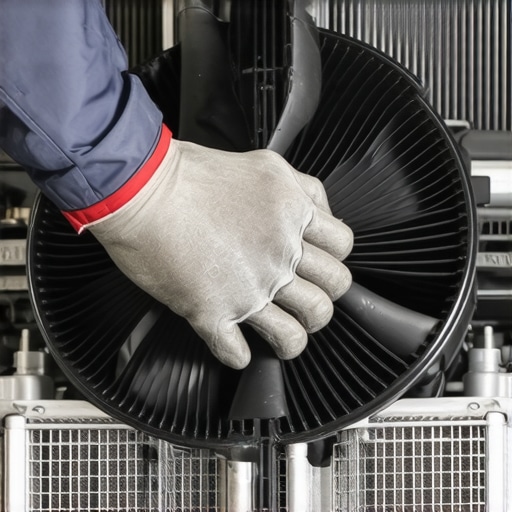
With the engine cold and off—I repeat, OFF—reach in and give the fan a flick. It should feel like you’re trying to spin a spoon through a jar of thick honey. If it spins freely and keeps going for more than a revolution or two, the internal clutch is definitely worn out. On the flip side, if it’s seized and won’t move at all, your fan is permanently locked. That might keep you cool, but it’ll suck your fuel economy dry and cause a high-pitched whistle under your hood that sounds like a jet engine taking off. There should be a smooth, consistent drag as you rotate the blades by hand.
Listen for the Morning Roar
When you first start your car in the morning, a healthy mechanical fan clutch should ‘engage’ for about 30 seconds. You’ll hear a distinct, powerful rushing of air from the front of the vehicle. It sounds like the engine is taking a deep, heavy breath. Then, as the internal silicone fluid redistributes itself, the noise should quickly fade away to a quiet hum. If you never hear that initial roar, or if your car sounds like a leaf blower at every stoplight regardless of temperature, you are likely dealing with a failure. Neglecting this simple auditory check is one of the top signs your car needs expert auto repair now before you warp a cylinder head or pop a head gasket.
Grab a Newspaper for the Ultimate Torque Test
This is the method that separates the seasoned DIYers from the ‘parts changers.’ Get the engine up to operating temperature—meaning the needle is in the middle of the gauge—and carefully use a rolled-up newspaper. You aren’t trying to jam the paper into the blades; you are lightly dragging it against the outer edge of the spinning fan. I remember trying this on a neighbor’s truck that was running hot. The fan stopped instantly with the tiniest bit of paper pressure. It was spinning, sure, but it had zero torque. It was basically just a decorative propeller at that point. If the fan shreds the paper, your clutch is strong. If the paper stops the fan, you’ve found exactly why your AC blows warm air while sitting in traffic.
Don’t Misdiagnose a Simple Airflow Problem
Before you assume you need an expert coolant pressure test, make sure you aren’t just fighting a physical lack of airflow. Sometimes the fan clutch is perfectly healthy, but the radiator fins are packed with dead bugs, road salt, or debris. I once spent an hour diagnosing a fan clutch only to realize a plastic grocery bag had been sucked up against the front of the AC condenser, blocking every bit of wind. Always check the physical path of the air before you condemn the part. Keeping these cooling components in check is just as vital as a regular tune up for your engine’s long-term survival.
The biggest lie you’ll hear at the parts counter is that ‘it’s probably just the thermostat.’ It’s the default answer because it’s a cheap part that’s easy to sell. But in my years of turning wrenches, I’ve found that why your engine temperature fluctuates while driving is almost never a stuck valve—it’s usually a failure of airflow management. Most DIYers fall into the trap of ‘parts-cannon’ diagnostics, where they fire new components at a car without a strategy. If you haven’t verified the fan clutch torque using the steps I just gave you, you’re essentially gambling with your wallet. I’ve seen enthusiasts replace three water pumps in a row before realizing the fan was simply free-wheeling when it got hot.
Why is my truck still hot even after I replaced the clutch?
This is where we get into the advanced level of cooling diagnostics. Sometimes, a brand-new clutch fails to engage because the radiator itself is internally restricted. If the center of the radiator is cold to the touch (please, use a thermometer, not your hands!) while the inlet tanks are scorching, the thermal coil on the front of the fan clutch will never ‘see’ the heat it needs to engage the internal valve. You can learn how to test for a clogged radiator without taking it apart by checking for these cold spots. According to technical data from SAE International (specifically Paper J638), cooling efficiency can drop by as much as 40% if the fan shroud is missing or cracked. That plastic shroud isn’t just a finger guard; it’s a high-performance duct. Without it, the fan just pulls air from the hot engine bay instead of through the radiator core.

The Fatal Mistake That Actually Melts Engines
One of the most dangerous mistakes I see in the car community is people bypassing a bad fan clutch by ‘bolting it solid.’ They think making the fan spin at 100% speed all the time is a clever hack to keep the needle down. It’s not. Beyond the massive hit to your fuel economy, the constant high-RPM centrifugal force can cause plastic fan blades to fatigue and eventually shatter. I’ve seen a fan blade exit a hood like a piece of shrapnel because someone tried to outsmart the factory engineers. This is why a regular tune up should always include a visual inspection of the fan blades for tiny stress cracks near the hub.
Stop Ignoring the Warning Signs Before They Turn Expensive
If your AC blows warm air while sitting in traffic, your car is sending you a distress signal. Don’t wait until you’re stranded on the shoulder of the highway with steam pouring out of the grille. Recognizing the top signs your car needs expert auto repair now can be the difference between a cheap clutch swap and a $4,000 engine rebuild. Have you ever spent a whole weekend replacing parts only to find out it was a five-dollar fix all along? Drop a comment below and share your story—we’ve all been there at least once.
The One Tool That Actually Tells the Truth
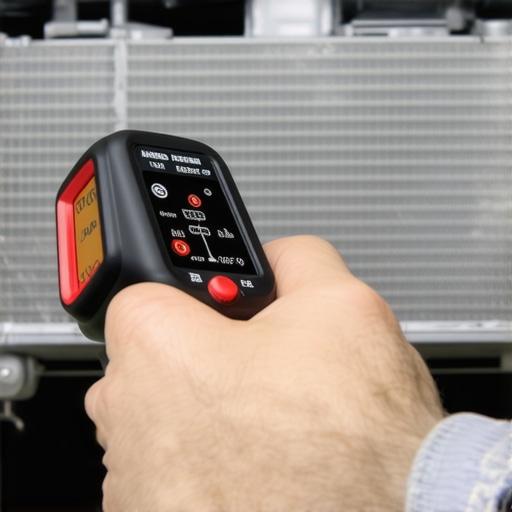
I’m a big believer in data over guesswork. If you’re serious about your car’s long-term health, you need a high-quality infrared (IR) thermometer. I personally carry a Fluke 62 Max in my toolbox because it’s rugged enough to survive being dropped on a concrete floor and accurate enough to tell me exactly where a radiator is clogged. By scanning the radiator core while the engine is running, you can see if the heat is distributed evenly. If the center of the radiator is significantly cooler than the inlet, the fan clutch won’t get the thermal signal it needs to engage. It’s a level of precision you just can’t get from looking at a dashboard needle, and it’s one of my most essential car service tips for safe summer drives. This tool prevents you from replacing a perfectly good clutch when the radiator is the real problem.
Beyond physical tools, I recommend learning how to read live data to find a misfire or cooling anomalies using a basic OBD2 scanner. Seeing the actual coolant temperature in degrees rather than just a ‘cold-to-hot’ gauge can reveal a fan clutch that is starting to slip long before the ‘check engine’ light flashes. According to technical bulletins from Gates Corporation, nearly 40% of all engine-related failures can be traced back to cooling system neglect. By the time you see steam, the damage to your head gasket or cylinder heads might already be done.
Why Your Next Car Won’t Have a Fan Clutch
We are currently seeing a massive shift in the industry. The heavy, viscous fan clutches I’ve spent today talking about are rapidly becoming relics. Most modern performance vehicles are moving toward brushless electric fans controlled by Pulse Width Modulation (PWM). These systems are far more efficient because they only draw power when needed and allow the car’s computer to precisely manage airflow based on vehicle speed and engine load. However, until we all trade in our classic trucks and older SUVs, mastering the nuances of the mechanical clutch is the only way to avoid the top signs your car needs expert auto repair now.
How do I keep my cooling system healthy for the long haul?
Maintenance isn’t just about replacing parts when they break; it’s about preventing the chemical breakdown that leads to failure. Over time, coolant loses its pH balance and becomes acidic, which eats away at the internal seals of your fan clutch and water pump. I recommend a full cooling system flush every three years or 50,000 miles. This simple act of regular tune up maintenance keeps the internal valves of the clutch free from debris. Additionally, keep an eye on your belt tensioner. A slipping belt can mimic a failing fan clutch by not providing enough speed to the hub, leading to mysterious overheating issues that can eventually cost as much as how transmission overhauls save you money in the long run by preventing total engine destruction. My best advice? Go grab a $20 infrared thermometer today and map your radiator’s heat signature while it’s healthy, so you’ll know exactly what ‘wrong’ looks like later.
Hard Lessons from My Most Expensive Cooling Mistakes
Over the years, I’ve learned that the cooling system is the most misunderstood part of any auto repair strategy. First, never assume that visual movement equals performance. A fan can spin at 500 RPM and look perfectly fine to the naked eye, but if it needs to be at 2,000 RPM to pull heat, you’re still going to overheat and stress your engine. Second, I’ve learned that the plastic shroud around your fan is not optional. Removing it is a one-way ticket to a warped head because it ruins the pressure differential needed for airflow. Finally, if you find yourself constantly adding water, stop. You need to perform a hidden coolant leak test immediately before the chemical imbalance ruins your new clutch and water pump seals.
My Essential Gear for Keeping a Cool Engine
You don’t need a professional shop to get professional results, but you do need the right data. I always keep a Haynes Manual specific to my vehicle’s year and model because their torque specs are more reliable than forum hearsay. For hardware, I never start a summer trip without checking my belt tension; it’s one of the most essential car service tips for safe summer drives. I also swear by using a dedicated infrared thermometer to check radiator health. If you see more than a 20-degree difference across the core, your fan clutch isn’t the problem—your radiator is internally blocked. Lastly, keeping a basic OBD2 scanner helps me monitor live data so I can see exactly why your engine temperature fluctuates while driving before the dashboard needle even moves.
Keep Your Cool on the Open Road
Taking the time to master these simple tests puts you miles ahead of the average driver and protects your wallet from unnecessary expenses like how transmission overhauls save you money in the long run by preventing heat soak into the transmission cooler. You now have the knowledge to distinguish between a minor airflow tweak and the top signs your car needs expert auto repair now. Don’t let a $50 part turn into a $5,000 engine replacement. Consistent maintenance and a regular tune up are your best defenses against the heat of summer. Remember, your car talks to you through sounds and smells; you just have to be willing to listen. Now that you know the newspaper trick, you can finally solve why your AC blows warm air while sitting in traffic for good. Have you ever been told you needed a whole new radiator when it was just a simple fan issue? Let me know your experience in the comments below!