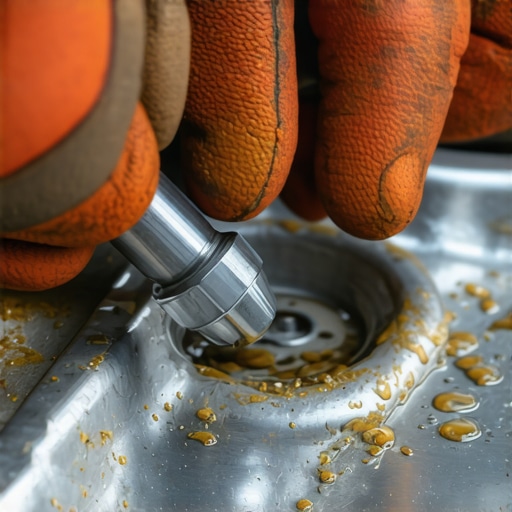
There I was, lying on a cold concrete garage floor, oil-stained hands and a heart that just sank into my stomach. I was finishing up a routine Sunday oil change when it happened. I felt that dreaded give. One second the bolt was snug, the next, it was spinning freely like a carousel. I had stripped the oil pan drain plug threads. My mind immediately raced to the cost of a brand-new oil pan and the hours of labor I’d have to endure. It’s a mistake many of us make when we’re trying to save a buck on expert auto repair, and trust me, the panic is real. But today, I am going to show you that you do not have to tow your car to the dealer or drop five hundred dollars on a new pan just yet.
That Sickening Spin and Why Your DIY Oil Change Went Wrong
I learned the hard way that aluminum oil pans are incredibly unforgiving. Years ago, I thought tight was tight, but I did not realize that over-torquing is just as dangerous as leaving a bolt loose. I used a long-handled ratchet on a small drain bolt and effectively shredded the soft aluminum threads. If you find yourself in this boat, do not rush to buy a whole new assembly. Sometimes, a simple fifteen dollar gasket or a specialized oversized plug can save the day. This isn’t just about a messy driveway; it’s about preventing a total engine failure if that plug falls out on the highway. We are going to walk through the permanent fixes that actually hold up during regular tune-ups and high-speed drives.
Is a stripped drain plug really the end of your oil pan?
Most big-box shops will tell you it is a goner. They will quote you for a full replacement because it is the safest—and most profitable—route for them. However, unless you have actually cracked the metal housing of the pan, there are reliable ways to re-thread or use an oversized self-tapping plug that works perfectly for the life of the vehicle. According to technical standards from the Society of Automotive Engineers (SAE), even damaged threads in aluminum can often be restored to a high percentage of their original holding power using steel thread inserts. It is a much more surgical approach than just ripping the whole pan off. Have you ever felt that terrifying moment when the wrench just keeps turning instead of tightening? It is a gut punch, but we can fix it together.
Decide if Your Pan is Actually Trash Before Buying Parts
Before you start ordering tools, wipe away the mess and look closely at the hole. If the metal around the drain port is cracked or spider-webbed, no plug in the world will save it; that is when you need a full replacement. But 90% of the time, the aluminum threads have just pulled out like a coiled spring, leaving the hole slightly larger but structurally sound. This is exactly why most Libertyville shops misdiagnose a simple oil pan leak as a major repair—they see the silver shavings and immediately quote a thousand-dollar job. If the housing is intact, we are going to use the ‘metal-on-metal’ reality to our advantage. Think of it like a stripped screw in a piece of wood; you either need a bigger screw or a way to rebuild the hole.
Cut New Paths with a Self-Tapping Oversized Plug
The most common DIY fix is the oversized self-tapping plug. These bolts are slightly tapered and have a groove cut into the threads that acts like a drill bit. As you wrench it in, it carves a fresh, larger path into the soft aluminum. I remember working on an old 2004 Civic where the previous owner had used a literal impact wrench on the drain plug. The hole was smooth as a whistle. I greased up an oversized plug—the grease catches the metal chips so they do not end up in your oil pump—and slowly cranked it in. The resistance was terrifying, but once it bottomed out, that seal was tighter than the factory original. 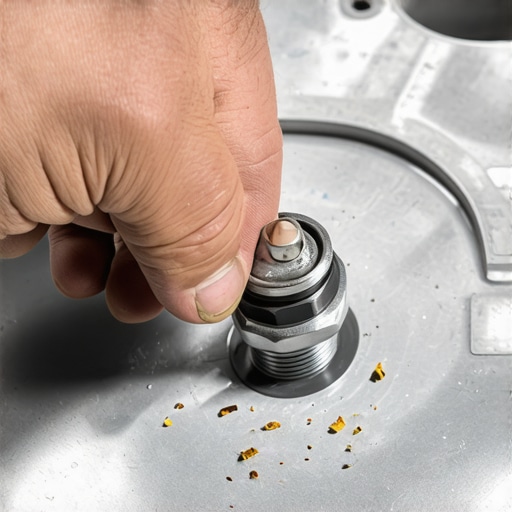
Surgical Thread Restoration for a Permanent Fix
If you want a repair that is actually stronger than the original factory setup, you need a thread insert like a Time-Sert or a Heli-Coil. This is not just a ‘band-aid’ fix; it is an upgrade. You are essentially installing a steel sleeve into the aluminum pan. Steel is much harder than aluminum, meaning you will likely never strip these threads again during essential car service tips for safe summer drives. This process requires a bit more nerve because you have to intentionally drill the hole even larger before tapping it for the insert. It is like putting a dental crown on a tooth—you remove the rot to provide a foundation for something indestructible.
Flush Out the Metal Shavings Before Starting Your Engine
Regardless of which method you choose, your biggest enemy is the tiny silver glitter now sitting at the bottom of your pan. These shavings are engine killers. Once I finished tapping new threads on that Civic, I did not just put the plug in and walk away. I poured a quart of cheap, fresh oil through the filler neck with the drain plug still out. Watching those silver flakes wash out into the drain pan is the only way to sleep at night. It is a small price to pay compared to the cost of a new motor. Using a the 10 dollar tool that saves your engine from overheating—a simple magnetic pick-up tool—can also help fish out any stray fragments that the oil flush missed. Make sure you also replace the 15 dollar gasket with a fresh crush washer to ensure that even with your new threads, the interface is liquid-tight.Most people think that if a plug is leaking, you should just keep tightening it until the drip stops. This is the fastest way to turn a minor nuisance into a catastrophic failure. In my years under the lift, I’ve seen more pans destroyed by ‘one more turn’ than by actual road debris. The real secret lies in the crush washer, not the torque of the bolt. If you are struggling with a persistent drip even after a maximize your cars lifespan with regular tune ups, the issue is likely a hardened washer that has lost its elasticity, not a loose plug.
Stop Trusting the ‘Gut Tight’ Method for Your Drain Plug
There is a dangerous myth that you can feel when a bolt is ‘just right.’ While experienced mechanics develop a literal feel for it, DIYers often over-tighten by 30-50% because they fear the plug falling out. On an aluminum pan, this leads to ‘thread stretching’—a microscopic deformation that eventually results in the sickening spin I mentioned earlier. If you’ve reached the point where you need top signs your car needs expert auto repair now, it’s usually because the mechanical integrity of the aluminum has been surpassed.
Can a Damaged Thread Ever Truly Be ‘Fixed’ Without a New Pan?
The short answer is yes, but the method matters more than the tool. I’ve seen guys try to use Teflon tape or RTV silicone to ‘seal’ a loose plug. This is a massive ‘oops’ factor. Teflon tape is designed for tapered pipe threads, not the straight threads of an oil plug. Bits of that tape can shear off, enter your oil galleys, and clog the pickup screen, leading to oil starvation. A study by the Industrial Fasteners Institute highlights that using unapproved sealants on high-vibration fasteners can lead to unpredictable torque-tension relationships, meaning your plug could vibrate loose anyway. 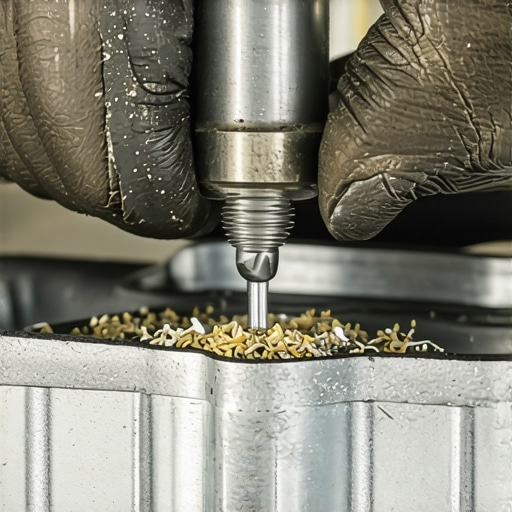
The Teflon Tape Trap That Ruins Engines
Instead of reaching for a temporary sealant, you need to understand that the seal happens at the flange, not the threads. If your threads are feeling ‘soft,’ but aren’t fully stripped yet, switching to a high-quality magnetic plug can sometimes offer a better bite while also serving as the 10 tool that saves your engine from overheating—or at least saves it from internal metal wear by catching iron filings. However, be wary of the ‘universal’ rubber expandable plugs. They are notorious for popping out under pressure or failing during essential car service tips for safe summer drives when the oil is at its thinnest and hottest.
When Your Torque Wrench Lies to You
Here is a nuance most people miss: torque specs are for clean, lubricated threads. If you have old oil and grit in the threads, your torque wrench will click before the plug is actually seated, leaving it loose. Conversely, if you’ve already partially pulled the threads, the wrench will never click, and you’ll just keep spinning until the aluminum gives way entirely. This is why most Libertyville shops misdiagnose a simple oil pan leak as a major repair; they don’t want to risk the liability of a thread repair that might fail if not done with surgical precision. Have you ever fallen into this trap of ‘just one more turn’ and regretted it immediately? Let me know in the comments below, and we can swap some garage horror stories. Before you give up, consider the truth about high mileage oil additives 4 and how they might affect the seals around your newly repaired pan.To ensure your repair isn’t just a temporary fix, you need to upgrade your toolkit beyond the basic socket set you bought at the big-box store. I personally swear by the CDI 1002MFRPH torque wrench. It is a 3/8-inch drive click-style tool calibrated specifically for lower torque ranges, which is where most drain plug disasters happen. If you can’t feel the difference between fifteen and twenty-five foot-pounds, you will eventually strip another pan. Learning to recognize the top signs your car needs expert auto repair now often starts with realizing your own tools are failing you. High-quality precision instruments are the only way to avoid the ‘gut-tight’ guesswork that kills aluminum threads.
Stop Stripping Threads with Better Hardware
When I am not performing a surgical thread restoration, I am looking for ways to eliminate the risk of human error entirely. According to the Machinery’s Handbook (31st Edition), thread shear in soft metals like aluminum is almost always a result of exceeding the material’s yield strength through over-torquing. This is why I have moved toward using flanged bolts with integrated rubber seals. They require less clamping force to create a leak-proof barrier. If you are already dealing with a weakened pan, these specialized bolts can maximize your cars lifespan with regular tune ups by preventing further stress on the remaining metal.
How do I keep my oil pan threads healthy for another decade?
The ultimate ‘set it and forget it’ solution is the Fumoto Engine Oil Drain Valve. This replaces your drain plug permanently with a brass ball valve. Instead of unscrewing a bolt every five thousand miles, you just flip a small lever. Since the threads in your pan never see a wrench again, they can never be stripped. This is the kind of long-term thinking that explains how transmission overhauls save you money in the long run—by eliminating the wear and tear of repetitive mechanical service. It is a one-time investment that turns a messy, risky job into a clean, thirty-second task. 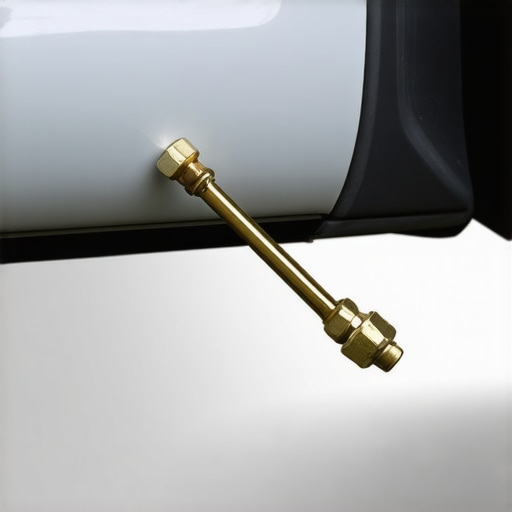
The Rise of the Vacuum Extractor
Looking at the future of car care, I predict the drain plug itself will eventually disappear from consumer vehicles. Many European manufacturers, like Audi and Volkswagen, are already designing engines for ‘top-side’ oil changes. By using a pneumatic vacuum extractor, you pull the oil out through the dipstick tube. There is zero risk of stripping a plug because you never touch the bottom of the car. While some old-school mechanics argue that you leave sludge at the bottom, modern synthetic oils keep contaminants in suspension so well that this is no longer a valid concern. If you want to follow essential car service tips for safe summer drives, investing in a vacuum extractor might be the smartest move you make. It keeps your hands clean and your oil pan intact. Before your next service interval, I strongly encourage you to pick up the 10 tool that saves your engine from overheating and consider if it’s time to retire your drain plug wrench for good.
The Hardest Lesson I Learned While Chasing a Leaky Plug
If there is one thing that years of grease under my fingernails has taught me, it is that patience is a mechanical tool just as much as a wrench is. When you feel that first sign of resistance turning into a smooth, easy spin, the instinct is to panic and keep turning, hoping it will somehow grab. It won’t. I’ve realized that the moment you stop fighting the metal and start respecting its limits is the moment you actually become a mechanic. Another ‘lightbulb moment’ for me was realizing that many dealership technicians are under such tight flags that they don’t have the time to perform these surgical thread repairs, which is why the Carmax service department might deny your oil pan repair claim rather than fixing it. They would rather replace the whole unit than risk a ten-minute thread restoration. Lastly, never underestimate the power of a clean workspace; one tiny grain of sand in your new threads can ruin the seal before the oil even hits the pan.
My Essential Kit to Stop the Oil Drip Forever
I don’t go under a car without a few specific items that have saved my skin more times than I can count. First, the CDI 1002MFRPH Torque Wrench is non-negotiable for aluminum pans; it provides the precision needed to avoid the top signs your car needs expert auto repair now. Second, I always keep a magnetic telescoping pick-up tool handy to ensure every last shard of aluminum is out of the drain port. Finally, I recommend the Fumoto Engine Oil Drain Valve as the ultimate permanent upgrade. I trust these tools because they move the point of failure away from the fragile oil pan and into high-quality brass and steel components. By making these small investments, you are learning how transmission overhauls save you money in the long run by simply applying that same preventative mindset to your engine’s oiling system.
#IMAGE_PLACEHOLDER_E#
Take Control of Your Garage and Your Peace of Mind
Fixing a stripped oil pan is more than just a mechanical chore; it is a rite of passage that proves you are no longer at the mercy of every minor setback your vehicle throws at you. Whether you choose a self-tapping plug or a precision thread insert, you are taking an active role in maintaining your vehicle’s health and ensuring you won’t need maximize your cars lifespan with regular tune ups from a tow truck driver. You have the tools, the knowledge, and the step-by-step plan to turn a potential disaster into a Saturday afternoon success story. Don’t let a soft piece of aluminum dictate your budget—get under there and fix it right. Have you ever felt that sickening ‘infinite spin’ while tightening a drain bolt? Let me know your survival story in the comments below!