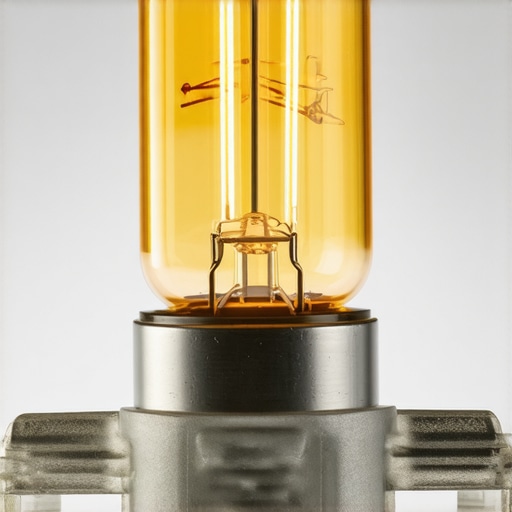
I was sitting at a stoplight yesterday, minding my own business, when I flicked my left blinker on and was immediately met with a frantic, machine-gun click-click-click. If you’ve heard it, you know exactly what I’m talking about. It’s loud, it’s distracting, and it feels like your car is having a minor panic attack right in the middle of traffic. My first instinct back in the day was to assume my car needed a massive tune-up or that some expensive electrical ghost had finally moved into my dashboard. But through plenty of trial and error (and one very embarrassing mechanic bill for a five-dollar problem), I learned that this hyperflash is actually your car’s way of talking to you. Today, I’m going to help you decode that message so you can stop the noise and stay safe on the road without getting ripped off.
That Frantic Blinking is Actually a Built-In Warning
When your turn signal starts acting like it’s in a hurry, it’s usually because the circuit has detected a change in resistance. In most cases, this happens because one of your bulbs has finally given up the ghost. I remember one specific time I ignored the fast blinking for a week, thinking it was just a quirk of my old car. It wasn’t until a very polite state trooper pulled me over that I realized my rear signal was dark. According to the National Highway Traffic Safety Administration (NHTSA), turn signals are critical for safe summer drives because they prevent thousands of rear-end collisions annually. If you aren’t signaling correctly, you’re essentially a moving target. Have you ever been stuck behind someone whose blinkers weren’t working? It’s frustrating and dangerous, right?
Is this a sign of a massive electrical failure?
This is the question I get most often from my neighbors. They worry that their car is on the verge of a total meltdown or that they’ll need expert auto repair now to fix a fried computer. Let me ease your mind: it’s rarely that serious. Most of the time, the car is simply telling you that the electrical load has changed. However, if you’ve recently upgraded to LED bulbs, you might be seeing this because the LEDs draw so little power that the car thinks the bulb is missing entirely. It’s a common hiccup, much like how some electrical faults are misdiagnosed as dead batteries.
The Time I Spent Too Much on a Simple Bulb
Early in my DIY journey, I made the classic mistake of over-diagnosing. I assumed my flasher relay was shot. I tore apart my dash, scraped my knuckles, and spent a Saturday afternoon sweating over wires. It was only after I replaced the relay and the problem persisted that I checked the actual bulbs. One tiny, blackened filament was the culprit. It’s a lesson in humility I think every car owner should learn: always check the simplest, cheapest part first. Before you start worrying about whether your timing belt is about to snap or your transmission needs an overhaul, just walk around the car and see which light isn’t dancing. If you’re struggling to find a reliable pro to help with the bigger stuff, it helps to know how to spot an honest mechanic before you hand over your keys.
Track Down the Dead Bulb Before Touching a Single Tool
You do not need a degree in electrical engineering to solve hyperflash. Think of your car’s turn signal circuit like a playground slide built for two kids. If one kid (the bulb) disappears, the other kid starts sliding down twice as fast because there is less resistance. To find which kid is missing, turn your car on and flick that frantic blinker. 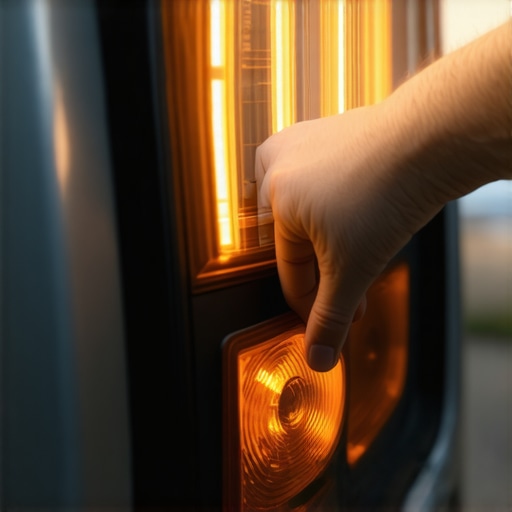
Use the Buddy System or a Reflective Wall
The easiest way to spot the culprit is to walk around the car. If you are solo, park in front of a glass storefront or a dark garage door. Watch the reflection as you toggle the switch. Usually, you will find that either the front, rear, or side-marker light is dark. If all of them are blinking fast but actually lighting up, you might have an issue where a bulb is about to fail or you have a hidden ground strap that causes weird electrical ghosts. Finding the dead bulb is 90% of the battle.
Reach Through the Trunk Liner or Wheel Well
Most modern cars don’t make it easy to get to the bulbs. I once spent forty minutes fighting a plastic clip on an old Honda because I thought the whole taillight assembly had to come out. It turns out, there was a tiny access panel hidden behind the trunk carpet. Once I pulled the socket out, the bulb looked fine, but the metal contacts were covered in white, crusty oxidation. I realized that keeping the small parts clean is just as important as when you maximize your cars lifespan with regular tune-ups. I used a tiny bit of sandpaper to clear the gunk, and the hyperflash vanished instantly.
Clean the Socket to Avoid Ghost Repairs
Before you run to the auto parts store, look inside the bulb socket for any green or white buildup. Moisture loves to sneak into light housings. If you see corrosion, you can use a wire brush or even a cotton swab with some cleaner. Interestingly, the trick to cleaning battery corrosion with baking soda and water can be adapted for cleaning various electrical contact points if they are severely oxidized. Just make sure the ignition is off and everything is dry before you pop the new bulb in.
Solve the LED Hyperflash Headache
If you recently swapped your old yellow halogen bulbs for bright new LEDs, your car is likely confused. LEDs draw almost no power, so the car’s computer assumes the bulb is burnt out. You have two choices here: you can install load resistors which mimic the power draw of a standard bulb, or you can replace your flasher relay with one specifically designed for LEDs. If you are hunting for a wire that has gone rogue during this process, using the 15 dollar tool to find a short circuit in your dash can save you hours of pulling your hair out. It’s a much better alternative than guessing and hoping for the best.Most drivers think a tune-up is the universal cure for a car that is acting sluggish or blinking weirdly. But here is the truth: the classic tune-up does not really exist anymore. In the era of carburetors, you would adjust the timing and the air-fuel mix manually. Today, your car’s computer handles all of that. When a shop tries to sell you a generic tune-up without explaining what they are actually touching, they might just be upselling you on a cabin air filter and a prayer. Instead of chasing a vague fix, you should focus on how to maximize your cars lifespan with regular tune-ups that actually involve inspecting the spark plugs and ignition coils—the real heart of the system. The Oops factor I see most often is what I call Part-Cannon Repair. This is when someone sees a symptom, like a hyperflash or a stumble, and starts throwing parts at it. They replace the bulb, then the relay, then the whole switch assembly. I have seen people replace an entire alternator when the real culprit was the one electrical fault that most mechanics misdiagnose as a dead battery. This scattergun approach is the fastest way to drain your wallet. According to a study by AAA, nearly two-thirds of American drivers do not trust auto repair shops, largely due to being overcharged or recommended unnecessary services. This is why learning to read the signs yourself is so vital.
How can you distinguish a simple sensor glitch from a major mechanical failure?
This is where it gets tricky. Sometimes your car does something weird—like why your automatic transmission stays in first gear too long—and you assume the worst. You start googling how transmission overhauls save you money in the long run, thinking you are out thousands of dollars. But before you panic, look at the peripheral systems. Does the car only act up when it is hot? Does the reason your car dies when you turn the steering wheel seem related to an electrical load? Deep-level diagnostics mean looking for the cause, not just the symptom. 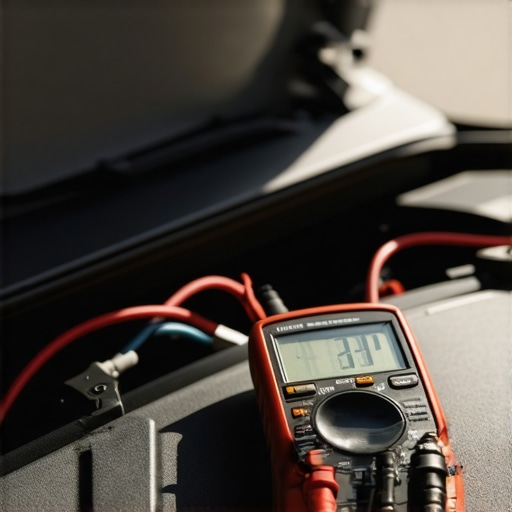 One final tip: do not let a check engine light or a fast-blinking signal ruin your mood. These systems are designed to be sensitive. Use essential car service tips for safe summer drives to keep things running cool, and always seek out top signs your car needs expert auto repair now so you do not wait until you are stranded. Knowing how to spot an honest mechanic is your best defense against the tune-up trap. Have you ever fallen into this trap or spent a fortune on a part that did not fix the problem? Let me know in the comments!I used to think that a mechanic had some sort of sixth sense for finding problems, but then I bought my first real diagnostic tool. If you want to stop the part-cannon cycle, you need to see what the car sees. I stopped relying on the check engine light alone and started using an OBD2 scanner that supports live data streaming. According to the Society of Automotive Engineers (SAE) under the J1979 standard, modern vehicles provide a wealth of real-time diagnostic information that goes far beyond simple error codes. By learning how to read live data to find a misfire, I caught a failing ignition coil months before it actually left me stranded. It is about being proactive rather than reactive.
How do I keep these complex systems running over the long haul?
The secret is not a magic potion; it is consistency. I follow a strict schedule that goes beyond the basic oil change. I have found that you can maximize your cars lifespan with regular tune-ups by focusing on the fluids and filters that shops often ignore. For example, I check my transmission fluid every 30,000 miles because I know how transmission overhauls save you money in the long run by simply avoiding them. I also keep the 10 tool that saves your engine from overheating—a simple infrared thermometer—in my glovebox. It is perfect for checking radiator hotspots or seeing if a brake caliper is sticking. If you are driving a high-mileage beast like I am, you might be tempted by the local auto aisle, but I recommend reading up on the truth about high mileage oil additives before you pour anything into your crankcase. 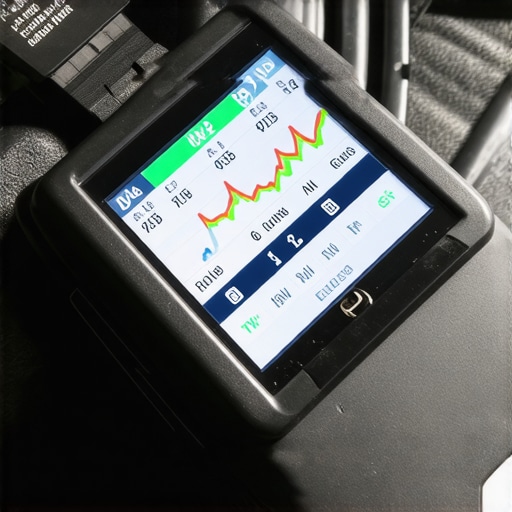
Why the Future of Car Service is Moving to Your Smartphone
We are entering an era where your car will likely tell you it is sick before you even hear a noise. Telematics and AI-driven diagnostics are becoming the norm, which means the days of the mysterious clunk might be numbered. However, this also means we need to be more tech-savvy. Even with high-tech sensors, you still need to know the basics, like using the 15 dollar tool to find a short circuit in your dash when a fuse keeps popping. As cars get more complex, the essential car service tips for safe summer drives remain the same: keep it cool, keep it lubricated, and do not ignore the small stuff. If you see top signs your car needs expert auto repair now, do not wait for the AI to book the appointment for you. Grab a cheap scanner this weekend and look at your Long Term Fuel Trims—it is the single best way to see if your engine is struggling with a vacuum leak or a fuel delivery issue before the light even comes on.
The biggest lightbulb moment for me was realizing that my car wasn’t ‘broken,’ it was communicating. I spent years thinking a tune-up was a magical reset button for any weird blinker or engine stumble, but the truth is much simpler. Modern auto repair is about understanding signals before they become expensive problems.
How I Stopped Chasing Electrical Ghosts and Started Trusting Data
For a long time, I treated my car like a mystery box. When a blinker would hyperflash or a light would flicker, I’d just start replacing things. Here is what I’ve learned since then:
- Hyperflash is a feature, not a bug. It was specifically designed to grab your attention because a dark signal is a safety hazard.
- Resistance is everything. Most electrical ‘ghosts’ are just poor connections or incorrect bulbs.
- The term ‘tune-up’ is often used as a sales tactic. If you can maximize your cars lifespan with regular tune-ups that actually target specific parts like spark plugs, you’ll save thousands.
- Diagnostics over guesswork. Always know how to spot an honest mechanic who uses data instead of ‘gut feelings.’
The Three Essentials in My Glovebox That Actually Save Me Money
You don’t need a professional garage to take control of your car service. I personally rely on a few specific resources to keep my high-mileage vehicle on the road:
- A Basic OBD2 Scanner: This is my first line of defense. It tells me what the car sees before a mechanic tells me what I should pay.
- An Infrared Thermometer: I call this the 10 tool that saves your engine from overheating because it helps me find cooling clogs in seconds.
- A Circuit Tester: Using the 15 dollar tool to find a short circuit in your dash prevents me from tearing apart my interior every time a fuse pops.
#IMAGE_PLACEHOLDER_E#
Your Journey Toward Becoming a Smarter Car Owner Starts Now
Taking care of your car doesn’t have to be an intimidating chore. Whether you are performing essential car service tips for safe summer drives or just changing a five-dollar bulb, the goal is the same: stay informed. If a problem feels too big, don’t hesitate to look for top signs your car needs expert auto repair now. Being a smart owner means knowing when to DIY and when to call in the pros. Have you ever replaced a major part only to find out a simple bulb or a loose wire was the real culprit? Let me know your story in the comments below!