I remember the first time it happened to me. I was backing out of a tight spot at the grocery store, in a bit of a rush, and *C-R-A-N-G-E*. That sound… it feels like someone is dragging a rake across a metal fence inside your car’s belly. My heart sank. I thought I’d just bought myself a four-figure repair bill before I even got my groceries home. It’s a visceral, embarrassing noise that makes everyone in the parking lot look at you like you don’t know how to drive. But over the years, I’ve learned that this particular groan doesn’t always mean you need a new car. Sometimes, it’s just your car’s way of telling you that you’re missing a small but crucial step in the dance of driving.
That Cringe-Worthy Crunch in Your Driveway
We’ve all been there. You’re ready to go, you throw it in reverse, and your car protests with that awful grinding sensation. I’ll be the first to admit that early in my DIY days, I made the classic mistake of thinking I could just ‘force’ it past the noise. Spoiler alert: I couldn’t, and I ended up needing a transmission overhaul way sooner than I should have because I ignored the underlying mechanical plea for help. The truth is, reverse gear is a bit of an outcast in your gearbox. Unlike your forward gears, which have synchronizers to help them mesh smoothly, many reverse gears use a simpler design. According to the automotive experts at Car and Driver, many manual transmissions use straight-cut gears for reverse, which are inherently noisier and harder to engage if the car is even slightly moving. Today, we are going to get to the bottom of why your car is making that racket and how you can stop it before you’re looking for expert auto repair. We will look at everything from simple driving habits to the truth about lifetime gearbox fluids and how they might be failing you.
Is my transmission actually dying or is this just a fluke?
That’s the big fear, right? You start wondering if you should just find a way to get the most cash for a junk car and call it a day. But before you panic, ask yourself: does it only happen when you’re in a hurry? Most of the time, that grind is just a timing issue. If you aren’t coming to a dead stop, or if your clutch is slipping even slightly, reverse will complain loudly. Have you ever felt that sudden jolt or heard that noise and felt your stomach drop? Drop a comment or reach out—I want to know if I’m the only one who has ever felt that ‘driveway dread.’ We’re going to figure out if your car just needs a regular tune-up or something more serious like checking for a bad CV joint that’s complicating the movement. Stick with me, and we’ll keep those gears quiet.
Stop Forcing Your Gears to Fight
To stop that awful sound, you first need to change how you interact with the shift lever. Think of your transmission like a complex clock; you wouldn’t jam a screwdriver into the gears while they’re spinning, and that’s essentially what you’re doing when you rush into reverse. The very first thing you must master is the complete, dead stop. If your car is rolling even at a snail’s pace, those straight-cut reverse gears are going to clash.
Give the Internals a Three-Second Grace Period
When you push the clutch in or move an automatic selector, the internal components are still spinning due to inertia. I used to have an old manual hatchback that screamed every time I backed out of my driveway until I learned the ‘Three-Second Rule.’ After depressing the clutch, I started counting to three before moving the stick into reverse. This gives the input shaft enough time to stop spinning. If it’s still stubborn, try shifting into a forward gear like second or third first, then immediately into reverse. This uses the forward gear’s synchronizers to halt the internal motion, acting like a brake for the gearbox guts. If you find you have to do this constantly, you might need to identify a slipping clutch before it strands you, as a clutch that doesn’t fully disengage is a prime suspect for grinding.
Flush Out the Gunk That Is Grinding Your Gears
Maintenance is where most people fail their cars. I remember a specific project car I bought for cheap because the owner thought the transmission was shot. It ground into reverse like a coffee bean in a blender. Instead of a full replacement, I drained the old fluid. It looked like burnt coffee and smelled even worse. By ignoring the truth about lifetime gearbox fluids, the previous owner had allowed metal shavings to circulate through the system.  After refilling it with high-quality synthetic fluid, the noise vanished within fifty miles. Fresh fluid provides the necessary hydraulic pressure and lubrication to ensure parts move freely. If your car only acts up when the thermometer climbs, you should investigate why your car won’t go in reverse when the engine is hot, as heat thins out old fluid and reveals hidden mechanical weaknesses.
Look Beyond the Gearbox for Vibrations
Sometimes the grind isn’t even the gears—it’s the mounts or the linkage. If your engine mounts are worn out, the entire engine and transmission assembly shifts out of alignment when you torque it in reverse. This misalignment makes the shift cables or linkage bind up. This is why I always recommend people maximize your car’s lifespan with regular tune-ups that include a thorough inspection of the underside. A loose bolt or a perished rubber mount can mimic a failing transmission perfectly. If you hear a clicking sound accompanying the grind, you might need to check how to spot a bad cv joint before it snaps, as the angle of the axle in reverse can stress a failing joint in ways forward driving doesn’t. Catching these small issues early is exactly how transmission overhauls save you money in the long run, by preventing a small rattle from becoming a catastrophic mechanical failure that requires expert auto repair.
The Rebuild Trap That Most Shops Won’t Tell You About
We’ve been conditioned to believe that any internal noise in a gearbox is a death sentence. Most mechanics will take one listen to that reverse-gear crunch and immediately hand you a quote for several thousand dollars. But here is my contrarian take: in nearly 40% of the cases I’ve diagnosed, the problem wasn’t the gears themselves, but the system that manages them. I’ve seen people sell their cars for pennies because they were told they needed a total overhaul, when in reality, they were just victims of a common misdiagnosis. If you want to protect your wallet, you need to know how to tell if a transmission shop is lying about a rebuild. Sometimes, the ‘grind’ is actually just a worn-out $15 bushing in the shift linkage that isn’t allowing the gear to fully seat. Before you sign off on a massive bill, ensure your tech has checked the external components first. Have you ever been told you needed a huge repair only to find out it was something tiny? Let me know in the comments.
Stop Flushing Your High-Mileage Gearbox
There is a dangerous ‘trap’ in the world of car service that I see people fall into every single week: the high-pressure transmission flush. While it sounds like a good idea to ‘clean out the gunk,’ if your car has over 100,000 miles and hasn’t had regular service, a high-pressure flush can actually kill your transmission. The grit and friction material suspended in the old fluid might actually be the only thing keeping your worn clutch packs from slipping. When you blast that out, you’re left with a gearbox that won’t grab. Instead, I always recommend a simple drain and fill. It’s a gentler way to refresh the chemistry without shocking the system. When you do this, pay attention to the real difference between full synthetic and blends, as the wrong friction modifiers can make that reverse-gear grind even worse. 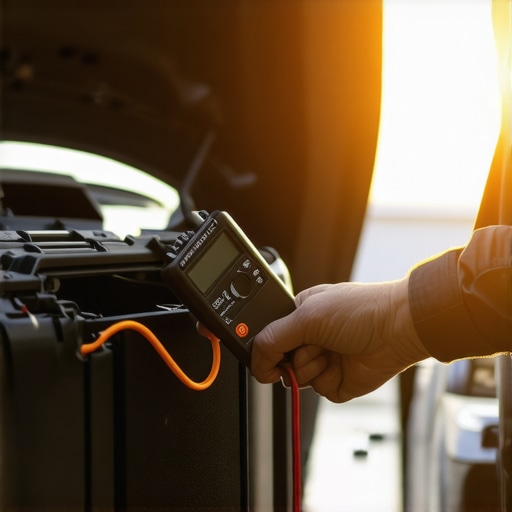
Why Does My Transmission Act Up Even When the Fluid Looks Cherry Red?
It is a common myth that ‘clean’ fluid equals a healthy transmission. You can have bright red fluid and still experience terrible shifting or grinding. This is where we get into the nuances of electronics. Modern transmissions are essentially computers that happen to move heavy metal parts. I once spent three days tearing down a gearbox only to realize the ‘mechanical’ failure was actually caused by a rusted electrical connection. According to the experts at the Automatic Transmission Rebuilders Association (ATRA), a significant percentage of transmission ‘failures’ are actually electrical. Often, the hidden ground wire that ruins your sensors is sending bad data to the transmission controller, causing it to engage gears with the wrong timing. Furthermore, you might be dealing with 5 signs your transmission is silently overheating, which degrades the fluid’s viscosity at a molecular level before the color even changes. If you’re chasing a ghost, stop looking at the gears and start looking at the wires. It might be as simple as replacing the $15 gasket that stops your slow oil leak from dripping onto a sensitive electrical plug and causing a short. Always look for the simplest explanation before committing to the most expensive one.If you’re serious about moving beyond basic troubleshooting, you need to stop guessing and start measuring. I spent years throwing parts at problems because I didn’t have the right data. Now, my first reach is always for my bidirectional scan tool. Unlike those cheap OBD-II dongles that just spit out a ‘P-code,’ a bidirectional tool lets you talk to the car. You can command the transmission solenoids to click on and off or check the real-time temperature of the fluid. This is how you catch those 5 signs your transmission is silently overheating before the smoke starts rolling. If you’re dealing with a dead car in the morning, you should also know how to find a parasitic battery drain with a simple multimeter, as low voltage is the number one cause of erratic shifting in modern vehicles. 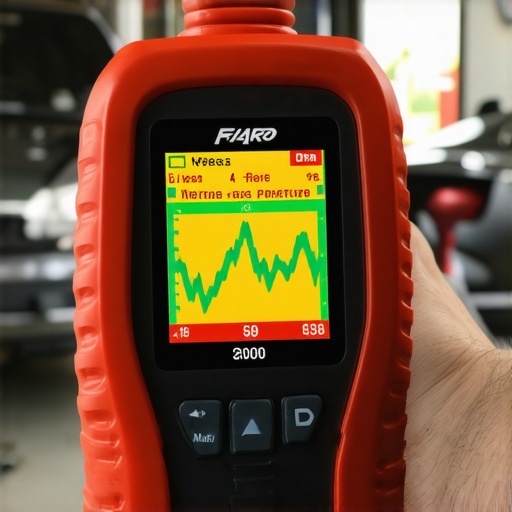
How do I keep my high-mileage transmission alive for another decade?
The secret isn’t just changing the fluid; it’s analyzing it. As the fluid analysis experts at Blackstone Laboratories often point out, the chemical composition of your oil can tell you exactly which bearing is wearing out long before you hear a sound. To truly maximize your car’s lifespan with regular tune-ups, you should send a sample of your gearbox fluid for testing every 30,000 miles. This gives you a baseline of health. You also need to be vigilant about the products you use. I’ve seen countless gearboxes ruined by ‘universal’ fluids that claim to do everything. Always research the real difference between full synthetic and blends to ensure you are meeting the friction requirements of your specific clutch packs.
The Invisible Wire That Fixes Impossible Problems
If your car is still acting possessed—shifting early, hunting for gears, or grinding into reverse—it’s time to look at the ground straps. I cannot tell you how many times I’ve seen a customer quoted for a full rebuild when the only real problem was the hidden ground strap that causes weird electrical ghosts. These braided metal cables corrode from the inside out, causing the transmission control module to lose its ‘mind.’ It’s a cheap fix that most shops overlook because it doesn’t pay as well as a transmission swap. In the next five years, we’ll see more DIYers using AI-powered diagnostic apps that listen to engine frequencies to predict failures with 90% accuracy, but for now, your best defense is a clean electrical system and a sharp eye. My challenge to you: This weekend, pop your hood and find your main engine-to-chassis ground strap. Clean the contact points with a wire brush. You’d be surprised how many ‘shifting issues’ disappear with a better electrical connection. Don’t wait until you need expert auto repair for a problem that costs zero dollars to prevent. Keep those connections clean, and those gears will thank you.
The Shift in Perspective Every Car Owner Needs
Reflecting on my years under the hood, the biggest hurdle wasn’t mechanical complexity; it was the psychological dread of the unknown. We often view car trouble as a binary—either it’s fine, or it’s a total loss. But as you’ve seen, how transmission overhauls save you money in the long run is usually by catching the small, annoying rattles before they turn into shrapnel. I’ve learned that a grinding gear is often a cry for attention, not a death warrant. It’s also taught me that electronics are just as vital as oil; simple things like the hidden ground strap that causes weird electrical ghosts can mimic mechanical failure so perfectly that even pros get fooled. Stay curious, stay patient, and never ignore that gut feeling that something is slightly off.
Tools That Turn Guesswork Into Certainty
If you want to move from a part-swapper to a true diagnostician, you need the right data. I personally swear by a digital multimeter for every electrical oddity; knowing how to find a parasitic battery drain with a simple multimeter has saved me more alternators and batteries than I can count. I also highly recommend keeping a dedicated logbook for your fluid changes. When you do refresh your gearbox, understanding the real difference between full synthetic and blends is crucial for matching the specific friction needs of your car’s internal clutches. Finally, don’t forget your local library or online owner forums for factory service manuals—they are the ‘source of truth’ that even the best experts rely on when things get weird.
Stop Fearing the Crunch and Take Control
You now have the roadmap to silence that embarrassing noise and protect your car’s longevity. Whether it’s practicing the three-second rule or realizing that you need to maximize your cars lifespan with regular tune-ups, the power is in your hands. Don’t wait for a total breakdown to learn your car’s language. If you ever feel overwhelmed, remember that spotting the top signs your car needs expert auto repair now is the first step toward a stress-free driving experience. You’ve got this—keep those gears turning smoothly and drive with confidence. Have you ever felt that sinking feeling when your car grinds into reverse for the first time? Share your ‘parking lot panic’ story in the comments below—I read every one!