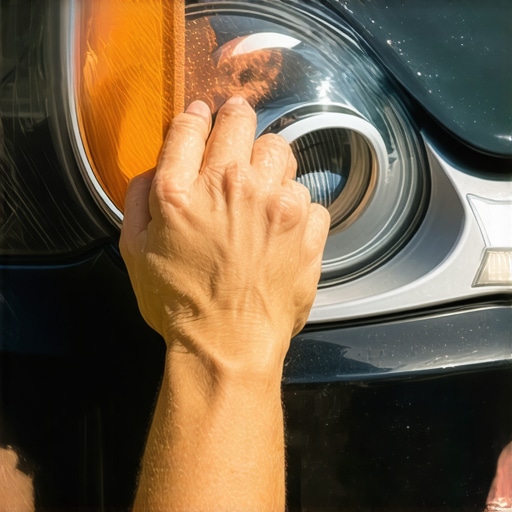
It happened on a cloudy Saturday afternoon, just as I was preparing for a road trip with my family. As I rolled down the driveway, I noticed the headlights looked more like foggy bathroom mirrors than bright beams lighting the way. Frustration crept in—I’d spent hundreds on auto repairs that never quite fixed the problem. That’s when I had my “lightbulb moment”: a simple, cost-effective trick that transformed my headlights from hazy to clear in just minutes, and for less than the price of a fancy coffee.
Brighten Your Drive and Save Money with a Simple Headlight Fix
For years, I believed that replacing headlights was the only solution to cloudy lenses. I trotted to the auto parts store, spent a small fortune, and still ended up with dull beams. That’s when I discovered that many headlight clouds are caused by oxidation—yes, that stubborn film that forms over plastic surfaces—something household items can actually tackle. The best part? This technique costs less than ten bucks and is super easy to do at home.
Concerned If It Really Works?: Don’t Worry, I Was Skeptical Too
Initially, I made the mistake of sanding my headlights down without knowing the right approach—resulting in scratches and a foggier look. It’s a common mistake that I see many car owners make, often because they dive in without research. But after a bit of trial and error—and a good dose of patience—I found a method that restores clarity without risking damage or breaking the bank.
And here’s a quick tip I learned early on from a trusted mechanic: like any car maintenance, address headlight cloudiness before it worsens. Not only does foggy headlights impair visibility, but they can also reduce your car’s safety and even decrease its resale value. According to the AAA Foundation for Traffic Safety, effective headlight maintenance can improve nighttime visibility by up to 80%, a number that saved me in several late-night drives. Ready to see how I did it? Let’s get into the step-by-step process that can turn your headlights from dull to dazzling—trust me, it’s simpler than you think.
Start with a Clean Surface
Before applying any cleaner, wash the headlights thoroughly with soap and water to remove dirt and grime. I learned this the hard way when I skipped this step and ended up rubbing dirt into the plastic, making the cloudiness worse. Use a microfiber cloth to dry them completely.
Protect Surrounding Areas
Tape around the headlights with painter’s tape to prevent accidental scratches on the car’s paint. This simple precaution saved me from a costly touch-up after I accidentally brushed my hand against the bumper while buffing.
Gather Household Supplies
You’ll need baking soda, white vinegar, a soft cloth or sponge, and a spray bottle. Keep in mind, this DIY is a quick fix for superficial oxidation. For deeper cloudiness, consider professional restoration.
Create the Cleaning Solution
Mix equal parts of baking soda and white vinegar in the spray bottle. The reaction between the two creates a mild abrasive and helps break down oxidation. I was skeptical at first, but after trying this, I saw immediate improvement.
Apply and Scrub Gentler Than You Think
Spray the mixture onto the headlight surface generously. Use the soft cloth to gently scrub in circular motions. I made the mistake of pressing too hard early on, which created micro-scratches. Light pressure and patience are key to a clear finish.
Rinse and Dry
Rinse the headlight with clean water to remove residue, then dry with a clean microfiber cloth. When I first did this, I noticed the difference instantly — the haze was significantly reduced, and the headlights looked brighter.
Optional: Seal the Surface
To prolong the clarity, apply a layer of car wax or clear sealant. This step creates a barrier against future oxidation. I didn’t do this initially, but after a month, I noticed the headlights starting to get hazy again. Regular maintenance can prevent costly repairs down the line, as reviewed in essential car maintenance tips.
When it comes to auto repair and vehicle maintenance, many car owners fall prey to misconceptions that can lead to costly mistakes. One pervasive myth is that a regular tune-up is solely about changing spark plugs and oil; in reality, modern vehicles demand a more nuanced approach, incorporating diagnostics that can catch hidden issues before they escalate. Overlooking these details is a common trap that even seasoned drivers sometimes fall into, but understanding the advanced nuances can save money and extend your car’s lifespan.
A frequent misconception is that transmission fluid doesn’t need changing unless there’s a problem. However, according to experts, such as those at CollisionFixer, proactively servicing your transmission can prevent major overhaul expenses down the line. A neglected transmission can develop internal wear that isn’t immediately obvious, leading to jerky shifts or complete failure. For more insights, visit [how transmission overhauls save you money in the long run](https://collisionfixer.com/how-transmission-overhauls-save-you-money-in-the-long-run).
Another area where owners often get it wrong is in identifying signs of a failing auto repair system. Many believe that visible leaks or noises are the only red flags, but subtle symptoms like delayed shifts, strange vibrations, or warning lights could indicate deep-seated issues. Learning to interpret these early signals is key to avoiding emergency repairs.
An important advanced mistake to avoid involves relying solely on DIY fixes for complex systems, especially transmission or engine sensors. I’ve seen many drivers attempt to clean or replace sensors like the mass airflow sensor without proper tools or knowledge, which can result in further damage. For example, improper sensor cleaning can lead to incorrect readings, affecting fuel efficiency and engine performance. For detailed guidance, check out [how to clean a filthy mass airflow sensor](https://collisionfixer.com/how-to-clean-a-filthy-mass-airflow-sensor).
The hidden nuance in car service involves understanding the role of software diagnostics. Modern vehicles are equipped with advanced ECM (Engine Control Modules) that store error codes even after minor issues seem resolved. Many owners dismiss persistent check engine lights without further diagnostics, risking long-term damage. Regularly consulting a professional who utilizes comprehensive digital diagnostics can uncover hidden faults, saving money and preventing breakdowns.
Further, the maintenance routine should include a proactive approach to safety-critical components like brakes and shocks. Worn shocks might not cause immediate discomfort but can affect handling and tire wear—an issue that’s often overlooked until it results in a costly repair or accident. Learn how to identify worn shocks with [these simple tests](https://collisionfixer.com/how-to-tell-if-your-shocks-are-actually-worn-out) and maintain safety.
In summary, many car owners fail to recognize the subtleties in modern auto repair — from understanding when to service transmission fluid, interpreting warning signs, to embracing diagnostic technology. Challenging these myths and paying attention to the hidden nuances can significantly boost your vehicle’s longevity and performance. Have you ever fallen into this trap? Let me know in the comments, and remember, staying informed is the best way to keep your car running smoothly.
Keep It Running: Essential Tools for Auto Care
Maintaining your vehicle’s performance over time requires more than just knowledge—having the right tools makes all the difference. I personally rely on a curated set of equipment that ensures precision, safety, and efficiency while working on my car. One of my go-to items is a high-quality digital multimeter, which I use to diagnose electrical issues like battery health and sensor faults. I prefer a multimeter with auto-ranging features and data hold functions, like the Fluke 117, because it provides quick, accurate readings without the hassle of manual range selection. For checking battery voltage and alternator output, this tool is indispensable and saves me trips to the repair shop.
Regarding diagnostic software, I’ve found that OBD-II scanners like the BlueDriver Bluetooth Sensor excel in versatile vehicle monitoring. What sets them apart is their ability to read and clear error codes, monitor live sensor data, and even provide maintenance alerts. I connect my scanner to my smartphone, which makes troubleshooting intuitive and portable—ideal for identifying issues early before they escalate. Regularly using diagnostic tools aligns with the trend toward smarter, more proactive vehicle maintenance, and I recommend every car enthusiast keep one handy.
For more comprehensive repairs, I keep a set of well-maintained socket wrenches, screwdrivers, and pliers. But the key is investing in quality brands like Snap-On or Craftsman, which I’ve found to withstand the rigors of frequent use. These tools allow me to tackle tasks such as replacing your cabin air filter or tightening suspension components with confidence. Also, I ensure I have a good hydraulic jack and jack stands—these are crucial for safe undercarriage work, especially when inspecting or replacing shocks, which often show early signs of wear using a simple visual check. To verify your shocks’ condition, consult the specific signs outlined in this guide.
How do I maintain my tools over time?
Proper maintenance of your equipment extends its lifespan and ensures safety. Clean, lubricate, and store your tools in a dry environment. For electrical meters, replace batteries periodically and calibrate if necessary. Keeping your tools organized prevents damage and makes your work more efficient—believe me, nothing frustrates a repair project more than hunting down a misplaced socket wrench. As automotive technology advances, more vehicles require diagnostic software and specialized tools, so staying updated is essential. Looking ahead, I predict the integration of augmented reality (AR) in auto repair tools, offering real-time overlays while working—making complex diagnostics even more accessible.
If you’re ready to up your maintenance game, start by trying the method I use for diagnosing electrical issues: grab a reliable multimeter and learn to interpret the readings. It’s straightforward to learn and can save you hundreds on unnecessary repairs. Remember, consistent, proactive maintenance not only improves your vehicle’s performance but also prevents expensive breakdowns in the future. For comprehensive car maintenance tips, check out this resource.
The Hardest Lesson I Learned About Car Maintenance and Headlight Restoration
One of the most eye-opening experiences in my auto repair journey was realizing that simple household items could save me hundreds of dollars. I used to believe that cloudy headlights meant a costly replacement, but I discovered that oxidation—a stubborn film on plastic lenses—could often be cleaned off with items like baking soda and vinegar. This lightbulb moment taught me to look for everyday solutions before rushing to buy new parts.
My Eye-Opening Realization About DIY Fixes
Initially, I tried sanding my headlights without proper guidance and ended up making scratches that worsened the haze. The lesson? Knowledge and patience are crucial. I learned that a gentle approach, combined with the right cleaning solutions, can restore clarity without professional help. Now, I approach auto repairs with curiosity and a readiness to explore household remedies first, saving time and money.
Where to Go from Here and Tools That Make a Difference
After mastering headlight restoration, I expanded my toolkit to include a quality multimeter and an OBD-II scanner. These tools, like the multimeter and diagnostic scanner, have become essential for proactive maintenance. They help me catch issues early, whether it’s a weak battery or a sensor problem, preventing costly breakdowns in the long run.
Embrace the Journey: Small Fixes Make a Big Difference
Taking control of your auto upkeep can be incredibly satisfying and empowering. Regularly inspecting critical components like shocks and brakes can prevent emergencies on the road. Remember, the key is not just repairing but understanding how your vehicle works and knowing the minor tweaks that keep everything running smoothly. Investing in knowledge and quality tools transforms car care from a chore into a rewarding hobby.
What I Wish I Knew About Auto Repair Before Starting
- Much like with headlights, don’t assume that professional repairs are always necessary—often, household items and simple techniques work wonders. For example, a basic cleaning or sealant can prolong your headlight’s life, much like regular transmission overhauls extend your car’s longevity, as discussed here.
- Subtle signs like strange vibrations or delayed shifts can signal deeper issues. Learning to interpret these signals saves money and keeps you safe.
- Modern vehicles benefit greatly from diagnostics and software tools. Tools like the diagnostic scanner help uncover hidden faults before they become costly repairs.
Keep Your Car Running Strong and Save Big
Sometimes, the best auto repair lessons come from trial, error, and curiosity. If you’re curious about simple fixes or want to expand your toolkit, start with household supplies and invest in a good multimeter. The more you understand your vehicle, the less you’ll fear those mysterious warning lights or hazy headlights. With each repair, you gain confidence and save money—making car care less of a headache and more of a skill worth mastering.