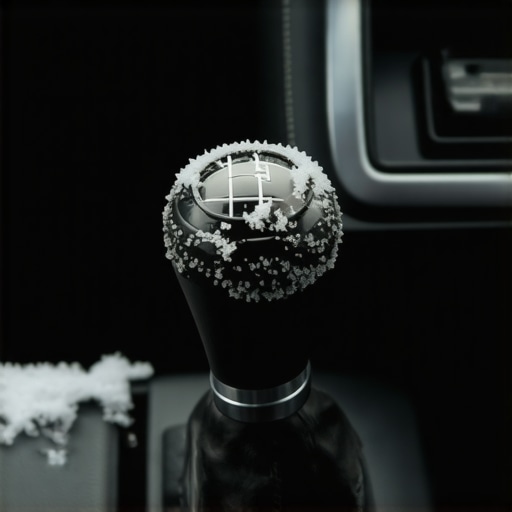
It was a freezing morning, and as I turned the key, I noticed something worse than the chill—that stubborn lack of response from my automatic transmission. The gears wouldn’t shift, leaving me stranded in my driveway, frustrated and wondering what in the world was wrong. That lightbulb moment made me realize how many drivers face this perplexing issue, often without knowing where to start. If you’ve ever experienced your car’s transmission refusing to cooperate when it’s cold outside, you’re not alone—and you don’t have to accept it as just part of winter.
Getting to the Root of Why Your Transmission Stalls in Cold Weather
Many car owners overlook how temperature swings can impact transmission performance. When temperatures drop, the viscosity of transmission fluid changes, making it thicker and less able to flow smoothly through the system. This can cause delayed or failed gear shifts, especially in older vehicles or those with less frequent maintenance. I once made the mistake of ignoring this symptom early in my driving years, thinking it was just a quirky winter glitch. Turns out, neglecting it can lead to bigger, more costly repairs down the line. Regularly checking and replacing your transmission fluid is crucial, especially before the coldest months—something I learned the hard way. To keep your transmission in top shape, consider scheduling regular tune-ups; they can extend your vehicle’s lifespan considerably. Learn more about maintaining your car for longevity [here](https://collisionfixer.com/maximize-your-cars-lifespan-with-regular-tune-ups).
Will This Problem Persist, or Is It Just a Winter Fluke?
Many drivers worry that a cold start issue signals a looming disaster. While some harsh conditions can temporarily affect transmission performance, consistent problems warrant professional attention. Addressing the root cause early can save you from expensive repairs later. For instance, low transmission fluid levels or old, degraded fluid can exacerbate cold-weather shifting issues. If you’re unsure, it’s wise to consult a trusted mechanic sooner rather than later. Did you know that having your transmission inspected can reveal signs of impending failure? It’s worth checking out [these signs](https://collisionfixer.com/top-signs-your-car-needs-expert-auto-repair-now) to understand what might be lurking beneath the surface.
Being proactive is key. As I discovered, ignoring a slow or unresponsive transmission can turn a minor inconvenience into a major headache. So today, we’ll dig into practical steps to troubleshoot and fix your transmission’s cold-weather woes—saving you time, money, and stress. Ready to get your gears shifting smoothly again? Let’s dive into what you can do to make your car run reliably, no matter the weather.
Check and Replace Transmission Fluid
Start by inspecting your transmission fluid, which acts like the blood for your transmission, lubricating and cooling its components. If the fluid is dark, has a burnt smell, or is low, replace it promptly. I once faced stubborn shifting in my old sedan; after draining the old fluid and refilling with fresh, high-quality oil, the gear response improved significantly, even in freezing temperatures. Regularly scheduled tune-ups help keep this vital fluid fresh and effective.
Check Transmission Filter and Seal Condition
Clogged filters or degraded seals can hinder fluid flow, especially when cold. Locate the filter (consult your vehicle manual) and inspect for dirt or debris. Replacing a clogged filter can prevent gear slippage and transmission slipping. Remember, seals prevent leaks—if they crack or harden, fluid leaks out, leading to poor performance. Acting on these early signs ensures your transmission remains resilient during winter.
Test and Top Off Fluid Levels
Using your vehicle’s dipstick, verify the transmission fluid level when the car is warm and on level ground. Low levels exacerbate cold-weather issues. If low, add the recommended type of transmission fluid gradually, checking the level often. It’s like topping off a leaky pipe—not only does it prevent further damage but restores proper flow, ensuring smooth gear engagement. Proper fluid levels are critical to prevent harsh shifts or complete refusal to shift during cold snaps.
Warm Up Your Vehicle Before Driving
Let your car idle for a few minutes before driving, especially in extreme cold. This allows the transmission fluid to circulate and warm up, reducing viscosity. Think of it as giving your transmission a warm bath—loose and ready for action. During my recent cold snap, I started my car early and let it warm up for five minutes, which made shifts smoother and prevented that dreaded hesitation. This simple step is often overlooked but can make a tangible difference in winter driving conditions.
Consider Using Synthetic Transmission Oil
Switching to synthetic transmission fluid can provide a lower pour point and better flow in cold weather. Unlike conventional oils, synthetic formulations resist thickening, offering faster lubrication when temperatures plummet. I upgraded my vehicle’s oil, and the difference was night and day—gear shifts became more immediate, even in sub-zero weather. Consult your mechanic or check the owner’s manual to see if synthetic oil is compatible with your transmission for an immediate upgrade.
Schedule Professional Inspection and Service
When self-checks reveal persistent issues, don’t hesitate to seek expert help. A trained mechanic can perform comprehensive diagnostics, including *transmission system evaluation*. They might suggest a complete transmission overhaul or repair if necessary, which is often more cost-effective than ignoring early signs. Remember, preventative maintenance keeps your vehicle dependable throughout winter’s worst days and beyond.
Many car owners operate under misconceptions that can lead to costly repairs and subpar vehicle performance. One common myth is that transmission fluid is universally long-lasting, but in reality, even ‘lifetime’ fluids require regular checks and replacements to prevent gear slipping and overheating. Experts emphasize that neglecting this vital maintenance can cause severe damage, contrary to popular belief that neglecting it won’t harm the transmission over time. Another misconception is that all auto repairs are straightforward and do not consider the underlying nuances—trusting generic fixes can sometimes mask deeper problems, leading to repeated failures and expensive overhauls. **Your vehicle’s complexity demands specialized diagnostics and attention to detail, not just quick fixes.**
Why Do So Many Fall for the Myth of Easy Fixes in Transmission Troubles?
The industry has long propagated the idea that complex issues like transmission failures can be instantaneously fixed with a simple fluid flush or a quick tune-up. However, this oversimplification ignores the intricate mechanics involved; for example, a slipping transmission might stem from internal clutch wear, hydraulic issues, or sensor malfunctions, which require expert diagnosis. Relying solely on generic solutions may temporarily mask symptoms but won’t resolve the root cause, often resulting in higher costs down the line. As a result, it’s crucial to understand that comprehensive inspections are necessary for accurate repairs—something professional auto care providers, like Collision Fixer, prioritize to safeguard your investment.
**Be cautious of the trap where cheaper, one-size-fits-all repairs are presented as comprehensive solutions.** Instead, committing to detailed assessments can save money and extend your vehicle’s lifespan. For example, a thorough transmission overhaul, although seemingly costly initially, can prevent recurring issues and provide long-term savings—as discussed in our detailed guide on [how transmission overhauls save you money in the long run](https://collisionfixer.com/how-transmission-overhauls-save-you-money-in-the-long-run).
Lastly, many drivers overlook the importance of regular tune-ups and car servicing, assuming these are optional rather than essential. Routine maintenance isn’t just about keeping your vehicle running—it’s about catching potential problems early, before they escalate into major repairs. Regularly scheduled tune-ups improve transmission health, enhance safety, and maximize longevity.
**Have you ever fallen into this trap? Let me know in the comments.** Remember, knowledge is your best tool in preserving your vehicle and avoiding costly surprises.
Keeping It Working: Essential Tools and Best Practices
Maintaining your vehicle’s transmission over time requires more than just routine check-ups; it involves using the right tools and adopting proven methods. Personally, I rely on a high-quality automotive scan tool like the Autel MaxiSys MS909, which allows me to access and clear transmission fault codes directly from my vehicle’s computer system. This device provides real-time data, enabling me to diagnose issues before they escalate. Additionally, a digital multimeter is crucial for testing sensors and electrical connections, ensuring your transmission’s electronic components are functioning correctly.
For fluid management, I swear by a precision fluid extractor, such as the Mityvac Vacuum Pump, which makes changing transmission fluid less messy and more precise. When performing a fluid replacement, it’s vital to use the manufacturer’s recommended transmission fluid type. Synthetic oils, like Mobil 1 Synthetic Transmission Fluid, resist thickening in cold weather, offering better flow and protection during winter months.
Regular software updates for your vehicle’s ECU (Electronic Control Unit) can optimize transmission performance. Many modern cars support over-the-air updates or software flashing via a diagnostic scanner. Staying current with these updates can prevent issues related to outdated firmware, as outlined in manufacturer technical bulletins. For instance, BMW models often benefit from software patches that improve shift quality and longevity.
Predicting Future Trends: Smarter Maintenance with Advanced Technology
Looking forward, the integration of AI-powered diagnostic tools and predictive analytics promises to revolutionize transmission maintenance. These systems can analyze data trends over time, alerting you of impending failures well before symptoms appear. Companies are developing machine learning algorithms that utilize vehicle telematics to optimize maintenance schedules—potentially saving thousands on repairs and prolonging component life.
How do I maintain my transmission over time? Practical tips for every car owner
To keep your transmission in top shape long-term, routine maintenance is key. Regularly scheduled tune-ups ensure fluid cleanliness and correct pressure levels. Using high-quality synthetic transmission fluid, especially in extreme climates, minimizes wear and tear. Investing in diagnostic tools allows for early detection of potential issues, saving costs and vehicle downtime. Remember, consistent inspections and timely fluid replacements can extend your transmission’s lifespan significantly.
As I’ve learned from experience, neglecting simple tools and routines today can lead to costly repairs tomorrow. Try implementing a regular fluid check with a digital fluid tester or scanner—it can reveal early signs of deterioration that you might otherwise miss. Incorporating these specific equipment and methods into your maintenance routine makes a tangible difference, ensuring your car’s transmission remains reliable year after year. Want to dive deeper? Explore advanced diagnostic tools and techniques at our detailed tips.
What I Didn’t See Coming About Transmission Troubles
It took facing a stubbornly frozen transmission to teach me that even well-maintained vehicles can surprise us when weather turns harsh. The moment my gears refused to shift reminded me that preventative care isn’t just a recommendation—it’s a necessity, especially before winter’s chill settles in.
How Real Wisdom Comes From Turning Tips Into Actions
Applying your knowledge—like checking transmission fluid and warming up your car—can transform frustrating mornings into smooth runs. My biggest lightbulb moment was realizing that small, consistent steps, rooted in understanding your vehicle, are your best allies against cold-weather mechanical hiccups.
Beyond the Basics—Personal Lessons on Car Care
Regular tune-ups and quality fluids aren’t just maintenance tasks—they’re investments in confidence and safety. I learned that neglecting these details might save time now but costs much more later. Sharing this has reinforced my belief that proactive care is the most effective way to keep your transmission happy all year round.