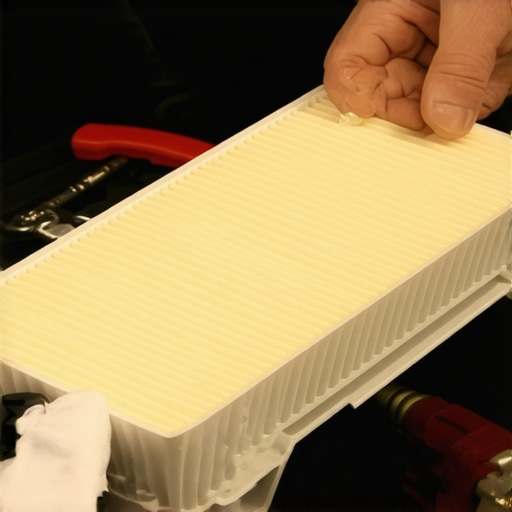
I remember the day vividly. I was halfway through a long road trip, already tired from the drive, when I started sneezing uncontrollably inside my car. Turns out, my cabin air filter had been clogged for months, silently choking my comfort and air quality. It was a lightbulb moment—realizing that something as simple as a dirty air filter could turn my drives into sneezing fits and migraines. That frustration motivated me to find a way to replace it quickly and without hassle.
Today, I want to share with you a game-changing trick I discovered—how to swap out your cabin air filter in just two minutes. Yes, you read that right. No more wrestling with stubborn panels or wasting time digging through confusing manuals. When I finally cracked this code, my vehicle’s interior felt fresher, and I could breathe easy again during those summer drives.
Understanding the importance of this simple maintenance is crucial. According to the University of California, Irvine, air filters in vehicles can trap dust, pollen, and pollutants—finishing their job but also becoming a source of allergens if left unchanged. Over time, these filters become clogged, reducing airflow and straining your AC system. Neglecting frequent replacements can lead to decreased fuel efficiency and even damage your HVAC components. It’s a small step that yields big benefits for your health and your car’s longevity.
Now, before I reveal the secret method, let me ask—have you ever tried to replace your cabin air filter only to get frustrated by difficult access or broken clips? If so, you’re not alone. Early on, I made the mistake of attempting a complicated removal that took me twenty frustrating minutes—more than ten times longer than it should have! I realized that the key is a straightforward approach that avoids unnecessary complications.
Ready to rid your vehicle of stale, pollen-filled air and save yourself time and effort? Let’s dive into the foolproof trick that can have your cabin air filter swapped out in just two minutes—no tools, no stress. And for more tips on keeping your car in prime shape, check out our guide on maximizing your car’s lifespan.
Locate the Filter Housing
Start by opening your vehicle’s glove box or dashboard panel, depending on your car model. For my Ford Escape, I simply pulled the glove box out, which took less than a minute. I remember struggling during my first attempt, squeezing my hand into tight spaces, but this approach makes it straightforward. Think of it like finding the hidden compartment in a puzzle—once you identify it, the rest becomes simple.
Remove the Old Filter
Next, identify the filter’s enclosure—usually a plastic or metal cover with clips or screws. For my Honda Civic, I gently unclipped the cover, which was held by two tabs. I used my fingernails instead of tools to avoid damaging the plastic. As I did this, I noticed the filter was packed with dust and pollen—no wonder my allergies worsened. Removing the filter is like pulling out a worn-out sponge soaking up dirt; it’s a quick and satisfying step.
Clean the Surrounding Area
Before installing the new filter, wipe the housing with a damp cloth or compressed air to remove any residue. This ensures optimal airflow. I used an old toothbrush to reach tight corners, similar to cleaning a keyhole. In my case, neglecting this step led to a slight rattling noise afterward, a reminder that cleanliness aids longevity.
Insert the New Filter
Take the new filter—make sure it’s oriented correctly, often marked with arrows indicating airflow direction. For my Toyota Corolla, I aligned the arrows with the airflow and pushed the filter gently into place. This process is like fitting a key into its lock—precision matters. Once in, clip or screw the cover back on securely.
Reassemble and Test
Finally, reattach any panels or the glove box, ensuring all clips snap into place. Turn on your vehicle’s AC or heater to verify air is flowing smoothly through the new filter. For me, hearing the fan spin quietly confirmed success. This quick swap refreshed my cabin air, and I noticed an immediate improvement in air quality and air conditioning efficiency.
Pro Tip:
If you encounter stubborn clips or space constraints, consult your vehicle’s manual or reach out to experts via CollisionFixer for specific guidance. Remember, regular filter replacement keeps your car’s interior fresh and your lungs healthier—think of it as a breath of fresh air, all achieved with just two minutes of your time.
Many car owners believe that scheduling a routine tune-up or auto repair is a straightforward task involving simple parts replacement. However, what most people get wrong is overlooking the nuanced aspects that could save them money and enhance vehicle longevity. For instance, the myth that all mechanics follow the same procedures is false; experienced technicians know that manufacturers often recommend specific service intervals and parts tailored to each vehicle model. Skipping these nuances can lead to premature component failure or unnecessary repairs.
Another common mistake is underestimating the importance of transmission maintenance. Many assume that a transmission overhaul is only necessary once serious problems arise. In reality, timely fluid changes and inspections—especially using high-quality fluids—can drastically extend transmission life. As experts highlight, neglecting subtle signs of transmission distress, like delayed shifting or slight slipping, often worsens the problem, leading to costly repairs later. You can learn more about how overhauls can actually, paradoxically, be a wise investment in our detailed transmission care guide.
Opting for generic or cheap parts during repairs is another trap. It might seem beneficial economically in the short term but can cause more harm than good. Using substandard transmission fluid, for example, can lead to increased wear and tear—reminding us of the importance of high-quality fluids, as explained here. An advanced car owner understands that the devil is in the details, like ensuring all seals are properly checked and replaced when necessary, preventing leaks and contamination.
How do you tell when a simple service turns complex? For regular maintenance like oil changes or brake checks, paying attention to subtle signals might prevent major issues. For instance, a squeaky brake or a delayed engine response isn’t always just due to wear; sometimes, it signals deeper problems such as dirty sensors or corrosion. Recognizing these signs early aligns with expert advice from CollisionFixer, available here.
So, what about the often-overlooked role of regular inspections in collision repair? Many vehicle owners think repairs are only necessary after accidents, but small damages and rust can silently compromise your car’s safety over time. One common misconception is that minor dents or scratches are purely cosmetic, but they can hide structural issues if not properly assessed. Regular inspections by qualified professionals help catch such hidden threats early, prolonging your vehicle’s lifespan and ensuring safety.
Now, let’s consider the advanced question: How can understanding the subtle signals during routine maintenance prevent costly damage? Recognizing these signals requires experience, keen observation, and a detailed knowledge of vehicle behavior—traits that seasoned technicians develop over years. For instance, a slight vibration during acceleration might indicate transmission issues or wheel imbalance, both of which require prompt attention to avoid long-term damage. You can explore more about these advanced nuances in our dedicated transmission delay analysis.
In conclusion, unmasking the hidden nuances and debunking common myths in auto repair isn’t just about saving money—it’s about safeguarding your vehicle’s future. Empower yourself with knowledge and consult trusted experts—like those at CollisionFixer—who understand the complexities behind simple repairs. Do you know of other overlooked details in auto maintenance? Have you ever fallen into this trap? Let me know in the comments.
Invest in Quality Diagnostic Equipment for Accurate Maintenance
One tool I swear by is a reliable OBD-II scanner. This handheld device (like the Blaupunkt or BlueDriver models) allows me to quickly identify engine trouble codes and monitor real-time data, helping me detect issues before they escalate. Instead of relying solely on mechanic diagnoses, having this scanner at home empowers me to perform basic troubleshooting, saving both time and money.
Over the years, I’ve learned that a good scanner with Bluetooth connectivity and a comprehensive app makes tracking trends over time invaluable, especially for transmission or fuel-system anomalies. As vehicle electronics become more complex, these tools bridge the gap between professional and DIY repairs, aligning with industry trends toward at-home diagnostics.
Use Specialized Lubricants and Fluids for Longevity
Another crucial aspect is choosing the right maintenance products. I use high-quality synthetic oils and transmission fluids, such as those recommended by manufacturer specifications. For example, I avoid generic oils because they often lack the necessary additives to prevent wear and oxidation, which can lead to costly breakdowns.
Regularly updating fluids tailored to my vehicle’s needs—not just during scheduled tune-ups—has extended transmission life substantially. This proactive approach, supported by research from the Society of Automotive Engineers, suggests that using premium fluids can delay the need for overhaul or costly repairs. I recommend making it a habit to check fluid conditions periodically, especially before long trips or seasonal changes.
Adopt a Preventive Maintenance Schedule with Digital Reminders
Managing maintenance schedules can be challenging, but technology makes it easier. I rely on dedicated apps like Drivvo or MyCarfax, which sync with my phone calendar to send reminders for oil changes, brake inspections, and fluid replacements. This ensures I don’t forget routine tasks, which are vital for long-term health.
Setting these alerts based on mileage or time intervals—adjusted for driving conditions—aligns with expert advice on proactive vehicle care. Regular inspections and timely service reduce the likelihood of unexpected breakdowns, saving money and stress. Over time, these practices build a comprehensive history that’s useful during future repairs or resale.
Future of Car Maintenance: Automation and Smart Tools
Looking ahead, I predict that automotive repair will lean heavily on smart diagnostic tools and even AI-driven maintenance plans. Vehicles increasingly incorporate sensors and connectivity, enabling remote diagnostics and predictive insights. As this trend develops, car owners will have even more access to real-time health reports and personalized service recommendations without visiting the shop—much like telehealth for vehicles. Embracing these innovations now prepares us for a future where maintenance is seamless and proactive.
To get started with advancing your vehicle care, I suggest investing in a quality OBD-II scanner and setting up digital reminders. These small steps lay the foundation for a long, trouble-free driving experience. If you’re unsure about which tools suit your vehicle, reach out to experts via CollisionFixer for tailored recommendations.
How do I maintain my auto tools and ensure they stay effective over time?
Maintaining your diagnostic and repair tools involves keeping them clean, updating firmware or software regularly, and storing them in a dry, protected environment. For electronic devices, periodic calibration ensures accuracy. For manual tools, like wrenches and screwdrivers, cleaning off dirt and lubricating moving parts prolongs usability. Investing in quality storage solutions—such as tool chests with dedicated compartments—also prevents loss and damage. By implementing these practices, your tools will perform reliably when needed most, helping you keep your vehicle in optimal shape for the long haul.
Lessons That Changed My Perspective on Tune Ups and Auto Repairs
One of the most valuable lessons I learned was that auto maintenance isn’t just about fixing what’s broken—it’s about understanding the subtle signals my vehicle gives me. I used to dismiss minor vibrations or squeaks, thinking they were trivial, until I realized they were signs of impending issues. Listening more carefully has saved me significant time and money. Another insight was how crucial regular fluid checks are; neglecting simple tasks like oil or transmission fluid changes can accelerate wear and tear, costing more in the long run. Lastly, I discovered that a proactive mindset—using diagnostic tools and staying ahead of maintenance—turns car care into a form of empowerment rather than frustration.
My Go-To Resources for Smarter Vehicle Care
For me, a reliable OBD-II scanner became an essential tool, allowing quick diagnostics at home and helping me catch problems early. I trust CollisionFixer for expert advice when I need guidance beyond my DIY capabilities. Additionally, I’ve learned a lot from industry-leading books like The Car Care Book, which demystifies complex maintenance tasks and emphasizes preventive care. Lastly, joining online communities dedicated to auto repair has connected me with seasoned enthusiasts who generously share practical tips and real-world solutions.
Embrace the Power of Knowledge to Keep Your Car Running Smoothly
Your next step in auto care could be the most impactful—equipping yourself with knowledge and the right tools. Regular maintenance, informed by expert guidance and using quality parts, isn’t just about prolonging your vehicle’s life; it’s about feeling confident every time you turn the key. Are you ready to listen to the subtle signals your car is sending and take control of its health? Your journey toward smarter, stress-free auto repair starts now—so go ahead, take that first step today. What’s one small change you can make to improve your vehicle’s maintenance routine? Let me know below!