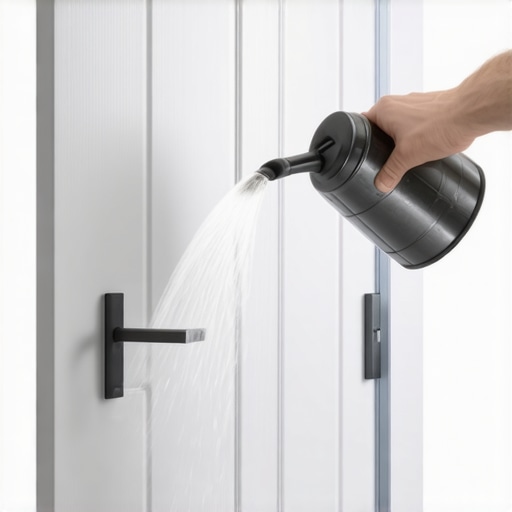
I remember the first time I faced that dreaded dent on my car door after a busy weekend. It was late, I was tired, and there it was — a noticeable ding that made my pristine car look less than perfect. Frustration set in. I’ve tried the usual stuff—pushing, pulling, even cursing at it—but nothing worked. Then, I remembered hearing about a simple trick involving hot water, and honestly, I was skeptical. Could pouring boiling water really make a difference?
Hot Water Magic: Fix Your Door Dent Without a Workshop Visit
Starting with a skeptical heart, I decided to give it a shot. The idea is straightforward: heat up some water to almost boiling, carefully pour it over the dent, and then gently push from behind to pop the dent out. The heat softens the plastic panel, making it pliable enough to reshape with a little pressure. It sounds almost too simple, but I was eager to see if my hunch was right. The whole process took about 15 minutes, and when I was done, the dent was almost invisible. No special tools, no expensive repairs—just hot water and patience.
Will Hot Water Damage Your Car? Think Twice
One common concern I had at first was whether hot water could harm my paint or cause rust. It’s a valid worry. To be honest, I’ve made a mistake early on—using boiling water without testing it first—which led to minor paint marks. Now I always test the temperature and use gloves for safety. Experts at collision repair specialists confirm that applying hot water is generally safe for painted surfaces, provided the water isn’t boiling directly onto the paint but rather poured carefully. For more tips on maintaining your vehicle and avoiding costly mishaps, check out [this article on essential summer driving tips](https://collisionfixer.com/essential-car-service-tips-for-safe-summer-drives).
Are you tired of paying for expensive dent repairs? Do you want a quick and affordable way to restore your car’s appearance? If so, keep reading. I’ll walk you through every step in a simple, no-fuss method that I’ve personally tested and trusted. The best part? It’s a DIY solution that every car owner can master—no need to wait for a mechanic. When you’re done, your car will look almost as good as new, and you’ll have gained a new skill along the way.
Prepare Your Workspace and Gather Supplies
Ensure you have a safe, level area away from traffic. Gather a kettle or large pot for boiling water, a pair of thick gloves, a microfiber cloth, and a plastic or rubber prying tool or a clean, flat surface like a butter knife. I once fixed a dent in my driveway, risking a little water spillage, which was manageable but emphasizes safety and preparation. Turn off your engine and ensure the car is cool if recently driven.
Heat Water to the Right Temperature
Fill your kettle with water and bring it to a near-boil—slightly less than the boiling point to avoid paint damage. Pour a small amount into a separate container to test the temperature. Using a cloth or gloves, check if the water feels comfortably hot but not scalding. Overly boiling water can be risky for your paint. Remember, safety first.
Pour Hot Water Over the Dent Carefully
Slowly pour the hot water over the dented area, ensuring even coverage. Hold the cloth against your hand when testing the water to avoid burns. The heat softens the plastic or metal, making it more malleable. For plastic panels, this makes reshaping easier. I once spilled a bit of hot water on my shirt, which is why gloves are vital. The water should be enough to heat the panel without risking paint damage.
Gently Push or Pry the Dent from Behind
Immediately after pouring, use your hand (with gloves) or a flat tool to gently push the dent from the inside if accessible. Alternatively, use a plastic prying tool or even a flat piece of wood. Be patient and work gradually—forcing can cause paint cracks. In my case, I inserted a plastic scraper behind the panel and pushed firmly but carefully—it took a few tries, but the dent minimized significantly.
Use a Prying Tool for Difficult Areas
If the dent is hard to reach, a plastic or rubber pry bar helps lift the panel gently. Rest the tool carefully behind the dent and apply gentle pressure. Think of it as pressing a loose button back into its slot—gentle but firm. Remember, patience is key; rushing may make things worse.
Repeat If Necessary and Finish Up
Sometimes, a single heat and push aren’t enough. Reheat the area, wait for it to cool slightly, and repeat the process. Over time, the dent can almost vanish. Once the dent is reduced, rinse the area with cold water to set the shape and avoid warping. To finish, check for smoothness and symmetry. I recommend inspecting from different angles under proper lighting. For stubborn dents, consider consulting a professional or exploring other DIY methods outlined in [top signs your car needs expert auto repair now](https://collisionfixer.com/top-signs-your-car-needs-auto-repair).Many car owners believe that auto repair is either a straightforward DIY task or exclusively the realm of professionals. In reality, there’s a lot of nuance and common misconceptions that can lead to costly mistakes. One widespread myth is that all transmission issues require a full rebuild, but often, targeted repairs or fluid changes can save significant money, as explained in this detailed guide on [how transmission overhauls can be a long-term money saver](https://collisionfixer.com/how-transmission-overhauls-save-you-money-in-the-long-run). Another mistaken belief is that topping off fluids without diagnosing underlying problems will keep your vehicle running smoothly; however, neglecting persistent leaks or contamination can cause further damage. As I always recommend, regular tune-ups are crucial, and you can learn more about scheduling them effectively [here](https://collisionfixer.com/maximize-your-cars-lifespan-with-regular-tune-ups). Additionally, many think that a quick fix like changing spark plugs will solve all engine hesitation issues, but often, the root cause involves sensors or transmission components requiring professional diagnostics. A common trap is assuming that all car repairs are equally urgent; understanding signs that your car needs expert intervention, such as unusual noises or fluid leaks, can prevent major breakdowns, as outlined in [this article](https://collisionfixer.com/top-signs-your-car-needs-expert-auto-repair-now). People also often overlook the importance of proper maintenance for collision repairs, where improper paint matching or misaligned panels can lead to bigger issues down the line. The key is to develop a nuanced understanding that not all repairs are equal, and some problems require a specialist’s touch. Plus, being aware of advanced mistakes, like using low-quality fluids or ignoring early warning signs, can extend your vehicle’s lifespan considerably. It’s tempting to believe that more frequent repairs or replacing parts prematurely will always benefit your car, but studies show that strategic maintenance based on diagnostics is more cost-effective long-term. For instance, testing for engine issues like a blown head gasket with simple chemical kits can save tons in repairs if caught early. Ultimately, the secret lies in a balanced approach—regular checkups, understanding your vehicle’s specific needs, and knowing when to seek professional help. If you want to prevent costly repairs and keep your car running optimally, skip the common myths and arm yourself with accurate knowledge. Have you ever fallen into this trap? Let me know in the comments, and share your experiences with auto repair pitfalls or successes.Maintaining your vehicle over time requires the right tools and a strategic approach. One of my top recommendations is investing in a high-quality diagnostic scan tool, such as the Autel MaxiCOM MK808. I personally rely on this device because it provides comprehensive error code reading and clearing capabilities, which save me time and money during routine checkups. Additionally, a durable multimeter is indispensable for testing electrical components; I prefer the Fluke 115 model for its precision and reliability. When it comes to fluid management, a good fluid extractor pump simplifies oil changes, allowing me to avoid mess and ensure the right amount of fluid—something critical for engine health. For those tackling transmission concerns, I suggest using a dedicated transmission fluid flushing kit, which ensures complete removal of contaminated fluid, extending the life of the system. As vehicle technology advances, software updates become increasingly vital. Regularly connecting your car to manufacturer-specific update tools guarantees your vehicle’s ECU stays current, optimizing performance and safety. Looking toward the future, the integration of AI-powered diagnostic systems is set to revolutionize auto maintenance by predicting issues before they become serious, allowing for preemptive repairs.
How do I keep my auto repair skills sharp over the years?
Consistently updating your knowledge through trusted resources like Collision Fixer’s comprehensive guides can make a difference. Regularly inspecting and maintaining key components such as the cooling system or brakes, using the right tools like a digital infrared thermometer to monitor engine temperature or a brake rotor micrometer for precision checks, ensures your car remains reliable for the long haul. Remember, proper maintenance isn’t just about tools—it’s about adopting a disciplined, proactive mindset. For example, I recommend testing your engine’s head gasket integrity periodically with a chemical kit, as outlined in this detailed guide, to prevent costly failures later on. Learn how to perform this simple test here and catch potential engine threats early. If you’re serious about extending your vehicle’s lifespan, consider implementing scheduled tune-ups based on manufacturer recommendations, or even more advanced practices like replacing lifetime transmission fluid with the latest synthetic formulations, which can significantly enhance shifting smoothness and longevity. Remember, ongoing maintenance builds long-term value and safety. So, pick one of these tools today—like updating your diagnostic software—and stay ahead of auto troubles before they escalate.
What the Garage Won’t Tell You About Car Repairs
Over the years, I’ve realized that many auto repair myths can drain your wallet or even jeopardize your safety. One of my biggest lightbulb moments was discovering that not all dents require expensive tools or professional help—sometimes, simple tricks like hot water can do the trick. Understanding these lesser-known techniques has empowered me to troubleshoot basic issues confidently, saving time and money. Additionally, I’ve learned that the key is patience and safety; rushing or using the wrong tools can make minor problems worse. Embracing a curious mindset about vehicle mechanics transforms routine maintenance into an opportunity for lifelong skill-building.
My Favorite Tools That Make Auto Repairs Easier
For anyone serious about DIY auto work, investing in reliable tools is a game-changer. I swear by a quality diagnostic scanner like the Autel MaxiCOM MK808 because it helps identify issues before they escalate. A good multimeter, such as the Fluke 115, is invaluable for electrical troubleshooting. For fluid tasks, a versatile fluid extractor streamlines changes without mess. These tools are not only trustworthy but also empower you to handle common repairs in your driveway. Plus, regularly updating your tools and knowledge keeps you ahead of unforeseen issues, making car upkeep a satisfying hobby rather than a chore.
The Power of Taking Initiative in Vehicle Care
There’s an unmatched confidence that comes with fixing your car, even with simple projects like removing a small dent or changing a broken headlight. By taking the initiative, you develop a deeper understanding of your vehicle, which can be invaluable during emergencies. Remember, you don’t have to become a professional mechanic overnight—just start small, learn from reputable sources like Collision Fixer, and celebrate each success. Every repair completed yourself not only saves money but also builds a connection with your car that enhances your respect and care for it. So, I encourage you—don’t wait for a breakdown; start mastering DIY repairs today, and share your stories below!