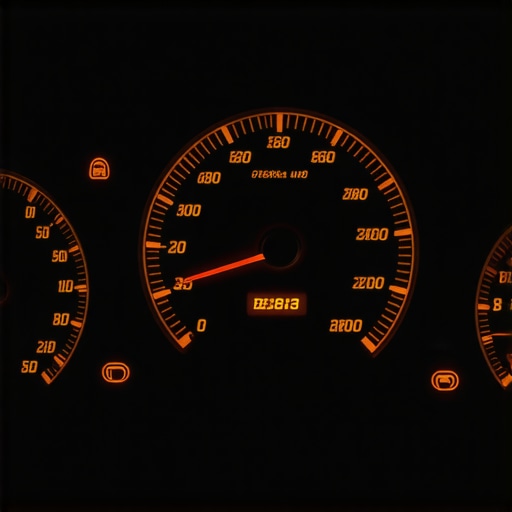
It was just another Saturday morning when I set out for my usual weekend errands. The sun was shining, my coffee was hot, and everything seemed normal—until I glanced at my dashboard and saw that stubborn, annoying check engine light. My heart sank a little, but to my relief, my car felt fine; no strange noises, no hesitation, just the same old smooth ride. Have you ever experienced that moment of confusion? The light is on, but your car behaves perfectly. It’s a situation many drivers face, and honestly, it can be more common than you think.
Decoding That Mysterious Check Engine Light That Won’t Go Away
Sometimes, the check engine light is a cautious nudge from your vehicle, signaling that something isn’t quite right behind the scenes. But why does it turn on when the car feels perfectly fine? Well, modern cars are equipped with sensitive sensors that monitor dozens of components simultaneously. These sensors can flag minor issues—like a loose gas cap or a slight misfire—that might not immediately affect how your car drives but could lead to bigger problems down the line. For example, a small emission problem might trigger the warning, yet the car feels smooth and responsive.
Early on in my driving days, I made the mistake of ignoring that tiny, persistent light. It seemed insignificant at first—just a little flicker—but ignoring it led to costly repairs later. That’s why I always recommend paying attention and getting your vehicle diagnosed promptly. It’s a simple step that can save you a lot of money and stress. Would you like to take control and ensure your car’s health? Check out [this article](https://collisionfixer.com/top-signs-your-car-needs-expert-auto-repair-now) to learn the top signs you shouldn’t ignore.
Is It Really Worth the Hype to Worry About a Flickering Light?
Honestly, I used to think that check engine lights were just for overly cautious mechanics or alarmist car owners. But after experiencing a near disaster because I dismissed mine, I realized that ignoring that warning could be a recipe for disaster. Sometimes, the light means a simple fix—like tightening your fuel cap—but other times, it could be a sign of more significant issues, such as transmission troubles or faulty oxygen sensors. Taking the time to get it checked is always wiser than delaying, especially considering that [regular tune-ups](https://collisionfixer.com/maximize-your-cars-lifespan-with-regular-tune-ups) can prevent many of these problems.
By understanding the importance of early diagnosis and proper maintenance, you’re not just avoiding surprise breakdowns—you’re also extending your vehicle’s lifespan and saving money in the long run. Now that I’ve set the stage, let’s dive into how to interpret that tricky warning light and what steps you should take next.
Gather the Right Tools and Prepare Your Workspace
Before diving into the diagnosis, ensure you have a reliable OBD-II scanner, a clean workspace, and safety gear like gloves and eye protection. Using an OBD-II scanner is like giving your car a quick check-up; it reads the error codes stored in your vehicle’s computer, pinpointing the core issue. I remember one weekend, I borrowed a scanner from a local auto parts store and, in my driveway, I pulled the codes from my car that had the flashing light. The scanner revealed a misfire code, leading me to a spark plug that needed replacement, saving me a costly visit to the mechanic.
Connect the Scanner and Retrieve Error Codes
Locate your car’s OBD-II port, usually under the dashboard near the steering column. Plug in the scanner securely and turn on your vehicle’s ignition without starting the engine. Follow the scanner’s prompts to retrieve the error codes. Think of this step as your car’s blood test; it reveals underlying issues that aren’t obvious. Once you have the codes, reference your vehicle’s service manual or search online for their meanings. This direct approach saves time and prevents unnecessary part replacements.
Interpret the Codes and Identify Possible Causes
Not all codes are equally critical, but they point you toward specific systems—like a loose gas cap triggering a common emission code. Use trustworthy resources like expert auto repair signs to understand the urgency. For instance, a code related to oxygen sensors can lead you to check wiring or sensor condition. Remember, acting on these codes quickly prevents minor issues from escalating into costly repairs.
Perform Basic Troubleshooting and Repairs
Start with simple fixes such as tightening the gas cap, replacing faulty spark plugs, or cleaning sensors. Use your owner’s manual for torque specifications and proper procedures. For example, I once replaced a faulty mass airflow sensor after reading its error code, which immediately resolved my check engine light issue. If the problem persists, consider deeper diagnostics like testing the vehicle’s battery and alternator, which can cause transient sensor errors.
Check for Parasitic Drain and Battery Issues
If error codes suggest electrical problems, inspect for parasitic drains by disconnecting the battery and testing for current draw with a multimeter. A drain can cause sporadic sensor failures, leading to the warning light flickering. I learned this the hard way when my battery kept dying despite being relatively new; discovering a stuck relay saved me from replacing the entire electrical system.
Decide When to Seek Professional Help
If troubleshooting doesn’t resolve the issue or codes indicate complex problems—like transmission or engine internal faults—arrange for a professional diagnosis. Companies like Collision Fixer offer expert auto repair, ensuring that your vehicle is thoroughly checked and repaired to manufacturer standards. Remember, timely professional intervention can prevent minor problems from causing major damage, especially with components like transmissions, where improper repairs can lead to costly rebuilds.
Maintain Regular Tune-Ups to Prevent Future Issues
Once your car is fixed, schedule regular maintenance, including oil changes, filter replacements, and system inspections. Regular tune-ups are like routine check-ups for your body—keeping everything running smoothly. As highlighted at Collision Fixer, proactive maintenance reduces the likelihood of unexpected warning lights, saving you money and stress down the road.
Many car owners operate under misconceptions about tune-ups, transmission care, and auto repairs, which can lead to costly mistakes. For instance, a common myth is that changing your oil every 3,000 miles is universally necessary; however, modern synthetic oils can last up to 7,500 miles or more with proper maintenance, as highlighted by industry experts. Believing in such outdated rules might cause unnecessary expenses, so staying informed about brand-specific recommendations is crucial.
Another misconception involves transmission fluid changes. Some think that synthetic transmission fluids last forever, but experts warn that even these can degrade over time, affecting performance and longevity. Regularly scheduled overhauls, as discussed in this article, can prevent extensive repairs later.
Often, people underestimate the importance of preventive car service, assuming reactive fixes are enough. This thinking overlooks nuances like parasitic drains—hidden electrical faults that slowly drain your battery. Recognizing early signs and performing tests, such as those outlined here, can save significant headaches.
The ‘set it and forget it’ mentality is problematic, especially with crucial components like brakes and suspension. Regular tune-ups aren’t just about engine health—they improve safety and prevent breakdowns. Neglecting scheduled service is a risky gamble, often leading to expensive repairs or accidents.
Additionally, many believe that professional auto repair always costs an arm and a leg, but this isn’t necessarily true. Skilled mechanics and diagnostic tools, when used appropriately, can identify issues early. For example, recognizing early warning signs of transmission failure or electrical faults can help you avoid major repairs.
Let’s not forget the importance of understanding the nuances behind these processes. For example, transmission overhauls can be cost-effective long-term investments, as detailed here. This counters the myth that such repairs are always prohibitively expensive. Instead, proactive maintenance often results in substantial savings and extended vehicle lifespan.
Have you ever fallen into this trap? Let me know in the comments. Being aware of these hidden nuances helps you make smarter decisions, saving money and ensuring safety every mile.Maintaining optimal car performance requires not only knowing what to do but also having the right tools and methods at your fingertips. Personally, I rely on a durable OBD-II scanner like the Autel Maxisys MS309; it’s compact, affordable, and provides detailed error codes that help me diagnose issues quickly without waiting for a mechanic. This device has saved me hours and hundreds of dollars by allowing me to identify problems early, especially when my check engine light flickers unexpectedly. Additionally, I recommend investing in a quality multimeter—an essential for testing electrical components such as batteries and relays. I’ve used mine countless times to check parasitic drains, ensuring my car’s electrical system remains healthy over the long haul.
When it comes to performing routine maintenance, I swear by synthetic oils like Castrol EDGE. They not only extend time between oil changes but also protect critical engine parts from wear and tear. Regular oil analysis via test kits provides insights into your engine’s condition, revealing wear metals and contaminants that might otherwise go unnoticed. For example, monitoring your transmission fluid with a test kit can indicate impending failure, allowing for proactive repairs or overhauls, which, as I’ve learned, save you money in the long run—you can read more about this strategy in [this article](https://collisionfixer.com/how-transmission-overhauls-save-you-money-in-the-long-run).
For those interested in preventive measures, I suggest installing a relay guard or fuse holder to prevent electrical surges that can damage sensitive electronics—something I’ve experienced firsthand when a minor power surge caused my dashboard to malfunction. Additionally, software tools such as OEM-specific diagnostic apps connect via Bluetooth to your smartphone, turning your device into a portable diagnostic station. Apps like Torque Pro, combined with appropriate interfaces, enable real-time monitoring of sensor data, which is invaluable for maintaining engine health.
Looking ahead, the trend is moving toward integrated diagnostic systems that combine hardware and AI-driven analysis, making car maintenance more intuitive and accessible. Imagine a future where your car’s onboard systems proactively notify you of issues before they become serious, guiding you through simple repairs or scheduling professional service automatically.
#### How do I keep my automotive tools and techniques effective over time?
To ensure longevity and accuracy, regular calibration of electronic testers is crucial. Firmware updates for diagnostic software should be downloaded promptly to keep up with vehicle technology advances. Establishing a routine—such as monthly system checks and aligning your tools with manufacturer guidelines—helps maintain peak reliability. Remember, investing a little time now in proper maintenance of your repair toolkit ensures you’re always ready to tackle issues, saving both time and money. Try updating your diagnostic app and calibrating your multimeter this weekend; it’s a straightforward step that boosts your ability to keep your car running smoothly and safely. For expert assistance, don’t hesitate to contact [Collision Fixer](https://collisionfixer.com/contact-us).Ever faced a situation where your car’s warning light blinks, yet everything feels perfectly normal? Having navigated this dilemma myself, I learned that these signals are often your vehicle’s way of hinting at underlying issues before they become costly problems. Regular diagnostics, proactive maintenance, and trusted expertise are your best allies in this journey. Embracing these insights transformed my approach to auto care, saving me money and frustration. Remember, your car’s health isn’t just about fixing what’s broken—it’s about understanding its language and acting swiftly. Keep learning, stay curious, and hop onto the path of confident car care with Collision Fixer as your guide.