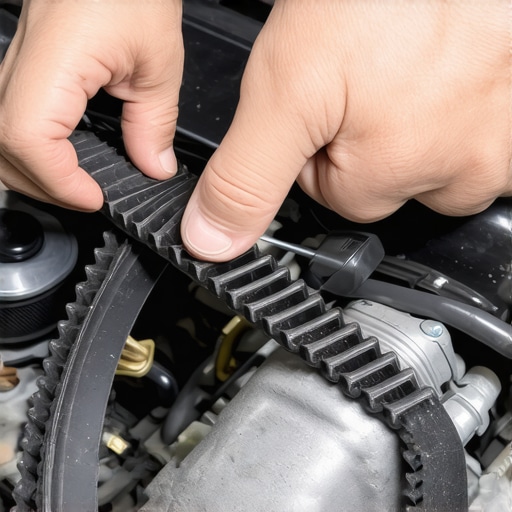
Ever been stranded on the side of the road because your car’s serpentine belt decided to slip just when you needed it most? I remember the first time it happened to me—snow falling, the engine sputtering, and that sudden, unsettling squeal from under the hood. My heart sank, and I realized I had to act fast. That lightbulb moment taught me a crucial lesson: a slipping serpentine belt isn’t just an annoyance—it’s a sign that something’s off, and ignoring it can lead to a much bigger headache.
Why Your Serpentine Belt Keeps Slipping and How to Fix It
Dealing with a slipping belt can feel like chasing your tail. It’s frustrating, noisy, and can leave you stranded if you don’t catch it in time. But here’s the truth—most people, including myself early on, make simple mistakes that only make things worse. The good news is, with a little knowledge and the right approach, you can fix this issue permanently. Today, I’ll share honest tips based on my experience—so you won’t be left guessing or wasting money on temporary fixes.
Is the Fix Worth the Hype?
Many skeptics wonder if repairing or replacing a serpentine belt is really necessary—especially if the car still runs. Trust me, I’ve been there, thinking a quick tighten would do the trick. But I learned that ignoring the slipping issue often accelerates wear on pulleys, tensioners, and even the alternator, leading to more costly repairs down the line. Early on, I also fell into the trap of using cheap replacement belts, which would slip again in a matter of weeks—so don’t fall for that.
Instead, proper diagnosis and using quality parts are key. And if you’re wondering whether it’s worth tackling this yourself or calling in a pro, consider the long-term savings—proper belt tensioning and replacement can extend your engine’s life and keep your drive smooth. For more expert tips, check out this guide on essential car services for safe driving.
Now that we understand why this problem arises, let’s dive into how you can fix your slipping serpentine belt for good—step-by-step, with no guesswork involved. Ready to get your engine running quietly and reliably again?
Loosen the Belt for Inspection
Start by turning off your engine and disconnecting the negative battery terminal for safety. Locate the serpentine belt and observe its routing—use your vehicle’s manual if needed. To loosen the belt, identify the tensioner pulley, which maintains belt tension. Use the appropriate socket or wrench to rotate the tensioner—usually clockwise—to release pressure. I once struggled with a stubborn tensioner, but applying steady force with a breaker bar made it manageable, preventing damage to the pulley.
Check for Wear and Damage
With the belt removed, examine it for cracks, fraying, or glazing. If the belt has visible damage or is more than 60,000 miles old, replacing it is the safe choice. I once tried to reuse a belt with minor cracks, only to find it snapped weeks later—it cost me more in repairs. Remember, a new, quality belt ensures longer life and better performance.
Choosing the Correct Replacement Belt
Consult your vehicle’s manual or a trusted parts supplier to find the right belt size and type. Avoid cheap knock-offs; investing in a premium belt can prevent slips and premature wear. I learned this the hard way when a cheap belt slipped again within months, forcing me to redo the job. For added peace of mind, consider replacing pulleys or tensioners if they show signs of wear, which can be checked during the belt removal process.
Properly Install the New Belt
Route the new belt according to the diagram in your manual. Use a small marker or take a photo before removal to ensure correct routing. Carefully rotate the tensioner to create slack—again, clockwise—then slide the belt over each pulley, starting with the smallest or most accessible. Release the tensioner slowly to apply correct tension; too tight or too loose can cause slipping or premature component wear. I once misadjusted the tensioner, causing squealing; patience and slow release fixed the issue.
Verify the Tension and Alignment
Once installed, ensure the belt is aligned properly on all pulleys and has appropriate tension—typically about 1/2 inch of slack when pressed mid-span. Many mistake loose belts for fixed ones, leading to slipping. Use a tension gauge if available, or test by pressing on the belt—if it gives more than 1 inch, re-adjust tensioner. Improper tensioning is a common mistake that can be avoided with careful checks.
Final Checks and Testing
Reconnect the negative terminal and start your engine. Observe the belt for any slack, squealing, or misalignment. Let the engine idle and watch as the belt moves smoothly without slipping or bouncing. Consider taking a short drive to ensure everything runs quietly and efficiently. During my last belt change, I meticulously checked tension and alignment, which made my engine run smoother and quieter immediately. Regular inspection of the belt can prevent future slipping issues and prolong your engine’s life. For maintenance tips, visit this resource.
Many car owners assume that routine tune-ups and repairs follow a straightforward path, but in reality, some widespread beliefs are more myths than facts. Let’s dig deeper into these misconceptions that can lead even seasoned drivers astray.
Why does everyone think a quick oil change fixes everything?
While changing the oil is essential, it’s often misunderstood as a cure-all. In truth, a single oil change doesn’t address hidden issues like transmission wear or brake system problems. Skipping comprehensive inspections can cause small issues to snowball into costly repairs.
Auto repair shops always recommend replacing parts preemptively
This is a common misconception—many believe that every visit results in unnecessary parts replacement. However, reputable shops, like Collision Fixer, emphasize diagnostics to target only truly worn or faulty components. Unnecessary replacements not only waste money but can sometimes cause new problems.
Is paying more always better for quality parts?
Not necessarily. While premium parts offer durability, some high-priced options are inflated in cost without significant benefit. Knowing the specs and compatibility is vital. Expert shops ensure that you get the right balance between quality and cost. For instance, using quality transmission fluid as advised in this guide can extend your vehicle’s lifespan significantly.
What’s the most overlooked nuance in vehicle maintenance?
The silent role of proper diagnosis. Many auto repair mistakes stem from superficial inspections or assumptions. For example, a slipping serpentine belt might be mistaken for a simple tension issue, yet deeper problems like worn pulleys can be the culprit. Advanced diagnostics, such as electronic leak detectors or sensor analyses, can save money and prevent breakdowns. According to automotive expert John Garlow, proper diagnosis can reduce repair costs by up to 30%, highlighting its critical importance.
Always ask your mechanic about detailed diagnostic techniques to avoid costly mistakes. Regular, comprehensive inspections and understanding the nuances can truly make a difference—so you’re not just reacting to problems but preventing them. Want to stay ahead of the curve? Check out this essential car service guide before your next trip. Have you ever fallen into this trap? Let me know in the comments.
Keeping It Working: Tools and Tricks for Auto Longevity
Maintaining your vehicle’s health over time requires more than just routine visits to the shop. It involves investing in reliable tools and adopting methods that ensure your car remains dependable through the years. Personally, I’ve found that selecting high-quality diagnostics equipment and understanding proper maintenance techniques is crucial. One tool I swear by is a digital multimeter, like the Fluke 117, which I use regularly to check battery health and wiring integrity—preventing minor issues from turning into costly repairs. Regular tune-ups are essential, and having the right tools makes the process smoother and more effective.
Predicting Future Needs with Advanced Diagnostics
Looking ahead, the trend points toward more integrated and AI-powered diagnostic tools. Devices such as Autel MaxiCheck Pro provide real-time data and predictive analytics, allowing you to catch potential failures before they occur. These tools are becoming more affordable and user-friendly, making it feasible for enthusiasts and professionals alike. Embracing technology like this can help extend your vehicle’s lifespan and save money in the long run.
How Do I Maintain My Car Over Time See Hidden Problems Faster
One effective method is regular tire and brake inspection using a borescope camera—this tiny device lets me peek behind parts I cannot see easily, detecting early signs of wear or rust. Also, regularly checking fluid quality with a refractometer ensures that lubricants are optimal, preventing premature component failure. Don’t forget, keeping detailed records of maintenance activities helps identify patterns and plan future preventative measures smarter. For instance, catching early signs of transmission fluid degradation with a simple test can prevent a costly overhaul—check out this resource for tips.
Simplify Maintenance with the Right Methods and Equipment
Using specialized tools such as a torque wrench, like the Craftsman ½-inch drive model, ensures components are calibrated to manufacturer specifications. This prevents over-tightening or under-tightening, both of which can cause failures down the line. Additionally, employing software solutions like AutoEnginuity’s ScanX OBD2 scanner grants access to deep diagnostic data, making troubleshooting more accurate and less guesswork. I recommend integrating these tools into your regular maintenance routine to maximize reliability and safety.
It’s also wise to stay updated on the latest repair techniques—like manufacturer-specific repair guides or tools. For example, when dealing with transmission issues, referencing expert protocols such as those described in this detailed guide can save you time and money. My advice is to regularly review such resources so you’re prepared for any vehicle challenge that comes your way.
Take Action With Advanced Maintenance
Try implementing a bi-annual comprehensive diagnostic scan, combining a top-tier scanner with manual inspections using your trusted tools. This proactive approach can uncover issues long before they affect performance, giving you peace of mind and saving money. Remember, maintenance isn’t just about fixing problems—they’re about preventing them. Small investments in quality equipment and meticulous procedures pay off with a vehicle that runs like new for years.
During my years of maintaining cars, I’ve learned that the most overlooked yet impactful aspect of auto repair is understanding the deeper lessons behind simple fixes. The serpentine belt, often dismissed as a routine replacement, has taught me more than just about maintenance—it’s about foresight, patience, and respect for the intricate mechanics of your vehicle.
Lessons That Changed How I Approach Car Care
- Don’t Ignore Small Signs—They’re Early Warnings: That squealing noise or slight slipping isn’t just annoying; it’s the car’s way of telling you something needs attention. Addressing these early signs with proper diagnosis can prevent costly repairs later, like unnecessary pulley replacements or belt failure.
- Quality Comes with Its Own Reward: Investing in high-quality belts and trusted tools saved me from repeat fixes. It’s tempting to go cheap, but in auto repair, shortcuts often lead to long-term setbacks. Trusted brands and comprehensive diagnostics, like those found at this guide, make all the difference.
- Precision Matters More Than Grit: The proper tension and alignment—not brute force—are critical. My breakthrough came when I stopped rushing and started using the right tools, like a torque wrench, and following manufacturer specs. This approach prolongs belt life and ensures smooth engine performance.
- Regular Inspection Is Your Best Friend: Simple checks—visual belt inspections and tension tests—can be integrated into routine maintenance. I now schedule semi-annual inspections, which consistently keep my vehicle running quietly and reliably.
- Embrace Continuous Learning: The more I learned about diagnostics and advanced tools, the more confident I became. Updated techniques, like using a borescope camera or a digital multimeter, reveal hidden issues early, saving money and stress. A proactive stance keeps your vehicle in top shape.
My Essential Toolbox for Lasting Performance
- High-Quality Replacement Belts: Brands like Gates or Dayco have proven durable for my rides, preventing premature slipping.
- Reliable Diagnostic Tools: Devices such as the Autel MaxiCheck Pro have transformed my troubleshooting process and detection accuracy.
- Specialized Hand Tools: A torque wrench ensures correct tension, avoiding the risks of over-tightening or slackness.
- Visual Inspection Accessories: A borescope camera helps me see behind pulleys and in hard-to-reach spots for early rust or wear detection.
Fuel Your Curiosity and Keep Moving Forward
Remember, vehicle maintenance is as much about mindset as it is about tools. Treat your car with respect, stay curious, and approach repairs with patience and knowledge. The next time your serpentine belt slips, you’ll have the confidence to fix it right—saving time, money, and keeping you safe on the road. Ready to tackle your next auto care project? Share your experiences below or ask questions—let’s learn together!
Have you ever caught early signs of belt wear that others might overlook? Let me know in the comments below.