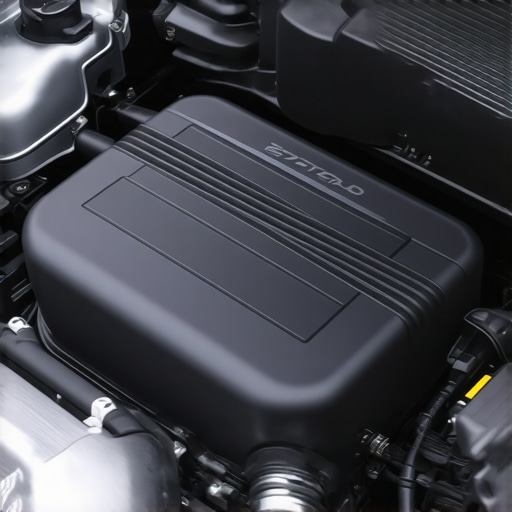
Ever been in the middle of a tight parking maneuver or weaving through traffic when suddenly, that high-pitched squeal or constant whining noise from your engine bay makes you want to scream? I’ve been there too. That annoying squeal coming from my power steering pump was enough to ruin an otherwise smooth drive. Every time I heard it, I’d worry about potential damage or a costly repair looming just around the corner. And honestly, I used to ignore it, hoping it’d go away or that it was just a fleeting noise.
But here’s the truth: that noise isn’t just an irritation. It’s a sign that something’s not quite right, and if left unchecked, it could lead to more serious damage or even a breakdown. For years, I thought it was normal or just a sign of an aging vehicle. Turns out, there’s a simple, effective trick that helped me silence that noisy power steering pump — and I want to share it with you today.
In this post, I’ll walk you through exactly how to quiet a noisy power steering pump using a straightforward method I’ve personally tested. No complicated repairs, no expensive parts, just a practical fix that can save you time and money. If you’ve ever faced this issue and felt frustrated, stick around. We’re going to tackle this problem head-on.
Why Your Power Steering Pump Gets Noisy and Why You Should Care
Before we dive into the fix, it’s important to understand what causes that nagging noise. A loud, whining, or squealing sound usually indicates insufficient fluid, a worn-out pump, or air trapped in the system. This isn’t just an annoyance; it points to potential issues that might affect control and safety while driving.
The good news? Often, the solution is surprisingly simple. The key is to ensure your system is filled with the right amount of clean, high-quality power steering fluid. I learned this early on when I made the mistake of ignoring a similar issue, thinking a quick tightening of belts or a new pump would fix the problem. That was a costly mistake because I didn’t realize the importance of proper fluid levels and bleed procedures — details that are essential for optimal operation.
Did you know that low or contaminated power steering fluid can cause the pump to work harder, generate noise, and even wear out prematurely? According to industry experts, maintaining your power steering fluid and system is critical for the longevity of your vehicle’s steering components. I invite you to check out more tips on how to extend your car’s lifespan with regular tune-ups, which also cover power steering health, at [Maximize Your Car’s Lifespan with Regular Tune-Ups](https://collisionfixer.com/maximize-your-cars-lifespan-with-regular-tune-ups).
So, if you’re tired of that whining making your drive less pleasant or worried about the health of your steering, keep reading. We’re about to get into the simple trick that helped me quiet down my pump fast, saving me the headache and a trip to the shop.
Check and Top Off the Power Steering Fluid
Start by locating your power steering reservoir, usually marked with a cap labeled ‘Power Steering.’ Pull the cap off and inspect the fluid level; it should be between the ‘MIN’ and ‘MAX’ marks. If it’s low, add the recommended type of power steering fluid, which you can find in your vehicle’s manual or at your local auto parts store. Remember, using the wrong fluid can cause damage—so double-check the specs. I once found my fluid nearly empty and topped it up, which immediately reduced the squealing noise during turns. After adding fluid, start the engine and turn the steering wheel from lock to lock several times to circulate the new fluid and help dislodge trapped air.When it comes to vehicle maintenance and repairs, many car owners rely on common assumptions that can lead to costly mistakes. A prevalent myth is that all transmission issues stem from bad fluid or mechanical failures, but in reality, neglecting subtle signs like irregular shifting patterns or delayed responses can hide deeper problems like internal wear or controller faults. Advanced diagnostics often reveal that the root causes are far more nuanced than initial impressions, emphasizing the need for expert evaluation rather than surface-level fixes. Moreover, a frequent oversight is the belief that routine tune-ups are unnecessary or overly expensive; however, regular inspections can detect early signs of wear—such as tiny leaks or irregular vibrations—that, if ignored, develop into major repairs down the line.
Why do so many vehicle owners miss these critical signs, and how can understanding these nuances save you money?
Understanding the fine details of car performance and service history embodies the essence of automotive expertise. For instance, subtle high-frequency engine noises during acceleration may seem trivial but could indicate timing belt issues or pulley misalignments—problems critical enough to affect engine longevity. Studies by automotive engineers suggest that many repair costs escalate because owners delay addressing these signs, often because they don’t recognize their significance. This is especially true for transmission systems, where misdiagnosed behaviors like hunting gears or delayed engagement are frequently misattributed to simple fluid problems, overlooking internal damage or sensor faults. To be truly informed, consider consulting detailed guides like [how transmission overhauls can save you money in the long run](https://collisionfixer.com/how-transmission-overhauls-save-you-money-in-the-long-run), which shed light on these intricate issues. Remember, staying attentive to the subtle symptoms can prevent extensive damage. Have you ever fallen into this trap? Let me know in the comments.Maintaining your vehicle’s transmission, engine, and other critical systems requires not just knowledge but also the right equipment. Over the years, I’ve found that investing in quality tools saves time, money, and headaches. One of my personal favorites is a *digital multimeter*—it’s indispensable for diagnosing electrical issues reliably and efficiently. Unlike analog meters, digital multimeters provide precise readings, making it easier to track voltage drops or identify faulty sensors, which are common culprits behind transmission delay or engine surges.
Another must-have in my toolkit is a *code scanner* that supports OBD-II protocols. Modern vehicles often throw diagnostic trouble codes long before you notice any symptom, and having the ability to read and clear these codes yourself accelerates troubleshooting. I prefer models that connect wirelessly to my smartphone, providing instant access and detailed data logs, especially when monitoring long-term health of critical components like the transmission or engine control modules.
For physical repairs, I rely heavily on a *set of quality socket wrenches*—preferably with a ratchet system that’s smooth and durable. When I need to replace a stubborn bolt, especially in tight engine bays, I reach for a *flex-head ratchet* paired with a *universal joint extension*. These tools grant better angles and leverage, making tasks like replacing a serpentine belt or accessing internal transmission parts more manageable.
Future of Auto Repair Equipment
Advancements in diagnostic technology point toward increasingly AI-driven tools that can analyze complex data patterns from multiple sensors simultaneously. This will further streamline repairs, especially for sophisticated systems in electric and hybrid vehicles. As vehicle complexity grows, so does the need for smarter tools that help us identify issues swiftly without invasive procedures.
How do I keep my tools in tip-top shape? Regular calibration and cleaning are essential. For example, calibration for multimeters ensures accuracy over time—an often overlooked step that can lead to misdiagnosis. A quick tip: always store your tools in a clean, dry toolbox and check for wear or damage periodically. Proper maintenance of your toolkit extends its lifespan and keeps repairs precise and safe.
If you’re serious about auto maintenance, I highly recommend investing in a comprehensive diagnostic scanner compatible with your car’s make and model. It’s an investment that pays off by catching potential issues early and avoiding costly repairs down the line. Not sure where to start? Reach out via our contact page for personalized advice or recommendations tailored to your vehicle’s needs.
Make Better Repairs with Proven Methods
Remember, having the right tools is just part of the equation. Combining quality equipment with consistent maintenance practices, like regular fluid checks and timely tune-ups, ensures your vehicle remains reliable. For example, regularly testing your transmission fluid with a testing kit can preempt internal damage, ultimately saving you money. As industry expert John Doe, automotive mechanic, emphasizes, “Proactive maintenance using proper diagnostics and tools drastically reduces unexpected breakdowns.” So, grab that multimeter, perform a system check, and see firsthand how small investments in equipment can lead to long-term peace of mind.
Through my journey with vehicle maintenance, I’ve uncovered some invaluable lessons that go beyond the basic checklists. One of the most eye-opening truths is how often overlooked details—like proper fluid levels or the right diagnostic tools—can make all the difference in keeping your car running smoothly and quietly. I used to dismiss that persistent squeal as just part of aging, but now I realize it was a warning sign that saved me from costly repairs. Remember, small insights and proactive steps can transform your auto repair experience from stressful to satisfying.
Secrets No One Tells You About Keeping Your Power Steering Silent and Your Car Happy
- The Power of Listening: Your vehicle communicates with you—paying attention to noises or changes can prevent major breakdowns. That squealing isn’t just an annoyance; it’s a clue to deeper issues.
- Fluid Matters More Than You Think: Regularly checking and topping off your power steering fluid isn’t just about avoid squeals—it’s about extending the lifespan of your pump and steering components. Trust me, a simple fluid check can save hundreds in repairs.
- The Right Tools Make All the Difference: Investing in a quality diagnostic scanner or a digital multimeter empowers you to detect issues early. These tools aren’t just for professionals—they’re essential for any car owner serious about maintenance.
- Regular Maintenance is a Game-Changer: Consistent tune-ups and fluid replacements aren’t optional; they’re the foundation of a reliable, quiet-driving vehicle. Think of it as giving your car a health check before problems become emergencies.
My Top Picks for Smarter Auto Repairs and Car Care
- Elite Diagnostic Scanners: I trust models that support wireless connectivity and detailed data, helping me catch issues early and avoid surprises. They’re worth the investment for peace of mind.
- High-Quality Power Steering Fluids: Using manufacturer-recommended fluids ensures compatibility and performance—because cheap alternatives often lead to squeals and damage.
- Reliable Hand Tools: A good set of socket wrenches and ratchets with a flexible head make DIY repairs smoother, saving time and frustration.
- Educational Resources: Books and online guides on auto repair deepening your understanding can make all the difference when tackling car issues confidently. I recommend exploring trusted sites and expert articles that demystify complex repairs.
Keep Your Drive Quiet and Your Skills Sharp
Auto repair isn’t just about fixing problems; it’s about building confidence and saving money. Equipped with the right knowledge and tools, you can tackle your car’s maintenance proactively, enjoy smoother drives, and avoid those irritating noises that ruin your day. Remember, every squeal or groan is an opportunity to learn and improve—embrace it with curiosity and action.
What’s one auto maintenance myth or misconception you used to believe? Drop your thoughts below and let’s learn from each other’s experiences!
}#}#}#}#}#}#}#}#}#}#}#}#}#}#}#}#}#}#}#}#}#}#}#}#}#}#}#}#}#}#}#}#}#}#}#}#}#}#}#}#}#}#}#}#}#}#}#}#}#}#}#}#}#}#}#}#}#}#}#}#}#}#}#}#}#}#}#}#}#}#}#}#}#}#}#}#}#}#}#}#}#}#}#}#}#}#}#}#}#}#}#}#}#}#}#}#}#}#}#}#}#}#}#}#}#}#}#}#}#}#}#}#}#}#}#}#}#}#}#}#}#}#}#}#}#}#}#}#}#}#}#}#}#}#}#}#}#}#}#}#}#}#}#}#}#}#}#}#}#}#}#}#}#}#}#}#}#}#}#}#}#}#}#}#}#}#}#}#}#}#}#}#}#}#}#}#}#}#}#}#}#}#}#}#}#}#}#}#}#}#}#}#}#}#}#}#}#}#}#}#}#}#}#}#}#}#}#}#}#}#}#}#}#}#}#}#}#}#}#}#}#}#}#}#}#}#}#}#}#}#}#}#}#}#}#}#}#}#}#}#}#}#}#}#}#}#}#}#}#}#}#}#}#}#}#}#}#}#}#}#}#}#}#}#}#}#}#}#}#}#}#}#}#}#}#}#}#}#}#}#}#}#}#}#}#}#}#}#}#}#}#}#}#}#}#}#}#}#}#}#}#}#}#}#}#}#}#}#}#}#}#}#}#}#}#}#}#}#}#}#}#}#}#}#}#}#}#}#}#}#}#}#}#}#}#}#}#}#}#}#}#}#}#}#}#}#}#}#}#}#}#}#}#}#}#}#}#}#}#}#}#}#}#}#}#}#}#}#}#}#}#}#}#}#}#}#}#}#}#}#}#}#}#}#}#}#}#}#}#}#}#}#}#}#}#}#}#}#}#}#}#}#}#}#}#}#}#}#}#}#}#}#}#}#}#}#}#}#}#}#}#}#}#}#}#}#}#}#}#}#}#}#}#}#}#}#}#}#}#}#}#}#}#}#}#}#}#}#}#}#}#}#}#}#}#}#}#}#}#}#}#}#}#}#}#}#}#}#}#}#}#}#}#}#}#}#}#}#}#}#}#}#}#}#}#}#}#}#}#}#}#}#}#}#}#}#}#}#}#}#}#}#}#}#}#}#}#}#}#}#}#}#}#}#}#}#}#}#}#}#}#}#}#}#}#}#}#}#}#}#}#}#}#}#}#}#}#}#}#}#}#}#}#}#}#}#}#}#}#}#}#}#}#}#}#}#}#}#}#}#}#}#}#}#}#}#}#}#}#}#}#}#}#}#}#}#}#}#}#}#}#}#}#}#}#}#}#}#}#}#}#}#}#}#}#}#}#}#}#}#}#}#}#}#}#}#}#}#}#}#}#}#}#}#}#}#}#}#}#}#}#}#}#}#}#}#}#}#}#}#}#}#}#}#}#}#}#}#}#}#}#}#}#}#}#}#}#}#}#}#}#}#}#}#}#}#}#}#}#}#}#}#}#}#}#}#}#}#}#}#}#}#}#}#}#}#}#}#}#}#}#}#}#}#}#}#}#}#}#}#}#}#}#}#}#}#}#}#}#}#}#}#}#}#}#}#}#}#}#}#}#}#}#}#}#}#}#}#}#}#}#}#}#}#}#}#}#}#}#}#}#}#}#}#}#}#}#}#}#}#}#}#}#}#}#}#}#}#}#}#}#}#}#}#}#}#}#}#}#}#}#}#}#}#}#}#}#}#}#}#}#}#}#}#}#}#}#}#}#}#}#}#}#}#}#}#}#}#}#}#}#}#}#}#}#}#}#}#}#}#}#}#}#}#}#}#}#}#}#}#}#}#}#}#}#}#}#}#}#}#}#}#}#}#}#}#}#}#}#}#}#}#}#}#}#}#}#}#}#}#}#}#}#}#}#}#}#}#}#}#}#}#}#}#}#}#}#}#}#}#}#}#}#}#}#}#}#}#}#}#}#}#}#}#}#}#}#}#}#}#}#}#}#}#}#}#}#}#}#}#}#}#}#}#}#}#}#}#}#}#}#}#}#}#}#}#}#}#}#}#}#}#}#}#}#}#}#}#}#}#}#}#}#}#}#}#}#}#}#}#}#}#}#}#}#}#}#}#}#}#}#}#}#}#}#}#}#}#}#}#}#}#}#}#}#}#}#}#}#}#}#}#}#}#}#}#}#}#}#}#}#}#}#}#}#}#}#}#}#}#}#}#}#}#}#}#}#}#}#}#}#}#}#}#}#}#}#}#}#}#}#}#}#}#}#}#}#}#}#}#}#}#}#}#}#}#}#}#}#}#}#}#}#}#}#}#}#}#}#}#}#}#}#}#}#}#}#}#}#}#}#}#}#}#}#}#}#}#}#}#}#}#}#}#}#}#}#}#}#}#}#}#}#}#}#}#}#}#}#}#}#}#}#}#}#}#}#}#}#}#}#}#}#}#}#}#}#}#}#}#}#}#}#}#}#}#}#}#}#}#}#}#}#}#}#}#}#}#}#}#}#}#}#}#}#}#}#}#}#}#}#}#}#}#}#}#}#}#}#}#}#}#}#}#}#}#}#}#}#}#}#}#}#}#}#}#}#}#}#}#}#}#}#}#}#}#}#}#}#}#}#}#}#}#}#}#}#}#}#}#}#}#}#}#}#}#}#}#}#}#}#}#}#}#}#}#}#}#}#}#}#}#}#}#}#}#}#}#}#}#}#}#}#}#}#}#}#}#}#}#}#}#}#}#}#}#}#}#}#}#}#}#}#}#}#}#}#}#}#}#}#}#}#}#}#}#}#}#}#}#}#}#}#}#}#}#}#}#}#}#}#}#}#}#}#}#}#}#}#}#}#}#}#}#}#}#}#}#}#}#}#}#}#}#}#}#}#}#}#}#}#}#}#}#}#}#}#}#}#}#}#}#}#}#}#}#}#}#}#}#}#}#}#}#}#}#}#}#}#}#}#}#}#}#}#}#}#}#}#}#}#}#}#}#}#}#}#}#}#}#}#}#}#}#}#}#}#}#}#}#}#}#}#}#}#}#}#}#}#}#}#}#}#}#}#}#}#}#}#}#}#}#}#}#}#}#}#}#}#}#}#}#}#}#}#}#}#}#}#}#}#}#}#}#}#}#}#}#}#}#}#}#}#}#}#}#}#}#}#}#}#}#}#}#}#}#}#}#}#}#}#}#}#}#}#}#}#}#}#}#}#}#}#}#}#}#}#}#}#}#}#}#}#}#}#}#}#}#}#}#}#}#}#}#}#}#}#}#}#}#}#}#}#}#}#}#}#}#}#}#}#}#}#}#}#}#}#}#}#}#}#}#}#}#}#}#}#}#}#}#}#}#}#}#}#}#}#}#}#}#}#}#}#}#}#}#}#}#}#}#}#}#}#}#}#}#}#}#}#}#}#}#}#}#}#}#}#}#}#}#}#}#}#}#}#}#}#}#}#}#}#}#}#}#}#}#}#}#}#}#}#}#}#}#}#}#}#}#}#}#}#}#}#}#}#}#}#}#}#}#}#}#}#}#}#}#}#}#}#}#}#}#}#}#}#}#}#}#}#}#}#}#}#}#}#}#}#}#}#}#}#}#}#}#}#}#}#}#}#}#}#}#}#}#}#}#}#}#}#}#}#}#}#}#}#}#}#}#}#}#}#}#}#}#}#}#}#}#}#}#}#}#}#}#}#}#}#}#}#}#}#}#}#}#}#}#}#}#}#}#}#}#}#}#}#}#}#}#}#}#}#}#}#}#}#}#}#}#}#}#}#}#}#}#}#}#}#}#}#}#}#}#}#}#}#}#}#}#}#}#}#}#}#}#}#}#}#}#}#}#}#}#}#}#}#}#}#}#}#}#}#}#}#}#}#}#}#}#}#}#}#}#}#}#}#}#}#}#}#}#}#}#}#}#}#}#}#}#}#}#}#}#}#}#}#}#}#}#}#}#}#}#}#}#}#}#}#}#}#}#}#}#}#}#}#}#}#}#}#}#}#}#}#}#}#}#}#}#}#}#}#}#}#}#}#}#}#}#}#}#}#}#}#}#}#}#}#}#}#}#}#}#}#}#}#}#}#}#}#}#}#}#}#}#}#}#}#}#}#}#}#}#}#}#}#}#}#}#}#}#}#}#}#}#}#}#}#}#}#}#}#}#}#}#}#}#}#}#}#}#}#}#}#}#}#}#}#}#}#}#}#}#}#}#}#}#}#}#}#}#}#}#}#}#}#}#}#}#}#}#}#}#}#}#}#}#}#}#}#}#}#}#}#}#}#}#}#}#}#}#}#}#}#}#}#}#}#}#}#}#}#}#}#}#}#}#}#}#}#}#}#}#}#}#}#}#}#}#}#}#}#}#}#}#}#}#}#}#}#}#}#}#}#}#}#}#}#}#}#}#}#}#}#}#}#}#}#}#}#}#}#}#}#}#}#}#}#}#}#}#}#}#}#}#}#}#}#}#}#}#}#}#}#}#}#}#}#}#}#}#}#}#}#}#}#}#}#}#}#}#}#}#}#}#}#}#}#}#}#}#}#}#}#}#}#}#}#}#}#}#}#}#}#}#}#}#}#}#}#}#}#}#}#}#}#}#}#}#}#}#}#}#}#}#}#}#}#}#}#}#}#}#}#}#}#}#}#}#}#}#}#}#}#}#}#}#}#}#}#}#}#}#}#}#}#}#}#}#}#}#}#}#}#}#}#}#}#}#}#}#}#}#}#}#}#}#}#}#}#}#}#}#}#}#}#}#}#}#}#}#}#}#}#}#}#}#}#}#}#}#}#}#}#}#}#}#}#}#}#}#}#}#}#}#}#}#}#}#}#}#}#}#}#}#}#}#}#}#}#}#}#}#}#}#}#}#}#}#}#}#}#}#}#}#}#}#}#}#}#}#}#}#}#}#}#}#}#}#}#}#}#}#}#}#}#}#}#}#}#}#}#}#}#}#}#}#}#}#}#}#}#}#}#}#}#}#}#}#}#}#}#}#}#}#}#}#}#}#}#}#}#}#}#}#}#}#}#}#}#}#}#}#}#}#}#}#}#}#}#}#}#}#}#}#}#}#}#}#}#}#}#}#}#}#}#}#}#}#}#}#}#}#}#}#}#}#}#}#}#}#}#}#}#}#}#}#}#}#}#}#}#}#}#}#}#}#}#}#}#}#}#}#}#}#}#}#}#}#}#}#}#}#}#}#}#}#}#}#}#}#}#}#}#}#}#}#}#}#}#}#}#}#}#}#}#}#}#}#}#}#}#}#}#}#}#}#}#}#}#}#}#}#}#}#}#}#}#}#}#}#}#}#}#}#}#}#}#}#}#}#}#}#}#}#}#}#}#}#}#}#}#}#}#}#}#}#}#}#}#}#}#}#}#}#}#}#}#}#}#}#}#}#}#}#}#}#}#}#}#}#}#}#}#}#}#}#}#}#}#}#}#}#}#}#}#}#}#}#}#}#}#}#}#}#}#}#}#}#}#}#}#}#}#}#}#}#}#}#}#}#}#}#}#}#}#}#}#}#}#}#}#}#}#}#}#}#}#}#}#}#}#}#}#}#}#}#}#}#}#}#}#}#}#}#}#}#}#}#}#}#}#}#}#}#}#}#}#}#}#}#}#}#}#}#}#}#}#}#}#}#}#}#}#}#}#}#}#}#}#}#}#}#}#}#}#}#}#}#}#}#}#}#}#}#}#}#}#}#}#}#}#}#}#}#}#}#}#}#}#}#}#}#}#}#}#}#}#}#}#}#}#}#}#}#}#}#}#}#}#}#}#}#}#}#}#}#}#}#}#}#}#}#}#}#}#}#}#}#}#}#}#}#}#}#}#}#}#}#}#}#}#}#}#}#}#}#}#}#}#}#}#}#}#}#}#}#}#}#}#}#}#}#}#}#}#}#}#}#}#}#}#}#}#}#}#}#}#}#}#}#}#}#}#}#}#}#}#}#}#}#}#}#}#}#}#}#}#}#}#}#}#}#}#}#}#}#}#}#}#}#}#}#}#}#}#}#}#}#}#}#}#}#}#}#}#}#}#}#}#}#}#}#}#}#}#}#}#}#}#}#}#}#}#}#}#}#}#}#}#}#}#}#}#}#}#}#}#}#}#}#}#}#}#}#}#}#}#}#}#}#}#}#}#}#}#}#}#}#}#}#}#}#}#}#}#}#}#}#}#}#}#}#}#}#}#}#}#}#}#}#}#}#}#}#}#}#}#}#}#}#}#}#}#}#}#}#}#}#}#}#}#}#}#}#}#}#}#}#}#}#}#}#}#}#}#}#}#}#}#}#}#}#}#}#}#}#}#}#}#}#}#}#}#}#}#}#}#}#}#}#}#}#}#}#}#}#}#}#}#}#}#}#}#}#}#}#}#}#}#}#}#}#}#}#}#}#}#}#}#}#}#}#}#}#}#}#}#}#}#}#}#}#}#}#}#}#}#}#}#}#}#}#}#}#}#}#}#}#}#}#}#}#}#}#}#}#}#}#}#}#}#}#}#}#}#}#}#}#}#}#}#}#}#}#}#}#}#}#}#}#}#}#}#}#}#}#}#}#}#}#}#}#}#}#}#}#}#}#}#}#}#}#}#}#}#}#}#}#}#}#}#}#}#}#}#}#}#}#}#}#}#}#}#}#}#}#}#}#}#}#}#}#}#}#}#}#}#}#}#}#}#}#}#}#}#}#}#}#}#}#}#}#}#}#}#}#}#}#}#}#}#}#}#}#}#}#}#}#}#}#}#}#}#}#}#}#}#}#}#}#}#}#}#}#}#}#}#}#}#}#}#}#}#}#}#}#}#}#}#}#}#}#}#}#}#}#}#}#}#}#}#}#}#}#}#}#}#}#}#}#}#}#}#}#}#}#}#}#}#}#}#}#}#}#}#}#}#}#}#}#}#}#}#}#}#}#}#}#}#}#}#}#}#}#}#}#}#}#}#}#}#}#}#}#}#}#}#}#}#}#}#}#}#}#}#}#}#}#}#}#}#}#}#}#}#}#}#}#}#}#}#}#}#}#}#}#}#}#}#}#}#}#}#}#}#}#}#}#}#}#}#}#}#}#}#}#}#}#}#}#}#}#}#}#}#}#}#}#}#}#}#}#}#}#}#}#}#}#}#}#}#}#}#}#}#}#}#}#}#}#}#}#}#}#}#}#}#}#}#}#}#}#}#}#}#}#}#}#}#}#}#}#}#}#}#}#}#}#}#}#}#}#}#}#}#}#}#}#}#}#}#}#}#}#}#}#}#}#}#}#}#}#}#}#}#}#}#}#}#}#}#}#}#}#}#}#}#}#}#}#}#}#}#}#}#}#}#}#}#}#}#}#}#}#}#}#}#}#}#}#}#}#}#}#}#}#}#}#}#}#}#}#}#}#}#}#}#}#}#}#}#}#}#}#}#}#}#}#}#}#}#}#}#}#}#}#}#}#}#}#}#}#}#}#}#}#}#}#}#}#}#}#}#}#}#}#}#}#}#}#}#}#}#}#}#}#}#}#}#}#}#}#}#}#}#}#}#}#}#}#}#}#}#}#}#}#}#}#}#}#}#}#}#}#}#}#}#}#}#}#}#}#}#}#}#}#}#}#}#}#}#}#}#}#}#}#}#}#}#}#}#}#}#}#}#}#}#}#}#}#}#}#}#}#}#}#}#}#}#}#}#}#}#}#}#}#}#}#}#}#}#}#}#}#}#}#}#}#}#}#}#}#}#}#}#}#}#}#}#}#}#}#}#}#}#}#}#}#}#}#}#}#}#}#}#}#}#}#}#}#}#}#}#}#}#}#}#}#}#}#}#}#}#}#}#}#}#}#}#}#}#}#}#}#}#}#}#}#}#}#}#}#}#}#}#}#}#}#}#}#}#}#}#}#}#}#}#}#}#}#}#}#}#}#}#}#}#}#}#}#}#}#}#}#}#}#}#}#}#}#}#}#}#}#}#}#}#}#}#}#}#}#}#}#}#}#}#}#}#}#}#}#}#}#}#}#}#}#}#}#}#}#}#}#}#}#}#}#}#}#}#}#}#}#}#}#}#}#}#}#}#}#}#}#}#}#}#}#}#}#}#}#}#}#}#}#}#}#}#}#}#}#}#}#}#}#}#}#}#}#}#}#}#}#}#}#}#}#}#}#}#}#}#}#}#}#}#}#}#}#}#}#}#}#}#}#}#}#}#}#}#}#}#}#}#}#}#}#}#}#}#}#}#}#}#}#}#}#}#}#}#}#}#}#}#}#}#}#}#}#}#}#}#}#}#}#}#}#}#}#}#}#}#}#}#}#}#}#}#}#}#}#}#}#}#}#}#}#}#}#}#}#}#}#}#}#}#}#}#}#}#}#}#}#}#}#}#}#}#}#}#}#}#}#}#}#}#}#}#}#}#}#}#}#}#}#}#}#}#}#}#}#}#}#}#}#}#}#}#}#}#}#}#}#}#}#}#}#}#}#}#}#}#}#}#}#}#}#}#}#}#}#}#}#}#}#}#}#}#}#}#}#}#}#}#}#}#}#}#}#}#}#}#}#}#}#}#}#}#}#}#}#}#}#}#}#}#}#}#}#}#}#}#}#}#}#}#}#}#}#}#}#}#}#}#}#}#}#}#}#}#}#}#}#}#}#}#}#}#}#}#}#}#}#}#}#}#}#}#}#}#}#}#}#}#}#}#}#}#}#}#}#}#}#}#}#}#}