
It happened to me on a blazing summer afternoon. I was cruising down the highway, enjoying the cool breeze and seamless drive—until I heard it. A high-pitched whistling sound started creeping in at speeds over 60 mph. At first, I thought it was just the wind, but as it grew louder, I realized I was dealing with a mystery that could spell trouble if ignored.
That’s when I decided to dig deeper. Turns out, that whistle wasn’t just an annoying noise; it was a warning sign of potential engine or exhaust issues. If you’ve ever experienced something similar, you know how unsettling it can be—especially when you’re miles from the nearest mechanic or repair shop.
The Unexpected Cost of Ignoring Engine Whistles
The truth is, those high-speed whistling sounds are more than just noise—they can indicate serious underlying problems. Left unchecked, they might lead to increased fuel consumption, engine damage, or even breakdowns. But here’s the good news: with a bit of knowledge and prompt action, you can pinpoint the cause and prevent costly repairs.
Today, I’ll share my experience and guide you through common reasons why your engine makes that peculiar whistling sound when you’re driving fast. Whether it’s a simple fix or something to watch out for, understanding what’s happening under the hood can save you time, money, and the headache of unexpected breakdowns.
Could This Be Just a Bad Tune-Up or Something Worse?
Many drivers underestimate the importance of regular maintenance, often dismissing unusual sounds as minor. However, I learned early on that neglecting even what seems like a small issue can escalate quickly. For example, I once ignored a slight whistle and paid the price with a more expensive repair later. Don’t be that person — take action early.
So, before you panic, let’s explore common reasons behind that high-speed whistle and how you can address them effectively. Think of it as giving your vehicle the attention it deserves, ensuring it runs smoothly and safely on every journey.
Ready to discover what your car might be trying to tell you? Keep reading, and I’ll walk you through the most common causes and simple solutions. And if you’ve faced this problem personally, share your story—I’d love to hear what worked for you!
Start with Visual Inspection of Hoses and Belts
In my own experience, the first step I took was to open the hood and look for obvious signs of wear, cracks, or loose belts. Compare the tension of the serpentine belt—if it’s loose or frayed, it could produce a high-pitched whistle. Use a flashlight to check hoses for leaks or gaps. If you notice any signs of damage, replacing these components is your immediate fix.
Ensure Proper Hose Clamps and Connections
Loose or corroded clamps can cause air leaks, resulting in whistling sounds. Tighten all clamps securely or replace corroded ones. This step often requires only a simple screwdriver but can resolve the issue immediately, saving you from bigger problems later.
Check for Exhaust Leaks
Exhaust leaks are common culprits behind high-speed whistles. To spot leaks, listen carefully under the vehicle or use a soapy water solution on exhaust joints—bubbles indicate leaks. If an exhaust leak is present, replacing the gasket or sealing the joint can eliminate the noise and improve engine performance. I learned this the hard way when a small gasket leak grew into a costly repair, so don’t ignore these signs.
Inspect Air Intake System for Leaks
The intake system, including the air filter housing and piping, can develop leaks that cause whistling. Disconnect and visually inspect all sections for cracks or disconnections. Apply a gentle spray of carb cleaner or soapy water while the engine runs—if the whistle intensifies near a particular connection, it indicates a leak. Secure or replace damaged parts accordingly.
Test the PCV Valve and Vacuum Lines
The Positive Crankcase Ventilation (PCV) valve regulates engine pressure and emissions. A faulty PCV valve or disconnected vacuum lines can produce a whistle. Remove the PCV valve and see if it’s clogged; replacing it is straightforward if dirty or malfunctioning. Similarly, inspect vacuum lines for cracks or disconnections and replace as needed. This step is crucial because these small components often cause big noises if neglected.
Use a Soapy Water Solution for Leak Detection
Applying a soapy water mixture to suspect areas can help identify leaks by forming bubbles when air escapes. This technique is simple but powerful, much like plumbing repairs. I used it while inspecting my car’s intake manifold, and it pointed me directly to a crack that was causing the whistle. Repairing or sealing these leaks stopped the noise instantly and restored my confidence on the highway.
Consider Professional Diagnostics for Persistent Issues
If you’ve gone through all these steps but the whistle persists, it might be time to seek expert help. Modern engines use sensors and complex systems that are best diagnosed with specialized tools. A reputable mechanic can perform a smoke test to detect hidden leaks or use a diagnostic scanner to identify sensor malfunctions. Remember, timely diagnosis prevents costly breakdowns—it’s worth investing in professional opinion if you’re stuck.
In summary, diagnosing a high-speed whistle involves a systematic check of hoses, belts, exhaust, intake, and small sensors. Each step is designed to eliminate common causes with minimal expense and effort. Keep in mind that regular maintenance and prompt attention to unusual sounds can save you from major repairs and ensure your vehicle runs smoothly on every trip.
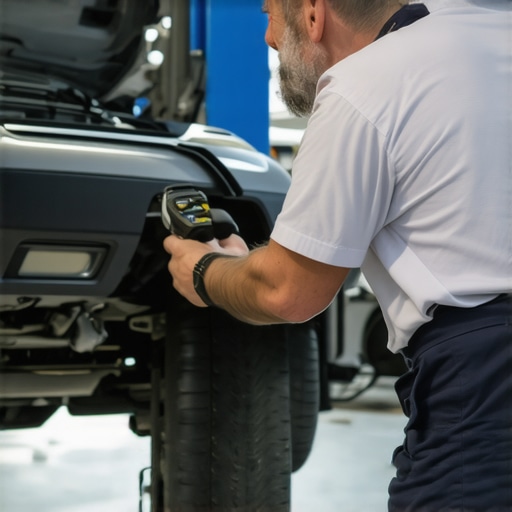 Many car owners believe that a quick oil change or a simple tune-up is all that’s needed to keep their vehicles running smoothly. However, the truth is, there’s a lot of nuance and misconceptions in the auto repair world. One common myth is that regular maintenance tasks like oil changes or transmission flushes are enough to prevent major issues, but in my experience, overlooking detailed diagnostics and understanding the intricacies of systems like the transmission can lead to costly repairs down the line. For instance, many assume a transmission overhaul is always expensive, but as explained in [how transmission overhauls save you money in the long run](https://collisionfixer.com/how-transmission-overhauls-save-you-money-in-the-long-run), timely comprehensive repairs can actually extend your car’s lifespan and reduce expenses. A prevalent trap is the belief that all mechanics are the same; this is far from reality. Skilled technicians perform advanced diagnostics that go beyond basic parts replacements. They analyze sensor data, identify subtle issues, and prevent escalation, which is especially crucial for complex systems like the transmission or collision repair needs. You might be surprised to learn that not all auto shops conduct thorough checks before recommending expensive repairs. Instead, they might focus on quick fixes or parts replacement, which won’t address root causes and might lead to recurring problems. Another misconception is regarding tune-ups. Some drivers think that once a vehicle runs smoothly, no further attention is needed until the next scheduled service. But, regular, detailed inspections—like those highlighted in [maximizing your car’s lifespan with regular tune-ups](https://collisionfixer.com/maximize-your-cars-lifespan-with-regular-tune-ups)—are essential for catching early signs of wear, especially in critical components such as spark plugs, alternators, and sensors. Failing to understand the nuances of these parts can result in unpredictable breakdowns, especially under stress conditions like hot summer drives or long-distance travel. An advanced mistake many make is neglecting the importance of diagnostic tools. Relying solely on visual inspections or sudden symptoms may cause you to miss silent, developing issues. For example, subtle transmission slipping might be ignored until it causes a sudden breakdown, but with proactive diagnostics, as discussed [here](https://collisionfixer.com/top-signs-your-car-needs-expert-auto-repair-now), these signs can be detected early, saving both time and money. Make sure to question whether the mechanic is using modern diagnostic technology; it’s an investment in your vehicle’s health. Be cautious of the ‘quick fix’ mentality often perpetuated by inexperienced or untrustworthy shops. This is particularly risky when dealing with critical systems like the collision repair process, where hidden damages can lurk beneath seemingly minor dents or paintwork. Learning how to spot root causes, instead of just surface problems, is vital. Do you know that misdiagnosing even tiny impact damages can compromise the integrity of your vehicle’s frame and safety systems? Always advocate for a comprehensive inspection and trust experienced professionals. To sum up, understanding these nuances and avoiding common pitfalls can significantly extend your vehicle’s lifespan and safety. Don’t fall into the trap of superficial repairs or assumptions—invest in quality diagnostics and expert advice. Have you ever fallen into this trap? Let me know in the comments.
Investing in Quality Diagnostics and Maintenance Equipment
When it comes to maintaining your vehicle over the long term, having the right tools is as crucial as understanding how your car works. I personally rely on a high-quality OBD-II scanner like the BlueDriver Bluetooth Pro because it provides comprehensive real-time data and can diagnose a wide range of engine and transmission issues. Unlike generic code readers, this device interfaces seamlessly with my smartphone, offering detailed reports that help me spot problems early, often before they escalate into costly repairs. Regularly using such a scanner allows me to keep tabs on critical sensors and systems, including those monitored by complex modules like the PCM (Powertrain Control Module), which is vital for smooth transmission operation (see our guide for more insights). As technology advances, expect these tools to become even more precise, offering augmented diagnostic features via AI-driven insights.
Practical Test Equipment for Daily Checks
Another essential tool I use is a vacuum leak detector. It might sound old-fashioned, but a simple handheld vacuum pump combined with soapy water remains one of the best ways to locate leaks in hoses and intake manifolds. These leaks can cause inefficiencies in your fuel and air mixture, leading to rough idling or even stalling, as explained by expert tips here. I keep mine in my toolbox and perform quick checks during routine oil changes or tune-ups to catch problems before they affect long-term engine health.
Streamlining Long-Term Results with Software Solutions
For tracking vehicle maintenance history and scheduling future services, I turn to software like AutoFluent. This program not only stores all my service records but also alerts me when specific components, like spark plugs or transmission fluid, are approaching their service intervals. Staying ahead of schedule ensures components last longer and perform better, aligning with advice from our ongoing series on maximizing your car’s lifespan. Modern diagnostics and service software act as a virtual mechanic, providing a data-driven approach that minimizes unexpected breakdowns and maximizes your vehicle’s value over time.
Where Do I See Auto Maintenance Going?
Looking ahead, the trend towards predictive maintenance using AI and IoT (Internet of Things) devices is set to revolutionize personal vehicle care. Embedded sensors will continuously monitor critical parts—like transmissions, brakes, and suspensions—alerting you proactively through your smartphone or even your car’s dashboard. My prediction is that in the next decade, a combination of robust diagnostics tools and machine learning algorithms will enable vehicle owners to perform repairs with detailed virtual guidance, ultimately reducing shop visits and repair costs.
How do I maintain my vehicle’s systems over time?
One actionable step you can take today is to acquire a reliable OBD-II scanner, perform regular diagnostic checks, and follow recommended maintenance schedules diligently. Implementing software tools to track your maintenance history and upcoming needs ensures nothing slips through the cracks. For instance, regularly inspecting and testing components like your fuel pump and vacuum lines—using simple tools and techniques outlined in our guides—can prevent failures that strand you unexpectedly. I recommend trying the vacuum leak detection method I mentioned earlier; it’s inexpensive, effective, and empowers you to catch issues early, saving you money and stress in the long run.
What I Wish I Knew Before Ignoring That Whistle
The hardest lesson I learned about car service and auto repair was realizing that even tiny noises hold valuable clues. Ignoring the high-pitched whistle at 60 mph led me down a costly path because I didn’t trust my instincts or investigate thoroughly. Now, I know that every sound, from a faint hum to a sharp squeal, warrants attention to prevent bigger problems.
Another insight came from the myth that complex issues require complex solutions. Sometimes, a loose hose clamp or a cracked vacuum line is all that’s needed to fix a noise. Simplicity often triumphs over unnecessary parts replacement—saving time and money, and keeping your vehicle safer on the road.
Additionally, the misconception that regular maintenance alone can prevent major breakdowns isn’t entirely true. While routine tune-ups and oil changes are essential, proactive diagnostics and listening to your vehicle’s unique signals make all the difference. Embracing this mindset transformed how I approach auto repair, turning it into a preventive rather than reactive process.
My Toolbox of Resources That Keep My Car Happy
I rely heavily on a high-quality OBD-II scanner like the BlueDriver Bluetooth Pro. It’s my window into real-time engine health, helping me catch issues early—before they escalate into costly repairs. This tool has become an invaluable part of my auto care routine, giving me confidence in tackling minor problems myself.
For leak detection, I trust a simple vacuum leak tester and soapy water. These inexpensive, easy-to-use supplies enable me to find hidden issues in hoses and intake manifolds, saving me from surprise breakdowns. Knowing how to use these tools effectively makes car maintenance approachable and empowering.
I also depend on software like AutoFluent to keep track of service dates and monitor crucial components. Staying on top of scheduled maintenance with digital reminders minimizes risks and extends my vehicle’s lifespan. Modern tools and apps have truly made auto care smarter and more accessible for everyone.
Charging Into the Future of Car Care with Confidence
The future of auto repair is swirling with promises of predictive diagnostics and AI-guided maintenance. Embedded sensors in vehicles will notify you of issues long before symptoms manifest, transforming car ownership from a reactive task into a proactive practice. This shift not only enhances safety but also reduces repair costs over time.
To stay ahead, I recommend investing in reliable diagnostic tools now—like a good OBD-II scanner—and adopting software that tracks your maintenance history. Performing regular checks, such as leak detection with simple techniques I’ve shared, helps you address problems early, safeguarding your driving experience.
Remember, vehicle health isn’t just about fixing what’s broken but understanding and respecting your car’s language. Your attentive approach today ensures smoother journeys tomorrow. Have you ever caught a small issue early and saved yourself a big headache? Share your story below—your insights might inspire someone else to listen more closely to their vehicle’s signals.