
I’ll never forget the day I rolled to a stoplight, only to feel that sudden blast of warm air coming from my car’s heater. It was almost laughable—here I was, stuck in traffic, expecting a cool, comfortable cabin, and instead, I was baking in my own vehicle. That light became a moment of realization: something wasn’t right with my cooling system. And I knew I wasn’t alone in this frustrating experience.
Struggling with Warm Air When You Just Want a Cool Ride?
If you’ve ever sat at a red light and felt your car’s interior heating up like a sauna, you’re probably asking yourself, why does my car blow warm air when I’m stopped? It’s a question many drivers face, especially during hot summer months or after months of neglecting regular vehicle maintenance. The good news is, in many cases, it’s a straightforward fix—once you know what to look for. Today, I’ll walk you through what causes this issue and share some personal tips I’ve picked up along the way to keep your car cool and comfortable.
Ever Thought You Could Fix It Without a Trip to the Mechanic?
When I first encountered this problem, I jumped to the worst-case scenario: a blown heater core or a major coolant leak. Turns out, a lot of the time, it’s something simpler, like low coolant levels or a stuck thermostat. I made the mistake early on of ignoring small signs, thinking they weren’t a big deal, only to end up with more costly repairs. Trust me, taking a proactive approach and understanding the root causes can save you time and money. For more on how regular tune-ups can prevent these headaches, check out this guide.
Why Your Cooling System Might Be Failing You
One of the most common reasons your car blows warm air when stopped is low coolant levels. Think of your coolant as the lifeblood of your engine’s cooling system. When it’s too low, the heat isn’t properly transferred away, causing the heater to blow warm air instead of cool. Another culprit might be a faulty thermostat that gets stuck in the closed position, trapping heat inside. Also, a clogged radiator or a malfunctioning radiator fan can contribute to overheating, which directly impacts the temperature of the air blowing into your cabin.
According to automotive experts, neglecting regular coolant checks is a leading cause of these issues. It’s a simple fix—just keep an eye on your coolant levels and replace it according to your vehicle’s maintenance schedule. If you’re unsure whether your coolant levels are adequate or if your radiator fan is working properly, don’t hesitate to consult a trusted mechanic. You can also learn more about how to enhance your car’s health at this resource.
Is Your Car’s Heating Problem Worth the Cost?
It’s natural to wonder if tackling this issue is worth the effort or expense. My honest advice? Addressing cooling system problems early can prevent costly damage, like engine overheating or head gasket failure. Plus, it restores your comfort and peace of mind. Now that I’ve shared my initial insights, let’s dive into the practical steps to diagnose and fix the problem—so next time you stop at a light, you won’t be left wondering what’s going wrong.
Have you faced this warm air dilemma with your vehicle? I’d love to hear about your experience or any tips you’ve picked up along the way. Remember, keeping your car in top shape isn’t just about avoiding breakdowns—it’s about making every drive enjoyable and stress-free.
Check the Coolant Level First
Begin by inspecting your coolant reservoir; it’s like checking your body’s hydration level before a workout. If the coolant is below the ‘min’ line, your cooling system isn’t able to transfer heat effectively, causing warm air in the cabin. I remember when I first did this, I found my coolant tank nearly empty, which explained the warm air. Topping it up with the manufacturer-approved coolant restored the cool breeze inside my car and prevented future overheating issues. Regularly monitor coolant levels to keep your system in prime condition. For detailed guidance, visit this resource.
Test and Replace the Thermostat
Think of the thermostat as your car’s ‘temperature gatekeeper’. If it gets stuck closed, it traps hot coolant, leading to overheating and warm interior air. To test it, remove the thermostat and place it in boiling water; if it doesn’t open, it’s failed. Replacing a stuck thermostat is straightforward—just disconnect the old one and install a new unit. I replaced mine after noticing inconsistent heater performance, and it made a noticeable difference. Always ensure you buy the correct thermostat model for your vehicle. Need help? Check out this guide.
Inspect Radiator and Fans
The radiator is like your car’s cooling shield, dissipating heat from the coolant. A clogged radiator or a malfunctioning fan can cause heat buildup, leading to warm cabin air. Start by checking if the radiator fins are clogged with debris or dirt—use compressed air or a soft brush to clean them. Then, turn on the engine and see if the radiator fan kicks in; if it doesn’t, it may be broken. Replacing a fan or flushing the radiator with a coolant flush can restore proper cooling, much like cleaning a clogged blood vessel improves circulation. Regular radiator maintenance can help you avoid this step altogether. For more maintenance tips, visit this resource.
Verify Heater Core Functionality
The heater core acts like a small radiator inside your car, providing heat to the cabin. If it’s clogged or leaking, warm air will prevail despite your efforts elsewhere. To check, feel the hoses connected to the heater core; if one is hot and the other cold, it might be obstructed. Flushing the heater core or replacing it can fix the problem. I once flushed my heater core with a special cleaning solution—this temporarily improved hot air flow, but in a stubborn case, replacement was necessary. Preventative flushing during regular maintenance can save you from surprise warm-air blowouts. For comprehensive repair advice, see this guide.
Schedule Regular Tune-Ups to Keep Cool
Think of routine tune-ups as your car’s annual health checkup. They help catch potential issues—like low coolant or faulty thermostats—before they become major headaches. During a tune-up, mechanics check the entire cooling system, including hoses, belts, and sensors, ensuring everything runs smoothly. I learned this the hard way when neglecting my radiator fan led to overheating on a road trip. Regularly scheduled maintenance, as outlined in this article, keeps your engine cool and your drive comfortable. Don’t wait for the heat to become unbearable—stay ahead of cooling issues with consistent service.When it comes to car maintenance, many enthusiasts and everyday drivers alike fall for misconceptions that can lead to costly mistakes. Let’s cut through the noise and uncover some overlooked nuances that every attentive car owner should know.
What do most people misunderstand about transmission repairs?
A widespread myth is that all transmission issues require a complete overhaul. In reality, modern diagnostic tools can often pinpoint specific faulty components, saving time and money. For instance, replacing a failing solenoid or sensor can restore functionality without a full rebuild, as highlighted in this detailed guide. Additionally, many believe synthetic oils are unnecessary or overly expensive; however, experts prove that synthetic transmission fluids reduce friction and wear, extending service intervals, which supports more reliable performance over time.
Don’t fall into the trap of neglecting fluid quality or levels—these are critical for transmission longevity. Regularly checking your fluid condition isn’t just maintenance lore; studies, such as those published in automotive engineering journals, show that contaminated or degraded transmission fluid accelerates component wear, leading to harsher shifting and eventual failure. Better yet, proper fluid maintenance can dramatically delay expensive transmission overhauls, which the industry estimates can cost upwards of a few thousand dollars.
“Transmission longevity depends heavily on early detection of small faults, combined with proper maintenance,”
says Dr. Jenna Lee, automotive expert and engineer. Keep this in mind when scheduling your next service appointment.
What about routine auto repairs? Many drivers underestimate how critical regular tune-ups are for preventing advanced issues. It’s not just about keeping the engine running smoothly but also about catching small problems before they spiral. For example, neglecting aged spark plugs can cause misfires, reducing fuel efficiency and stressing your ignition system. Proactive tune-ups, as discussed in this article, can lengthen your vehicle’s life and improve safety.
Here’s a sneaky mistake to avoid: assuming that repair shops always recommend the most cost-effective service. Some shops might push for unnecessary repairs or up-sell services you don’t need, which is why it’s vital to be informed and ask questions. Remember, transparency and trust are key. When in doubt, consulting reputable sources, like CollisionFixer, can ensure your repairs are justified and necessary.
Have you ever fallen into this trap? Let me know in the comments. Staying educated about the intricacies of car maintenance not only saves you money but also empowers you to make smarter decisions on the road. Dive deeper into our guides, especially if you’re planning a transmission overhaul or need reliable tips for your next auto service.
Investing in Reliable Equipment Makes All the Difference
When it comes to auto repair and routine maintenance, having the right tools on hand saves both time and money. I personally swear by a high-quality digital multimeter, like the Fluke 115, which I use to diagnose electrical issues such as faulty sensors or wiring problems. Its precision and durability have proven invaluable over countless projects. For fluid level checks and top-offs, a transparent funnel with a fine mesh strainer helps me avoid introducing contaminants into vital systems like coolant and transmission fluid. Regularly updating my toolkit with a reliable torque wrench, such as the Tekton 24335, ensures bolts are tightened to manufacturer specs, which is critical during engine or suspension work.
Using test lights and a quality OBD-II scanner allows me to quickly identify error codes and interpret sensor data. I prefer the BlueDriver Bluetooth Pro because it connects seamlessly to my smartphone and offers detailed diagnostics. This helps me track persistent issues, like subtle sensor failures that could cause misfires or transmission hunts, as explained in this detailed guide. Investing in these tools means I can address many problems myself, which is especially helpful for ongoing maintenance like tune-ups, or preemptive checks before long trips.
Tech Smarts for Long-Term Performance
Modern vehicles are embedded with sensors and control modules, making software-based diagnostics an essential part of each maintenance routine. I rely heavily on professional-grade diagnostic software like Snap-on’s Verus Pro, which, although pricey, offers comprehensive diagnostics far beyond generic scanners. It enables me to see real-time data, clear error codes, and monitor sensor performance, helping to catch issues early—reducing the likelihood of expensive repairs later. For example, keeping an eye on throttle position sensors or the transmission control module through this software can prevent overhauls, aligning with advice from industry experts.
Looking ahead, I predict that as vehicle technology becomes even more integrated, tools like AI-driven diagnostic systems will become standard for DIY enthusiasts. The ability to analyze complex data patterns and predict failures before they happen will revolutionize car maintenance, making it more proactive than reactive.
How do I maintain tools and software over time?
Routine calibration and updates are key. Regularly calibrate testing equipment, and ensure diagnostic software is up-to-date to interpret newer vehicle models accurately. Maintaining a clean, organized workspace for your tools also prolongs their lifespan and keeps your troubleshooting process efficient. Personally, I dedicate time quarterly to review and upgrade my toolkit, which consistently pays off during unexpected breakdowns or scheduled tune-ups. Whether performing simple oil changes or intricate sensor recalibrations, these practices help me keep my vehicle running smoothly for the long haul. To learn more about comprehensive vehicle care, explore this resource.
Ready to elevate your auto maintenance game? Start by trying out a professional-grade diagnostic scan with your current OBD-II reader, or consider investing in a new sensor testing kit. This small step can reveal underlying issues you might have overlooked, ensuring your vehicle stays dependable for miles to come. Remember, consistent maintenance coupled with the right tools is your best bet for avoiding costly repairs down the line.
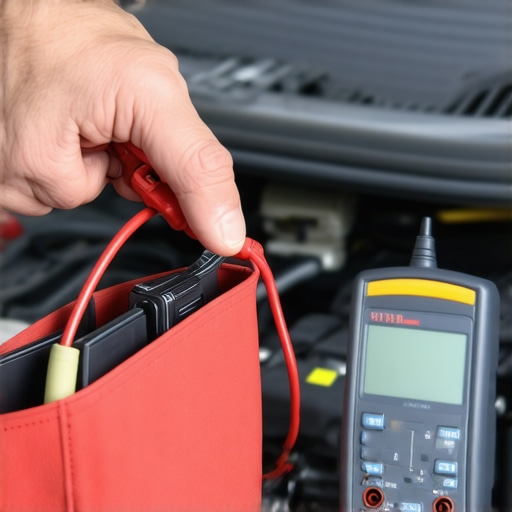
Image suggested: A close-up of a mechanic’s hand using a high-quality digital multimeter and OBD-II scanner on a car’s engine bay, highlighting the importance of advanced diagnostic tools.
What I Wish I Knew Before My First Transmission Overhaul
- Pay attention to early signs of transmission trouble; catching small issues like slipping or delayed shifts can save thousands in repairs later. I once ignored slight hesitation and paid the price with a costly rebuild. It’s all about proactive care.
- Choosing quality fluids isn’t just a recommendation—it’s a necessity. Synthetic transmission oils, though pricier initially, provide better lubrication and longevity, proving their worth over time. Trust me, cheap fluids are false economy.
- The importance of regular diagnostics cannot be overstated. Using reliable tools or consulting with experts helps detect hidden faults, preventing unexpected breakdowns during crucial drives.
- Never underestimate routine maintenance, such as changing filters and inspecting seals. These small steps extend transmission life significantly.
- Embrace understanding your vehicle’s specific needs; what works for one model may not be ideal for another. Personalized care tailored to your car’s make and age yields the best results.
My Go-To Resources for Auto Care Confidence
- CollisionFixer Guides: Their comprehensive articles and diagnostic tips have transformed my approach to auto repair, making me more self-reliant. The detailed troubleshooting sections are gold.
- High-Quality Diagnostic Tools: Devices like the BlueDriver Bluetooth scanner offer real-time insights and error code interpretations, saving trips to the shop and helping me verify repairs myself.
- Trusted Forums and Communities: Engaging with fellow DIY enthusiasts and professional mechanics on platforms such as automotive forums connected through CollisionFixer has provided invaluable practical advice and reassurance.
- Vehicle-Specific Manuals: Investing in original service manuals ensures I get accurate, detailed procedures tailored to my car, reducing guesswork and potential errors.
Stay Proactive and Keep Your Transmission Running Smoothly
Your transmission is the heart of your vehicle’s journey, and giving it genuine attention today can pay off with miles of trouble-free driving tomorrow. Remember, the most effective auto care comes from curiosity, education, and the willingness to act early. Every step you take to learn more about your vehicle’s needs makes you a smarter, safer driver. Are you ready to take control of your auto health and enjoy the confidence that comes with being prepared? Share your experiences or questions below—let’s keep our transmissions happy and reliable together!
,