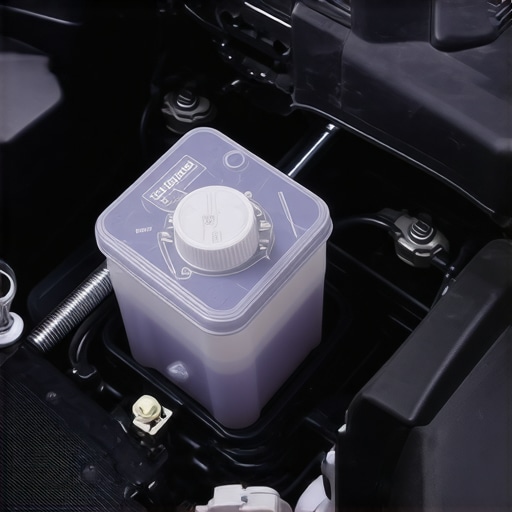
Ever been behind the wheel when suddenly, that annoying whining starts? You turn your steering wheel, expecting a smooth glide, but instead, you’re met with a high-pitched whine that just won’t quit. I’ve been there more times than I care to admit, and let me tell you, it gets pretty frustrating—especially when you’re trying to enjoy a peaceful drive or get somewhere on time. That moment of realization that your power steering fluid might be the culprit can be a real lightbulb moment for any car owner.
Why Power Steering Fluid Can Make Your Car Sing a Sad Song
Is Your Power Steering Fluid Actually Worth the Hype?
One of my early mistakes was neglecting the power steering fluid altogether. I thought it was just like any other fluid—something that just needed a quick check once in a while. Turns out, ignoring it can lead to that unmistakable whining, which is often a sign your fluid is low, old, or contaminated. According to automotive experts, a well-maintained power steering fluid system is essential for quiet, effortless steering. Neglecting this can wear out your power steering pump or even ruin your pump altogether, leading to costly repairs that could have been avoided with a simple fluid check. Curious if your fluid needs a refresh or if your pump is just having a bad day? If you’re experiencing steering issues or strange noises, it might be time to investigate further. You can learn more about how transmission overhauls can save you money in the long run, but for now, let’s focus on that pesky fluid that whines and how to fix it.
Check the Power Steering Fluid Level Immediately
Start by locating your vehicle’s power steering reservoir—usually a small, translucent tank near the engine. With the engine off, wipe the dipstick clean and then check the fluid level. If it’s below the minimum mark, top it off with the recommended type of power steering fluid, which you can find in your owner’s manual or at your local auto parts store. Think of this step as giving your car a quick blood test—if it’s dehydrated, it can’t perform properly.
Inspect for Leaks and Contamination
If your fluid level is low despite topping it up, look for leaks around the power steering pump, hoses, and rack. Place a clean paper towel under these components and check for fresh fluid after a few minutes. Contaminated fluid, often dark and gritty, can cause whining. Drain and replace old fluid if necessary—this is akin to flushing out toxins that impair performance.
Replace Worn or Damaged Components
Assess the Power Steering Pump
Turn on your engine and listen closely for whining sounds. If the pump is noisy despite proper fluid levels, it might be failing. A worn pump can be likened to a tired muscle—strain and squeal under pressure. Replacing a pump can be straightforward or complex depending on your vehicle, but if you’re experienced with auto repairs, this is a repair worth tackling.
Examine the Serpentine Belt
The belt drives your power steering pump. If it’s cracked, loose, or glazed, it can cause slipping and whining. Inspect visually for wear and replace if necessary. Think of the belt as the heartbeat of the system—if it’s weak, everything suffers.
Test and Adjust the Power Steering System
After topping off and replacing parts, start the engine and turn the steering wheel from lock to lock. Notice any lingering noise or stiffness. Low or contaminated fluid, or a failing pump, will usually present with these symptoms. Some vehicles may need a fluid bleed procedure—locate specific instructions in your manual or trusted repair guides.
Seek Professional Help If Needed
If noise persists despite these steps, it might be time to consult an auto mechanic. A professional can perform a pressure test and further diagnostics, preventing costly damage down the line. Don’t forget, regular maintenance extends your car’s lifespan—consider scheduling a tune-up here.
 When it comes to car maintenance, many drivers stick to the basics, believing that a simple tune-up or routine service will keep their vehicle in top shape. However, as an auto repair enthusiast and industry insider, I can tell you that there’s a lot more beneath the surface—common myths, forgotten details, and advanced pitfalls that could cost you if you’re unaware. Let’s dig deeper into what most people get wrong about car care and the nuances that could make all the difference.
One prevalent misconception is that regular tune-ups are purely about replacing spark plugs and filters. While these are essential, many overlook the significance of diagnosing underlying issues that may not be apparent to the untrained eye. For instance, routine inspections might miss early signs of transmission wear or subtle engine misfires that, if left unchecked, can escalate into costly repairs. The real expert move is to adopt a holistic approach—regularly check engine codes, evaluate fluid condition, and inspect sensors, which many DIY enthusiasts neglect.
A common trap is assuming that all auto repairs or services are created equal. Not all repair shops follow the same standards, and some may prioritize quick fixes over long-term solutions. This misunderstanding can lead to repetitive problems that keep reappearing after short-term fixes. For example, a transmission overhaul isn’t just about replacing worn parts; it’s about identifying the root cause—like a faulty solenoid or clogged fluid passages—that may have triggered the issue initially. According to studies from automotive engineers, addressing root causes rather than surface symptoms significantly extends vehicle lifespan.
**What advanced mistakes do drivers often make when dealing with car repairs?**
Many overlook the importance of using high-quality, vehicle-specific parts during repairs. Choosing generic or mismatched components might save money initially but can lead to premature failures and more expenses down the line. Additionally, the psychology of DIY repairs can be a trap—think you’re saving money, but in reality, improper fixes can destabilize critical systems like your transmission or suspension.
Furthermore, ignoring the importance of comprehensive maintenance schedules fuels the misconception that occasional service suffices. For example, neglecting to perform transmission fluid flushes at recommended intervals can drastically reduce transmission health, leading to early failures. In fact, expert advice suggests that regular transmission overhauls can save you significant money in the long run, reinforcing the idea that proactive maintenance isn’t just advice—it’s a strategy supported by data and industry experience. (Learn more about this here.)
**Beware the false sense of security** that comes with simple maintenance routines. Many drivers believe that topping off fluids or changing filters is all that’s needed. But neglecting diagnostic scans or deeper inspections can allow small issues to snowball into major breakdowns. Remember, the difference between a good repair and a bad one often lies in the details—those that only industry professionals typically spot.
Taking your car to a trusted, experienced auto repair shop like Collision Fixer ensures not just the immediate fix but also the long-term health of your vehicle. If you’re curious about how to extend your vehicle’s lifespan beyond standard maintenance, check out their comprehensive tips on maximizing your car’s lifespan. Also, don’t forget to inspect your vehicle regularly and stay alert to minor symptoms that could be signs of bigger problems.
Have you ever fallen into this trap? Let me know in the comments.
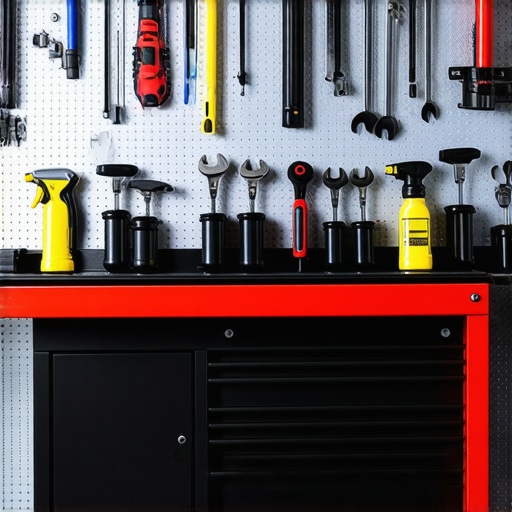
Maintaining your vehicle’s performance over the long haul requires the right tools and a systematic approach. From diagnostic equipment to hand tools, investing in quality gear can save you money and frustration. I personally rely on a few specific tools that have proven invaluable in my auto repair routine, and I recommend them to any fellow car enthusiast dedicated to keeping their ride running smoothly.
Digital Diagnostic Scanners: Your Car’s Health Report Card
First and foremost, a reliable OBD-II scanner is a must-have. I use the 20-tool diagnostic kit because it provides comprehensive data, including live sensor readings and error codes. This device helps me quickly identify issues like misfires or transmission faults without relying solely on guesswork. Modern scanners often come with smartphone connectivity, making it easier to track trends over time and plan future maintenance.
Quality Hand Tools for Precision Repairs
Beyond diagnostics, good hand tools are critical. I swear by metric socket sets and wrenches with ergonomic designs—tools that can handle everything from changing a spark plug to replacing a timing belt. Never skimp on quality here; cheap tools tend to slip or break, risking damage to sensitive components. Investing in a durable ratchet set has paid off countless times for me, especially during complex projects like transmission fluid changes.
Cleaning and Inspection Equipment for Long-Term Care
Keeping your engine bay and undercarriage spotless not only looks good but also helps identify potential problems early. I employ a high-pressure water blaster and specific degreasers to maintain cleanliness. Additionally, a flashlight with a focused beam allows me to inspect brake pads, belts, and hoses thoroughly. Regular visual checks prevent minor issues from turning into major repairs.
Future Trends: Embracing AI and Automation in Car Maintenance
Looking ahead, I believe the integration of artificial intelligence and machine learning will revolutionize automotive diagnostics. Imagine software that predicts component failure before symptoms appear, or robots conducting routine maintenance autonomously. As these technologies become more accessible, DIY enthusiasts will benefit from smarter tools capable of providing detailed insights and guided repair instructions—making car upkeep more efficient and less intimidating.
How Do I Maintain My Car Over Time
Consistent, scheduled maintenance is key. Use your diagnostic tools regularly to monitor sensor data, and keep a detailed log of repairs and fluid changes. For example, adhering to recommended tune-up intervals ensures that systems like your transmission remain healthy and perform optimally. Don’t forget to invest in quality tools; they’re an extension of your skills and can make complex repairs manageable. Want to learn more about protecting your investment? Reach out to experts at Collision Fixer for personalized advice and service plans.
Next time you’re tempted to skip a maintenance step, remember: the right tools combined with proactive care will keep your vehicle running reliably for years to come. Why not try diagnosing your car with a top-rated scanner this weekend? It’s an empowering step that can save you a lot of money and stress in the long run.
< >
>