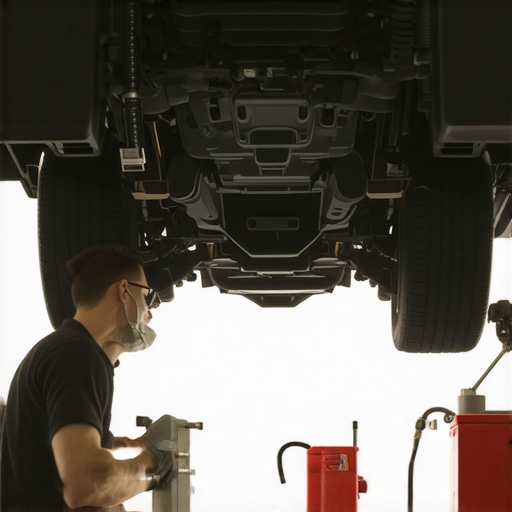
I vividly remember the day I was stranded on the side of the road, frantically trying to diagnose that strange, groaning noise when I shifted gears. Turns out, it was a classic case of differential chatter, a symptom that many drivers overlook until it becomes a big, costly problem. That moment was a lightbulb for me—realizing that a simple, inexpensive fluid change could have prevented all that hassle and expense. Today, I want to share how a mere $30 investment in fresh transmission fluid ended my nightmare and can do the same for you.
The Hidden Power of a Fluid Change
Many folks underestimate the importance of routine fluid maintenance, especially when it comes to the differential. The differential is essential in transferring power from your engine to your wheels smoothly; neglect it, and you risk odd noises, uneven tire wear, and even severe drivetrain damage. What caught me off guard was discovering that a simple fluid change could silence that annoying chatter and restore quiet operation—saving me hundreds on repairs.
Is a Fluid Change Actually Worth the Fuss?
Early on, I made the mistake of thinking that fluid changes were just a way for shops to add a line item to the bill. Honestly, I was skeptical, and I often delayed these maintenance sessions. But when I finally took the plunge, I realized I’d been avoiding a crucial step in my car’s health. Studies show that regular fluid maintenance can extend the life of your transmission and differential, preventing costly breakdowns later (source: https://collisionfixer.com/maximize-your-cars-lifespan-with-regular-tune-ups). The key is knowing which fluids to change and when—something I’ll walk you through soon.
Have you ever ignored a strange noise or vibration in your car, hoping it would just go away? If so, you’re not alone. But the truth is, many small nuisances are early signals of bigger issues that can cost a lot more if left unchecked. That’s why this little $30 fix is such a game changer—it takes just a few minutes and can save you a bundle.
In the next sections, I’ll guide you through the step-by-step process of performing this fluid change yourself, along with tips to ensure you get it right the first time. Trust me, once you see how straightforward and affordable it is, you’ll wonder why you waited so long. Ready to eliminate that differential chatter once and for all? Let’s get started.
Gather the Right Tools and Supplies
Start by collecting essentials: a socket set, a drain pan, a funnel, a clean rag, and the correct type of differential fluid for your vehicle—refer to your owner’s manual or product specifications. I once mistakenly bought the wrong fluid, causing a sluggish shift, which taught me the importance of double-checking before beginning. Having everything on hand saves time and prevents messes.
Locate the Differential Drain and Fill Plugs
Examine your vehicle’s undercarriage to find the differential housing. It typically resembles a metal box attached to the axles. The drain plug is usually at the bottom, with the fill plug on top or along the side. Use a flashlight if needed. When I replaced mine, I found a rusty, seized drain plug—applying penetrating oil the night before eased the removal, saving me from stripping the bolt. Checking access points ahead of time is crucial.
Drain the Old Fluid
Position your drain pan underneath the drain plug. Use the socket wrench to loosen and remove the plug, allowing the old fluid to flow out. Expect some drips and possibly a bit of sludge—don’t worry, this is normal. Remember, slow and steady wins the race. When I did my first fluid change, I accidentally spilled some on the driveway, so I learned to wear gloves and work over a rag for cleanliness.
Pro Tip:
If the drain plug is stubborn, gently tap it with a rubber mallet or apply additional penetrating oil and wait a few minutes. Avoid forcing it, which can strip the bolt or damage the differential housing.
Refill with Fresh Differential Fluid
Once drained, reinstall the drain plug securely. Using the funnel, pour in the new differential fluid through the fill port until it reaches the proper level—refer to your manual for specifics. I once underfilled mine, leading to gear noise; ensuring correct level is key. Some vehicles require a special tool to check the fluid level—investing in it can prevent overfilling or underfilling.
Verify the Fluid Level and Seal the Cover
After filling, replace the fill plug and tighten it to the manufacturer’s torque specifications. Start the engine and shift through all gears to circulate the new fluid. Turn off the engine, and recheck the fluid level, adding more if necessary. This step guarantees your differential runs smoothly. During my last change, I noticed a tiny leak from the fill plug—tightening it fixed the issue immediately, highlighting the importance of proper torque.
Clean Up and Final Checks
Wipe away any spilled fluid, and dispose of the old fluid responsibly—many auto parts stores accept used fluids. Finally, test drive your vehicle, listening for unusual noises or vibrations. Regularly maintaining your differential, just like a well-scheduled tune-up, ensures longevity and reliable performance, saving you money and hassle down the line. For more expert tips on vehicle maintenance, check out this comprehensive guide.
Many car owners walk into auto repair shops with a set of misconceptions that can lead to costly mistakes. For instance, a prevalent myth is the belief that all transmission issues require a full rebuild. In reality, many problems stem from fluid contamination or worn-out clutch plates that can be fixed with targeted repairs or part replacements, saving you thousands. Forget the idea that regular tune-ups are unnecessary; in fact, annual basic maintenance can prevent complex, expensive failures down the line, as detailed in this expert guide. Another misconception is that newer cars need less service; however, modern vehicles often demand precise maintenance schedules to prevent electronic component failures and sensor errors that can mimic transmission or engine problems. An important nuance many overlook is the significance of proper fluid selection; using the wrong type can accelerate wear or cause sealing issues, which are often silent but destructive. During my own experience, I once added an aftermarket fluid that quickly degraded the transmission, leading to expensive repairs—an avoidable mistake with proper research. Beware of the trap of ignoring subtle warning signs like slight shuddering or delayed shifts, which often indicate underlying issues; addressing them promptly with professional diagnostics can prevent total breakdowns, as explained in this detailed article.
Why Do Experts Advocate for Diagnostic Precision Over Guesswork?
Because jumping to conclusions without precise diagnostics can lead to unnecessary part replacements or missed root causes, which often results in repetitive visits and increased costs. Studies say that 70% of repeat repairs stem from misdiagnosis or incomplete assessments, emphasizing the importance of skilled evaluation before any work begins. Clinging to the assumption that “more is better” when it comes to fluid changes or part replacements risks creating new problems; for example, overfilling differentials can cause seal leaks or foaming, reducing lubrication effectiveness. Be cautious of shops that push unnecessary services under the guise of ‘preventive maintenance.’ Instead, ask for detailed reports and references, and compare them to expert resources like this trusted platform. Recognizing these hidden nuances helps you avoid an endless cycle of ineffective repairs. Have you ever fallen into this trap? Let me know in the comments, and remember: informed decisions save money and extend your vehicle’s lifespan.
Tools I Rely On for Consistent Auto Maintenance
Over years of working on cars, I’ve found that having the right equipment not only makes repairs easier but also ensures the work is thorough and professional. A high-quality digital multimeter is essential for diagnosing electrical issues accurately. I personally prefer the Fluke 117 because of its precision and durability, especially when checking sensors or battery voltages. For fluid changes, a quality fluid pump like the Lisle 28780 helps me transfer oils and fluids cleanly without spills, saving time and mess. When dealing with tight bolts or stubborn components, a mechanic’s impact wrench is invaluable; I usually opt for the Ingersoll Rand 2145Q1 because of its power and low noise level.
Keeping a smart tire pressure monitor system in my toolbox allows me to verify correct tire pressures quickly, which is crucial for fuel efficiency and tire longevity. I’ve also invested in a garage creeper—the Pro-Lift C-5685 is my go-to—to work comfortably under cars without straining my back. These tools, combined with a good set of hand select wrenches and screwdrivers, form the backbone of my maintenance routine, giving me confidence that I can handle most issues without rushing to a shop.
Effective Techniques to Extend Your Vehicle’s Life
Beyond tools, adopting specific maintenance methods can profoundly impact your car’s longevity. For example, regularly checking and topping off fluids using the proper topping-off procedures prevents parts from wearing prematurely. Applying a coolant system flush every few years keeps cooling pathways clear, reducing the risk of overheating during hot summer drives. Additionally, periodic inspection with a laser-based wheel alignment tool ensures perfect tracking, which minimizes tire wear and improves handling.
From my experience, adopting a proactive approach—such as inspecting belts, hoses, and brakes at regular intervals—can catch minor issues before they escalate. Using a car scan tool like the BlueDriver allows me to read and clear diagnostic trouble codes easily, saving time and money. These practices not only preserve your current vehicle but also boost its resale value when it’s time to upgrade.
How Can You Sustain Your Car’s Performance Over Time?
Implementing consistent maintenance routines is the best way to keep your vehicle running smoothly. Schedule regular tune-ups via recommended intervals, and don’t hesitate to invest in quality tools that make inspections easier. I recommend trying out a magnetic oil drain plug—a small upgrade that makes future oil changes cleaner and ensures the drain plug stays free of debris, as suggested by automotive experts. These small steps, combined with knowledgeable troubleshooting, will ensure your car remains reliable in the long run.
What I Wish I Knew When I Started Fixing Cars
One of the most valuable lessons I learned is that simple maintenance often prevents the most costly repairs. Early on, I underestimated the power of regular differential fluid changes, thinking they were optional or just for seasoned mechanics. It wasn’t until I ignored this small step and faced the aftermath—struggling with a noisy, vibrating drive—that I realized the importance of routine care. Now, I understand that preventive measures like changing differential fluid can save you hundreds, if not thousands, in the long run.
Another insight is that investing in quality tools and reliable information transforms DIY repairs from daunting to doable. I once bought cheap gear, only to find myself frustrated and risking damage. Over time, I curated a toolkit—like a digital multimeter and quality fluid transfer pumps—that empowers me to handle maintenance confidently. Trusting resources like expert guides ensures I’m on the right track.
The most profound lesson? Listening to your vehicle’s signals. When my car made strange noises or showed signs of struggle, I delayed addressing them, often making the problem worse. Now, I see every squeal, vibration, or delay as a call for action. Addressing issues early with targeted fixes, such as a fluid change or sensor clean, keeps my car running smoothly.
Tools That Keep My Auto Care Simple
Over the years, I’ve relied on essential gadgets to maintain my vehicle without trips to the shop. A quality impact wrench makes removing stubborn bolts easier, while a digital multimeter helps diagnose electrical glitches accurately. For fluid handling, a reliable fluid pump ensures clean, spill-free fills. These tools, combined with online manuals, empower me to keep my car in top shape and save money.
I’ve also found that a decent set of hand wrenches and a good LED flashlight turn challenging access points into manageable tasks. Investing in a garage creeper adds comfort, reducing back strain during undercar inspections. These investments make routine maintenance less intimidating and more satisfying.
Keeping Your Ride Reliable Without Overthinking
Consistency is key—regular inspections, fluid checks, and listening to your car’s whispers prolong its lifespan. Setting a schedule—like checking differential fluid every 30,000 miles—habitualizes maintenance, turning it into a seamless part of your driving routine. Using a trusted service schedule can help you stay ahead of costly repairs.
Small habits, like cleaning your battery terminals and inspecting belts, add up over time. Plus, employing diagnostic tools periodically, like the scan tool, can reveal hidden issues before they escalate. Remember, proactive care isn’t just about fixing problems—it’s about maintaining peace of mind on every drive.
Insider Wisdom for Your Auto Care Practices
- Patience Over Price: I once rushed a fluid change, only to overfill and cause a leak. Taking my time and following proper torque specs saved me money and headaches.
- Use the Right Fluids: Substituting manufacturer-recommended fluids led to sluggish shifts. Quality, specification-specific fluids are a small investment with big benefits.
- Listen to Your Car: Vibration or noise isn’t just annoying; it’s a signal. Ignoring early warnings, like differential chatter, can take you from routine maintenance to expensive repairs.
Gear Up for a Better Driving Future
My journey with vehicle care has taught me that knowledge and the right tools turn car maintenance from a chore into a rewarding habit. Whether you’re tackling your differential fluid or performing a full tune-up, remember that every small effort pays dividends in reliability and cost savings. Keep learning, stay curious, and don’t hesitate to reach out with questions—your car will thank you for it. Ready to take charge of your auto care routine? Your journey to reliable, worry-free driving starts today.