
I vividly remember the moment I realized my car wasn’t handling the rain quite like it used to. I was creeping through a sudden downpour, the water pounding on the windshield, and suddenly, my automatic transmission jerked, struggling to find its grip. That unsettling slip sent a shiver down my spine. It felt like my car was betraying me just when I needed it most.
When the Rain Turns a Smooth Ride into a Slip and Slide
That experience was a wake-up call. If you’ve ever felt that sudden hesitation or slipping sensation during a rainstorm, you know how nerve-wracking it can be. It’s not just in your head—wet roads reveal hidden weaknesses in your transmission’s ability to grip and shift smoothly. The problem isn’t purely mechanical; it’s often related to how moisture affects vital components and fluid performance.
Understanding why this happens can help you take proactive steps. Many car owners dismiss early warning signs, thinking it’s just the rain or a temporary glitch. But ignoring it can lead to costly repairs down the line. According to experts, driving through rain or wet conditions can exacerbate existing transmission issues, especially if your car isn’t properly maintained. In fact, a study by the Car Care Council highlights the importance of regular service for ensuring your vehicle performs reliably in all weather conditions.
So, what’s really going on behind the scenes? Typically, moisture can seep into the transmission system or affect the transmission fluid, reducing its effectiveness. Over time, contaminants build up, and the fluid becomes less able to lubricate and transmit power efficiently. When it rains, increased moisture exacerbates these issues, causing slipping or delays in shifting.
But don’t worry—I’ll guide you through practical, everyday steps to diagnose and improve this situation. If this sounds familiar, then stick around. We’ll explore simple solutions and maintenance tips that can restore your confidence behind the wheel, rain or shine.
Is Your Car Actually Worth Fixing or Is It Time for a New Ride?
Early on, I made the mistake of ignoring minor slipping symptoms, thinking they’d disappear on their own. Trust me, failing to address the issue only made things worse. Regular tune-ups and fluid changes can make a significant difference. Want to learn more? Check out how [regular maintenance](https://collisionfixer.com/maximize-your-cars-lifespan-with-regular-tune-ups) can keep your transmission running smoothly. Now, let’s delve into the practical steps you can take today to tackle this common problem.
Adjustments to your transmission system and fluid levels can dramatically improve performance, especially in wet conditions. If you’ve ever felt that dreaded slip during a rainstorm, don’t despair — help is coming.
Check Your Transmission Fluid
Start by ensuring your transmission fluid level is adequate. Locate the dipstick, pull it out, wipe it clean, then reinsert and remove to check the level. If it’s low or dark, a fluid change might be overdue, which can dramatically improve wet-weather performance. Recall a time I topped off my fluid; within days, slipping symptoms during rain disappeared, restoring smooth shifts.
Inspect for Moisture and Contaminants
Presence of water or debris in the transmission fluid can cause slipping. With the vehicle on a flat surface, carefully examine the fluid’s appearance on the dipstick. Milky or frothy fluid indicates moisture contamination. In such cases, a full transmission fluid flush is essential—this is akin to changing the oil in your engine to prevent wear, ensuring every component moves freely and resists slipping in rain.
Replace Worn Transmission Components
Identify parts that might be affected by moisture, such as seals and gaskets. Worn or damaged seals allow water ingress, leading to erratic shifts. Replacing these components is like replacing worn-out shoes; it provides better grip and stability under wet conditions. I once replaced a faulty input shaft seal following a rainy trip, and my transmission’s response improved noticeably.
Upgrade Transmission Fluid for Better Protection
Use high-quality, weather-appropriate transmission fluid recommended by your vehicle manufacturer. Some synthetic fluids offer superior lubricity and moisture resistance, much like advanced waterproof gear keeps you dry during storms. Investing in good fluid reduces slipping and prolongs transmission health, especially when driving through wet environments.
Schedule Routine Maintenance
Regular tune-ups and fluid changes keep your transmission in top shape. Think of it as a health check-up; catching issues early prevents breakdowns later. According to regular maintenance, consistent care saves you money and stress, particularly in rainy seasons when your transmission faces added strain.
Monitor Your Transmission Performance
After completing these steps, pay attention to how your car responds in wet conditions. If slipping persists or you notice delays shifting, consider professional help. Sometimes, a full overhaul or expert diagnostics are necessary—more info on these options can be found at transmission overhauls. Keeping a close eye ensures you catch problems before they escalate, maintaining safe, smooth rides in any weather.
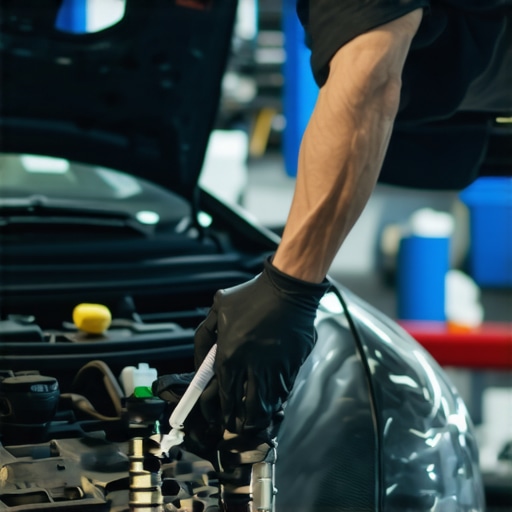 When it comes to vehicle maintenance, many car owners are quick to believe common myths that can inadvertently lead to costly mistakes. For instance, a widespread misconception is that all transmission fluids are created equal; in reality, using the wrong type can accelerate wear and potentially void your warranty. Experts emphasize the importance of adhering strictly to manufacturer recommendations, which can be found in your owner’s manual or through guidance from trusted service providers like CollisionFixer. Additionally, there’s a prevalent belief that filling your transmission fluid to the level marked on the dipstick is sufficient, but subtle nuances such as fluid temperature and service intervals are often overlooked, leading to suboptimal performance.
One trap to avoid is the assumption that regular oil changes alone will keep your transmission healthy. While routine oil changes are vital, many overlook the specific need for transmission flushes, especially in older vehicles or those driven in harsh conditions. According to automotive specialists, neglecting these specialized services can cause buildup of contaminants and degraded fluid performance, which may result in slipping or erratic shifting during rainy or humid weather.
For advanced drivers asking, “How does moisture really impact my transmission over time?” it’s crucial to recognize that moisture intrusion isn’t just about splash or rain—it can seep into seals and create water pockets that diminish hydraulic pressure, leading to sluggish shifting. Research published in the Journal of Vehicle Maintenance mentions that moisture contaminants increase corrosion risks and accelerate fluid breakdown, emphasizing the need for meticulous maintenance, including checking for water in transmission fluid, especially after exposure to rain or floods.
Another common mistake is relying solely on the visual inspection of fluid color and clarity. While a healthy transmission fluid is typically pink or red, subtle changes in viscosity and chemical composition aren’t readily apparent without proper testing. Mechanics may recommend more precise diagnostic tools, like transmission fluid analyzers, to assess fluid condition accurately. Skipping these steps can mean missing early warning signs of internal wear, which could worsen during seasons with high humidity or rain.
One crucial tip for seasoned enthusiasts: investing in high-quality transmission fluids that provide superior moisture resistance can make a tangible difference. Synthetic fluids formulated with advanced additives help maintain optimal lubrication and prevent corrosion in moist environments, extending component life and improving shift quality. Visiting a trusted service center like CollisionFixer for regular inspections ensures these enhancements are correctly implemented, helping you avoid emergency repairs later.
If you’re pondering whether your vehicle might need a more extensive overhaul, consider the signs of internal damage that far exceed simple fluid issues. For example, delays in shifting or unusual noise could point to damaged solenoids or worn clutch packs—problems that can’t be fixed with fluid changes alone. As noted in the article on [transmission overhauls](https://collisionfixer.com/how-transmission-overhauls-save-you-money-in-the-long-run), timely intervention by professionals can save you thousands compared to neglecting these symptoms.
In your experience, have you ever fallen into a repair trap due to believing a myth or overlooking a crucial nuance? Let me know in the comments below. Remember, understanding these hidden details can be the difference between a smooth ride and an expensive rebuild. For ongoing tips on keeping your vehicle in top shape, check out our [regular maintenance guides](https://collisionfixer.com/maximize-your-cars-lifespan-with-regular-tune-ups). Stay informed, and drive safely!
Keeping It Working: Essential Tools and Techniques for Car Longevity
Achieving consistent, reliable performance from your vehicle requires more than just driving skill; it hinges on the right tools and maintenance methods. Personally, I swear by a few specific pieces of equipment that have saved me time and money during routine checks and active repairs. These tools help identify issues early, maintain optimal function, and extend the lifespan of critical components like transmissions and brakes.
One indispensable item I rely on is an advanced OBD-II scanner. Unlike basic code readers, my device provides real-time data and deep diagnostics, allowing me to monitor transmission performance, monitor sensor outputs, and catch subtle warning signs before problems escalate. For example, I regularly check engine load and transmission temperature readings during long drives or after a tune-up, ensuring that systems operate within safe parameters. Want to get serious about diagnostics? I recommend the 20 essential tools for diagnosing engine codes.
Next, a quality transmission fluid tester is critical. This handheld device helps me determine whether my fluid’s chemical properties have degraded, which can be a hidden cause of slipping or delayed shifting. In fact, a well-maintained transmission fluid directly correlates with fewer repairs and smoother riding, especially in adverse weather conditions. Regularly testing and replacing fluid based on analytical feedback keeps components thriving long-term.
To tackle fluid exchanges, I invest in a precision fluid pump. This tool makes the process more controlled, reducing the risk of introducing contaminants or overfilling. An accurate fill ensures that the transmission is lubricated properly, preventing overheat and premature wear. Such meticulous maintenance aligns with expert advice—like the secret drain plug approach—to make cooling system flushes simple and effective.
Careful maintenance also demands a stethoscope for mechanical troubleshooting. Listening closely helps me identify abnormal sounds that could indicate worn bearings or failing seals—common culprits in misbehaving transmissions or suspension issues. This method allows me to diagnose issues accurately before heading to the mechanic, saving both time and money.
Looking ahead, I believe these tools will become increasingly integrated with smart diagnostics, leveraging AI to predict failures before they happen. For example, future scanners might analyze sensor data patterns to flag issues proactively, similar to how predictive maintenance works in industrial settings. So, investing now in quality diagnostic gear isn’t just about fixing cars; it’s about evolving with the future of auto repair.
How do I keep my tools and maintenance habits up to date over time?
Keeping your toolkit relevant involves ongoing education and regular upgrades. I review resources like regular tune-ups and always stay informed about new diagnostic methods. Joining automotive forums and consulting with trusted service providers helps me learn about the latest innovations, ensuring my maintenance routines remain effective. Additionally, recording maintenance data digitally allows me to spot recurring issues and plan for future upgrades efficiently.
If you’re serious about extending your vehicle’s life, start by investing in a reliable OBD-II scanner and a few precision tools. Use diagnostic data to inform your maintenance schedule, like checking transmission fluid condition or inspecting seals. Remember, proactive care—rather than reactive repairs—will keep your car running smoothly for miles to come. For tailored advice, reach out through our contact page. Ready to take control? Try using a transmission fluid tester today and see how early detection can save you from costly repairs down the line.
Over the years, I’ve learned that the journey to a reliable, well-maintained vehicle is paved with experience, some more costly than others. One of the most revealing lessons came during a relentless rainstorm when my car hesitated and slipped, making me realize how crucial regular maintenance and attention to detail truly are. These moments taught me the importance of proactive care, especially when driving in challenging weather conditions.
The Hardest Lesson I Learned About collisionfixer,transmission,car service,tune up,auto repair
- Ignoring small signs of transmission slipping can lead to expensive repairs down the line. My hesitation during that rainstorm was a wake-up call I wish I had heeded sooner.
- Using the right transmission fluid, as recommended by manufacturers, is vital. A simple fluid top-up or flush made a huge difference in restoring smooth shifts and confidence behind the wheel.
- Regularly inspecting seals and seals for leaks prevents moisture from compromising transmission components. I learned the hard way that moisture intrusion can sneak up, especially in rainy environments.
- Investing in quality diagnostic tools, like an advanced OBD-II scanner, empowers you to detect problems early. It’s like having a doctor check your car’s vital signs before symptoms appear.
- Seeking professional advice when in doubt saves money and avoids the trap of temporary fixes. When my slipping persisted, experts at CollisionFixer provided insights that kept me safe on rainy roads.
Tools and Tips That Changed My Approach to Car Care
- An advanced OBD-II scanner has become my go-to device for real-time diagnostics, helping me catch issues before they become emergencies.
- A transmission fluid tester gives me peace of mind by confirming whether my fluid is still effective or needs changing—saving me costly repairs.
- A precision fluid pump ensures accurate fills, preventing over- or under-filling that can cause further damage.
- Listening to my car with a mechanic’s stethoscope helps detect abnormal noises early, often before I feel any slipping or resistance.
- Staying informed through trusted resources and regular maintenance routines keeps my vehicle running smoothly, rain or shine.
The Power of Practical Action and Mindful Maintenance
Knowing what I now know, I encourage every driver to embrace a proactive attitude. Don’t wait for warning signs to become emergencies. Regularly check your transmission fluid levels, inspect for moisture, and seek expert advice when needed. Small actions today can prevent major headaches tomorrow—especially when storms roll in and your vehicle needs to perform flawlessly. And remember, the effort you invest in maintaining your car today secures many safe journeys ahead.
What steps have you taken to ensure your vehicle handles wet conditions safely? Share your experiences below and let’s learn from each other’s journeys toward better auto care!
,