
It was late evening, and I was merging onto the highway when I caught a glimpse of my rearview mirror. Instead of a clear reflection, I was met with a relentless, annoying vibration. That’s when it hit me—these little nuisances can turn a simple drive into a nerve-wracking experience. I’d been there before, and I bet many of you have, too. An unstable rearview mirror isn’t just an inconvenience; it can be a safety concern, especially when you need quick, clear visibility.
The Secret to a Steady Mirror in No Time
Will a 10-minute fix really work, or is it just hype?
Early on, I made a mistake that many DIYers do—assuming that every rattling or vibrating part requires a costly repair or replacement. Turns out, some issues are surprisingly simple to tackle, and fixing my mirror was one of those wins. Learning this cheap trick saved me hours and a decent amount of cash, and I want to share it with you.
Start by Assessing the Problem
Before diving into repairs, ensure the mirror itself isn’t cracked or damaged. I once rushed to fix what I thought was a loose mount and ended up replacing the entire mirror assembly, costing more time and money. Take a quick look to see if the glass or mounting bracket is compromised. This initial check prevents unnecessary work.
Gather Your Tools and Materials
You’ll need a Phillips screwdriver, a flat-head screwdriver, some double-sided tape or adhesives suitable for automotive use, and possibly a replacement ball joint or mount if damaged. Having everything ready streamlines the process. Think of it as preparing your toolbox before fixing a collision; the right tools make all the difference.
Remove the Old Mount or Loose Parts
Carefully pry off the mirror cover using a flat-head screwdriver, taking care not to crack the plastic. Loosen and remove any screws securing the mount to the windshield or ceiling. In my experience, using a plastic trim removal tool minimizes damage. For instance, when I fixed mine, I discovered the mounting screw was loose, causing the mirror to wobble. Tightening or replacing this screw restored stability.
Evaluate and Repair or Replace Components
If the mounting ball joint is loose or cracked, replace it with a new one. To do this, detach the joint from the mirror assembly and install the new part, ensuring a snug fit. When I replaced my ball joint, I applied a bit of automotive-grade adhesive to secure it firmly, which prevented future wobbling. For minor issues, re-gluing or tightening existing mounts might suffice; for severe damage, a complete replacement is best.
Reassemble and Test the Mirror
Once everything is secure, reattach the mirror to its mount and check for wobble by lightly tapping it. If it stays steady, you’ve successfully fixed the problem. Double-check all screws and mounting points. Remember, a loose rearview mirror isn’t just annoying—it’s a safety hazard. If you’re unsure about your fix or encounter persistent issues, consider reaching out to professionals through Collision Fixer for expert advice.
Pro Tip: Care for Your Mirrors
Regularly inspect your mirrors for looseness or damage, especially before long trips. Cleaning the mounting area ensures better adhesion if you’re using adhesives. Plus, a stable mirror enhances your safety on every drive.
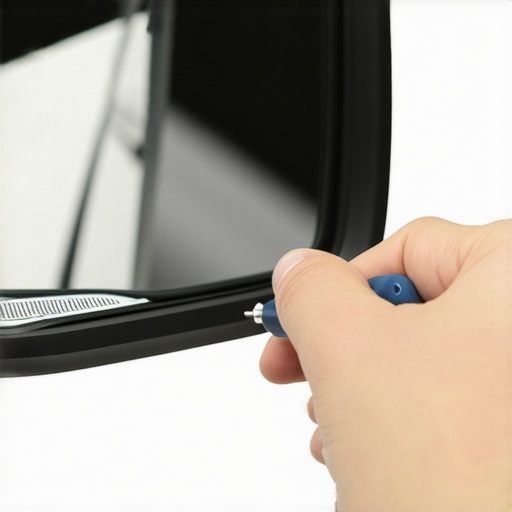 When it comes to auto repair, many car owners believe they understand what a tune-up or basic service entails, but this perception is often flawed. A widespread myth is that the only reason a vehicle runs poorly is due to neglecting regular maintenance, yet recent studies show that even well-maintained cars can suffer from issues that aren’t immediately obvious. For example, some drivers think that a simple oil change is sufficient for all engine problems, but advanced issues like transmission slipping or sensor failures require a more nuanced approach and expert diagnosis. Relying solely on intuition instead of professional assessments can lead to overlooking critical signs of malfunction, which might result in costly repairs down the line.
Another common trap involves assuming that every auto repair is straightforward and DIY-friendly. While some minor fixes like replacing a windshield wiper or tightening a loose mirror are simple, more complex repairs — such as transmission overhauls or cooling system repairs — demand specialized knowledge. Attempting to bypass professional technicians may seem cost-effective initially, but it often leads to improper repairs that can cause more damage, increased costs, and safety hazards. A report from automotive experts underscores that neglecting proper diagnosis increases the risk of permanent damage to vital components.
Many car owners also underestimate the importance of regular transmission maintenance. Some believe that transmission repairs are only necessary after noticeable problems occur, but preventive maintenance can significantly prolong lifespan and prevent sudden failures. Understanding how transmission overhauls save money over time highlights that early diagnosis and maintenance are key to avoiding expensive replacements.
Furthermore, misconceptions about car services like collision repairs often lead to subpar results. Many assume that all collision shops provide the same quality of work, yet choosing an experienced, certified technician ensures durability and safety. Visiting professional auto repair shops with good reputations can mean the difference between a temporary fix and a permanent solution. Regularly reviewing signs that your car needs expert repair can help you act before small issues turn into major hazards.
What about the importance of maintenance schedules? Some drivers think that skipping minor services won’t impact vehicle performance, but according to automotive experts, neglecting scheduled tune-ups can lead to uneven wear and reduced efficiency. Routine inspections are vital for catching seemingly insignificant issues before they escalate.
In essence, a nuanced understanding of vehicle maintenance dispels many myths that could endanger your safety and wallet. Regular, preventive care guided by professional advice ensures longevity and optimal performance. Don’t fall into the trap of oversimplification or underestimating complex repairs; your car’s health depends on it. Have you ever fallen into this trap? Let me know in the comments, and always remember that consultation with a professional makes a difference.
Maintaining your vehicle over the long term requires more than just routine visits to the mechanic. It involves having the right tools and knowing precise methods to address common issues promptly. Personally, I rely on a select set of equipment that empowers me to perform specific maintenance tasks confidently, saving both time and money. One such tool I can’t live without is a high-quality OBD-II scanner. I use my BlueDriver code reader because it provides comprehensive diagnostics, including live data streaming and enhanced code definitions, which are instrumental in identifying issues before they escalate. This proactive approach aligns with industry best practices and is something I recommend everyone incorporate into their auto-care routine.
My Favorite Equipment for Auto Repairs
Beyond diagnostic tools, I swear by a sturdy set of automotive screwdrivers, a hydraulic jack with adjustable stands, and a cordless impact wrench. The impact wrench is especially useful for quickly removing stubborn bolts during transmission work or suspension repairs. I personally prefer models like the Makita XDT131 because of its durability and adjustable torque settings, ensuring I don’t over-tighten or damage sensitive components.
When it comes to ongoing maintenance, I utilize foam gun sprayers combined with professional-grade car wash soaps to keep the exterior pristine. Regular waxing with a buffer improves durability, and I always keep a dedicated set of microfiber towels on hand for polishing. My approach underscores the importance of using the right tools for finishing touches that maintain the car’s aesthetic and integrity over time.
Embracing Digital Solutions for Better Maintenance
Digital tools are revolutionizing how enthusiasts and professionals alike manage vehicle upkeep. Using software like tune-up management systems, you can schedule and track routine services, ensuring nothing slips through the cracks. Many upcoming trends point towards integrating IoT-connected sensors that monitor aspects like tire pressure, fluid levels, and engine health in real time—giving you early warnings and reducing breakdowns. I believe this trend will further enhance predictive maintenance, enabling us to keep our vehicles running longer with less effort.
How do I keep my car working smoothly over the years?
One of the most overlooked yet effective methods is sticking to a consistent maintenance routine with professional support when necessary. Regular transmission check-ups, fluid replacements, and brake inspections can prevent costly failures. For instance, replacing transmission fluid at the right intervals not only prolongs transmission life but also enhances shift smoothness—an investment that pays off. For those curious about the importance of detailed transmission overhaul procedures, check out this guide.
If you’re unsure about when your vehicle needs expert attention, don’t hesitate to contact professionals via Collision Fixer. Regularly inspecting and maintaining key components, especially the transmission and suspension, ensures your car remains reliable and safe over the years.
Don’t forget: a little investment in quality tools and consistent upkeep now can save you from major repairs later. I encourage you to try out a diagnostic scan with your trusted OBD-II reader and see what hidden issues your vehicle might be hinting at. Taking these steps can make all the difference long-term.
The Unexpected Lessons That Changed My Approach to Car Care
- Realizing that not all damage requires costly fixes was a game-changer. Sometimes, a simple tighten or reapplication of adhesive can restore stability without breaking the bank.
- Understanding the true purpose of regular transmission maintenance helped me prevent major overhauls and extended my vehicle’s lifespan significantly.
- Listening to my intuition and seeking professional advice when in doubt saved me from making mistakes that could have cost hundreds more in the long run.
Tools and Resources That Made a Difference in My Auto Journey
- BlueDriver OBD-II Scanner: This diagnostic tool provides comprehensive insights and saved me countless troubleshooting hours.
- Makita XDT131 Impact Wrench: Durable and efficient, it made removing stubborn bolts a breeze during transmission repairs.
- Automotive Maintenance Books: Books like Auto Repair for Dummies gave me confidence to handle basic services and understand complex procedures better.
- Online Tutorials and Forums: Websites and community forums connected me with experts and DIY enthusiasts, expanding my knowledge beyond what any book could offer.
Your Next Step Toward Confident Car Care
Remember, tackling auto repairs with the right mindset and tools transforms a daunting task into an empowering experience. Each small fix builds your skills and confidence, making car maintenance less of a chore and more of a personal achievement. Whether it’s fixing a wobbling mirror or understanding transmission health, every step forward is a step toward greater independence on the road. Have you experienced a breakthrough in your car care routines? Share your stories below and inspire others to get hands-on with their vehicle upkeep!