
Have you ever jumped into your car, hit the gas, and immediately been hit with that unmistakable smell of rotten eggs? It’s enough to make you roll down the windows and question whether your engine is trying to tell you something more sinister. I remember the first time I noticed it; I was panicked, thinking I had some elaborate problem. Turns out, that stinky surprise is more common than you might think, and understanding its cause can save you a lot of headaches and money down the line.
The Unexpected Car Smell That Won’t Quit
That foul, sulfurous odor is not something to ignore. It’s a red flag that something’s amiss in your vehicle’s system, often linked to the catalytic converter or fuel system. I’ve learned from experience—most early mistakes come from ignoring warning signs or trying DIY fixes without proper knowledge. Believe me, I once attempted to clear a clogged catalytic converter myself, only to make the problem worse. That’s why I want to guide you through what’s really behind this smell and how to get it fixed properly.
Is This Smell Dangerous or Just Annoying?
Many skeptics think this smell is just an annoyance, but it can indicate serious issues. A rotten eggs odor signifies that hydrogen sulfide gas is being produced or not adequately processed—this can lead to engine damage if left unchecked. Early on, I underestimated its severity, and it cost me extra repairs later. Protecting your car’s health starts with recognizing these signs early. To ensure you’re not misdiagnosing, consider visiting an expert or checking out signs that indicate your vehicle needs professional attention, like those listed on this page.
In the next sections, I’ll walk you through the common causes of this odor and practical ways to troubleshoot and fix the problem once and for all. Don’t let that smell fester; your car’s health—and your nose—will thank you.
Assess the Situation with a Visual Inspection
Start by opening the hood and checking your catalytic converter, which is the primary source of the sulfur smell. Look for signs of damage, excessive corrosion, or black soot indicating a clog or failure. During my first attempt, I noticed a cracked catalytic converter, which I replaced myself. This straightforward visual check saved me from wasted repairs and pointed me directly to the problem.
Test the Exhaust System for Blockages
Clear Any Obstructions
Ensure no debris, leaves, or animal nests are blocking the exhaust pipe. Use a flashlight and a mirror if necessary. In my case, a nest had partially clogged the tailpipe; removing it improved airflow and reduced odors. Be cautious—rattling or unusual clogs mean professional intervention might be necessary to prevent further damage.
Inspect Fuel System Components
Check for leaks or damage around fuel lines, injectors, and the fuel filter. Leaking fuel or moly-scented exhaust indicates issues upstream that can produce sulfur compounds. A worn fuel filter can cause incomplete combustion, leading to hydrogen sulfide buildup. Replacing the filter is a quick DIY step, but persistent leaks require professional service.
Test and Replace the Catalytic Converter if Needed
If visual and airflow checks don’t resolve the issue, consider testing the converter’s efficiency with a combustion analyzer or by consulting a mechanic. A failing converter doesn’t process sulfur compounds properly, resulting in the rotten egg smell. When I replaced my faulty unit, I used a direct-fit aftermarket catalytic converter, which minimized installation time and got my car smelling fresh again.
Perform Routine Maintenance to Prevent Future Odors
Regular tune-ups, including spark plug replacement and fuel system cleaning, help avoid catalytic converter clogging. Discover how proactive maintenance prolongs your vehicle’s health by visiting this guide. Plus, keeping your engine in top shape reduces unburned fuel and sulfur emissions, ensuring your car runs smoothly and odor-free.
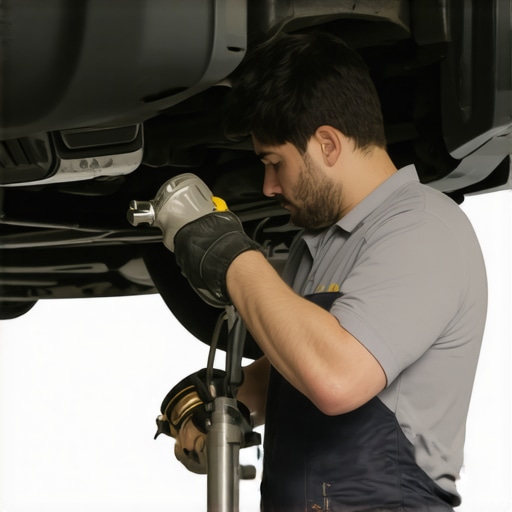
Many car owners believe that routine maintenance is just about ticking checkboxes—oil changes, tire rotations, and replacing filters. But, in my experience, there’s a lot more beneath the surface that most people overlook. One common misconception is that all auto repairs or tune-ups are created equal. Everyone says you should get your car serviced regularly, but not all services are executed with equal precision or attention to critical details. Skipping important diagnostic steps or rushing through a tune-up might seem harmless, but it can lead to costly problems down the line.
A widespread myth is that cheaper parts always mean better savings. While affordable parts can be tempting, the truth is that cheap components often wear out faster or cause further damage, especially in complex systems like transmissions or fuel injectors. Investing in quality replacement parts, combined with expert diagnostics, ensures your vehicle maintains peak performance. For instance, considering how transmission repairs are done properly can save money in the long term.
What about the mistake most drivers make during routine maintenance?
One common pitfall is neglecting to address underlying issues while fixing surface problems. For example, a slipping transmission might only be treated with fluid top-offs or minor adjustments, while the root cause—like worn clutch plates or damaged valve bodies—remains unaddressed. This oversight often leads to return visits and escalating repairs. Moreover, some car owners ignore warning signs like delayed shifting or erratic responses, assuming they’re minor glitches. However, these symptoms could be early indicators of developing failure that, if caught early, could be less costly to fix. Regular diagnostics and inspections with a trusted mechanic prevent small issues from snowballing into major repairs. To spot signs early, visit this guide.
Another nuance is understanding the importance of transmission fluid health. Many overlook that dirty or burnt transmission fluid isn’t just about color; it indicates internal wear or contamination, which can accelerate component failure. As explained by transmission experts, maintaining proper fluid condition is crucial to prevent problems like gear slipping, late shifts, or overheating. Routine fluid checks and timely replacements, based on manufacturer recommendations, are vital for longevity. You can learn more about proper maintenance routines here.
In the broader scope, a vital but often misunderstood aspect is the necessity of expert diagnostics over DIY fixes. While DIY can save a few bucks, misdiagnosing or overlooking complex issues can cost exponentially more. This is especially true with systems like the clutch, transmission, or advanced electronics, where specialized tools and knowledge are essential. Attempting to fix a transmission problem without proper diagnostic equipment can lead to permanent damage. Remember, sometimes the best repair is timely expert intervention. Curious about signs you need a professional? Check out here.
Finally, one hidden mistake countless owners make involves ignoring the importance of comprehensive vehicle health checks before long trips or seasonal changes. Preparing your car isn’t just about changing the oil; it requires inspecting critical components like belts, hoses, and the cooling system. Neglecting these preparatory steps can lead to breakdowns at the worst possible moment. For detailed suggestions on pre-trip car care, visit this article.
Understanding these nuanced aspects of auto repair and maintenance can make the difference between a smooth-running vehicle and a costly nightmare. Do you think you’ve fallen into these traps? Let me know in the comments!

Keeping It Working: Tools I Recommend for Auto Maintenance
In my experience, having the right equipment and software makes all the difference when it comes to maintaining your vehicle’s performance over the years. One indispensable tool I’ve relied on is a professional-grade OBD-II scanner, such as the BlueDriver Bluetooth Pro. Unlike generic code readers, this device provides detailed diagnostics, helping me pinpoint issues like transmission glitches or engine misfires quickly and accurately. Investing in quality diagnostic tools not only saves money but also prevents small problems from escalating into costly repairs.
Another essential piece of equipment is a good quality hydraulic jack and a set of sturdy jack stands. When performing routine inspections or replacing components like filters or spark plugs, safety and precision are paramount. I personally prefer a hydraulic floor jack with a wide saddle, which offers stability and ease of use. Coupled with protective gloves and LED work lights, these tools make DIY maintenance safer and more effective.
For fluid management, I recommend a digital fluid tester. This device helps evaluate transmission and coolant fluids’ condition before they cause damage. Regularly checking fluid quality is crucial, especially with transmissions, as contaminated or burnt fluid can lead to early component failure. Using this tester, I can decide whether a flush or replacement is due, aligning with best practices suggested in transmission maintenance guides.
Software and Diagnostics: Staying Ahead of Trouble
Managing your vehicle’s health also means harnessing the right software. I highly recommend a vehicle maintenance app like CarScanner, which integrates with your OBD-II device. It logs diagnostic trouble codes, monitors sensor data, and tracks maintenance schedules — turning complex data into easy-to-understand alerts. This proactive approach ensures you catch issues early, like signs of slipping transmission or early warning lights, before they become emergencies. Looking ahead, the trend is moving toward cloud-connected diagnostics, enabling seamless remote monitoring and even predictive analytics based on your driving habits and vehicle data.
Where can I keep my car running smoothly over the long haul?
Establishing a consistent maintenance routine and using these reliable tools is essential. Regular tune-ups, as detailed in this resource, can extend your vehicle’s lifespan significantly. Incorporating diagnostic tools and software into your routine allows for early detection of issues, saving you money and stress. Remember, maintenance isn’t a one-time event but a continuous process—think of it as giving your car the same care you give your health. In the future, expect vehicle diagnostics to become increasingly automated, with AI-powered systems diagnosing and even fixing issues remotely, which will revolutionize car care.
Lastly, always keep a set of basic hand tools, like screwdrivers, pliers, and a multimeter. Sometimes, a simple check with a multimeter can reveal wiring problems or sensor failures that cause performance issues. For example, testing your alternator’s voltage output is straightforward with a good digital multimeter, like the Fluke 115, which I use routinely. This practice ensures your electrical systems stay reliable and can prevent unexpected breakdowns. For a comprehensive approach, consider consulting a professional if you’re unsure about more complex repairs or diagnostics. To make the most of these tips, I recommend trying out a diagnostic app paired with your OBD-II scanner this week, and see how it can streamline your maintenance routine. If you’re ready to take your auto care to the next level, contact us today to learn more about upgrading your tools or scheduling professional diagnostics.
The Unspoken Truths That Cost Me in Auto Repair
One of the hardest lessons I learned was that neglecting minor warning signs can lead to major expenses. Ignoring a slow-draining transmission fluid or overlooking subtle engine vibrations may seem insignificant, but they often signal underlying issues that worsen over time. I realized that a proactive approach—regular diagnostics and maintenance—saves both money and frustration. Recognizing when to seek expert help, instead of attempting risky DIY fixes, transformed how I care for my vehicle. Remember, early intervention with tools like a reliable transmission diagnostic kit can prevent costly breakdowns.