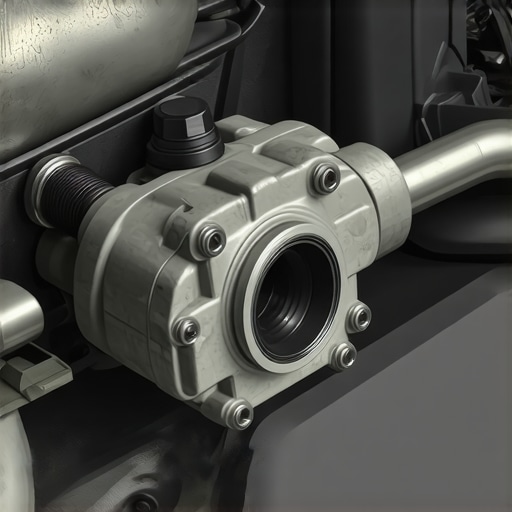
It was a chilly Saturday morning when I noticed my brake pedal sinking slowly to the floor while inching through a red light. My stomach tightened—this wasn’t normal. A lightbulb went off in my head; I’d heard about brake issues before, but experiencing that sinking feeling made it painfully real. That day, I learned the hard way how a failing brake master cylinder can sneak up on even the most cautious driver.
If you’ve ever felt your brake pedal go unusually soft or noticed spongy resistance when you press, you know what I’m talking about. These subtle signs often get dismissed or overlooked until they become a real safety concern. Today’s post is about how to recognize these early warning signs—so you can fix the problem before it turns into an emergency.
Why Catching Brake Failures Early Can Save You From a Major Crash
Brakes are the heart of your vehicle’s safety system. A compromised master cylinder can severely diminish your stopping power, increasing the risk of accidents. Early detection isn’t just about avoiding repairs; it’s about protecting yourself and your loved ones. When I first started noticing those vague sensations in my pedal, I thought I could ignore it—only to learn how quickly that can change.
According to the Department of Transportation, brake failure is a leading cause of vehicle accidents, many of which could be prevented with timely maintenance. An overlooked issue like a failing master cylinder often manifests as?
*Soft or spongy brakes*
*Brake warning lights illuminating*
*Unusual pedal travel*
Ignoring these signs can lead to complete brake failure, costly repairs, or worse—injury. That’s why understanding what to look for and acting promptly makes all the difference.
Have you ever experienced a brake pedal that felt unexpectedly loose or responded differently? It’s more common than you think—many drivers dismiss the symptoms as air in the brake lines or normal wear. But these are often early signs of a deeper problem. Recognizing them now can prevent dangerous situations down the road.
For those unsure whether their brake issues might stem from a master cylinder fault, I recommend checking out detailed signs on trusted resources like [Collision Fixer’s guide on Top Signs Your Car Needs Expert Auto Repair](https://collisionfixer.com/top-signs-your-car-needs-expert-auto-repair-now). It’s always better to catch issues early and avoid the pitfalls of delayed maintenance.
Next, we’ll dive into the telltale symptoms that signal a failing master cylinder—so you can take swift action and keep your car—and your road trips—safe.
Start with a Visual Inspection of Your Brake System
Begin by parking your vehicle on a flat surface, engaging the parking brake, and inspecting the brake fluid reservoir underneath the hood. Look for signs of low fluid levels or contamination—cloudy, dark, or gritty brake fluid can indicate internal brake system problems. Use a clean cloth to wipe off the reservoir cap and check the fluid level against the marked indicators. If the fluid is below the minimum line, top it off with the manufacturer-recommended brake fluid. However, if you notice consistent low levels, it suggests an internal leak or worn seals, often caused by a failing master cylinder learn more signs here.
Test Brake Pedal Feel and Response
Next, sit in the driver’s seat and pump the brake pedal a few times to check for firmness. If the pedal feels soft, spongy, or sinks slowly to the floor under gentle pressure, it’s a sign that your master cylinder might be compromised. Sometimes, pressing the pedal and holding it can reveal whether the brake system maintains pressure or if it slowly loses it, indicating internal leakage. During this test, be cautious; if the pedal drops significantly, avoid driving further and seek professional diagnosis more info here.
Perform a Brake System Bleeding Procedure
To identify if air in the brake lines is causing the sponginess, perform a simple bleeding process. Attach a clear tube to the brake bleeder screw and submerge the other end in brake fluid. Have an assistant pump the brake pedal to build pressure. Open the bleeder screw briefly to let out air bubbles, then close it before the pedal is released. Repeat until no air bubbles emerge and the pedal feels firm. If after bleeding, the pedal still feels soft or sinks under pressure, it’s likely that the master cylinder seals are compromised. This step simulates the internal seal failure common in bad master cylinders and gives you a clear picture of your brake health.
Remove and Examine the Master Cylinder
For a definitive diagnosis, you’ll need to access the master cylinder, usually located at the brake pedal assembly or under the hood. Carefully disconnect the brake lines using line wrenches to prevent damage. Remove mounting bolts to detach the master cylinder. Examine the internal valve and bore for corrosion, scoring, or debris. If you’re comfortable with DIY repairs, replace the seals or rebuild kit. Otherwise, it’s wise to consult a professional. Remember, a master cylinder showing signs of rust or damage confirms it’s time for replacement, which can be a cost-effective way to restore your brakes’ reliability.
Assess Additional Brake Components
Even with a diagnosed master cylinder issue, inspect related parts like brake calipers, wheel cylinders, brake lines, and hoses for leaks or corrosion. Sometimes, leaks from brake lines or worn calipers mimic master cylinder failure symptoms. Use a flashlight to look for wet spots or brake fluid residue. Replacing failed components prevents further damage and ensures your braking system works harmoniously. Properly bleeding the entire brake system after repairs is crucial for safety and optimal performance.
Schedule Professional Repair if Uncertain
If steps above reveal internal damage or you’re unsure about your findings, it’s best to seek professional help. Skilled technicians can use specialized tools to pressure-test the brake system and confirm master cylinder failure accurately. This prevents unnecessary replacements and guarantees your vehicle’s brakes are restored to factory standards. Neglecting proper diagnosis and repair can lead to dangerous brake failure, so don’t hesitate to contact experts for comprehensive service here.
Many car owners believe that routine tune-ups and basic repairs are straightforward processes, but this assumption often leads to costly mistakes. One common misconception is that a standard oil change and a quick inspection are sufficient for maintaining optimal vehicle health. In reality, modern vehicles demand a nuanced approach; overlooking critical components like transmission and transmission fluid, for example, can cause long-term damage. Advanced diagnostics have shown that subtle signs—like slight vibrations or unusual noises—often indicate issues that aren’t immediately visible, yet can significantly impact performance.
A frequent trap is relying solely on visual inspections without employing diagnostic tools, which may miss internal failures. For instance, some drivers consider transmission fluid changes as optional, but neglecting this can lead to transmission slippage or complete failure over time. Regularly scheduled transmission flushes, based on manufacturer recommendations, can extend the lifespan of your gearbox and prevent expensive overhauls. Check out how transmission overhauls can save you money for more insights.
From my experience, another oversight is the assumption that collision repairs are just about cosmetic fixes. However, structural integrity is vital for safety and vehicle alignment. Poorly executed collision repairs can cause uneven tire wear and steering issues, which are easy to ignore but detrimental in the long run. It’s crucial to choose a repair shop with certified technicians experienced in collision fix and realignment. To understand the importance of expert repairs, visit top signs your car needs professional auto repair.
In addition, many underestimate the significance of detailed diagnostics following a collision or major repair. Modern vehicles are equipped with sensors and electronic control units that require precise calibration after any repair involving the suspension, steering, or transmission. Failing to perform these calibrations can trigger warning lights or cause subsystems to malfunction. Make sure your service provider uses advanced diagnostic tools—this can significantly improve longevity and safety.
A common myth is that once a vehicle runs smoothly after minor repairs, no further maintenance is needed for a while. But per experts, neglecting small issues like worn bushings, loose belts, or minor leaks can escalate into major failures. Scheduling proactive inspections recommended by maximizing your car’s lifespan ensures longevity and safety.
Let’s face it, the automotive repair world is complex, and many drivers are unaware of the subtle nuances that can make or break their vehicle’s performance. Understanding these advanced aspects and avoiding common pitfalls ensures you get the most out of your maintenance efforts. Have you ever fallen into this trap? Let me know in the comments, and share your experiences so others can learn from your mistakes.
Ensuring Long-Term Reliability with Precision Tools
Maintaining your vehicle over time requires more than just basic inspections; it demands the right tools that provide accuracy and ease. I personally rely on an automotive code reader like the OBDLink MX+ because it offers real-time diagnostics and Bluetooth connectivity, allowing me to identify engine issues before they escalate. This device logs data over time, helping track patterns that could point to transmission or sensor problems, aligning with the trend towards smarter vehicle maintenance.
Additionally, a high-quality multimeter is invaluable for diagnosing electrical issues, such as faulty wiring or sensor malfunctions. I prefer a digital multimeter with True RMS technology, ensuring precise voltage and current readings, which are crucial when diagnosing complex systems. Pairing this with a repair manual specific to your vehicle model makes troubleshooting much more effective.
Essential Diagnostics Software for Modern Vehicles
Modern cars are increasingly dependent on electronic systems; thus, diagnostic software like Autel MaxiSYS or Snap-On’s Solus Edge has become an essential part of my toolkit. These platforms not only read codes but also perform active tests, reset service lights, and provide live data streams. I use Autel MaxiSYS because of its extensive vehicle coverage and cloud capabilities, which store history for future reference. Such software is vital for identifying issues like slow transmission response or sensor calibration errors, ultimately saving time and money.
Regular updates to your diagnostic software ensure compatibility with the latest vehicle models and software versions, preventing false positives or missed faults. As vehicle technology evolves, the trend points toward integrating AI-powered diagnostic tools that predict failures before they happen, moving towards predictive maintenance.
How do I keep my tools effective over time?
Proper maintenance and periodic calibration are key. For instance, regularly updating your diagnostic software and firmware keeps the system aligned with current manufacturer standards. Storing your tools in a clean, dry environment prevents corrosion, especially for electronic components. They should be tested annually to verify accuracy, much like how routine transmission flushes extend the life of your gearbox—details on which can be found here.
Investing in quality tools might seem costly upfront, but they pay off by catching issues early and reducing costly repairs later. In the future, expect more integration with AI diagnostics and remote monitoring—tools that communicate with your vehicle’s ECU directly, offering predictive insights and proactive maintenance alerts.
Make Your Maintenance Routine Work Smarter and Safer
By leveraging advanced diagnostic tools and software, you deepen your understanding of your vehicle’s health and ensure long-term reliability. For example, I suggest trying out a laptop-based diagnostic system combined with a premium code scanner; this combo allows for comprehensive diagnostics that can save you hundreds in repairs. Remember, staying ahead of problems with proactive tools is the smart way to keep your car running smoothly for years to come.
The Hardest Lesson I Learned About Maintaining My Car
One of the most valuable insights I’ve gained is the importance of trusting your instincts and paying attention to subtle signs. Ignoring a spongy brake pedal or unusual noises can lead to costly repairs or dangerous situations. Realizing this early taught me to perform regular inspections rather than waiting for problems to escalate, ultimately saving time and money.
How Expert Tools Transformed My Auto Care Routine
Using diagnostic tools like an advanced code reader and software such as Autel MaxiSYS has been a game-changer. These tools provide real-time insights into vehicle health, helping me catch issues before they turn into emergencies. Investing in quality diagnostics helped me develop a proactive approach, instilling confidence in my ability to maintain my vehicle effectively.
Shifting from Guesswork to Data-Driven Repairs
Moving away from assumptions about what might be wrong, I now rely on precise diagnostics and professional advice. This shift has minimized guesswork, prevented unnecessary repairs, and extended my car’s lifespan. Remember, when it comes to complex systems like transmissions and brakes, accurate diagnosis is key to safe and budget-conscious maintenance.
My Essential Toolkit for Reliable Auto Upkeep
I trust tools like the OBDLink MX+ for its seamless connectivity and real-time data logging, which helps me hear the vehicle’s story. A reliable multimeter with True RMS technology aids in electrical troubleshooting. Additionally, keeping a digital repair manual for my specific vehicle model ensures I don’t miss critical details—these resources together empower me to diagnose and address issues confidently.
The Power of Continuous Learning for Safer Drives
Staying informed through trusted sources like Collision Fixer’s comprehensive guides and tutorials has enhanced my understanding of vehicle systems. Regularly updating diagnostic software and exploring new repair techniques keeps me ahead. My advice is to embrace the journey of learning—it’s the best way to ensure your vehicle remains dependable, and your journeys are safe.
Your Turn to Take Control of Auto Care
Now that you’ve learned the importance of early detection, quality tools, and continuous learning, it’s time to put that knowledge into action. Remember, maintaining your vehicle isn’t just about avoiding breakdowns—it’s about safeguarding yourself and loved ones on every trip. What small step will you take today to improve your auto maintenance routine? Share your plans below!