
I remember the exact moment I got fed up with my car’s power windows crawling like they were on a leisurely Sunday stroll. It was during a rainy week, and I needed to quickly roll down the window to grab something from outside. Instead of that satisfying whoosh of automatic glass, I was met with agonizing slowness—almost like my windows had taken a vow of silence. It was frustrating, but more than that, it was a wake-up call. How many times have we taken for granted the simple luxury of quick, smooth window movement, only to be annoyed when it fails?
The Agony of Slow Power Windows and Why It Matters
Power windows are such a common feature, yet when they start moving sluggishly, it can throw off your entire driving experience. It’s more than just a minor irritation; it can signal underlying issues that, if left unchecked, might lead to bigger—and pricier—problems down the line. A slow window isn’t just a nuisance; it’s a sign that something’s amiss in your vehicle’s electrical or mechanical systems. According to experts, a sluggish window can be caused by anything from worn-out window regulators to failing switches or corroded wiring, which can compromise safety and convenience.
Early on, I made the mistake of assuming that the window motor was simply tired and needed replacement. Turns out, that’s often not the case. Neglecting smaller issues can cause your system to work harder, accelerating wear and tear. Spending a little time diagnosing the root cause can save you a lot of cash—and a lot of hassle. Curious about whether this is just a minor fix or a sign of something more serious? Keep reading, because I’ll share practical solutions grounded in experience and backed by reliable car care advice.
Is Your Problem Really Worth Fixing—or Just a Waste of Money?
Many car owners worry that fixing their sluggish power windows might be more trouble than it’s worth. I get it. It’s tempting to ignore the problem or assume it’s an easy cheap fix. But that’s a mistake. Ignoring symptoms can lead to complete window failure, leaving you stuck in the rain or at inconvenient times. Plus, addressing the root problem early can prevent further damage to your door’s wiring or mechanical parts. Trust me, I’ve learned the hard way that neglecting these issues only makes future repairs more expensive.
If you’re facing this issue, it’s worth considering techniques that can extend your car’s life and keep everything running smoothly. For example, regular maintenance like lubricating moving parts and inspecting electrical connections goes a long way. Want some tips on how to do it yourself or when to seek professional help? Check out our comprehensive guide on auto maintenance strategies that save money and keep your car in tip-top shape.
Check the Power Window Switch
Start by testing the switch. Press the window button multiple times while listening for any electrical clicks. If there’s no response, the switch might be faulty. Disconnect the switch panel and test it with a multimeter for continuity. Replacing a malfunctioning switch is often straightforward and affordable. Remember, a faulty switch can mimic motor issues, so ruling this out saves you unnecessary work.
Inspect the Circuit Fuses and Relays
Locate your vehicle’s fuse box and identify the fuse related to power windows, usually labeled accordingly. Remove and visually inspect it for any signs of burning or looseness. Use a multimeter to check if the fuse is conducting electricity. Blown fuses are common culprits in sluggish operation. Replacing a blown fuse might restore normal function. If the fuse blows again quickly, it indicates an electrical short that needs professional attention.
Examine the Window Regulator and Motor
Think of the window regulator as the backbone of movement—like the track and pulley system in a curtain. Remove the door panel following your vehicle’s manual. Carefully disconnect the motor from the regulator. Test the motor directly by applying 12V power with jumper wires. If the motor runs smoothly, the issue lies elsewhere; if it stalls or is noisy, it’s time for a replacement. Remember, mechanics often recommend replacing both the motor and regulator together for durability.
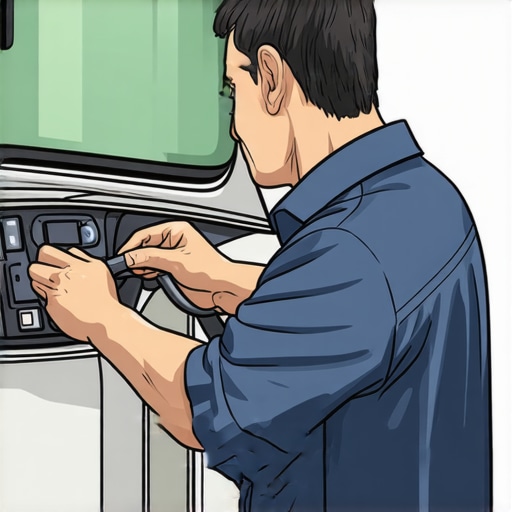
Lubricate and Clean the Moving Parts
Over time, dust or corrosion can cause resistance, slowing things down. Spray a silicone-based lubricant onto the window tracks and moving parts inside the door. Gently move the window up and down to distribute the lubricant evenly. This simple maintenance can often improve sluggishness without further repairs. I applied this method last summer after noticing my passenger window lagged. A quick lubrication restored smooth movement — and saved me a trip to the shop.
Inspect Wiring and Connectors
Wiring issues are often the silent offenders. Look for loose, frayed, or corroded wires inside the door panel. Use a multimeter to check for electrical continuity from the switch to the motor. If wires are damaged, replace or repair them to restore proper current flow. Proper electrical connections are essential; neglect can lead to intermittent window operation or complete failure.
Perform a Final Test and Reassemble
Once all components are checked, reassemble the door panel. Turn on your vehicle, and test the window operation. It should move swiftly and smoothly. If problems persist, consider seeking professional help. Sometimes, electrical control modules or PCM issues can interfere with power window performance, but most problems are mechanical or wiring-related, and are fixable DIY tasks.
Regular maintenance, like lubricating tracks and inspecting wiring, prevents slowdowns. If your vehicle’s power windows continue showing signs of sluggishness despite these efforts, it might be time to visit a trusted auto repair specialist. For additional insights into auto maintenance, check out how transmission overhauls save money or browse our essential car care tips.Many car enthusiasts and everyday drivers alike fall prey to common misconceptions about auto repair, often leading to costly mistakes and incomplete fixes. One widespread myth is that replacing a faulty part always guarantees long-term reliability. However, experts like those at automotive research firms emphasize that neglecting the underlying causes—such as misaligned components or electrical issues—can result in repeated failures despite new parts.
Why do so many overlook the importance of diagnostic precision in complex repairs?
This oversight can be as simple as assuming a worn-out clutch needs only a replacement, without inspecting the drivetrain for related problems like transmission wear or sensor malfunctions. Studies show that comprehensive diagnostics upfront can reduce repeat repairs by over 30%, saving time and money in the long run. Another trap is the belief that DIY repairs are always cheaper and better. While tackling minor tasks like changing oil or lubricating hinges can be beneficial, attempting complex repairs such as transmission rebuilds without proper tools or knowledge often leads to further damage. The risk here is underestimating the intricacies of modern vehicle systems, which are increasingly reliant on delicate electronics and precise calibrations. For example, a misaligned sensor during a transmission repair can cause a cascade of performance issues, including slipping and jerking, which are difficult to diagnose without specialized equipment. This is why consulting professional resources or trusted repair guides is crucial, especially when dealing with critical systems. When considering advanced repairs, understanding the interconnectedness of vehicle components is vital. For instance, a faulty transmission sensor might mimic a slipping clutch, but addressing only the symptom without inspecting the transmission fluid quality and wiring can result in recurring problems. To truly master auto repairs, it’s essential to look beyond the obvious and consider the vehicle as an integrated system rather than isolated parts. Regularly updating your knowledge through reliable sources like auto transmission overhaul guides can help prevent common pitfalls and improve repair outcomes. Remember, misdiagnosing or overlooking nuances can lead to higher costs and compromised safety. Be vigilant, and don’t shy away from seeking professional advice when in doubt. Have you ever fallen into this trap? Let me know in the comments.
Maintaining Your Vehicle’s Reliability Over Time
Keeping your car in top shape requires more than periodic visits to the mechanic; it demands the right tools and disciplined maintenance routines. I’ve found that investing in quality equipment—like a robust digital multimeter and a professional-grade torque wrench—makes diagnosing electrical issues and tightening bolts with precision much easier. A good multimeter, such as the Fluke 115, allows me to quickly pinpoint wiring problems or faulty switches, saving time and reducing guesswork. Likewise, a precision torque wrench ensures components like wheel lug nuts or transmission mounts are secured to manufacturer specifications, preventing future failures.
Beyond tools, leveraging specialized software can elevate your maintenance game. For example, OBD-II scanner apps, like Torque Pro or CarScanner, provide real-time engine diagnostics and sensor readings directly on your smartphone. I personally prefer the Bluetooth adapters from ELM327, which seamlessly connect to my device and give instant insights into engine health, enabling proactive care and preventing costly breakdowns. Regular data logging helps identify trends—such as a gradual increase in fuel consumption—that signal underlying issues before they escalate.
Looking ahead, the trend in auto maintenance is moving towards increased automation. With the rise of AI-driven diagnostic tools and predictive maintenance systems, vehicles will soon alert owners to impending failures via connected apps, much like health monitors for humans. Staying ahead means continually updating your toolkit and knowledge base, ensuring you’re prepared for ever-evolving vehicle technology.
How do I keep my car working smoothly over many miles?
Consistency is key. Establish a routine of checking fluid levels, inspecting belts and hoses for signs of wear, and lubricating moving parts like door hinges and window tracks. For instance, I recommend applying a high-quality silicone spray—such as the one from Meguiar’s—to the window tracks and door hinges. This simple step, echoed in our auto tune-up tips, prevents unwanted squeaks and prolongs component life. Furthermore, schedule seasonal services aligned with manufacturer recommendations, which helps catch issues early and maintains optimal performance.
If you’re serious about longevity and want to avoid unexpected breakdowns, consider upgrading your tools and knowledge. For example, learning how to replace transmission fluid correctly can extend the life of your gearbox. According to technical documentation from reputable sources, regular transmission fluid changes—not just top-ups—are vital especially for high-mileage vehicles. You can find detailed procedures in guides like this resource on transmission overhauls.
Where’s the future of auto maintenance headed?
With advancements like vehicle-to-everything (V2X) communication and onboard diagnostics getting smarter, auto repair will become more predictive and less reactive. I predict that within the next decade, DIY enthusiasts will have access to even more sophisticated tools that integrate AI diagnostics, making complex repairs more accessible. Embracing these innovations now by investing in versatile diagnostic equipment and understanding their use can give you a significant edge—saving money and time in the long run.
For anyone aiming to optimize their vehicle’s lifespan, I suggest starting with upgrading your diagnostic toolkit. Try using a trusted OBD-II scanner paired with a reliable app and see immediate improvements in your ability to catch issues early. Remember, the key is consistent, informed maintenance—your car’s longevity depends on it. For a comprehensive overview of essential car maintenance, visit our car care tips to keep your vehicle running smoothly year-round.
Lessons Hidden in Plain Sight That Changed My Auto Repair Approach
- One of the biggest lightbulb moments I experienced was realizing that most electrical issues stem from overlooked wiring corrosion or loose connections, not just worn-out parts. Regularly inspecting and cleaning electrical contacts has saved me countless headaches and money.
- I once thought that replacing a part was the final fix, only to discover months later that the root problem was a misaligned component or a faulty sensor. It taught me the importance of diagnostics over quick fixes, which I now prioritize for reliable auto repair.
- Understanding the vehicle as an integrated system rather than isolated parts was a game changer. Small issues like uneven tire wear or subtle steering vibrations often hint at underlying mechanical or electrical problems that need addressing before they escalate.
Tools and Resources I Trust for Auto Longevity
- OBD-II Scanners like Torque Pro: These have empowered me to catch engine and transmission issues early, saving money and avoiding breakdowns. Their reliability and user-friendliness make them a staple in my toolbox.
- Comprehensive Repair Guides from CollisionFixer: Their guides provide detailed instructions and troubleshooting tips that have helped me confidently handle complex repairs, ensuring I don’t overlook small but critical details.
- Quality Lubricants such as silicone sprays: Regular lubrication of moving parts like window tracks and hinges has extended their lifespan significantly. Trustworthy brands make maintenance both effective and affordable.
- Professional Workshops and Certifications: Continuous learning from experienced mechanics keeps me updated on best practices, enabling me to provide better care for my vehicle and others’ with confidence.
Your Next Step Toward Auto Confidence
After revealing these personal lessons and trusted resources, I hope you’re inspired to delve deeper into understanding your vehicle. Mastering these insights not only saves money but also fosters a sense of control and pride in maintaining your car’s health. Remember, the key to lasting auto performance is consistent, informed care. Don’t let small issues sneak past—tackle them early and keep your vehicle running smoothly for miles to come. What’s the most surprising thing you’ve learned about auto repair? Share your story below and let’s grow together in this journey.