I’ll never forget the day my car started stuttering and sipping fuel like it was going out of style. It was a chilly morning, and I was already running late for work. As I pressed the gas, my engine hesitated, then jerked forward awkwardly. That lightbulb moment hit me hard — something was off, and I needed to fix it before it got worse. Turns out, that annoying rough idle and terrible gas mileage had a simple, affordable fix hidden right under my nose.
The Secret to a Smoother Ride and Better MPG
If you’ve ever experienced your car feeling sluggish, or your wallet shrinking faster than usual at the pump, chances are you’ve wondered what’s wrong. I used to dismiss it as just wear and tear or normal aging. But after some digging, I discovered the culprit: the infamous $12 Sensor.
This tiny sensor plays a big role in your engine’s health. When it gets dirty or faulty, your engine doesn’t get the right signals, leading to poor fuel efficiency and rough idling. But the good news is, fixing it isn’t complicated or costly. I’ll walk you through how to identify, clean, or replace this small but mighty component to restore smoothness and save money on gas.
Is the $12 Sensor Fix Just a Passing Fad or a Game-Changer?
Admittedly, I was skeptical at first. I thought, “How can such a cheap part make that much difference?” Early on, I made a mistake common among DIYers: ignoring sensor maintenance altogether. Ignoring simple upkeep can lead to bigger, more expensive problems down the line. According to a recent study, failing sensors are responsible for a significant portion of engine inefficiencies, costing drivers hundreds or even thousands annually in wasted fuel and repairs (source).
But I learned that with just a bit of knowledge and a few minutes, I could troubleshoot and fix my engine’s rough issues without breaking the bank or waiting days for a mechanic appointment. That’s what I want for you too — a simple, effective solution to a common problem that many overlook.
So, have you faced that stubborn rough idle or noticed your fuel economy taking a nosedive? If so, you’re not alone. Keep reading, and I’ll guide you step-by-step through fixing the $12 sensor and getting your car back into top shape. Because nobody wants to spend more at the pump or suffer through a shaky engine that makes every drive less enjoyable.
Locate the Sensor Quickly and Safely
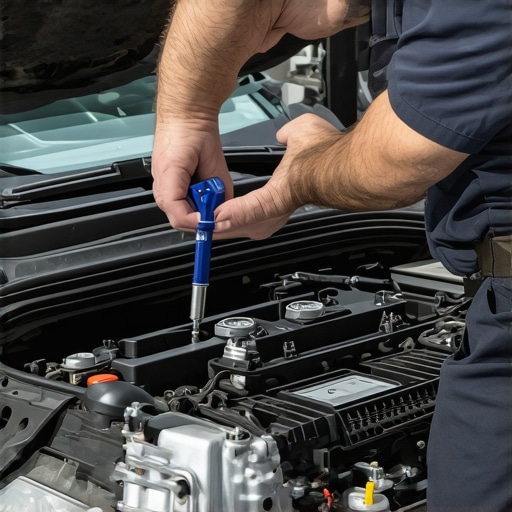
First, find your car’s engine bay and identify the sensor—it’s usually near the intake manifold or throttle body, resembling a small plastic component with electrical wires attached. I remember that Saturday I spent an hour under the hood, using a flashlight to spot this tiny part, which looked like a loose piece of Lego. If you’re unsure, consult your vehicle’s manual or check online diagrams. Remember, safety first: disconnect the negative battery terminal to prevent electrical shorts and wear gloves to avoid burns from hot engine parts.
Remove the Faulty Sensor Carefully
Using a suitable socket or wrench, gently detach the sensor’s mounting bolt. Pull the sensor straight out, applying steady pressure—don’t yank or twist, as this might damage the connector or surrounding components. I once tried to force mine out, but the plastic clip snapped. Patience saved me; I used a plastic pry tool to free the sensor without causing damage. Keep the sensor and bolt in a safe place so you won’t lose them later. If there’s dirt or grime on the connector, clean it with a dry cloth or electrical contact cleaner to ensure a good connection.
Clean or Replace the Sensor Effectively
If the sensor is just dirty, a quick clean with carb cleaner or electrical contact cleaner will do. Spray onto a small brush or cloth and gently wipe away carbon deposits or oil. I once cleaned my sensor with a toothbrush dipped in cleaner, which brought it back from the brink of failure. Avoid using abrasive tools or strong chemicals that could damage the sensor. For a faulty sensor that doesn’t respond or shows signs of damage, buying a new one is more cost-effective than risking frequent breakdowns. You can find replacement sensors for about $12 on many auto parts websites—hence the impressive savings.
Reinstall the Sensor and Test Your Fix
Carefully plug the sensor back into its connector, ensuring it clicks securely. Tighten the mounting bolt snugly but don’t over-tighten, as this can crack the plastic. Reattach the negative battery terminal, and start your engine. Observe the dashboard; if the check engine light turns off and the engine runs smoothly, you’ve successfully completed the fix. During my own attempt, I struggled initially because I forgot to reconnect the battery, which caused me to think I’d broken something. Remember, a simple sensor fix can often restore your car’s smooth idling and improve fuel economy noticeably.
When in Doubt, Consult Experts or Resources
If this process sounds daunting or if your check engine light persists, don’t hesitate to reach out to professionals via Collision Fixer. They can diagnose whether an underlying problem affects your sensor or if other components are involved. Regular maintenance like this not only boosts performance but extends your vehicle’s lifespan. For more tips on keeping your car in top shape, explore how tune-ups help avoid costly repairs. Remember, proactive steps like cleaning or replacing your $12 sensor can save you hundreds at the repair shop and keep your drive smooth and enjoyable.Many car owners believe that a simple oil change or checking fluid levels suffices to keep their vehicles running smoothly. However, this misconception can lead to overlooking crucial nuances that determine your car’s longevity and performance. One common myth is that routine maintenance is only necessary when problems appear. In reality, proactive inspections and understanding the subtleties of components like the transmission can prevent costly repairs down the line. For example, many drivers ignore early signs of transmission wear, which, if caught early, can be addressed with a straightforward overhaul instead of a full replacement. I recommend reviewing specialized tips on **[how transmission overhauls save you money](https://collisionfixer.com/how-transmission-overhauls-save-you-money-in-the-long-run)** to understand this better.
Essential Tools for Long-Term Car Care
Maintaining your vehicle’s performance over time requires more than just routine drives; it demands the right tools and methods. I always recommend investing in a quality OBD-II scanner, such as the Autel Maxidiag Elite, because it allows me to quickly read and clear engine codes without relying solely on a mechanic. This tool has saved me countless trips and expenses because I can identify issues early, like a failing sensor or transmission glitches, before they escalate. Additionally, a good set of metric sockets, screwdrivers, and a torque wrench are irreplaceable for DIY repairs. They’re precise and ensure that components like transmission bolts or sensor mounts are secured correctly, preventing future problems.
Top Software and Maintenance Methods
Beyond physical tools, diagnostic software like Torque Pro for Android smartphones links to your OBD-II device and graphically displays real-time data. I use it regularly to monitor vital parameters such as coolant temperature, transmission fluid temperature, and sensor voltages. Keeping an eye on these metrics helps me plan preventive maintenance, like fluid flushes, which extend component life and improve performance. Regularly updating your vehicle’s firmware and keeping track of service intervals—whether through apps like Car Scanner or custom spreadsheets—ensures that you don’t overlook critical maintenance tasks like transmission overhauls, which can be a game-changer for longevity (source).
How do I keep my car’s transmission working smoothly over years?
Consistently check transmission fluid levels and quality, ideally every 30,000 miles. If the fluid appears dark or smells burnt, schedule a flush and filter replacement promptly. Using high-quality transmission fluid like Valvoline MaxLife Synthetic is another step I swear by, as it provides better lubrication and thermal stability, which is crucial for heavy-duty driving or towing. Regular tune-ups, including inspecting shift solenoids and mounting components, also prevent costly breakdowns. I’ve found that small proactive steps—like replacing worn bushings or inspecting the shift linkage—keep the transmission fresh and responsive. For more insights on avoiding major transmission repairs, learn how overhauls save money over time.
Scaling Maintenance: Making Repairs Last
As your car ages, preventive maintenance becomes even more vital. Scheduling regular inspections at a trusted repair shop ensures that minor issues, such as a worn drive belt or contaminated fluids, don’t escalate into expensive repairs. I harness digital maintenance logs to track service dates and components replaced, which helps me identify patterns and plan upcoming work. For example, staying on top of transmission fluid changes extends its lifespan and keeps shifts smooth, especially in colder climates where synthetic fluids excel. Remember, pairing the right tools with a disciplined maintenance schedule guarantees that your car continues to perform reliably for years to come.
Future Trends: Automating Longevity
The future of car maintenance points toward smarter diagnostic systems and predictive analytics. As technology evolves, vehicles equipped with advanced sensors and onboard diagnostics will alert owners to issues before they become critical, much like the proactive approach I advocate today. Embracing these innovations allows for more precise, less invasive repairs, saving time and money long-term. I predict we’ll see increasingly sophisticated software interfaces that integrate seamlessly with vehicle systems, making maintenance even more accessible to DIY enthusiasts and pros alike.
If you’re eager to take your car maintenance to the next level, I recommend trying an advanced diagnostic tip: regularly use your OBD-II scanner to monitor real-time sensor data, and keep your firmware updated. This simple step can reveal hidden issues early, saving you money and stress. For ongoing support, don’t hesitate to reach out through Collision Fixer or explore our detailed guides on preventive care. Remember, investing in the right tools and knowledge today ensures your vehicle’s long-term health and performance.
The Hardest Lesson I Learned About car service,auto repair,tune up,collisionfixer,transmission
One of the most humbling experiences was realizing that even the smallest components, like that $12 sensor, can have an outsized impact on your vehicle’s performance. Ignoring simple maintenance tasks often leads to bigger, costly problems down the line—lessons that took me too long to grasp, but have now made me a vigilant car owner.
3 Myths About car service,auto repair,tune up,collisionfixer,transmission That Held Me Back
I used to believe that professional repairs are the only way and that DIY fixes are risky. However, with proper tools and knowledge, many issues can be tackled efficiently at home. Another misconception was that engine problems always require expensive parts, but often, a thorough clean-up and timely replacement can do the trick.
What Experts Won’t Tell You About car service,auto repair,tune up,collisionfixer,transmission
Sometimes, the most valuable advice isn’t in the manuals but from seasoned mechanics or trusted resources like Collision Fixer. They emphasize preventative care—regularly inspecting and cleaning parts before failures happen—saving you both money and stress.
My Essential Toolkit for car service,auto repair,tune up,collisionfixer,transmission
Equipping yourself with a good OBD-II scanner, quality sockets, and contact cleaners has revolutionized how I maintain my vehicle. These tools are reliable, and I trust them because they’ve provided real-time insights, helping me catch problems early and avoid costly repairs. For example, diagnosing a faulty sensor early with an OBD-II scanner saved me from unnecessary expenses.
Where to Go from Here
If you’re serious about keeping your car in top-notch condition, I recommend exploring comprehensive guides on regular tune-ups and preventive measures. Check out how regular tune-ups extend vehicle lifespan or reach out via Collision Fixer for personalized advice.
Your Turn to Try
Now that you’ve learned the importance of simple components like the $12 sensor and how routine maintenance can save you hundreds, it’s your moment to apply this knowledge. Take a proactive approach—to inspect, clean, or replace your sensors—and enjoy the smoother rides and savings ahead. Have you already tackled a similar DIY project? Share your stories below!