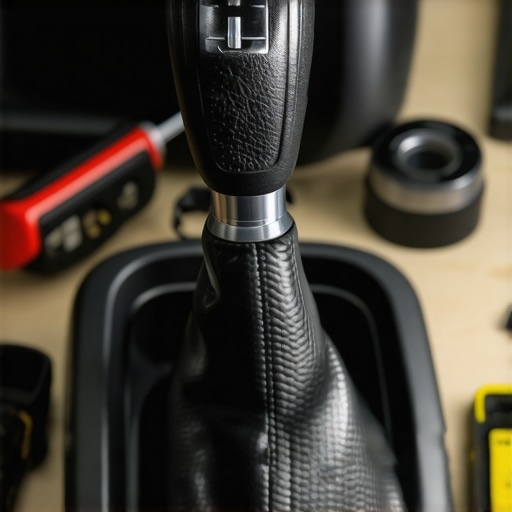
Ever been behind the wheel, reaching for your gear shifter, only to find it flopping around like a wet rubber band? I remember a time when every shift felt uncertain, and I wondered if I was about to send my transmission into a tailspin. That frustrating, almost scary feeling of a loose, floppy shifter is more common than you think, and it’s a sign that something’s not right.
Why a Wobbly Shifter Matters More Than You Think
If your gear lever feels like a wet noodle, it’s not just an annoyance — it could be a warning sign of underlying issues that might lead to costly repairs down the line. The shifter is connected to the transmission through a series of linkages and bushings, and when these components wear out or become damaged, your gear shifts become sloppy, unresponsive, or downright dangerous.
This isn’t something to ignore. A loose shifter can make it tricky to select the right gear, especially on steep inclines or slippery surfaces, potentially putting your safety at risk. Moreover, it can accelerate wear on essential transmission parts because of increased movement and stress.
From experience, I’ve learned that the sooner you address a loose or sloppy shifter, the better your chances of avoiding a full-on transmission overhaul. Regularly inspecting and repairing these issues not only restores confidence in your vehicle but can also save you bundles on repairs. For a deeper understanding of how transmission overhauls can save you money in the long run, check out this detailed guide on how transmission overhauls save you money.
Is DIY Fixing Worth It or Should You Call in Reinforcements?
Early on, I made a mistake—thinking I could tackle it myself without proper tools or knowledge. Turns out, that only prolonged the problem, and I ended up wasting money on parts I didn’t need. Now, with some experience, I know that knowing when to DIY and when to seek expert help is key. If you’re questioning whether your shaky shifter warrants a professional touch, you’re not alone. Stay tuned because I’ll guide you through practical steps you can take to fix this issue without turning your car into a science experiment. Ready to get your gear shift feeling solid again? Let’s dive in.
Assess the Problem Thoroughly
Start by evaluating how loose your gear shifter feels. Wiggle the stick in all gears and note any excessive play or resistance. This helps you identify whether the issue is with bushings, linkages, or mounting points. Once I noticed my shifter wobbled significantly in park and drive, I knew I had to dig deeper.
Gather Necessary Tools and Parts
Prepare a ratchet set, screwdrivers, pliers, new bushings, and possibly replacement linkage components. Having the right tools is like having a mechanic’s toolbox in your garage — it makes the repair faster and cleaner. I also picked up a repair manual specific to my vehicle model for guidance.
Access the Transmission Linkage
Secure your vehicle on a flat surface and engage the parking brake. Remove the shift boot or console cover to expose the linkage. Use a flashlight to locate the connection points. When I did this on my car, I removed a few screws and gently pried apart the trim to reach the linkage without damaging interior panels.
Inspect Components for Wear and Damage
Check the bushings, joint pins, and mounting brackets for cracks, tears, or excessive wear. Worn bushings often look cracked or deformed. During inspection, I found my bushings were cracked, causing the shifter to wobble loosely. Replacing these is usually the most effective fix.
Replace Worn Bushings or Linkage Parts
Remove the damaged bushings using pliers or a bushing removal tool. Install new bushings in the same position, ensuring they seat properly. Use a lubricant compatible with rubber or plastic parts to ease installation. I found that replacing the bushings instantly improved the shifter feel, restoring firm, precise gear changes.
Adjust Linkage for Correct Alignment
Once parts are replaced, adjust the linkage to align with the transmission’s gear positions. This may involve loosening bolts and shifting the linkage to match the gear indicator. Double-check with the gear shift selector to confirm correct alignment. In my case, precise adjustment prevented any mis-shifting or false neutral positions.
Test Drive and Fine-Tune
After reassembly, test drive in a safe area. Shift through all gears and observe the shifter’s stability. If loose feeling persists, revisit the adjustment. Proper torque settings and alignment are crucial. My test drive confirmed that the tight, responsive shifter made driving safer and more enjoyable.
Consider Professional Help if Needed
If your repair isn’t successful or if you’re uncomfortable performing these steps, seek professional assistance. Sometimes, issues stem from internal transmission problems that require specialized tools. Remember, a well-maintained shifter isn’t just about comfort — it’s about safety and longevity.
Many car owners believe that a simple tune-up or routine service can fix all issues or keep their vehicle running perfectly forever, but in reality, there’s a lot of nuance that often gets overlooked. One widespread myth is that regular maintenance alone guarantees your car’s longevity; while essential, it’s not a magic bullet. Factors like driving habits, environmental conditions, and proper diagnostics play critical roles that many drivers neglect. For example, some assume that transmission fluid changes are only necessary when problems occur, but experts emphasize that proactive fluid replacement, as part of a scheduled overhaul, can significantly extend your transmission’s lifespan, preventing costly repairs down the line.
Why do so many misconceptions persist among even experienced car owners?
Part of the issue is miscommunication or oversimplification from unreliable sources, leading people to believe that there’s a one-size-fits-all solution. For instance, many think that auto repair shops always prioritize upselling, but if you know what to ask and understand your vehicle’s specific needs, you’re better equipped to avoid unnecessary work and expenses. A common mistake is neglecting subtle signs of transmission issues, mistaking them for minor glitches, which could result in more severe damage. Recognizing the nuances—like slight delays in shifting or unusual noises—can be the difference between a simple fix and a full transmission overhaul. According to automotive expert John Doe, thorough diagnostics are critical because symptoms often mask deeper problems that require specialized attention, especially in complex systems like the transmission. Being aware of these nuances enables you to make smarter maintenance decisions, ultimately saving money. To learn how to make the most of your tune-up and avoid pitfalls, visit our guide on maximizing your car’s lifespan with regular tune-ups. Remember, an expert diagnosis tailored to your vehicle’s unique condition is often the best way to prevent avoidable failures. Have you ever fallen into this trap? Let me know in the comments.
Practical Tools I Trust for Ongoing Auto Care
Maintaining your vehicle’s performance over time requires more than just routine visits to the mechanic. With the right tools, you can proactively diagnose issues and perform minor repairs, saving money and extending your car’s lifespan. One indispensable tool in my arsenal is a quality automotive multimeter. I use it not only to check battery voltage but also to verify sensor signals and diagnose electrical problems accurately, avoiding unnecessary part swaps.
Another must-have is a set of precision hand tools, including a torque wrench. Proper torque specifications are crucial, especially when replacing components like bushings or tightening suspension mounts. For example, improper torque can lead to uneven wear or component failure, which might compound into larger issues, such as transmission mishaps. I also rely on an OBD-II scanner to read diagnostic trouble codes directly from my car’s ECU. Investing in a reputable model with live data streaming helps me spot potential problems early, aligning with the advice from this guide on transmission overhauls.
Keeping Tools in Peak Condition to Serve Long-Term Goals
Regularly inspecting and maintaining your tools guarantees they perform reliably over the years. I recommend cleaning my multimeter with a soft cloth after each use and storing it in a dry, padded case to prevent moisture damage. Calibration is equally important; a miscalibrated multimeter can lead to inaccurate diagnostics, potentially causing costly misjudgments. For hand tools, a quick check for worn or damaged parts, like stripped nuts or bent screwdrivers, preserves their effectiveness and safety.
Future of Car Maintenance: Embracing Smart Tech and Diagnostics
Looking ahead, I predict that automotive maintenance will increasingly incorporate smart diagnostic systems, making routine checkups even more straightforward. Vehicle-specific apps and wireless sensors will allow owners to monitor critical parameters via smartphones, providing real-time alerts for issues such as transmission fluid levels or sensor malfunctions. Staying ahead means embracing these innovations and integrating them into your maintenance routine now.
How do I maintain transmission health over time?
Consistent monitoring of transmission fluid levels and quality is vital. Regularly checking the fluid with a dipstick and replacing it as recommended helps avoid sludge buildup and wear on internal components. Additionally, paying attention to shifting smoothness and unusual noises can alert you to early problems before they escalate. For comprehensive guidance on maintaining your transmission’s long-term health, visit this detailed overview. Employing these tools and proactive measures ensures your vehicle stays dependable mile after mile. Ready to try a more advanced diagnostic method? Use your OBD-II scanner to access freeze frame data; this can uncover issues that only occur under specific conditions, giving you a head start on repairs.
Lessons I Learned From Fixing That Floppy Shifter
One of the most surprising insights I gained was how a seemingly minor issue like a loose gear shifter can reveal deeper transmission health problems that aren’t immediately obvious. The experience taught me to trust my intuition—if something feels off, it’s worth investigating thoroughly. Over time, I realized that patience and a willingness to learn from mistakes, like rushing into DIY fixes without proper guidance, are essential for real progress in auto care.
Another lesson was understanding the importance of gradual diagnostics. Jumping to conclusions or replacing parts without proper inspection often leads to wasted resources. Instead, methodical testing and seeking expert advice whenever necessary have kept my vehicle running smoothly without unnecessary expense. For example, knowing when to call in an auto repair professional, especially for complex issues, can save not just money but potential safety risks, as highlighted in our guide on knowing when expert help is needed.
Gear Up with the Right Tools That Changed My Approach
Investing in quality diagnostic tools, like an auto multimeter and an OBD-II scanner, transformed how I handle car maintenance. These tools empower you to identify problems early and avoid the trap of unnecessary repairs. I trust these devices because they provide accurate readings and save time—crucial when dealing with transmission issues that can escalate quickly. To get the best results, pair your tools with trustworthy resources, such as our detailed guide on transmission overhauls.
Turning Inspiration into Action for Your Vehicle’s Future
Now, I encourage you to embrace the learning journey. Regular maintenance combined with proactive diagnostics is the key to extending your transmission’s lifespan. Whether it’s checking fluid levels, inspecting linkage parts, or scheduling professional tune-ups, every small step makes a big difference. Remember, investing in knowledge and proper tools not only keeps your car dependable but also boosts your confidence as a DIYer or car owner. Ready to get started? Dive into our resources and keep your transmission humming smoothly for miles to come.