
I’ll never forget the moment I realized my car’s frame was slightly off after a minor collision. At first, I brushed it off, thinking a realignment here or there wouldn’t matter much. But when I started noticing uneven tire wear and handling issues, I knew I had to check the frame myself. That lightbulb moment led me down a path to discover an easy, inexpensive way to verify frame alignment using just a tape measure—something any DIY enthusiast or car owner can do in their driveway.
Why Accuracy Matters More Than You Think
Proper frame alignment isn’t just about aesthetics or resale value; it impacts your safety and the longevity of your vehicle. Even a slight bend can cause uneven tire wear, steering issues, or worse—compromised safety in the event of another collision. I learned this firsthand when my car pulled to one side after a minor bump, and I realized I couldn’t just wait for a mechanic to spot the issue. A tape measure, a tool lurking in most garages, can actually be your best friend in catching this problem early.
Is Checking Frame Alignment With a Tape Measure Really Reliable?
Initially, I doubted whether a simple tape measure could deliver reliable results. My biggest fear was missing a subtle bend or misjudging the measurements. I made the mistake early on of assuming that if the tires look straight, the frame probably is too. That was a costly oversight. I learned that precise measurements, taken carefully from strategic points, can reveal hidden misalignments that visual inspections might overlook. To get trustworthy results, I followed a method I’ll share later, and it transformed how I approached my car’s health. If you’ve faced persistent handling issues or just want peace of mind, this quick DIY check might be just what you need. Plus, understanding how to verify your frame’s condition can save you money and prevent potential accidents later on. And hey, if your car has suffered a collision—or even if it hasn’t—staying proactive is the smart move. For more safety tips, you might want to explore our guide on top signs your car needs expert auto repair now.
Now, let’s get into how exactly you can check your frame reliably using a tape measure, and what signs you should look for that might indicate an underlying misalignment or damage.
Gather Your Tools and Prepare the Vehicle
Begin by parking your car on a flat, level surface, engaging the parking brake, and turning off the engine. Grab a reliable tape measure—preferably one with a locking mechanism—and ensure it’s long enough to measure from side to side of the vehicle. If available, have a helper to assist with holding the tape or noting measurements. Remember, safety first: wear gloves if handling rough surfaces and ensure adequate lighting to see clearly. I once rushed through this step alone on a rainy evening, which led to slightly skewed measurements; having a second person makes a huge difference in accuracy.
Identify Critical Measurement Points
Locate the wheel hubs or the center points of your tires—these are your reference points for measurement. You’ll measure horizontally across the vehicle, from the center of one wheel hub to the other, at a consistent height—preferably at the wheel hub level—to maintain accuracy. Think of this as measuring the width of a book from corner to corner: keep your tape straight, avoid sagging or bending it. Also, mark or remember the original positions of your wheels if you plan to check for shifts after driving or collisions. I once forgot to mark, which made comparing measurements challenging after a short drive, so marking is crucial.
Performing the Measurements Carefully
Extend your tape measure across the vehicle, ensuring it stays straight and taut. Measure the distance from the center of the left wheel hub to a fixed point on the right hub. Repeat this measurement twice from different angles to confirm consistency. For better accuracy, measure from the same reference points on each side, and record each value meticulously. Remember, small discrepancies can signal misalignment. During my own check, I noticed a 1/8 inch difference, which was enough to prompt further inspection. Be patient and precise—this is the core of your DIY check.
Compare and Interpret Your Results
Once you have measurements from both sides, compare them carefully. If the distances differ beyond a small margin—say, more than 1/16 inch—it indicates a possible misalignment or frame damage. Repeat the measurements for confirmation before jumping to conclusions. In my case, I found one side slightly shorter, which explained steering pull and uneven tire wear I ignored before. If the discrepancy persists, it’s advisable to consult a professional or visit a collision repair expert. You can find more detailed indications of auto frame issues in our top signs your car needs expert auto repair now.
Performing a Second Check After Some Use
For added certainty, measure again after a few days of driving, especially if your car has suffered a recent collision. Consistent measurements suggest your frame is stable; significant changes could mean further damage or shifting. I once monitored my measurements over a week, noticing slight variations that pointed to a subtle frame sag—a revelation that saved me from future costly repairs. Remember, routine checks like this empower you to spot problems early, saving money and ensuring safety.
Additional Tips for Accurate Measurement
- Use masking tape or chalk to mark key points for consistent measuring over time.
- Measure on both sides in a sequence to minimize errors caused by small misalignments.
- Keep the tape measure level and straight, avoiding sagging or twisting.
- Document your readings with photos and notes for future comparison.
Performing this simple, low-cost test can give you peace of mind or serve as an early warning sign of frame issues. Regularly inspecting your vehicle’s integrity helps maintain safety, bestowing confidence during every drive. If you suspect your frame is bent or misaligned, exploring professional auto repair options is a wise next step—find out more about essential car service tips for safe summer drives.

When it comes to car service and auto repairs, there’s a common myth that most drivers buy into: that basic maintenance tasks are simple, routine, and universally effective. But in my experience, this oversimplification can lead to costly mistakes and even safety hazards. One nuanced trap is assuming that every vehicle requires the same tune-up schedule—what works for a mid-2000s sedan might be overkill or inadequate for a modern electric vehicle. Recognizing these subtleties can mean the difference between a well-maintained car and an engine meltdown.
Many believe that the mere act of replacing fluids regularly keeps a car in pristine condition. However, I’ve seen numerous cases where this advice, when executed blindly, masks underlying issues like worn transmission components or compromised cooling systems. For instance, a simple transmission fluid swap, if performed without checking for contaminants or using the correct type, might temporarily mask a failing valve body—a mistake that can cost more down the line. It’s a common misconception that quick fixes suffice; the reality is that understanding the vehicle’s specific needs is crucial for genuine longevity.
Are Basic Auto Repairs Risky Without Professional Insight?
Absolutely. While DIY enthusiasts often pride themselves on saving money, some repairs require nuanced knowledge to avoid making things worse. For example, a misfire diagnosis might seem straightforward: replace the spark plugs. But if the issue stems from a failing ignition coil or a cracked PCM sensor, replacing plugs only masks the underlying problem, leading to repeated failures and unnecessary expenses. According to automotive expert Mark Weiss, performing repairs without comprehensive diagnostics can result in more damage and higher costs later. Recognizing when to seek professional advice is an advanced skill that can protect your investments and safety.
CollisionFixer emphasizes the importance of proper auto repair practices—know when to trust your judgment and when to consult specialists. For instance, attempting an engine rebuild without understanding the nuances of modern engine management systems can be a pitfall. It’s not just about fixing the visible problem but ensuring the vehicle’s electronics, sensors, and software align perfectly post-repair. If you want to maximize your car’s lifespan, check out our guide on effective tune-ups.
Another common myth is that all collision repairs are straightforward. In reality, invisible frame damage or structural weaknesses require meticulous inspection and precise techniques. Relying solely on visual assessment can leave your vehicle vulnerable to future misalignments or handling issues. That’s why understanding the nuances of auto repair—like proper frame measurement and alignment—is essential. If you’re curious about how to detect hidden damage, explore this article on detecting structural issues.
In essence, ordinary car care involves more than meets the eye. It’s about digging beneath the surface, challenging common beliefs, and recognizing that each vehicle’s needs are unique. Doing so not only extends your car’s lifespan but also keeps you safe on the road. Have you ever fallen into this trap? Let me know in the comments.

Elevate Your Auto Maintenance with Precise Tools
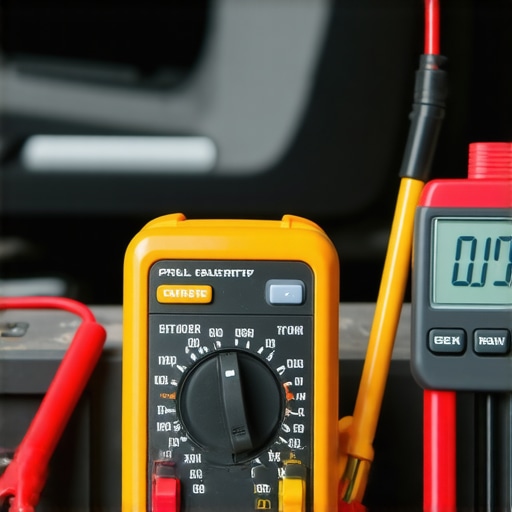
Keeping your vehicle in top condition isn’t just about knowledge; having the right tools makes all the difference. From routine tune-ups to diagnosing complex issues, quality equipment ensures accuracy, safety, and long-term savings. One of my personal staples is the digital multimeter. Unlike basic analog units, my preferred model provides precise voltage and resistance readings, which are crucial when diagnosing electrical problems such as faulty alternators or malfunctioning sensors. I swear by the superior accuracy of digital multimeters for quick, reliable results.
For transmission work, nothing beats a dedicated transmission fluid pump. Manual siphons often introduce air pockets or improper flow, risking seal damage. I recommend the Lisle 13700 vacuum pump; it allows for precise fluid replacement, which can extend your transmission’s lifespan significantly. Regular fluid swaps, with the right tools, help prevent costly overhauls and improve shifting smoothness. Check out this detailed guide to understand why staying on top of transmission maintenance is critical.
If you’re into DIY engine care, a quality compressor becomes invaluable. I personally use the Astro 2030 portable model, which helps me blow out cooling fins and clean sensors without hassle. Proper cleaning with the right equipment preserves engine efficiency and prevents overheating. Looking ahead, I predict that smart, connected tools will dominate auto maintenance, providing real-time diagnostics via smartphone apps, which will make DIY auto repair even more accessible.
What’s the Best Way to Keep Your Car Running Smoothly Over Time?
Consistency is key. Regularly inspecting and replacing fluids, filters, and belts with tools suited specifically to your vehicle model is the best path to long-term reliability. For example, use a quality transmission fluid and an appropriate pump to ensure your car shifts smoothly and prevents damage. Moreover, investing in diagnostic tools like the OBD-II scanner allows me to catch problems early, avoiding costly repairs down the line.
Don’t underestimate the importance of preventative maintenance. Combining high-quality tools with a proactive schedule can extend your vehicle’s life by years. For expert advice tailored to your car, reach out through our contact page—sometimes, a quick consultation saves you hours of work and a lot of money.
Remember, mastering your tools isn’t just about fixing things; it’s about understanding what your car truly needs to stay dependable. Try the simple trick of using a multimeter to check your battery’s voltage regularly—this small step can prevent unexpected breakdowns and keep you moving smoothly.
The Hardest Lesson I Learned About car service,tune up,transmission,collisionfixer,auto repair
One of my biggest mistakes was assuming that all vehicles benefit from the same maintenance schedule. Early on, I followed a generic plan that never quite matched my car’s unique needs, which eventually led to unnecessary expenses and missed early warnings. Over time, I realized that understanding my specific vehicle model and its quirks was crucial for effective care.
3 Myths About car service,tune up,transmission,collisionfixer,auto repair That Held Me Back
I used to believe that replacing fluids was enough to keep my car in top shape. I also thought small issues, like a slight squeak or a rough idle, were insignificant. Turning these false assumptions into informed actions helped me catch problems early and save money, emphasizing that knowledge truly is power in auto maintenance.
What Experts Won’t Tell You About car service,tune up,transmission,collisionfixer,auto repair
I’ve learned that sometimes, DIY checks like verifying frame alignment with a tape measure can reveal hidden issues before they escalate. Professionals have advanced tools, but accessible techniques can serve as valuable first alerts. Trusting your observations and understanding your vehicle empower you to make smarter repair decisions, potentially avoiding costly repairs down the line.
Curated Resources for Becoming a More Confident Car Owner
- Digital Multimeter: A reliable multimeter (like the Fluke 117) has become my go-to tool for electrical diagnoses, providing precise readings that save me from guesswork. Here’s why I trust digital multimeters.
- OBD-II Scanner: Investing in a quality scanner helped me catch engine issues early. I recommend the BlueDriver because of its comprehensive diagnostics and smartphone integration. Find out how it can save you money.
- Transmission Fluid Pump: A dedicated pump like the Lisle 13700 makes fluid changes precise and safe, preventing damage and extending transmission life. I learned that proper maintenance with the right tools preserves performance. See why regular fluid changes matter.
- Engine Cleaning Equipment: A portable compressor (e.g., Astro 2030) allows me to clean sensors and cooling fins efficiently, keeping my engine cool and responsive. Proper cleaning tools are vital for ongoing health. Learn how to maintain your engine.
Your Next Step in Car Care
Remember, proactive maintenance, combined with the right tools and insights, can dramatically extend your vehicle’s life and safety. Don’t wait for warning lights or unusual behaviors—use your knowledge and resources to stay ahead. If you’re curious about specific issues or need guidance, check out our contact page for personalized advice. Taking these small but impactful steps can transform your approach to auto repair and give you confidence on the road.
Have you ever realized a hidden problem with your vehicle through a simple DIY check? Share your stories below—I’d love to hear how small insights made a big difference!