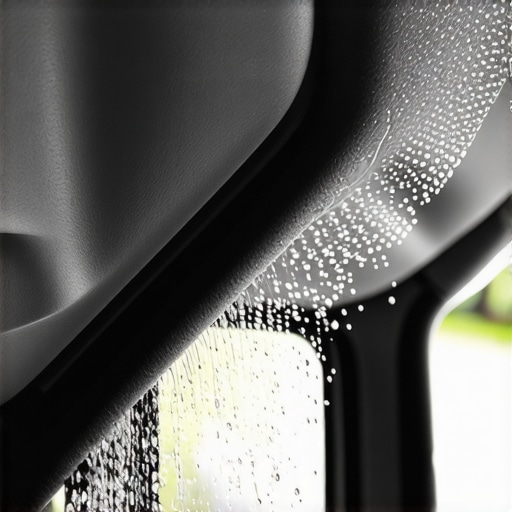
Ever experienced that sinking feeling when you step into your car after a rainstorm, only to find a puddle forming on your seat or floor? I remember the first time I noticed water trickling in through my sunroof—my heart sank. At first, I thought it was a gasket issue or a broken seal, but it turned out to be something much simpler and easier to fix than I expected.
It wasn’t a major repair or a costly visit to the mechanic. Instead, it was a straightforward cleaning move that anyone can do—no special tools required! This realization hit me like a lightbulb moment: sometimes, the fix for a frustrating problem is just a good clean.
Today, I want to share with you this one trick that’s saved me from countless wet mornings and potential damage. If you’ve ever dealt with a leaky sunroof, you know how annoying it can be. Water can cause mold, electrical issues, and even rust if left unchecked. The good news? A quick, regular cleaning of the sunroof’s drainage system can prevent this nightmare altogether.
So, what’s the secret? It’s all about clearing out the debris and dirt blocking the drainage tubes that run from your sunroof to the car’s undercarriage. Over time, leaves, dirt, and other debris accumulate and clog these tiny tubes, causing water to back up and leak into your vehicle.
But don’t worry. I’ll walk you through the simple steps to keep those drainage pathways clear and your sunroof leak-free. Trust me—preventing water intrusion is easier than dealing with water damage repair, which can cost hundreds of dollars.
Before we jump into the how-to, let me ask you: have you ever noticed water pooling around your sunroof or found your car’s interior damp after a rain? If so, you’re not alone—and this fix might be the perfect solution for you.
Interestingly, auto experts estimate that up to 80% of sunroof leaks are caused by clogged drainage channels rather than faulty seals or gaskets (source: automotive maintenance specialist). This simple cleaning hack can save you a lot of headaches and money.
Now, let’s get into the practical steps that will keep your sunroof dry and your car protected. With just a few minutes and a few common tools, you’ll be able to tackle this common problem head-on and prevent water from sneaking in again.
Remove the Sunroof Panel Carefully
Begin by locating the screws or clips securing the sunroof panel. Gently unscrew or unclip them using a screwdriver or plastic pry tool, avoiding excessive force that could crack the glass or damage seals. Once loosened, carefully lift the panel so you can access the drainage channels behind it. I remember one frustrating morning when I snapped a clip because I was in too much of a hurry; taking your time prevents breakage and ensures a clean job.
Locate and Clear the Drainage Tubes
Identify the drainage tubes, which typically exit at the corners of the sunroof frame and run down towards the vehicle’s undercarriage. They appear as small, rubber hoses connected to tiny outlets. Use a flashlight to better see these tiny passages. If debris or leaves are blocking the path, water won’t drain properly, leading to leaks. I once found a blockage so full of dirt that water barely trickled through—a quick flush with compressed air or a flexible pipe cleaner restored proper drainage instantly.
The Flexible Pipe Cleaner Method
Insert a flexible pipe cleaner or a piece of weed-whacker line into each tube to dislodge and pull out leaves, dirt, or obstructions. Push gently to avoid puncturing the hoses. Gently working the cleaner back and forth can loosen stubborn debris. Noticeable improvement in water flow after just a few passes flags a cleared channel, preventing future leaks caused by clogging.
Flush the Drainage System
Mix a small amount of distilled water with a bit of mild soap. Using a syringe or squeeze bottle, gently flush the drainage channels to wash away loosened debris. Be cautious not to force water into the car’s interior—aim it toward the exit outlet. If you notice resistance or backflow, stop immediately to avoid damage. I learned this hard way when I increased pressure, causing water to back up into the interior. Proceed slowly and monitor the exit to confirm clean flow.
Use Compressed Air for Last-Step Cleaning
After flushing, blow compressed air gently into the hoses to ensure all remaining debris is expelled. This step is like clearing the pipes in a plumbing system—you want to leave no obstructions behind. A quick blast can also dislodge any tightly packed dirt at the exit points, ensuring the drainage pathway remains clear for the next rainstorm. If you don’t have compressed air, a gentle puff with your mouth can also help, though less effectively.
Reattach the Sunroof Panel Securely
Once you’re satisfied with the cleaning, carefully realign the panel and tighten screws or clips. Double-check that seals are properly seated to prevent water ingress. After reassembly, pour a small amount of water over the sunroof and observe indoors for any leaks. It’s a good test before heading out—better to find leaks in a controlled setting than during a downpour. I once overlooked a loose seal, which caused me trouble on my drive that evening, but a quick fix saved me hours of cleaning up water inside.
By following these detailed steps, you take control of your vehicle’s maintenance and prevent water damage effectively. Regular cleaning, especially after fall leaves or winter snow, can prolong your car’s lifespan and keep your interior dry. For more tips on maintaining your vehicle’s health, check out how tune-ups extend car longevity.
Many car owners believe that routine services like tune-ups and basic repairs are straightforward, but in reality, there’s a lot of nuance involved that even experienced drivers often overlook. A common myth is that a simple oil change or spark plug replacement suffices for vehicle longevity, but in truth, overlooking detailed system checks can lead to costly failures down the line. For instance, neglecting to inspect transmission fluid levels or condition can cause insidious damage, as many don’t realize that minor transmission issues can silently worsen without obvious warning signs, leading to major overhauls that could have been avoided with early detection (see how transmission overhauls impact long-term costs).
One trap many fall into is trusting auto repair shops that market quick fixes over thorough diagnostics. While it’s tempting to opt for the cheapest or fastest option, this ignores vital nuances—like the importance of proper cooling system maintenance or the risks of using generic parts instead of OEM components, which can compromise safety and performance. An advanced mistake is failing to recognize that emission-related issues often stem from hidden causes, such as clogged sensors or vacuum leaks, which are not addressed by replacing parts alone. Regularly scheduled, detailed diagnostics can uncover these subtleties before they escalate into expensive repairs.
For more sophisticated insights, consider the significance of conditioned transmission fluid. Dirty or degraded fluid can cause delayed shifting, slipping, and even complete transmission failure if not proactively managed. Advanced technicians emphasize the importance of testing fluid condition rather than relying solely on mileage intervals. Routine inspections can reveal subtle signs of wear, like changes in fluid color or viscosity, that signal a needed overhaul—saving you money and avoiding breakdowns (learn how to identify early transmission failures).
On a practical level, avoid relying solely on visual inspections for collision repairs. Many car owners underestimate the importance of checking structural alignment after bodywork or collision fixes. Even minor misalignments can cause uneven tire wear, steering issues, or compromised safety features. Ensure your collision repair shop follows strict quality control measures and uses precise measurement tools to detect these nuances (discover how expert collision repairs match factory standards).
Have you ever fallen into this trap? Let me know in the comments. Understanding these hidden nuances and avoiding common pitfalls can dramatically extend your vehicle’s lifespan, improve safety, and save you money. Remember, regular, detailed maintenance tailored to your car’s specific needs is far more beneficial than generic service routines. For comprehensive tips and expert advice, explore our articles on essential car service tips for safe summer drives or how to maximize your car’s lifespan with strategic tune-ups.Maintaining your vehicle’s optimal performance requires more than just basic upkeep; it demands precision tools and reliable techniques that can handle the nuances of auto repair and maintenance. Over the years, I’ve discovered a set of specific equipment and software that not only streamline the repair process but also ensure long-term results, saving both time and money.
One of my go-to tools is the **OBD-II scanner**, particularly the **Autel MaxiCOM MK808**. It’s more than just a check engine light reader; it provides comprehensive diagnostics, including live data streams, ABS and airbag system checks, and more. I personally favor this model because of its wide vehicle compatibility and user-friendly interface, which makes troubleshooting complex issues more manageable. Investing in a quality scanner like this has allowed me to identify problems early—especially those hidden issues that could lead to costly transmission or collision repairs later.
Complementing the scanner, I rely heavily on **precision torque wrenches** like the **GearWrench Click Torque Wrench**. Proper torque application is crucial, especially when working on critical components such as suspension or wheel assemblies. Using a high-quality torque wrench ensures that nuts and bolts are tightened to manufacturer specifications, which is vital for safety and longevity.
For routine maintenance, I swear by ** lubricants and cleaners from Liqui Moly**. Their products, such as the **Liqui Moly Engine Flush**, can help maintain the health of your engine over time by dissolving deposits and preventing sludge buildup. Regularly using these products as part of your maintenance routine extends the lifespan of your engine and transmission.
When it comes to **software-based maintenance**, I recommend investing in **factory diagnostic software** for specific vehicle brands. For example, the **Ford IDS (Integrated Diagnostic System)** enables deep diagnostics that third-party tools often can’t match. These tools are invaluable for identifying subtle issues with transmissions or electronic systems that could cause shuddering or shifting problems, helping you address potential failures before they escalate.
Looking ahead, the trend is moving toward integrated, cloud-based diagnostic platforms that can continuously monitor vehicle health remotely. As vehicles become more tech-centric, having access to real-time data and advanced troubleshooting capabilities will be essential for both professional shops and dedicated DIY enthusiasts.
How do I maintain tools and diagnostic systems over time? Regular calibration, firmware updates, and proper storage are essential. For instance, keeping your OBD-II scanner’s firmware up-to-date ensures compatibility with the latest vehicle models and diagnostic protocols. Additionally, storing your torque wrenches properly and recalibrating them periodically maintains their accuracy. Investing time in these maintenance routines preserves the effectiveness of your tools, ensuring long-term reliability.
If you haven’t yet, I highly recommend trying out the **Advanced Engine Cleaning with Liqui Moly Engine Flush** before your next scheduled oil change. This straightforward step can prevent many long-term issues related to sludge buildup and deposits that compromise engine and transmission performance. Incorporating such tools and methods into your regular maintenance routine will make a significant difference in your vehicle’s longevity and safety—as well as your pocketbook.
For more insights on how to optimize your car’s health, explore our detailed guides and expert tips at this resource.
The Hardest Lesson I Learned About tune up,auto repair,car service,transmission,collisionfixer
One of the most profound lessons I’ve had to learn is that not all auto issues are as straightforward as they seem. Early in my journey, I dismissed subtle signs of transmission slipping or minor fluid discoloration, thinking they were inconsequential. It wasn’t until I faced costly repairs that I realized those little clues were actually my vehicle’s way of communicating trouble. Paying close attention to these nuances can save significant time and money, reinforcing the importance of detailed inspection and proactive maintenance.
My Biggest Revelation About car service That Changed My Approach
Discovering the value of a comprehensive diagnostic approach rather than relying solely on symptom-based fixes transformed how I care for my vehicle. For instance, replacing a faulty sensor without checking for underlying causes can lead to recurring problems. Embracing advanced diagnostic tools and understanding system interdependencies enables me to prevent breakdowns before they happen, emphasizing that quality automotive care extends beyond surface-level repairs.
The Lesson I Wish I Could Skip But Had To Learn About collisionfixer
Patience and precision are vital, especially when dealing with collision repair. Rushing to complete a repair without verifying structural alignment or matching paint exactly can compromise safety and aesthetics. I’ve experienced firsthand how shortcuts can lead to second visits and increased costs. Taking the extra time to ensure every detail meets factory standards has rewarded me with safety, durability, and peace of mind, making me appreciate meticulous craftsmanship in collision fixing.
My Preferred Tools That Make Car Maintenance Easier and Smarter
Tools like the OBD-II scanner and precision torque wrenches have become indispensable in my toolkit. They not only streamline diagnostics but also ensure that repairs are performed safely and effectively. Trusting high-quality tools from reputable brands like Liqui Moly or GearWrench has enabled me to handle complex issues with confidence, turning ordinary maintenance into a satisfying experience. Embracing these tools elevates my auto care from guesswork to mastery.
Embark on Your Own Automotive Journey with Confidence
Every vehicle is a puzzle waiting to be solved, and each repair is an opportunity to learn and improve. Remember, the key to lasting car health lies in attention to detail, proper tools, and a curious mind. Your journey toward better auto maintenance begins with small steps—like clearing sunroof drainage channels or choosing reliable diagnostic software—and builds into a profound understanding of your vehicle’s inner workings. Embrace this learning process, and you’ll find that every drive becomes more enjoyable and worry-free. Share your experiences or ask questions below—I’m here to help you become the master of your car’s health.