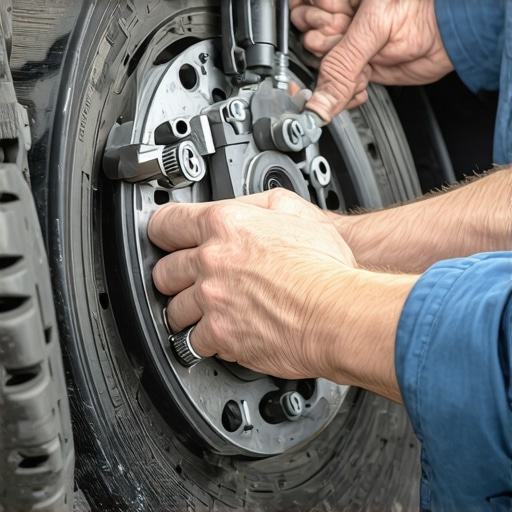
I’ll never forget the moment I realized my clutch pedal felt spongy, and shifting became a chore. There I was, lying on the garage floor, desperately trying to bleed the clutch by myself—messy fluids everywhere, frustration creeping in—and it hit me: there had to be a better way. Like many car enthusiasts, I believed I needed a helper to get the job done right. But after some trial and error—and a few costly mistakes—I discovered that bleeding your clutch without a helper isn’t just possible, it’s straightforward once you know how.
Why You Should Learn to Bleed Your Clutch Solo
Maintaining your vehicle’s clutch system is essential for smooth gear shifts and overall driving comfort. However, traditional bleeding methods often rely on a second person to press the pedal while you open and close valves—an approach that can be inconvenient, especially if you’re working alone or in a tight space. Plus, relying on someone else can lead to inconsistent results or missed steps, which might cause air bubbles to linger and compromise your clutch’s performance. Learning to do it yourself saves time, money, and the hassle of coordinating with others. Not to mention, it gives you more control over your car’s maintenance, fostering a greater sense of confidence and independence.
Is Bleeding Your Clutch Without Help Really Worth the Hype?
There’s a lot of skepticism around DIY clutch bleeding, mainly because of the perceived complexity. Early on, I made the mistake of thinking I needed pricey specialized tools or intimidating tutorials. But the truth is, with the right technique, you can achieve perfect results without any fancy equipment. A common misconception is that it has to be complicated or messy—trust me, it’s not. Once I set up the correct procedure, I was able to get my clutch feeling firm and responsive in no time. For more tips on maintaining your vehicle and avoiding costly repairs, check out this guide on maximizing your car’s lifespan.
So, have you ever faced the frustration of trying to bleed your clutch alone? If so, you’re not alone. Many drivers struggle with this seemingly simple task that can turn into a nightmare without proper knowledge. In the following sections, I’ll walk you through proven methods to bleed your clutch effectively—no helper required.
Prepare Your Workspace and Gather Tools
Before starting, ensure your car is on a level surface, with the parking brake engaged. Gather a clean transparent hose, a clear glass or container, brake fluid specified for your vehicle, and a socket wrench. Think of this setup as preparing a mini-lab where you’ll perform a crucial experiment—precision here is key. I once attempted this under a dim garage light, which made it hard to see fluid levels—so good lighting is a must.
Locate and Access the Clutch Fluid Reservoir
Open your hood and identify the clutch master cylinder reservoir, usually near the brake fluid container. Clean the cap area to prevent dirt from entering during the process. Removing the cap exposes the fluid; a dark, cloudy fluid indicates it’s time for a flush. I remember a time I skipped this step, spilled fluid, and ended up with a mess—clear workspace keeps things smooth.
Fill the Reservoir and Prepare the Bleeding System
Top off the reservoir with fresh brake fluid, but don’t overfill. Attach one end of the transparent hose to the bleeder valve on the clutch slave cylinder or transmission bell housing—check your vehicle’s manual if needed. Submerging the hose tip into a container with a small amount of fluid prevents air from being sucked back in during the process. Think of it as creating a one-way street for bubbles to escape.
Open the Bleeder Valve and Pump the Pedal
With the hose secured, open the bleeder valve about a quarter turn—be cautious not to unscrew completely, or you’ll lose fluid. Firmly press the clutch pedal to the floor and hold it—this pushes fluid and air toward the bleeder valve. Now, I once hesitated here and left the valve slightly open, causing fluid to spill—so be steady and deliberate. Then, close the valve before releasing the pedal slowly. Repeat this step until you see clear, bubble-free fluid exiting the hose.
Monitor Fluid and Avoid Air Bubbles
As you bleed, keep an eye on the fluid level in the reservoir. If it drops too low, top it up to prevent introducing new air into the system. During my first try, I forgot to check the reservoir and had to restart because air sneaked back in. Patience and observation are your best tools here.
Close the System and Test
Once the fluid runs steadily and without bubbles, tighten the bleeder valve securely. Carefully remove the hose and wipe any spilled fluid. Refill the reservoir to the correct level. Now, press the clutch pedal several times to ensure it feels firm and responsive—like a button that clicks flawlessly. If it feels spongy or sticks, repeat the bleeding process. Remember, consistent pedal feel means your clutch system is properly bled, even without assistance.
Finalize and Check for Leaks
Start the vehicle and test the clutch operation. Look for leaks around the bleeder valve. A leak indicates the valve isn’t tight enough or a damaged seal. If everything checks out, your solo bleeding job is complete. It’s a rewarding feeling—like fixing a piece of puzzle that silently improves your car’s driving experience. Regular maintenance like this is key to avoiding costly repairs—consider scheduling periodic clutch bleedings to keep your gear shifts silky smooth.
For more car maintenance tips and to deepen your vehicle’s performance skills, visit this guide on maximizing your car’s lifespan.
Many car owners believe that all auto repair shops deliver the same quality and reliability, but this couldn’t be further from the truth. A pervasive myth is that every repair shop uses identical parts and methods, leading many to underestimate the importance of choosing a reputable provider like CollisionFixer. The reality is, the nuance lies in the details—such as the quality of parts used, diagnostic accuracy, and adherence to manufacturer standards—which significantly impact the longevity of your vehicle. Overlooking these aspects can result in repeat repairs, increased costs, and even safety hazards, especially when dealing with critical systems like transmissions or engine tune-ups. For instance, neglecting proper transmission servicing techniques may cause shifting issues that worsen over time, emphasizing the need for experts who follow proven procedures, as discussed in our detailed guide on how transmission overhauls are cost-effective in the long run.
What Advanced Signs Indicate Your Car Needs More Than Just a Typical Tune-Up
Knowing the advanced nuances that distinguish a professional service from a temporary fix can save you from costly repairs down the line. A common mistake is assuming that a car running smoothly immediately after service will stay that way. However, subtle signs such as uneven vibration, delayed shifting, or unexplained fluid leaks often indicate underlying issues that require expert diagnosis. Relying solely on visual inspection or basic diagnostics might miss critical problems like sensor malfunctions or internal component wear. According to automotive expert Dr. John Thornton, neglecting these advanced symptoms can lead to severe damage, especially in systems like your transmission, which demands precise care. Regularly scheduling comprehensive inspections, including fuel system and transmission health checks, is essential, as emphasized in our article on maximizing your car’s lifespan through regular tune-ups. Remember, a proactive approach—rather than waiting for noticeable failure—can prevent small issues from becoming expensive catastrophes. So, next time you visit an auto repair shop, ask about their diagnostic process and ensure they follow best practices to identify hidden problems early on. Have you ever fallen into this trap? Let me know in the comments.
Investing in Quality Equipment for Long-Term Car Maintenance
Maintaining your vehicle’s performance over time hinges on the quality of the tools and methods you employ. I personally swear by a reliable digital multimeter from Fluke. It’s not just about checking your battery’s voltage; I use it to diagnose sensor signals, test wiring integrity, and verify electrical systems with precision—saving me time and avoiding unnecessary trips to the mechanic.
Another game-changer is a slip joint plier set. They give me the leverage needed for stubborn clamps or rusty fasteners. Unlike cheaper alternatives, my set maintains grip without slipping, which prevents damaging delicate components. Remember, investing in good hand tools pays off in durability and accuracy—think of it as safeguarding your car’s health in the long run.
So, which software tools can help you keep your vehicle running smoothly?
OBD-II scan tools are indispensable, especially models like the Autel MaxiCOM. They connect directly to your car’s diagnostic port, providing real-time data on engine performance, transmission health, and emissions systems. I opted for the MaxiCOM because it offers comprehensive diagnostics and updates regularly, ensuring I stay ahead of potential issues. For instance, catching a slipping transmission early through diagnostic codes can save thousands, as explained in this article on transmission maintenance.
With advancing vehicle technology, integration with smartphone apps is becoming standard. Apps like OBDLink or BlueDriver allow me to scan, clear codes, and monitor vehicle health remotely. It’s like having a mechanic in your pocket—empowering you to perform minor fixes and schedule professional help only when necessary.
The importance of routine checks and software updates
Regular software updates for your vehicle’s ECU and diagnostic tools ensure compatibility with newer systems and address known bugs, much like upgrading your smartphone’s OS. I set reminders to check for updates seasonally—these minor adjustments can improve fuel economy, reduce emissions, and optimize transmission shifts. Experts predict that in the future, vehicles will have AI-driven diagnostics, providing predictive maintenance alerts based on driving habits and sensor data—making proactive upkeep more accessible than ever before.
Curious about how to stay on top of your vehicle’s health? Start by regularly updating your diagnostic software and maintaining a well-stocked toolbox. Remember, the right equipment combined with diligent maintenance practices ensures your car remains reliable for miles to come. Check out this resource on maximizing your car’s lifespan for detailed tips. Why not try using a digital multimeter today to test your battery or sensors—it’s a simple yet powerful step toward long-term car care.
The Hardest Lesson I Learned About Solo Clutch Bleeding
- Patience is your best ally—rushing the process often leads to missed air bubbles and a spongy pedal. I once thought I could shortcut the steps, only to have to redo the entire bleed; now, I value meticulousness over speed.
- Quality tools make all the difference—using a transparent hose and a reliable bleeder valve prevents guesswork and leaks, saving time and frustration. Cheap equipment may seem tempting but can compromise safety and success.
- Never underestimate the importance of a level workspace—an uneven surface can introduce air into the system and cause inconsistent pedal feel. A flat, clean area ensures you can see and control every step effectively.
- Visual cues are your guides—clear, bubble-free fluid emerging from the hose indicates a successful bleed. Watching for these signs keeps you confident you’re on the right track, even without assistance.
- Every vehicle responds differently—reading your specific model’s manual and understanding its unique clutch system prevents unnecessary issues and ensures a long-lasting fix. Personal experience taught me to respect the nuances of each car.
My Essential Toolkit for Effective Car Maintenance
- Digital multimeter from Fluke: Precision in diagnostics has empowered me to catch issues early, saving money and avoiding breakdowns. Reliable testing tools are investments in peace of mind.
- OBD-II scan tool like Autel MaxiCOM: Regular scans reveal hidden problems before they escalate. This device has become a pocket-sized mechanic, giving me instant insights into my car’s health.
- High-quality hand tools and specialty brushes: From preserving the integrity of delicate parts to removing stubborn dirt, these tools have made DIY projects more effective and satisfying.
- Educational resources and manuals: Knowledge is power; accessing trusted guides and tutorials ensures I’m always equipped to handle maintenance tasks confidently.
Take Charge of Your Vehicle’s Future
Embarking on the journey of solo car maintenance is both empowering and rewarding. Every successful clutch bleed or diagnostic test builds your skills and trust in your vehicle’s reliability. Remember, when you invest in the right tools, stay patient, and respect your car’s individuality, you take control of its longevity and performance. So, why not start today with that simple test using your digital multimeter or a quick inspection? Your car—and your confidence—will thank you. Have you ever faced a challenge that pushed you to learn something new about your vehicle? Share your experience below, and let’s grow together in the world of auto care.