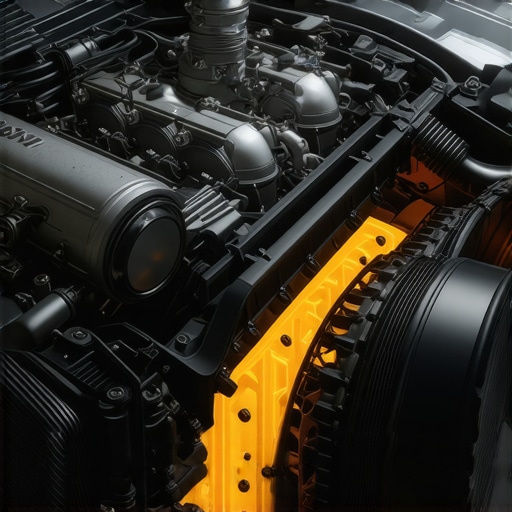
The first time my engine started tapping just as I turned the key on a chilly morning, I thought my car was protesting. That sharp, metallic sound seemed to echo my frustration—why now, of all times? Like many of you, I’ve faced that moment of dread when my vehicle behaves unpredictably, especially during cold starts. Turns out, that familiar tap is more than just an annoyance—it’s a signal that something needs attention. And honestly, understanding why your engine taps only when fully warm can save you a lot of headaches—and money—down the road.
Getting to the Bottom of the Cold-Start Tap
When your engine makes that tapping noise solely during cold starts, it can feel like a mystery wrapped in an automotive enigma. But there’s good news: this behavior is often caused by specific, identifiable issues that you can address with some basic knowledge and preventative care.
Many auto experts point out that this tapping is frequently related to oil viscosity and how quickly it circulates when your engine is cold. Think about it—thick oil in low temperatures takes longer to reach all the engine parts, leading to temporary noise. However, if the tap persists after the engine warms, it might be a warning sign of deeper problems, such as worn hydraulic lifters, piston slap, or valvetrain issues. An early mistake I made was ignoring that initial ticking, chalking it up to old age. It wasn’t until I realized that persistent noise could indicate serious issues that I started paying more attention—something you might want to consider too.
The importance of addressing these sounds promptly cannot be overstated. Ignoring them may lead to more costly repairs later on, such as replacing worn-out lifters or pistons. Regular maintenance and early diagnosis play a crucial role in extending your vehicle’s lifespan. For more insights on how to spot these signs early, check out this comprehensive guide on [top signs your car needs expert auto repair now](https://collisionfixer.com/top-signs-your-car-needs-expert-auto-repair-now).
Now, before jumping into solutions, you might be wondering: “Is fixing this really worth the effort?” Trust me, handling these issues early keeps your engine healthy and ensures you won’t be left stranded on a cold morning. In the upcoming sections, I’ll walk you through practical steps to identify whether your tap is a minor fix or something more serious, so you can keep your ride smooth and quiet. Ready to demystify that engine tap once and for all? Let’s dive in.
Inspect Your Oil and Oil Filter
Start by checking your engine oil level and viscosity. Cold weather thickens oil, delaying flow, which can cause tapping. Drain and replace with a low-temperature-compatible oil if needed. Remember, a dirty or clogged oil filter hampers oil flow, leading to tapping sounds. Replace your filter regularly to maintain proper lubrication.
Identify Worn Hydraulic Lifters
Hydraulic lifters use oil pressure to maintain valve clearance. Worn lifters may create tapping sounds that persist after warming up. Remove the valve cover to inspect lifters for excessive wear or damage. Use a flashlight and mirror for better visibility. If lifters are damaged, replace them to restore smooth engine operation.
Check for Piston Slap
Piston slap occurs when pistons have excessive clearance, causing noise during warm-up. Use a mechanic’s stethoscope or a long screwdriver to listen directly to pistons. Excessive noise indicates worn piston skirts or rings. Address this by replacing worn pistons or rings, especially if the tapping persists after engine reaches optimal temperature.
Test Valvetrain Components
Loose or worn rocker arms, pushrods, or camshaft lobes can cause ticking. Use a torque wrench to verify that all components are within manufacturer torque specifications. Adjust or replace any parts showing signs of wear or looseness. Proper valve lash adjustment can significantly reduce tapping noise and improve engine longevity.
Perform a Compression Test
A compression test helps identify valves, pistons, or rings causing noise. Remove spark plugs and use a compression gauge on each cylinder. Significant variation indicates internal engine issues that may require repair or rebuilding. Address underlying problems promptly to prevent further engine damage.
Use Catalytic Converter Cleaner
Sometimes, deposits clogging the catalytic converter cause unusual engine noises. Add a catalytic converter cleaner to your fuel, following the product instructions. This can improve exhaust flow and reduce tapping sounds related to exhaust backpressure.
Consult a Professional for Persistent Issues
If after attempting these steps the tapping persists or worsens, consult an auto repair expert. Scheduled maintenance, such as a professional tune-up, can prevent issues before they develop into costly repairs. Regular servicing extends your vehicle’s lifespan—consider learning more about [maximizing your car’s lifespan with regular tune-ups](https://collisionfixer.com/maximize-your-cars-lifespan-with-regular-tune-ups).
Many car owners operate under the misconception that routine tune-ups and auto repairs are simple, one-size-fits-all solutions, but in reality, there’s much more nuance involved. A common myth is that a standard oil change or basic service suffices for all vehicles and driving conditions. However, advanced vehicle technology and unique driving habits demand tailored maintenance schedules. For example, some mechanics recommend synthetic oils for high-mileage or performance vehicles because they resist breakdown better under stress, contradicting the widespread belief that all oils serve the same purpose. Additionally, many assume that transmission overhauls are always necessary after a certain mileage, but preventative measures like regular fluid checks and flushes often extend transmission lifespan significantly, as highlighted in expert reviews. Choosing generic parts over OEM components might seem cost-effective initially, but it can lead to early failures and more expensive repairs down the line, a trap many unwary owners fall into. To avoid costly mistakes, it’s crucial to understand the *hidden nuances* of your vehicle’s needs and to consult reputable sources like Collision Fixer for trusted advice and service options. This depth of understanding helps prevent common pitfalls like neglecting early signs of transmission trouble or misjudging the importance of comprehensive inspections. 🤔 For the experienced, asking specific questions such as “How does my driving style influence maintenance frequency?” can make a significant difference in vehicle longevity. Have you ever fallen into this trap? Let me know in the comments. Remember, regular, vehicle-specific maintenance guided by expert insights can save you time and money—see how preventing issues early can be a game-changer by exploring maximizing your car’s lifespan.
Investing in Quality Equipment Makes All the Difference
When it comes to maintaining and troubleshooting your vehicle, having the right tools is crucial. I personally swear by a high-quality digital multimeter, like the Fluke 115, which allows me to diagnose electrical issues accurately, especially when dealing with complex sensor systems. An advanced code reader, such as the Autel MaxiCOM, helps me quickly identify hidden error codes without relying solely on the check engine light. These tools save me time and money, making DIY repairs more feasible and reliable.
Top Software for Accurate Diagnoses
For software, I recommend using OEM-specific diagnostic platforms like Mercedes-Benz STAR Diagnostics or GM Tech 2, depending on your vehicle. These provide deep insights that generic scanners often miss, especially with modern vehicles that have intricate computer systems. Regularly updating your diagnostic software ensures you catch emerging issues early, aligning with the trend towards predictive maintenance. It’s worth noting that some shops now integrate cloud-based diagnostic tools, which can analyze data trends over time for long-term health monitoring.
Routine Maintenance Strategies
I schedule oil changes, transmission fluid replacements, and brake inspections proactively—often ahead of manufacturer recommendations—using detailed logs. Implementing a tire pressure monitoring system (TPMS) and a digital goniometer helps me ensure that wheel alignment and suspension components stay within optimal ranges, reducing uneven tire wear and handling issues. Regular visual inspections for leaks, worn belts, or damaged hoses complement these tech-savvy methods, providing a comprehensive approach to maintenance.
Tools for Long-Term Results and Scaling
As my vehicle ages, I focus on scalable solutions like replacing worn bushings with polyurethane parts or upgrading to performance-oriented components to improve handling without extensive modifications. A reliable battery tester, such as the Midtronics PSC-550, ensures I catch early signs of battery degradation, avoiding unexpected breakdowns. Additionally, investing in an infrared thermometer allows me to spot overheating parts before they develop into costly failures. For the DIY enthusiast, performing periodic compression tests or inspecting coolant system components with a UV leak detection kit can extend engine life significantly.
Maintaining Your Systems Over Time
How do I maintain transmission health over time? Regular fluid replacements, using high-quality synthetic oils as recommended by experts like Collision Fixer, are key. Monitoring shifts and shuddering signs allows early intervention, preventing costly repairs. Similarly, keeping your engine’s cooling system clean through periodic flushes and using proper coolant formulation maintains optimal operating temperatures. For detailed guidance, refer to our comprehensive tune-up tips.
Through my years of vehicle maintenance, I’ve uncovered some invaluable lessons behind that persistent engine tap during cold starts. One key insight is that often, this noise is a sign of your engine’s resilience at work—an early warning system that, with attentive care, can prevent costly repairs. I’ve learned that regular oil changes tailored to your climate, especially using low-temperature viscosities, can make a world of difference in quieting that tap. Moreover, understanding the intricacies of hydraulic lifters and their wear patterns has empowered me to catch issues before they escalate—saving both time and money. Trust me, diving into the specifics of your vehicle’s common noises transforms apprehension into confidence, ensuring your engine runs smoothly for miles to come.