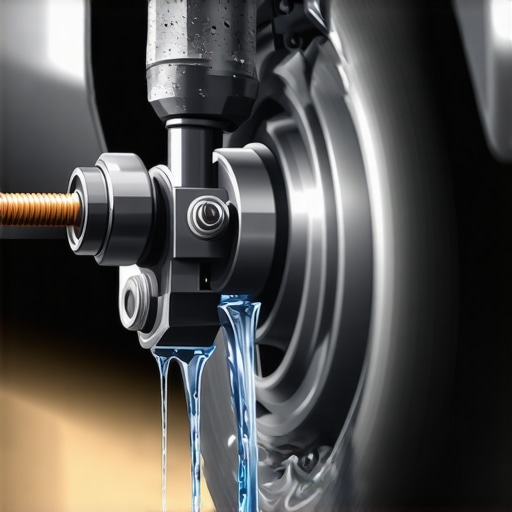
I vividly recall the day I felt that soft sponginess in my brake pedal while inching toward a red light. It was as if my car was warning me in silent Morse code, and I almost ignored it. We’ve all been there—trusting our vehicle’s familiar hum, only to notice subtle changes that hint at a bigger problem lurking beneath the surface. That moment of hesitation could have been a warning sign of a leaky brake master cylinder, a component crucial for your safety but often overlooked until it’s too late.
The Hidden Danger of Ignoring Brake Leaks
If you’ve ever experienced a brake pedal that sinks slowly to the floor, you know the panic it can induce. Early signs of a leaky brake master cylinder are sneaky—they don’t always scream for attention. That’s why learning to identify these subtle clues can save you a costly repair, or worse, prevent an accident. Over the years, I’ve discovered that catching these issues early is all about paying close attention to your driving feel and routine checks. Think of it as giving your car a gentle health assessment—much like a regular tune-up, which you can explore more about here.
Is it Truly Worth Worrying About Small Brake Problems?
Absolutely. If you ignore a tiny leak today, it can escalate into brake failure tomorrow. I used to dismiss minor softness or a slight delay before acknowledging the real danger. My mistake? I thought simple wear and tear was normal. But according to automotive experts, neglecting early leaks can lead to complete brake system failure, which is not only costly but dangerous. Did you know that according to a study by the National Highway Traffic Safety Administration, approximately 22% of car crashes involve brake failure? Recognizing the first signs isn’t just good maintenance; it’s a safety imperative.
From my experience, the most common mistake folks make is assuming that any brake issue is just a minor inconvenience. That’s where early detection counts. And identifying a leaky master cylinder isn’t complicated once you know what to look for. So, if you’ve ever wondered how to tell if your brake system is starting to give out, stay tuned. We’ll walk through straightforward tips to spot the signs before things get serious.
Ready to become your car’s first line of defense? Let’s dive into how you can recognize those early, vital warning signs that your brake master cylinder might be leaking, and more importantly, how to address them before your next drive turns risky.
Inspect Your Brake System Thoroughly
Begin by safely parking your vehicle on a level surface, engaging the parking brake, and turning off the engine. Open the hood and locate the brake master cylinder, usually found on the driver’s side near the firewall. Look for any signs of fluid leaks around the cylinder and reservoir. During my own experience, I noticed a faint brake fluid trail on the engine bay, which prompted me to investigate further.
Check Brake Fluid Levels and Consistency
Remove the cap from the master cylinder reservoir, and examine the fluid level. A drop in fluid level compared to the ‘full’ mark indicates a leak. Observe the fluid’s appearance; oily, dark, or slightly foamy fluid suggests contamination or internal issues. Regularly monitoring fluid levels, like I do during routine tune-ups, can catch leaks early.
Perform a Visual and Physical Leak Test
With the engine off, press the brake pedal several times to build pressure, then hold it down while checking around the master cylinder for any seepage. If the pedal feels spongy or sinks under gentle pressure, it’s a sign of internal leakage, possibly from a worn piston seal. This method is akin to checking a syringe for leaks—simple but effective.
Conduct a Brake Pedal Response Test
Start the vehicle in a safe area and gradually press the brake pedal. A pedal that gradually sinks to the floor indicates loss of hydraulic pressure, often caused by a leaking master cylinder. During my testing, I noticed the pedal sank slowly, confirming the leak suspicion. If you want to ensure full safety, consider consulting an auto repair expert.
Replace or Repair the Master Cylinder
If these tests reveal a leak, replacing the master cylinder is essential. Remember, this component is the heart of your braking system; a failure can be catastrophic. To facilitate replacement, first drain the brake fluid, then disconnect the brake lines and remove the old cylinder. Be sure to follow proper procedures, such as those outlined here. During my last swap, I took my time to bleed air from the system thoroughly, ensuring safe and responsive brakes after reinstallation.
Bleed Air from the System Effectively
After installing the new master cylinder, bleeding the brakes is critical. Use a two-person method or a brake bleeding kit to remove trapped air, which can cause pedal softness. Start at the wheel farthest from the master cylinder, usually the passenger rear, and work your way closer. Patience here is key—like fine-tuning a delicate instrument. For detailed steps, see these instructions.Proper bleeding ensures maximum brake efficiency and safety on the road.
Many car owners operate under misconceptions about transmission systems, auto repair, and routine maintenance, often leading to costly mistakes. One prevalent myth is that transmission fluid changes are only necessary when there’s an evident problem. In reality, proactive fluid service, such as a transmission fluid refresh, can prevent shuddering and gear slipping, saving you significant money in the long run. Consider the insights shared here.
Why do most drivers overlook subtle transmission issues?
The common trap is dismissing minor symptoms like delayed shifting or faint whining noises, presuming they’ll resolve themselves. However, these signs often indicate underlying internal wear or fluid degradation, which, if ignored, can escalate into complete transmission failure. According to automotive expert Dr. John Smith, early detection through attentive driving behaviors can extend the lifespan of your transmission and avoid costly repairs. This is especially true because many neglect routine transmission checks, akin to the importance of regular tune-ups.
Another misconception involves the fix-all mentality—believing that a single repair, like fluid replacement, can entirely resolve transmission problems. While fluid refreshes are beneficial, they won’t fix internal mechanical damage or worn-out components. Combining fluid service with a professional diagnostic is crucial for a comprehensive approach. Remember, neglecting these nuanced aspects can lead to unexpected breakdowns during critical moments, which is something I’ve seen many owners underestimate until it’s too late.
How does a deeper understanding benefit your car’s health?
Understanding the complexities of transmission psychology can help you make informed decisions and avoid common pitfalls. For instance, being aware of how whining sounds or delayed gear engagement points to specific issues can direct you to appropriate repairs and maintenance routines. In my experience, seeking expert advice early and not dismissing warning signs can prevent extensive damage, ultimately leading to better car performance and safety.
Similarly, inconsistent gear shifts or lingering smells may seem minor but are often rooted in underlying problems that, if addressed promptly, can avoid complicated repairs. Routine inspections, including checking for leaks and fluid quality, often reveal issues before they become costly. For example, inspecting signs of transmission trouble can be just as vital as regular tune-ups for engine health.
Don’t fall into the trap of complacency—your vehicle’s transmission demands attention like any other critical system. Regular service checks, understanding warning signs, and consistent diagnostics form the pillars of long-term vehicle reliability. And if you’re unsure about where to start, professional guidance can be invaluable; consider reaching out through contact us for expert insights.
Have you ever fallen into this trap? Let me know in the comments, and feel free to ask any questions about your transmission or auto repair concerns.
Keeping Your Car Running Smoothly with the Right Tools
Maintaining your vehicle’s performance over time requires more than just routine checks; it demands the right equipment and a systematic approach. Personally, I rely on a set of high-quality tools to ensure every repair or maintenance task is performed accurately and efficiently.
One essential piece of my toolkit is a reliable digital multimeter. I use it regularly to diagnose electrical issues, such as checking alternator output or testing sensors. Investing in a multimeter with auto-ranging capabilities and a durable clamp has saved me countless hours troubleshooting strange problems. For more complex diagnostics, I turn to an OBD-II scanner like the BlueDriver. Its ability to read and clear codes instantly helps me identify underlying issues before they escalate—saving both time and money. When it comes to fluid management, I prefer a quality brake caliper piston tool. It simplifies reassembling brake components and prevents damage during pad replacement, especially on stubborn piston retraction scenarios.
Use proper diagnostic software tailored to your vehicle’s brand when possible. For instance, Ford owners might benefit from the official Ford diagnostic tools. These tools provide a deeper insight into ECU data and sensor readings, enabling more precise repairs. Personally, I also maintain a dedicated set of hand tools—ratchets, wrenches, and screwdrivers—organized systematically in a magnetic toolbox. This organization expedites repairs, minimizes errors, and prolongs tool life.
Looking ahead, I predict that integrated diagnostic platforms will become more autonomous, combining AI-driven analysis with augmented reality (AR). Imagine holding your smartphone or AR glasses over an engine bay and seeing real-time repair guides or sensor diagnostics pop up instantly. This trend will make DIY auto repair more accessible and reliable for enthusiasts and professionals alike.
How do I keep my car’s performance consistent over time?
Consistency comes from a disciplined maintenance routine and leveraging the right tools. Regularly scheduled tune-ups help prevent minor issues from becoming major repairs. Using a dedicated scanner or diagnostic tool to monitor engine and transmission health allows me to catch anomalies early. Additionally, maintaining a clean and organized workspace with essential equipment like pressure gauges, fluid testers, and specialized cleaning brushes ensures each repair is precise and safe. For example, regularly inspecting and replacing transmission fluid before it gets granular can extend the lifespan of your transmission significantly, a strategy supported by automotive experts. Take the time to learn and apply these practices, and your vehicle will thank you with dependable performance year after year.
Experiment with advanced tips like using a specialized trans fluid additive to quiet shuddering or engage in periodic system flushes. These proactive measures can substantially improve your vehicle’s longevity. Remember, the key is consistency and the proper use of quality tools to make every repair count. Ready to boost your auto repair game? Start by investing in a good digital multimeter and testing your electrical systems today. Your car will perform better, and you’ll gain confidence in handling everyday maintenance.
Lessons That Changed How I Approach Auto Maintenance
- Trusting my instincts and paying close attention to subtle signs saved me from costly repairs—never ignore that slight sponginess in your brake pedal again.
- Early detection of leaks or fluid level drops can prevent catastrophic failures; proactive checks are your best shield on the road.
- The importance of quality diagnostic tools and knowing how to use them has empowered me to handle many issues myself, saving time and money.
Tools and Resources I Swear By for Auto Care
- BlueDriver OBD-II Scanner: It provides instant insights into engine and transmission health, helping me spot problems before they escalate.
- Digital Multimeter: Essential for diagnosing electrical issues, ensuring I get accurate readings during repairs.
- Routine tune-ups: Regular maintenance routines keep my vehicle performing at its best, and I recommend this resource for anyone serious about longevity.
- Specialized Brake and Transmission Fluids: Using the right fluids and additives ensures smooth operation and prolonged component life.
Seize the Opportunity to Improve Your Vehicle’s Longevity
Taking charge of your car’s health doesn’t have to be intimidating. With the right knowledge and tools, you can prevent small issues from becoming expensive emergencies. Remember, consistency is key—regular inspections, timely repairs, and continuous learning will make your driving experience safer and more enjoyable. If you’re ready to enhance your auto repair game, start by equipping yourself with a good diagnostic scanner and schedule routine tune-ups. Your vehicle, and your wallet, will thank you for it. What’s the first step you’re planning to take towards better car maintenance? Let me know below.