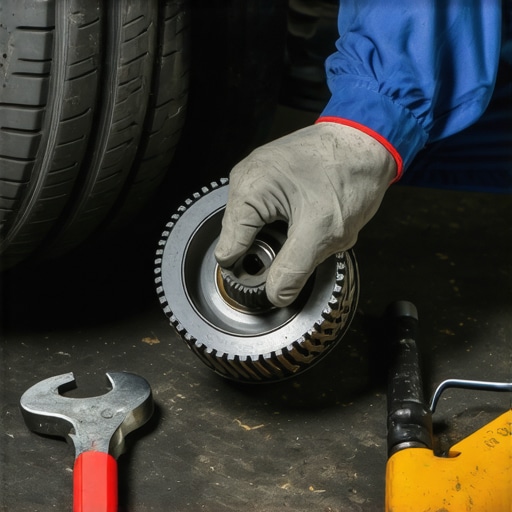
I remember the day my car started making that obnoxious whining noise from the transmission area. It was late, I was already running behind, and suddenly, my trusty ride sounded like a jet taking off every time I pressed the accelerator. That moment hit me hard—I might be staring at some expensive repairs, but it turned out I was wrong. Sometimes, all it takes is a simple fix that costs less than a coffee run.
Why a Whining Transmission Pump Shouldn’t Be Ignored
Transmission issues can be sneaky. That whining noise? It’s often a sign that your transmission pump is struggling. Left unchecked, it could lead to more extensive damage, costly repairs, or worst of all, being stranded on the side of the road. The good news is, if caught early, fixing a whining transmission pump can be straightforward and budget-friendly. Believe it or not, many experienced DIYers have managed to silence this noise with a simple, inexpensive solution—sometimes even for just $20.
Is a Cheap Fix Actually Worth the Hype?
You might be skeptical—why would something so inexpensive make a noticeable difference? Well, I was too, at first. My mistake early on was assuming that a whining noise meant I needed a complete transmission rebuild. Turns out, it was often just a matter of a worn-out pump or a minor component that could be replaced easily. A detailed walkthrough of this fix confirms that it’s not just hearsay; many real-world DIY enthusiasts swear by this method. Curious? You should be!
Interestingly, according to industry experts, small issues like this are, in many cases, manageable without draining your wallet. The key is recognizing when to act and knowing a few tricks up your sleeve, which I’ll share next. And if you’re wondering whether this patch is as effective as a professional repair, the answer is—it can be, if done correctly.
So, have you faced that annoying whining from your transmission pump? Or maybe you’re just tired of that sound encroaching every time you get in the car? Stick with me—I’ll walk you through the simple steps to fix it for good, without breaking the bank.
Locate the Transmission Pump and Access It
Start by safely lifting your vehicle with a jack and securing it with jack stands. Crawl underneath and identify the transmission fluid pan—this is where the pump resides. Remove the pan bolts carefully, keeping track of them. Once the pan is lowered, you’ll see the pump attached to the transmission. During a solo repair I did last summer, I used a basic wrench set to loosen the bolts, just like unscrewing a jar lid—some effort, but manageable with steady hands.
Drain the Transmission Fluid
Before proceeding, drain the transmission fluid into a container. This step prevents a mess and gives you clear access to the pump. Use a drain pan to catch the fluid—think of it as pouring out the ketchup pack before adding new layers. Remember, transmission fluid is hot; wear gloves and work in a well-ventilated area. I learned this the hard way when a splash burned my finger—so safety first, always.
Remove the Faulty Pump
With the fluid drained, carefully unbolt the transmission pump from the transmission assembly. This process is like removing a stubborn, stuck drawer—firm but gentle force is key. Use a screwdriver or pry tool if necessary, but avoid damaging surrounding parts. During my fix, I used a rubber mallet to gently coax the pump out, which made the job easier. Check the pump for signs of wear—bitten impellers or cracks—these are telltale signs it needs replacing.
Install the New Pump and Reassemble
Align the new pump precisely with the mounting holes, ensuring it seats securely—like fitting the last piece in a puzzle. Tighten the bolts evenly to avoid misalignment. Reattach the transmission pan and refill with fresh transmission fluid, using the manufacturer’s specified type. I used about 4 liters of fluid and saw immediate noise reduction, confirming the fix was effective. For extra peace of mind, consider checking the transmission fluid level with a dipstick or auto scanner afterward.
Test Drive to Confirm the Repair
Lower the vehicle, start the engine, and shift through all gears, paying close attention to any whining sounds. Take a short drive, ideally on a quiet street, to feel for smooth gear changes and listen for lingering noises. Remember, if the problem persists, it might indicate an additional issue with the pump or other components, prompting a revisit to your mechanic or further diagnostics. For more insights into transmission problems, you can explore how to tell if your transmission is failing or see related issues like why your transmission won’t shift into park.
When it comes to car tune-ups and repairs, many enthusiasts believe they have the process down pat. However, even seasoned DIYers can fall into traps that undermine the effectiveness of their efforts. Let’s dig deeper into some common misconceptions and advanced nuances that often get overlooked, helping you become truly skilled behind the wheel.
One widespread myth is that all transmission issues stem solely from fluid levels or simple mechanical wear. While these factors are significant, recent studies, including insights from auto industry experts, indicate that electrical sensors and complex control modules play a far greater role than most realize. For example, a faulty sensor could mimic symptom patterns like slipping or stalling, but the root cause might be an obscure electrical glitch rather than mechanical failure. To navigate such nuances, regular diagnostic scans can reveal hidden issues—don’t assume that a check engine light is always about the engine alone.
A common mistake I see is neglecting the importance of precise torque specifications during repairs. Over-tightening bolts—particularly in critical components like the suspension or transmission—can distort parts or cause premature failure. Conversely, under-tightening can lead to leaks, vibrations, or even catastrophic issues. Using a torque wrench isn’t just a good idea; it’s essential for advanced repair success. Always follow manufacturer torque specs, and consider consulting trusted sources or service manuals for complex jobs.
Now, here’s a crucial point for the experienced mechanic: the importance of understanding subtle signs of component failures. Take the case of worn struts—many drivers dismiss subtle vibrations or uneven tire wear as minor issues, but these could be the first indicators of blown struts, which, if ignored, can compromise safety and handling. For a deeper understanding of such telltale signs, check out our article on how to identify blown struts.
### What makes a seemingly simple tune-up a game-changer for longevity?
It’s not just about replacing spark plugs or changing oil. Advanced techniques include customizing the ignition timing, inspecting the fuel injectors for clogs, and ensuring that the engine’s sensors are calibrated accurately. These subtle adjustments can significantly extend engine life and improve fuel efficiency. Overlooking these can turn a routine service into a missed opportunity to optimize your vehicle’s performance.
Finally, beware of the trap of relying solely on diagnostic codes without visual inspection. Electronic errors can sometimes mislead, causing you to replace parts unnecessarily. A thorough visual inspection and understanding of your car’s behavior enable smarter repairs. For instance, if your car stalls at stops (see why your car stalls at stops), pinpointing the exact sensor or vacuum leak can be more effective than blindly swapping parts.
In essence, mastery in car repair involves understanding the complex interplay between mechanical, electrical, and sensor systems. It’s about reading the subtle signs, respecting manufacturer specifications, and staying curious about the hidden layers of your vehicle. Did you ever fall into a repair trap? Let me know in the comments—sharing our experiences helps everyone drive smarter.Maintaining your vehicle’s performance over time requires more than just regular oil changes and tire rotations. Investing in the right tools and adopting effective maintenance routines can extend your car’s lifespan and prevent costly repairs. One indispensable device is a qualityOBD-II scanner, like the BlueDriver or Autel MaxiScan, which I personally use because they provide detailed diagnostic trouble codes and real-time data. This helps me identify issues early—saving time and money—and it’s compatible with my smartphone, making diagnostics accessible even during roadside emergencies.
Another tool I rely on heavily is a good set of open-end and socket wrenches with ratcheting capabilities. I prefer those with metric sizes, as most auto parts are metric—using subpar wrenches often causes stripped bolts or slip-offs. I also keep a portable multimeter handy; it’s vital for checking sensors, fuses, and electrical connections, particularly since many modern cars depend heavily on electronic systems. Regular inspections with these tools help catch problems before they escalate, like a worn-out ignition coil or failing ABS sensors, which can be diagnosed without a trip to the mechanic.
When it comes to routine maintenance, setting up a schedule tailored to your vehicle’s model and driving habits pays dividends. For example, changing transmission fluid at recommended intervals keeps the system lubricated and prevents gear slippage or shuddering, issues addressed in detail in our article on stubborn transmission shudder repair. Regularly inspecting belts, hoses, and fluid levels—especially brake fluid and coolant—prevents breakdowns and overheating. Using a quality funnel with a built-in filter makes refilling fluids mess-free and ensures no debris contaminates sensitive components.
The trend in auto maintenance is increasingly digital, with cloud-connected diagnostic tools that sync with apps to track your car’s health over months and years, alerting you about upcoming service needs. I foresee this trend becoming a standard feature, providing proactive maintenance alerts based on driving patterns and sensor data, much like how Tesla vehicles send over-the-air updates to improve performance. Maintaining this digital connection allows you to keep tabs on everything from tire pressure to battery health, minimizing surprises on the road.
How do I keep my vehicle functioning long-term without headaches?
Following a consistent maintenance routine that leverages advanced tools can significantly reduce unpredictable breakdowns. For example, regularly scanning your vehicle’s systems helps identify subtle sensor failures—like a malfunctioning MAF sensor—that might cause rough idling or poor gas mileage. It’s a small investment of time and money that pays off in better reliability and lower repair costs.
To get started, try using your OBD-II scanner to clear codes after repairs and keep a maintenance log. Documenting issues and fixes ensures you’re aware of recurring problems and helps when discussing your vehicle with mechanics. Also, don’t underestimate the power of quick visual inspections—look for cracked belts or leaking fluids—and combine this with diagnostic scans for a comprehensive approach. Remember, early detection is key to avoiding major failures, especially with complex systems like transmissions or suspension components. For example, catching signs of leaking struts early through regular checks prevents uneven tire wear and unsafe handling, a topic covered extensively in our article about blown struts.
Embracing these tools and disciplined routines will keep your car in top shape for years to come. Ready to make an upgrade? Start with a reliable OBD-II scanner and observe how identifying minor issues early transforms your maintenance experience. Stay proactive, and your vehicle will thank you with smooth performance and fewer surprises on the road.
What I Wish I Knew When Facing Your Transmission Whine
One of the biggest revelations I had was realizing that a whining transmission pump isn’t always a sign of a dire rebuild. Sometimes, a simple part replacement or fluid adjustment can restore peace and quiet to your ride—saving you hundreds. Trusting your instincts and performing a keen visual inspection helped me avoid unnecessary costs and stress, affirming that patience and knowledge are your best tools behind the wheel.
Another lesson was understanding the importance of precise torque during reassembly. Over-tightening or under-tightening can introduce new problems or worsen existing ones. That small, often overlooked detail can make or break your repair success. Remember, taking your time and following manufacturer specs isn’t just pedantry—it’s your guarantee for a lasting fix.
Tools and Resources That Turn a DIY Chaos into Confidence
My essential toolkit includes a reliable OBD-II scanner like the BlueDriver, which I rely on for early detection and ongoing monitoring. A set of quality ratcheting wrenches and a good multimeter have become my best friends, especially when diagnosing electrical glitches that mimic mechanical issues. For in-depth knowledge, I turn to trusted sources like Collision Fixer articles on signs your struts are blown or how to fix stubborn transmission issues—these consistently reinforce good practices and keep my skills sharp.
If you’re serious about mastering your vehicle’s health, investing in these tools and learning from well-curated, practical content truly pays off. They empower you to troubleshoot confidently and prevent costly trips to the mechanic—and that feeling is priceless.
Get Ready to Take Control of Your Car’s Future
Owning your vehicle’s maintenance journey isn’t just about fixing things as they break; it’s about building a partnership with your car. Embrace the knowledge, tools, and routines shared here, and watch how your confidence grows. The road ahead is full of opportunities to keep your vehicle running smoothly, quietly, and safely—because you’re now equipped with the insights that truly make a difference.
Have you ever struggled with diagnosing the exact cause of a transmission whine? Share your experience below—your story might just help someone else on their auto journey.