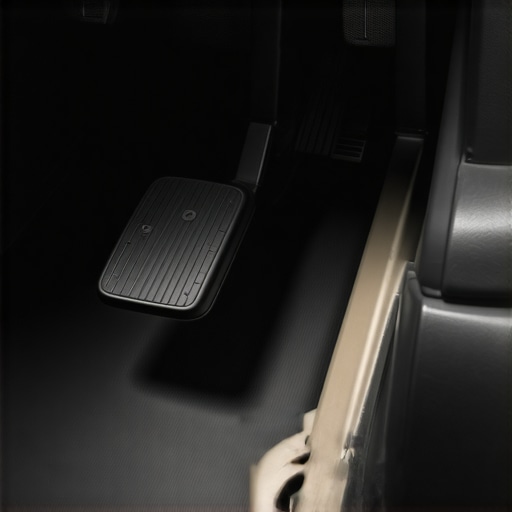
I remember the moment vividly—stopping at a red light during a chilly morning, my foot firmly on the brake pedal, only to feel it sink slowly all the way to the floor before the car even responded. That sinking sensation isn’t just unsettling; it’s a red flag shouting, “Something’s off with your brakes!” For years, I brushed it off as normal wear. But then I realized—this tiny, persistent issue could compromise safety and lead to expensive repairs if ignored.
The Real Reason Your Brake Pedal Sinks to the Floor
Many drivers experience this frustrating pedal travel at some point. Often, it’s a sign that your brake system isn’t holding pressure like it used to. The common culprit? ***Air in the brake lines, wornout master cylinder seals, or a leaking brake fluid system***. When brake fluid leaks or air bubbles enter the lines, your brake pedal travels further than it should before engaging the brake pads against the rotors. It’s a problem that can sneak up unnoticed until a panic stop, or worse, a collision.
Early in my mechanic journey, I made the mistake of ignoring those soft pedal feelings. I thought maybe my brake pads just needed replacing. That was a costly lesson—because the underlying issue was a tiny leak in the master cylinder. According to a study by the National Highway Traffic Safety Administration, failing brake components are a leading cause of accidents on the road, emphasizing why regular inspection is crucial.
Have You Faced This Before? Feel Free to Share Your Experience!
If this sounds all too familiar, don’t worry. We’re going to walk through how to diagnose and address this brake dilemma. Knowing the root cause of pedal travel issues can save you money and ensure safety on every drive. Curious about other warning signs? Check out [top signs your car needs expert auto repair now](https://collisionfixer.com/top-signs-your-car-needs-expert-auto-repair-now) to stay ahead of potential problems.
But before diving into repairs, it’s essential to understand what can go wrong—and what you can do yourself, or with a trusted mechanic. Let’s explore the typical causes and how to fix them, so you won’t have to guess the next time your brake pedal acts up.
It’s better to be safe than sorry, especially when it comes to your brakes. Up next, we’ll identify the key signs that your brake system is in trouble and how simple maintenance can keep you out of harm’s way. Ready to regain control over your stopping power? Let’s begin this journey to a safer drive!
,
Start with a Visual Inspection of Your Brake System
Before diving into complex repairs, perform a thorough visual check under the hood and around your wheels. Look for obvious leaks, cracked hoses, or worn-out brake fluid reservoirs. Use a flashlight to examine the master cylinder, brake lines, and calipers for signs of damage or fluid seepage. Remember, fresh brake fluid is clear or light amber; dark, contaminated fluid indicates it’s time for a flush. This initial step is crucial—skipping it can lead to more serious issues down the line.
Check and Rebuild the Brake Master Cylinder
Remove and Inspect the Master Cylinder
Loosen the mounting bolts and carefully extract the master cylinder. Examine the seals and piston for corrosion or damage. A worn or leaking master cylinder often causes the pedal to sink—consider replacing or rebuilding it. Use a clean lint-free cloth to wipe away residue and check for any cracks. If unsure, consult your vehicle’s repair manual or seek professional assistance.
Replacing Seals or Entire Unit
If rebuild kits are available, they can save money and restore functionality. Follow the detailed instructions provided in the kit; typically, you’ll disassemble the cylinder, replace worn seals, and reassemble. For a more straightforward fix, replacing the entire master cylinder with a new or rebuilt unit is often faster and more reliable—especially if corrosion or damage is extensive.
Bleed the Brake Lines Properly
Introducing air into brake lines is similar to adding bubbles into a straw—your pedal will feel spongy or sink under pressure. To eliminate air, perform a bleeding procedure. Assemble a helper, get a clear tube, and attach it to the bleed screw on each caliper or wheel cylinder. Open the screw, have your assistant press the brake pedal slowly, then close the screw before they release. Repeat until you see a steady flow of clean brake fluid without air bubbles. This step restores hydraulic pressure and ensures a firm pedal.
Flush and Replace Brake Fluid Regularly
Old or contaminated brake fluid reduces system efficiency and accelerates component wear. Schedule a brake fluid flush at least every 2 years, or more often if you notice a soft pedal or reduced braking performance. Use a proper brake fluid recommended by your vehicle manufacturer—usually DOT 3, DOT 4, or DOT 5.1. Flushing is akin to changing the oil in your engine—it’s vital for longevity and safety. For detailed procedures, check out this guide on car tune-ups.
Assess Brake Lines for Leaks and Replace As Needed
Over time, brake lines can develop corrosion, cracks, or leaks, leading to a loss of pressure. Inspect metal lines for rust, and flexible hoses for bulges or leaks. Use a flashlight to identify wet spots or crusty residues indicative of fluid leaks. Replace compromised lines promptly—failure to do so can cause brake failure during emergency stops. When replacing lines, ensure proper routing to avoid rubbing or chafing, which can cause damage later.
Supplement with Brake System Upgrades
Sometimes, a sinking brake pedal signals outdated components that struggle under current driving conditions. Upgrading to high-quality brake pads, rotors, or calipers provides improved performance and safety. Consider a professional upgrade if your vehicle is used frequently or for towing. Regular transmission overhauls might seem unrelated but maintaining the entire vehicle system ensures every part functions harmoniously, preventing issues like brake fade or sinking pedals.
Document Your Repairs and Schedule Routine Maintenance
Keep records of all work performed—fluid changes, part replacements, inspections—to monitor system health over time. Establish a maintenance schedule aligned with manufacturer recommendations. Routine checks can detect early signs of wear, much like how summer drive safety tips emphasize preparedness. Consistency prevents emergencies and extends your vehicle’s lifespan.
Many car owners operate under common misconceptions about tune-ups, auto service, transmissions, and collision repairs. Let’s dig deeper into what most people get wrong and explore the nuanced truths that can save you money and extend your vehicle’s life. Recognizing these misconceptions means you won’t fall into costly traps or delay essential repairs unnecessarily.
Myth: A Basic Tune-Up Solves All Performance Issues
Contrary to popular belief, a standard tune-up isn’t a magic fix for all performance problems. While routine maintenance like spark plug replacement and fluid changes is vital, many assume it’s a catch-all solution. Advanced issues—such as transmission slipping or internal engine wear—require specialized diagnostics and repairs. Relying solely on a basic tune-up can mask underlying problems that worsen if left unaddressed. According to experts at CollisionFixer, a comprehensive inspection often uncovers hidden damage before it manifests as major failures.
The Oops of Oversimplifying Car Service
Many drivers bypass regular service and assume their vehicle will just ‘run fine.’ However, this mindset neglects critical nuances like the importance of timely transmission fluids or the impact of neglected cooling systems. Skipping routine service can lead to accelerated wear, particularly in components like the transmission, which needs specific attention—see this guide. Regular, tailored service tailored to your vehicle’s needs is essential for longevity.
Can Your Transmission Repair Save You Money?
Many believe transmission repairs are only necessary after total failure. In reality, early signs like shifting hesitation or unusual noises indicate small issues that can be addressed early, saving expensive overhauls. Routine diagnostics can catch these signs—more reason to find a trusted mechanic who understands the subtleties of transmission systems. Neglecting these early warnings often leads to costly replacements, which could have been avoided with proactive maintenance.
CollisionFixer’s Role in Modern Repairs
People often underestimate the importance of choosing the right auto repair specialists. Modern collision and auto repair involve sophisticated diagnostics, computer-based repairs, and precise part replacements. Trusting an inexperienced shop can lead to misaligned frames, improper part installations, or overlooked safety issues. Always seek professionals who stay updated with the latest technology to ensure your repairs maintain vehicle integrity and safety. For comprehensive repair insights, visit Collision Fixer contact page.
What Advanced Car Owners Need to Know About Maintenance Mistakes
One trap many overlook is ignoring subtle signs of system imbalance, especially in older vehicles. For instance, subtle engine vibrations or delayed braking responses can indicate deeper issues with your suspension or brake system, respectively. These nuances are often missed by standard inspections—leading to bigger problems down the line. An expert approach involves detailed diagnostics and understanding that modern vehicles demand meticulous, customized maintenance plans. Pay attention to these signs; they can be your vehicle’s early warning system. Check your spark plugs regularly to prevent misfires that stem from overlooked issues.
In conclusion, the key to smart auto maintenance is understanding that not all repairs or tune-ups are equal. The intricacies of modern vehicles demand nuanced attention and informed decisions. Avoid the trap of oversimplification by consulting experts and staying aware of the subtle signs your car gives you. Doing so can dramatically extend your vehicle’s lifespan and safety. Have you ever fallen into this trap? Let me know in the comments.
Keeping Your Vehicle Running Smoothly: Tools I Trust
Maintaining your car over the years requires more than just routine oil changes; it involves investing in the right tools and adopting proven methods that ensure longevity and reliability. As a seasoned auto repair enthusiast, I’ve found that precision and durability in tools can make all the difference in diagnosing issues early and executing quality repairs. One of my top choices is a high-grade,digital multimeter. It’s invaluable for checking electrical components, from alternators to sensors. I personally prefer models like the Fluke 117, which offers accuracy and durability for repeated use.
For brake and suspension work, I rely on a torque wrench. Correct torque application prevents over-tightening or under-tightening vital components, protecting against future failures. I recommend the GearWrench click-type torque wrench—it’s reliable and easy to calibrate, ensuring safety during critical repairs.
Keeping records of maintenance is crucial. I use a software like my car maintenance app which logs inspections, parts replaced, and scheduled services. Digital records not only help in tracking the vehicle’s history but also simplify future troubleshooting or reselling.
How do I maintain tools over time?
Maintaining your tools is just as important as the tools themselves. Regular calibration, clean storage, and inspection preserve their accuracy and lifespan. For instance, a torque wrench that’s dropped or stored improperly can lose calibration, leading to inaccurate torque applications. I personally calibrate my torque wrenches every six months using a calibration service or a professional-grade calibration kit. Keeping tools clean from dirt and grease prolongs their usability, and proper storage in a dry, organized toolbox prevents rust and damage. This practice ensures your tools remain dependable for years to come, saving you time and money on future repairs.
Looking ahead, the trend in auto maintenance tools is moving toward more integrated digital diagnostics and IoT-connected devices. These advancements promise faster diagnostics and even predictive maintenance. Embracing such innovations will be essential for serious DIY enthusiasts and professional mechanics alike.
To get started on this path, consider upgrading your toolkit with a quality multimeter or a torque wrench. Then, commit to regular calibration and organization. For example, next time you perform a brake job, use your calibrated torque wrench to ensure your rotors are properly secured, reducing the likelihood of uneven wear or failure. Remember, investing in reliable tools and diligent maintenance practices pays dividends in safety, savings, and vehicle performance.
If you’re interested in deeper insights into long-term vehicle health, check out this guide on maximizing your car’s lifespan for actionable tips and recommended routine checks. Start with one tool improvement today—your car will thank you!
The Hardest Lesson I Learned About tune up,car service,transmission,collisionfixer,auto repair
One of the most profound insights came when I realized that ignoring small signs like a sinking brake pedal can lead to big disasters. It taught me that paying close attention to subtle vehicle cues is crucial for safety and longevity, much more than relying solely on routine checks.
3 Myths About tune up,car service,transmission,collisionfixer,auto repair That Held Me Back
I used to think that a simple brake fluid top-up was sufficient, but I discovered that comprehensive diagnosis reveals hidden issues like master cylinder leaks. Believing that basic maintenance is enough can prevent you from catching serious problems early.
What Experts Won’t Tell You About tune up,car service,transmission,collisionfixer,auto repair
Most professionals understand that proactive inspection and honest communication are key. They often see car owners overlook critical signs, which increases repair costs. Learning to recognize these signs yourself can empower you to make smarter decisions about your vehicle’s health.
My Essential Toolkit for Keeping Your Car in Top Shape
For me, a high-quality digital multimeter like the Fluke 117 is indispensable, allowing precise electrical diagnostics. A calibrated torque wrench, such as the GearWrench model, ensures perfect tightening of critical components, preventing future failures. Additionally, an organized maintenance app helps track all repairs and inspections, making preventive care efficient and effective. Investing in these tools and keeping them calibrated means fewer surprises and safer drives.
No More Excuses—Take Control of Your Vehicle’s Fate
Your car’s health is in your hands. Recognizing early warning signs and investing in proper repairs can save you money and prevent dangerous situations. Remember, maintaining your vehicle isn’t just about surety; it’s about safeguarding yourself and your loved ones on the road. So, why wait for those warning lights or soft pedals to become emergencies? Dive into regular maintenance today and become your own automotive advocate. Have you ever caught a minor issue before it became a major problem? Share your experience below and let’s learn from each other.