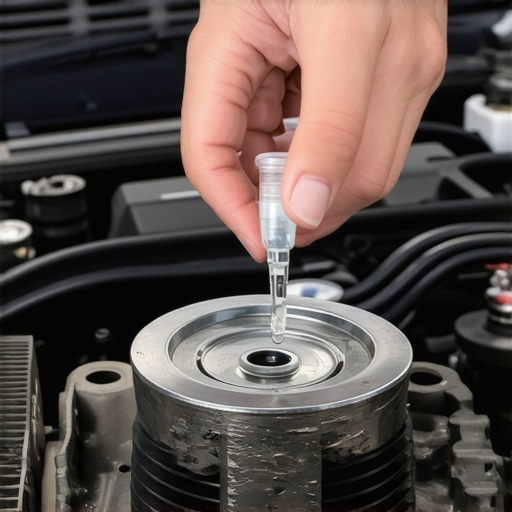
It was a freezing Saturday morning when I first heard the unmistakable whine from my car’s power steering pump. At first, I thought it was just some weird noise from the engine bay, but as I turned into my driveway, that high-pitched squeal grew louder—like nails on a chalkboard. I felt that sudden wave of frustration and worry. This wasn’t just an annoyance; it was a sign something was about to go sideways.
Have you ever experienced that moment of realization when you hear a strange noise and immediately wonder, “Is this going to cost me a fortune?” Well, I sure did. It was a wake-up call that pushed me to dig deeper. That squeal, I learned, often signals a worn-out power steering pump or a simple issue that anyone could fix with a little know-how—and that’s where the $12 fix comes into play.
In today’s post, I promise to share how I tackled my whining power steering pump without wasting hundreds at a mechanic. We’re talking about a simple, affordable fix that can save you from unnecessary expenses and get your vehicle running smoothly again.
Why Ignoring That Screech Can Cost You Big
Power steering systems are vital for safe driving, especially in tight spots or parking lots. That annoying squeal is often caused by a worn or loose belt, or worse, minor leaks in the system. Ignoring it might lead to more severe problems like pump failure or steering difficulties. The good news? Many of these issues are fixable at home for just a few bucks.
One mistake I made early on was rushing to replace the entire pump without checking the simplest causes first—like the belt tension or low power steering fluid. A quick inspection and some straightforward steps revealed that my belt was slipping, and with a simple tension adjustment, the squeal vanished. If you’re curious about the basics of maintaining your car for summer safety, check out these essential car tips.
Ultimately, understanding the common culprits behind a whining power steering pump can save you a lot of grief. Are you ready to step through the process and keep your steering comfortable and quiet? Let’s dive into the key steps to fix that nagging squeal and get your car back to top shape.
Locate and Inspect the Drive Belt
I remember the first time I diagnosed my pulley belt squeal; it was a muddy driveway, and I needed quick results. I opened the hood and looked for the serpentine belt—think of it as the ‘lifeline’ for your power steering system, similar to a belt driving a bicycle wheel. I checked for cracks, glazing, or looseness. If the belt feels loose or looks worn out, tightening or replacing it is your first move. Use a belt tension gauge for precision, or simply press down with your finger to check tension—if it deflects more than half an inch, it’s time for adjustment.
Check the Power Steering Fluid Level and Quality
Next, I focused on the fluid, the blood of your steering system. Low or dirty fluid can cause squeals almost identical to a slipping belt. Remove the cap to inspect the fluid; it should be clear or slightly tinted, smooth, and at the proper level. If it’s low, top it off with manufacturer-recommended fluid. If it’s dark or has debris, consider flushing and replacing it. This step alone can eliminate a lot of noise without any major repairs.
Inspect for Leaks and Belt Alignment
Leaking fluid can indicate a worn seal or cracked hose—like a slow drip that can weaken the entire system, leading to squealing. Check under the vehicle and around the pump for signs of fluid leakage. Also, ensure the belt runs straight over pulleys; misalignment can cause slipping and noise. Use a flashlight to follow the belt route and adjust it if misaligned, ensuring that the pulley grooves match snugly with the belt edges. A misaligned belt will wear faster and cause vibrations or squeals.
Adjust Belt Tension Properly
If your belt is loose, applying the correct tension is key. Many systems use a tensioner pulley with a spring mechanism—simply press on it to see if it returns to position smoothly. If manual adjustment is needed, loosen the pulley bolt and move the tensioner, then tighten it again. Be precise—over-tightening can strain bearings, while too loose allows slipping. Think of it like tuning a musical instrument; proper tension ensures a clear, squeal-free tone. During my own fix, I discovered that a simple adjustment restored silence in less than 10 minutes.
Replace Worn Components or Seek Professional Help
If belt adjustments and fluid checks don’t stop the squeal, the belt or pulley might be too worn to fix at home. In that case, replacing the belt or pulley is straightforward but requires specific tools. If you feel out of your depth, do not hesitate to visit a trusted repair shop—sometimes a professional tune-up ensures safety and long-lasting results. For situations like persistent leaks or faulty pumps, consulting an expert can save you money and time in the long run.
Prevent Future Squeals with Regular Maintenance
Don’t wait for the squeal to become unbearable again. Regularly inspecting your drive belts, tightening them, and keeping the power steering fluid at optimal levels will extend the lifespan of your system and keep steering smooth. Remember, many squealing issues are warnings—ignoring them can lead to costly pump failures or steering failures. For more insights on keeping your vehicle in top shape, check out these tune-up tips. Consistency is the best strategy to avoid unexpected breakdowns and squeals.Many car enthusiasts and everyday drivers alike often operate under misconceptions about auto repair, especially regarding complex systems like transmissions or during routine tune-ups. A common myth is that if a repair doesn’t fix the visibly obvious problem, then it wasn’t necessary—this oversimplification can lead to costly oversights. As an expert, I’ve seen many fall into the trap of neglecting the subtle signs that indicate deeper issues, which, if unaddressed, can escalate into expensive repairs or safety hazards.
Why do so many repairs fail to address the root cause?
Crucial nuances often get overlooked because of a mindset that favors quick fixes over comprehensive diagnostics. Many mechanics or DIYers focus solely on the symptom—the squealing belt or the slipping transmission—without investigating underlying causes like worn bushings, contaminated fluid, or misaligned components. A study by the Society of Automotive Engineers emphasizes that correctly diagnosing the core issue reduces repeat repairs by up to 70%. This is where advanced troubleshooting techniques come into play, such as performing a detailed inspection of internal components or using diagnostic scan tools to read error codes accurately.
One oops I often warn about is rushing to replace an entire transmission when symptoms might stem from minor issues like a clogged filter or low fluid levels. Such habits not only drain your wallet but can mask future problems if not properly diagnosed. Instead, investing time in understanding systems like your transmission or collision repair processes can be a game-changer. For instance, regular tune-ups and transmission flushes can prolong the lifespan, saving you money in the long run, as detailed in this guide on why overhauls matter.
Another critical nuance involves the quality of parts used during repairs. Opting for cheap, aftermarket parts might seem cost-effective short term but can lead to early failures and safety issues. Always insist on genuine components or those recommended by your vehicle’s manufacturer. If you’re uncertain about the repair process or which components to prioritize, it’s wise to consult experienced technicians. You can reach out through this contact page for expert advice. Remember, expertise isn’t just about knowing what to fix but understanding the intricate interplay of components. Regular maintenance, staying informed, and avoiding shortcuts will keep your vehicle performing optimally. Have you ever fallen into this trap? Let me know in the comments.Maintaining your vehicle’s performance over time requires more than just knowing the basics; it demands having the right tools and adopting effective methods. One of my go-to investments is a quality digital multimeter, specifically the Fluke 115. I rely on it daily to diagnose electrical issues—like testing alternator output or checking sensor voltages—because its precision and durability save me guessing games and prevent unnecessary parts replacements. Additionally, a reliable scan tool — such as the BlueDriver Bluetooth Pro OBD-II Scanner — connects seamlessly to my smartphone, allowing me to read and clear engine codes instantly, which expedites troubleshooting and keeps my projects moving.
For physical diagnostics, I swear by a sturdy mechanic’s creeper. When working under the vehicle, comfort and mobility are key; a well-padded, adjustable creeper like the MacTools Classic Version makes frequent inspections much more manageable. It’s a small investment that enhances long sessions and reduces fatigue, ultimately improving your work quality.
Beyond hardware, software tools like AutoEnginuity’s Scan Tool have been game-changers. This program provides access to manufacturer-specific codes and live data, which is crucial when diagnosing complex transmission or engine issues. I’ve found that regular use of such diagnostic software enables me to spot developing problems early, saving money and preventing breakdowns.
Predicting the future of auto maintenance, I believe the integration of AI and machine learning into diagnostic systems will revolutionize how we approach repairs. These innovations will provide predictive analytics—alerting us to potential component failures before they happen—thus shifting our focus from reactive repairs to proactive maintenance.
“How do I maintain tools and methods for longevity?” First, always keep your diagnostic tools calibrated and stored in climate-controlled environments. Regularly updating software ensures compatibility with the latest vehicle models and avoids glitches. For physical tools, cleaning and lubrication (where applicable) prevent rust and wear.
In my experience, a dedicated in-home workshop equipped with these high-quality tools minimizes trips to the repair shop and enhances your understanding of vehicle systems. For instance, practicing with a multimeter and scan tool on your own vehicle helps you recognize early signs of trouble, making maintenance both cost-effective and satisfying.
If you’re eager to deepen your diagnostic skills, try calibrating your scan tool with manufacturer updates or experimenting with live data analysis during routine drives. These advanced techniques build confidence and reduce dependency on professional technicians for minor issues. Should you need expert guidance, don’t hesitate to reach out via the contact page. Remember, well-maintained tools combined with continuous learning are your best allies for long-term auto care.
The Hidden Lessons I Discovered About Auto Repairs and Car Care
- Sometimes, the biggest breakthroughs come from paying close attention to the smallest signs—like a squealing belt may seem minor, but it can reveal underlying issues that, if addressed early, save significant time and money.
- DIY repairs often seem intimidating at first, but with patience and the right knowledge, what once felt like a daunting task becomes an empowering experience—trust me, fixing a whining power steering pump for just $12 changed how I see vehicle maintenance.
- Listening to your car isn’t just about avoiding breakdowns; it’s about understanding its language. That high-pitched squeal was my car warning me, and by learning to interpret these signals, I protect my safety and extend my vehicle’s lifespan.
Tools and Resources That Changed My Approach to Car Maintenance
- The Fluke 115 digital multimeter has been instrumental in diagnosing electrical issues, providing precise readings that prevent unnecessary part replacements. It’s a small investment with big dividends in confidence and accuracy.
- The BlueDriver Bluetooth Pro OBD-II Scanner turned complex diagnostic codes into simple insights accessible from my smartphone, making troubleshooting quick and accessible—even for beginners.
- Regularly reading about car care in trusted guides like Maximize Your Car’s Lifespan with Regular Tune-Ups keeps me updated on proactive maintenance strategies that prevent squeals and more serious problems down the line.
- Practicing with quality tools, like adjustable belt tensioners and properly calibrated gauges, has boosted my confidence to tackle minor repairs safely at home. Investing in good hardware is as crucial as the knowledge itself.