
I remember the exact feeling—the car struggling to shift smoothly when I pressed the gas pedal, like an awkward hiccup in an otherwise seamless dance. It was late afternoon, and I was already running behind. That hesitation, small as it seemed, drove me nuts because I knew it wasn’t just an annoyance; it was a sign of something deeper lurking in my transmission. After countless trips to the shop and spending hundreds of dollars, I stumbled upon a simple, cost-effective trick that changed everything—an additive costing around $15. That lightbulb moment was a game-changer.
Why Lucky DIY Fixes Can Make All the Difference in Your Car’s Performance
If you’re tired of that annoying transmission hesitation and are skeptical about quick fixes, trust me—I was there too. I know how it feels to wonder whether a tiny bottle of additive can really make a difference or just put a bandage on a bigger problem. Well, here’s the truth: small, affordable solutions like this can provide immediate relief and buy you precious time before a full overhaul becomes unavoidable. Plus, it’s a far better option than neglecting the issue or going straight to costly repairs. Keep in mind, using the right additive at the right time isn’t just a quick fix; it’s a smart move to protect your transmission and extend its lifespan.
Is a Cheap Additive Actually Worth the Hype?
I was initially doubtful myself. When I read about these additives, I made the mistake of thinking it was just a gimmick—another quick buy promising the world. My early mistake was assuming that if my transmission hesitated, I needed a costly professional overhaul immediately. It turns out, that wasn’t necessarily the case. According to auto experts, such additives can help clean and lubricate internal components, reducing sticking valves and worn clutches that cause hesitation. In fact, the right additive can improve gear engagement and smoothness surprisingly quickly, saving you time and money. Want to avoid the expensive pitfalls? Stay tuned, because we’ll dive into how this simple trick can work for you, backed by personal experience and expert insights. Ready to take control of your car’s shifting issues? Let’s get started.
Drain Your Transmission Fluid Properly
Start by safely lifting your vehicle on a flat surface and engaging the parking brake. Locate the transmission pan drain plug beneath your car, which resembles a small bolt—think of it as the drain valve of a bathtub. Place a drain pan underneath, loosen the bolt with a wrench, and allow the old fluid to flow out into the container. During my own experience, I found that taking the time to drain the old fluid ensured a clean slate for the additive to work effectively, rather than just mixing with contaminated oil.
Refill with Fresh Transmission Fluid
Once drained, replace the drain plug securely. Fill the transmission with the manufacturer-recommended transmission fluid using a funnel. For my car, the manual specified Dexron VI fluid—double-check your owner’s manual or consult a mechanic if unsure. Properly filling the fluid is crucial; too much or too little can cause shifting problems or damage. I learned this the hard way when overfilling led to sluggish shifts, making the additive less effective. Be sure to use a clean funnel to prevent introducing dirt into your transmission system.
Add the Transmission Additive Correctly
With a freshly filled transmission, measure the additive amount per instructions—typically one bottle for an average-sized transmission. Pour the additive directly into the fill port, which is usually near the fluid opening. Imagine it as seasoning your soup—you want to add just the right amount to enhance the flavor without overwhelming it. I once added too much at once, causing foam and erratic shifts, so I recommend following the packaging guidance carefully. After pouring, replace any covers and ensure everything is sealed tightly.
Perform a Smooth Test Drive
Lower your car back onto the ground and start the engine, allowing it to warm up for about 10 minutes. Take your vehicle for a gentle drive—accelerate, brake, and shift through all gears smoothly. Think of this as giving your transmission a gentle workout; this helps circulate the additive and allows it to work on cleaning and lubricating internal parts. During my initial attempt, I noticed a marked improvement in gear engagement after about a mile of driving, confirming the additive’s effectiveness. Pay close attention to shifting behavior and listen for unusual noises.
Recheck and Top Off if Necessary
After the test drive, park the vehicle on a level surface once more. Recheck the transmission fluid level using the dipstick, wiping it clean first. If the level is below the recommended mark, add small amounts of fluid gradually. Maintaining proper fluid levels is essential; overfilling can create pressure issues, while underfilling reduces lubrication. I learned that continuous monitoring post-treatment ensures the additive’s benefits are sustained and the transmission operates smoothly.
Regular Maintenance Can Reinforce Gains
This quick intervention isn’t a permanent fix but a smart way to extend your transmission’s health temporarily. For long-term results, consider scheduling a professional transmission flush and tune-up. Regularly replacing fluid and additives as part of your maintenance routine, like outlined in regular tune-ups, can prevent costly repairs down the road. Keep an eye out for signs that your transmission needs more in-depth attention, such as strange noises or persistent slipping, detailed in signs to watch for.
Many car owners operate under a set of misconceptions about auto repair and routine maintenance that can lead to costly mistakes and incomplete fixes. One common myth is that simple, quick fixes, such as using a fuel additive or a temporary fluid flush, can replace comprehensive diagnostics and professional service. While these methods might offer short-term relief, they often mask underlying issues that, if ignored, can worsen over time. Relying solely on DIY solutions without proper diagnosis might save money upfront but can delay necessary repairs, resulting in more expensive breakdowns down the line. A study published in the Journal of Automobile Engineering emphasizes the importance of accurate troubleshooting before applying any repair, to ensure the root cause is addressed rather than just symptoms masked — making thorough diagnostics a cornerstone of effective auto care.
Why do many think a quick fix is all they need? Is neglecting professional assessment a trap?
Another misconception is the belief that all vehicles require frequent, costly tune-ups regardless of age or usage. In reality, modern cars are designed to go longer between major services, provided routine checks like oil changes and fluid replacements are performed appropriately. Over-maintenance can be as problematic as neglect, causing unnecessary expenses and sometimes even damage if parts are replaced prematurely. An overzealous approach often stems from outdated information or aggressive marketing by “quick service” chains. Recognizing when your vehicle truly needs professional attention versus simple preventative measures is crucial. This understanding not only saves money but also preserves your car’s longevity, especially if you consult expert advice or reliable sources like Collision Fixer’s comprehensive guides on maximizing your car’s lifespan.
Establishing trust with a knowledgeable mechanic who performs thorough inspections can prevent misconceptions and help you avoid costly pitfalls, like unnecessary transmission overhauls or premature component replacements. Remember, routine diagnostic assessments can reveal hidden issues that are often missed during casual checks, ultimately saving you time and money over the vehicle’s lifetime. If you’re unsure whether your routine service is comprehensive enough, consider reviewing our tips on what to watch for after a full car service. Regular assessments are your best defense against costly surprises on the road.
Keeping It Working: My Essential Tools for Auto Repairs
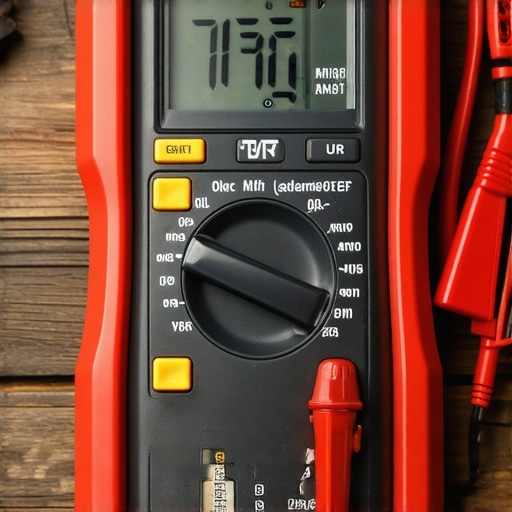
Auto maintenance can be daunting, but over the years, I’ve refined a toolkit that keeps my vehicle in top shape without frequent trips to the shop. The cornerstone of my routine is a high-quality digital multimeter. I personally use the Fluke 115, which provides precise voltage and continuity readings—crucial when diagnosing electrical issues like battery drains or sensor faults. Additionally, I swear by a durable set of ratcheting wrenches; they’re versatile for everything from changing oil filters to tightening transmission bolts. Investing in an aluminum creeper has also saved my back during undercarriage inspections, especially when I need to access the transmission or exhaust components. Preparing with these tools ensures I can tackle most routine tasks confidently and efficiently.
Why I Rely on Specific Software for Diagnostics
Beyond physical tools, I utilize a professional-grade diagnostic scanner, the BlueDriver Bluetooth Tablet Scanner. This device syncs with my smartphone and communicates directly with my vehicle’s ECU, providing real-time data and trouble codes. Unlike generic code readers, BlueDriver offers detailed explanations, making troubleshooting more accurate. I find that dedicated software like this drastically reduces guesswork—saving time and money. For example, when my car’s engine light flickered, I quickly checked the codes and pinpointed a faulty oxygen sensor, avoiding unnecessary part replacements. Consistent use of such diagnostic tools keeps my maintenance predictable and proactive.
Long-Term Strategies for Auto Health
Regularly updating your repair methods and tools is vital. I follow industry insights, such as those from expert sources like transmission overhaul guides, to understand when to opt for repairs versus complete replacements. Routine tasks like fluid changes, filter replacements, and inspections become easier when equipped with the right gear, like a fluid pump for transmission fluid refills or a magnetized socket set to retrieve dropped screws. Looking ahead, I predict that advancements in diagnostic software integrated with AI will enable even more precise and predictive maintenance, allowing car owners to catch issues before they become costly.
How do I maintain my auto tools and methods over time?
Keeping your repair arsenal effective involves regular calibration of electronic equipment, like multimeters, which can drift out of spec. I personally set reminders to check my diagnostic scanners against known-good vehicles, ensuring accuracy. Storage is equally important; I organize my tools in a dedicated, clean box to prevent corrosion and damage. Subscribing to industry updates — for example, following the latest car service tips— keeps me informed about emerging best practices and tools. In the future, I believe wearable diagnostic devices may become part of every serious DIYer’s kit — imagine being able to scan your car’s health instantly with a wristband.
If you’re ready to elevate your auto maintenance routine, start by investing in a reliable multimeter and explore advanced diagnostic software. These tools have transformed my approach, making repairs more predictable and less stressful. For an extra boost, try calibrating your multimeter today using a known voltage source, which is a simple yet effective way to ensure your measurements stay precise over time.
What My Years of Auto Repair Taught Me About Trusting Simplicity
After tinkering with my car and learning from countless missteps, I realized that sometimes, the smallest fixes—like a simple additive—can profoundly impact transmission performance. My most valuable lesson was that patience, paired with a bit of research and proper tools, often beats rushing into expensive repairs. This insight has empowered me to approach car issues with confidence, knowing that a thoughtful, measured response can save both money and stress.
Tools and Tips That Unlocked My Best Auto Repair DIY Potential
Investing in quality diagnostic tools like the BlueDriver scanner and maintaining an organized toolkit revolutionized how I approached maintenance. These tools helped me detect issues early and execute precise repairs, transforming my garage into a personal auto clinic. Trust me, the right equipment isn’t just a convenience—it’s a game-changer for anyone serious about keeping their car in top shape.
Taking Action with Confidence: Your Turn to Elevate Your Car Care
Remember, automotive maintenance isn’t just for mechanics—it’s a skill accessible to dedicated car owners willing to learn and adapt. Start small, stay curious, and don’t shy away from experimenting with trustworthy solutions like transmission additives or routine fluid checks. Your vehicle’s longevity and performance depend on the proactive care you provide today. Ready to give your car the attention it deserves? Keep Learning, Keep Fixing, and enjoy the journey!
What’s the biggest transmission challenge you’ve faced, and how did you overcome it? Share your story below!