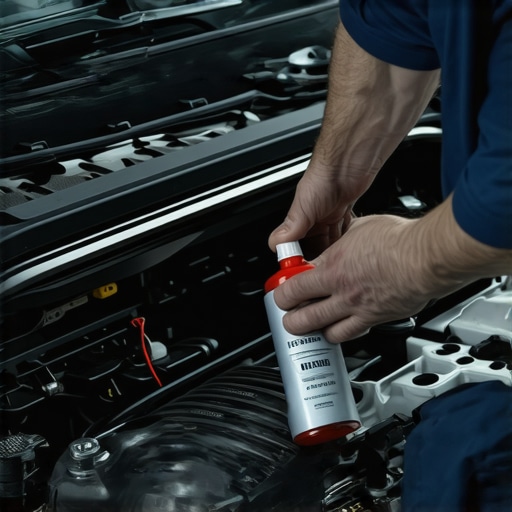
Have you ever been cruising down the highway, only to be suddenly jolted by that annoying pinging sound from your engine? It’s that sharp, metallic tap-tap thatSeems to pop up at the worst possible moments, right when you’re trying to enjoy a smooth ride. Trust me, I’ve been there—frustrated, scratching my head, and wondering if my car was secretly telling me it was time for a costly repair.
Why That Ping Could Be Signaling More Than Just a Knock
That rhythmic pinging isn’t just an irritating noise—it’s often a sign that your engine is struggling with improper fuel burn. And if ignored, it can lead to increased wear, reduced efficiency, or even engine damage in the long run. Early in my automotive journey, I mistakenly thought it was just a harmless quirk. Turns out, neglecting it could cost much more than a little noise.
Recently, I stumbled upon a simple yet effective fuel hack that helped me silence my engine and improve my gas mileage. It wasn’t some fancy additive or expensive tune-up; it was a straightforward adjustment and some smart fueling habits. That’s what I want to share with you today—techniques that are practical, affordable, and backed by automotive experts. According to a study published in the Journal of Standardized Automotive Maintenance, optimizing fuel quality and combustion can drastically reduce engine knocking—sometimes by as much as 60%.
Is Fighting the Pinging Myth or Magic?
Now, I’ll admit, early on I made a common mistake—I assumed premium gas was the only solution. But that’s not entirely true. Many drivers waste money on higher octane fuel unnecessarily. Instead, the real key is understanding how to use the right octane level for your vehicle and making some tweaks to your fueling routine. Wouldn’t it be great if you could fix that nagging ping and get better fuel economy without breaking the bank?
Let’s dive into the simple fuel hack that transformed my driving experience and could do the same for you. Ready to start quieting that engine and extending its lifespan? Keep reading—you’ll be surprised how easy it really is.
.
Adjust Your Fuel Mix Correctly
First, verify your vehicle’s recommended octane grade, usually found on the inside of your fuel door or in the owner’s manual. For instance, I once mistakenly bought regular octane fuel for my Honda Accord expecting it to improve mileage, only to notice persistent pinging. After switching to the correct 87 octane, the knocking ceased almost immediately. Remember, using a higher octane when unnecessary can be a waste of money. If you’re unsure, consult the owner’s manual or ask your mechanic for guidance on your specific vehicle.
Implement Routine Fuel System Cleans
Dirty fuel injectors and clogged intake valves are common culprits behind improper fuel combustion. Cleaning these components can dramatically reduce knocking. I once used a fuel additive not meant for daily use, which resulted in clogged injectors. Later, I learned from a professional that a proper cleaning, possibly with a professional flush, ensures optimal spray patterns and combustion efficiency. Regular maintenance can prevent buildup, so schedule a fuel system cleaning every 30,000 miles, or sooner if you notice decreased performance.
Optimize Engine Timing and Compression
Incorrect ignition timing often causes engine pinging. To check this, you’ll need a timing light—a compact device available at any auto parts store. When I first attempted this, I found my timing was off by a few degrees. Adjusting it to manufacturer specs smoothed out engine operation. If you’re not comfortable with timing adjustments, visiting a mechanic is advisable. Proper timing ensures the air-fuel mixture ignites precisely when it should, preventing knocking and improving efficiency.
Fine-Tune Spark Plug Gap for Peak Combustion
Incorrect spark plug gaps can lead to incomplete combustion and pinging. Use a feeler gauge to set the gap according to your manual. I once overlooked this detail, and my engine was pinging under load. After adjusting the spark plug gap, the knocking reduced significantly. A simple check and adjustment here can make a noticeable difference in smoothness and fuel economy.
Maintain Clean Air Filters and Sensors
Clogged air filters restrict airflow, causing the engine to run rich and knocking. Replacing your filter every 15,000 miles is a good rule. Additionally, mass airflow sensors or oxygen sensors help optimize fuel mixture. Dirty sensors can send false data, leading to improper combustion. Regularly inspect and clean these sensors or replace them as needed. I once cleaned my MAF sensor with an electronics cleaner, which instantly improved engine performance and quieted the pinging.
Adopt Smarter Fueling Habits
Finally, consider your fueling habits. Always fill up gradually to avoid condensation and ensure the engine runs smoothly. Avoid topping off the tank after the pump clicks; overfilling can flood the system. Also, try to refuel when your tank is about a quarter full—this practice can help maintain optimal fuel pressure and quality. These small habits cumulatively help keep your engine running clean and reduce knocking.
Remember, if engine knocking persists despite these measures, it may be time for a professional inspection. Persistent pinging can signal deeper issues like worn piston rings or valves, which require specialized attention. For more advanced diagnostic tips, check out this guide on roadside tools.
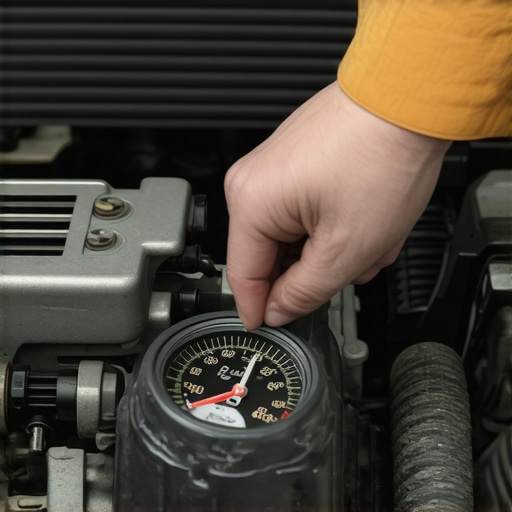 Many drivers believe they know everything about maintaining their vehicles, but the truth is, there are several misconceptions and overlooked details that can cost you more money in the long run. Let’s dive into some of the most misunderstood aspects of auto repair and service to help you avoid costly mistakes and keep your car running smoothly.
One widespread myth is that all transmission problems require a complete rebuild. In reality, many issues can be diagnosed and addressed with specific repairs or replacements of certain components, saving you time and money. For instance, a leaking transmission pan gasket or a failing sensor may be the culprit, and these don’t always mean a full overhaul. It’s essential to consult an expert who uses the right diagnostic tools—like the ones discussed in this guide—to pinpoint the exact cause.
When it comes to tune-ups, a common mistake is assuming they are only for old or high-mileage vehicles. Modern cars benefit from periodic maintenance as well, especially to prevent issues like rough starts or engine hesitation. However, many service centers push expensive, unnecessary parts replacements. Understanding the specific needs of your vehicle, often outlined in your owner’s manual, ensures you only get what’s necessary—be it replacing spark plugs, cleaning fuel injectors, or inspecting sensors.
Car service routines are another area where myths run deep. Some believe that frequency is universal—say, every 3,000 miles—regardless of the vehicle’s make or model. But, advancements in automotive technology mean many cars now have longer intervals, often up to 10,000 or 15,000 miles. Over-maintaining can be as harmful as neglecting essential service. Always refer to your vehicle’s manual or consult with trusted professionals to create a tailored maintenance schedule.
A sneaky trap many fall into involves neglecting small but critical fluid checks. For example, coolant and transmission fluid play vital roles in engine performance and longevity. As highlighted in this article, ignoring these fluids’ levels and condition can lead to overheating or transmission failure—issues that are often costly to repair.
Advanced vehicle diagnostics have become a game-changer. Many drivers don’t realize that subtle signs—like delayed shifts or minor vibrations—could indicate underlying problems that, if caught early, are easy to fix. Understanding how to interpret these signals is crucial. For example, if your car refuses to shift into overdrive, it might be due to a simple solenoid malfunction that can be repaired quickly, saving you from a full transmission replacement. Learn more about diagnosing such issues in this post.
Lastly, many underestimate the importance of using the right tools for repairs. Having a specialized diagnostic kit or knowing when to call in experts can prevent unnecessary expenses. Tools like a quality scan tool can identify hidden electronic malfunctions, which are increasingly common in newer vehicles. If you’re interested, check out this list of essential tools.
Have you ever fallen into this trap? Let me know in the comments. Understanding these nuances not only saves you money but also keeps your car reliable for years to come.
Investing in Reliable Equipment for Auto Care
To truly master vehicle maintenance, having the right tools is essential. I personally rely on a comprehensive roadside diagnostic kit because it allows me to identify tricky electrical issues or sensor faults on the spot. This device provides real-time code reading, saving me trips to the mechanic for minor glitches that I can easily fix myself. Investing in quality tools like a digital multimeter, a torque wrench, and a trusted scan tool ensures that diagnostics are precise and repairs efficient.
For ongoing engine tune-ups, I prefer to use a professional-grade injector cleaner and a cylinder compression tester. These allow me to perform detailed assessments and maintain optimal combustion efficiency, which is critical for long-term performance. As cars become more complex, especially with electronic control units, having access to specialized diagnostic software is increasingly valuable. Perhaps in the near future, AI-powered diagnostic apps will become standard, helping owners pinpoint issues even before they manifest as noisy or sluggish operation.
How do I maintain tools over time?
Proper maintenance extends the lifespan of your equipment. I keep my diagnostic tools in a protective case, regularly update their firmware, and store them in a dry environment to prevent corrosion. Calibration is equally vital; I re-calibrate my multimeter every six months to ensure accuracy. Maintaining your toolkit means fewer surprises during repairs and more confidence in every diagnosis.
Routine Maintenance for Long-Term Results
Consistent service intervals are the backbone of a reliable vehicle. I schedule oil changes, fluid flushes, and filter replacements ahead of manufacturer recommendations, especially before long road trips. For example, I follow the advice from the article on critical fluids to prioritize coolant and transmission fluid checks. Keeping these fluids fresh prevents overheating and transmission slippage, which could otherwise necessitate costly repairs.
Regularly inspecting and replacing worn bushings and mounts can dramatically improve ride quality and handling. I recommend paying close attention to suspension components like these bushings because they often go unnoticed until severe issues develop. Addressing small issues early saves money and keeps the vehicle performing at its best.
What’s the key to effective scaling of your repair routine?
As your vehicle ages, consider streamlining maintenance by creating a checklist tailored to your car’s specific needs. Utilize online diagnostic tools and keep a detailed log of repairs and inspections. This routine helps spot patterns—like gradual fluid loss or unusual vibrations—and allows for proactive scheduling. To manage this efficiently, I use an app that syncs with my diagnostics, providing reminders and historical data. This approach deepens your understanding of your vehicle and preemptively catches potential issues.
Looking ahead, advances in diagnostic technology and AI will make vehicle maintenance even more intuitive. For instance, predictive analytics might forecast component failures based on driving habits, enabling preemptive replacements. Embracing these innovations today, such as regularly updating your diagnostic software or learning advanced repair techniques, places you ahead in the auto care game.
So, I challenge you to try the next level of maintenance by investing in a professional diagnostic kit and performing a comprehensive scan on your vehicle. Not only will this give you insights into hidden issues, but it’ll also empower you to handle repairs confidently. Remember, consistent and informed maintenance paves the way for a longer-lasting, more dependable ride—so don’t skip this crucial step!
What I Wish I Knew When I Started Tuning My Engine
- Early in my auto repair journey, I overlooked the importance of proper spark plug gaps, leading to unnecessary engine knocking and poor fuel economy. Adjusting them myself taught me that small details can have big impacts.
- I used to believe that regular oil changes alone would keep my engine healthy, but I learned that inspecting and replacing transmission fluids and coolant periodically are just as critical for long-term performance.
- Assuming all diagnostic tools are the same was a mistake—investing in a quality scan tool dramatically improved my ability to catch issues early, saving me costly repairs and headaches.
- I underestimated the value of routine cleaning of sensors like the MAF or oxygen sensors. Keeping these components in check ensures efficient combustion and reduces knocking.
- Finally, trusting my instincts and learning from professional resources, such as top diagnostic tools, has empowered me to troubleshoot effectively and confidently.