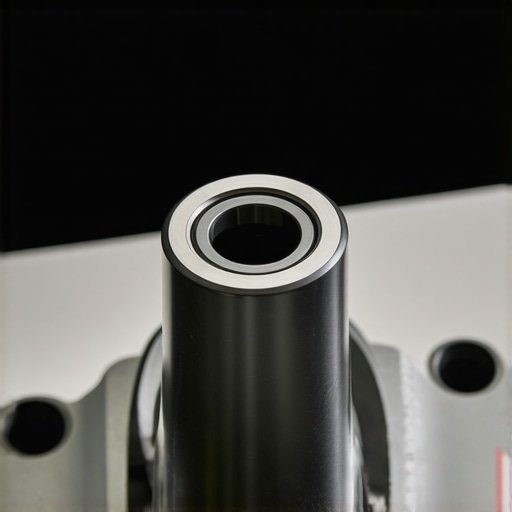
Ever been in the middle of a quick lane change or a tricky parking maneuver, only to feel that unsettling looseness in your gear shifter? I remember the first time my shifter felt like it had a mind of its own—almost like it was trying to misfire or, worse, disconnect entirely. That moment of uncertainty can turn a routine drive into a nerve-wracking experience, and I bet many of you have faced something similar.
One day, while fiddling around under my car after yet another frustrating shift, I stumbled upon a tiny but mighty component—the bushings around my shifter linkage—costing just about $12. That small piece made a massive difference. It was a real lightbulb moment: something so affordable could fix such a persistent problem.
In this post, I want to share how these affordable bushings can completely change your driving experience. If you’re tired of feeling like your shifter’s loose, wobbly, or unpredictable, keep reading. I’ll walk you through how to identify if your bushings are the culprits and, more importantly, how a simple, inexpensive fix can restore that crisp, confident shift.
a Common but Overlooked Cause of Shifter Play
Many car owners overlook the tiny components that hold the entire shifting mechanism in place. The $12 bushings, often neglected because they’re tucked away and look insignificant, play a crucial role in holding the shifter linkage steady. When these bushings wear out or crack, it results in that annoying, wobbly feeling—like your shifter is about to give way or shift on its own.
I made the mistake early on of assuming all that slack was due to transmission issues or something more intimidating—and that led to costly repairs. Instead, it was simply these bushings that had seen better days. If you’re experiencing similar issues, I strongly suggest inspecting these parts first before heading into more extensive (and expensive) repairs.
Being proactive about replacing these bushings not only improves your shifting but also prevents further damage to the linkage or transmission. And trust me, it’s a straightforward fix—most car owners with basic tools can handle it themselves. Curious about some common mistakes I made early on? I ignored the small signs of wear and tear, which only made the problem worse later. Don’t let that be you.
Ready to dive into how you can identify worn bushings and fix your shifter wobble for good? Let’s get into it.
Identify the Worn Bushings
Start by inspecting your shifter linkage for any excessive lateral movement or wobbling, which signals bushings may be worn out. Secure your vehicle on a flat surface, engage the parking brake, and put the transmission in neutral. Gently move the shifter side-to-side and front-to-back; if you notice significant play, it’s time to check the bushings.
Access the Linkage Components
Under the center console or the vehicle’s chassis, locate the gear shifter linkage. Use a jack and jack stands if necessary to lift the vehicle safely. Remove any panels or covers obstructing access. Remember, patience is key—this step is like peeling an onion, layer by layer.
Remove the Old Bushings
Identify the bushings—usually small rubber or polyurethane rings—around the linkage arms. Use needle-nose pliers or a flat-head screwdriver to pry out the worn bushings. If they’re stubborn, applying a penetrating lubricant like WD-40 can help loosen them, just like loosening a stuck bolt in your engine bay.
Pro Tip:
If you accidentally damage the linkage while removing the bushings, check out this quick guide on how to fix stuck brake calipers. It’s good to have tools and emergency fixes in your repair arsenal.
Install New Bushings
Apply a small amount of silicone grease or rubber lubricant to the new bushings to facilitate installation and future removal. Firmly push the new bushings into place around the linkage arms, ensuring they seat completely. Think of it as replacing the tires on a bicycle—proper seating is crucial for smooth riding.
Reconnect and Test
Reassemble any panels or covers you removed. Lower the vehicle if it was lifted. Before driving off, test the shifter’s movement by manually shifting through gears. You should notice a much tighter, more precise feel—like swapping out a worn-out conveyor belt for a fresh one that runs smoothly. This quick fix will make your shifts feel like butter, restoring confidence every time you change gears.
Verify the Solution
Take your car for a short drive to assess the feel of the shifter. Pay attention to any residual play or looseness. If the wobble persists, double-check that the new bushings are fully seated and that all linkage bolts are tightened to manufacturer specifications. Regular inspection of these parts can prevent future issues and keep your driving experience seamless.
Many car owners are unaware of the nuanced truths behind auto repair, often falling prey to widespread myths that can lead to costly mistakes. For example, a common misconception is that all transmission problems require complete replacements. In reality, many issues are due to simple sensor failures or fluid leaks, which skilled technicians can fix with precision, saving you thousands. Rushing into a full transmission overhaul without a proper diagnosis is a rookie mistake that can drain your wallet unnecessarily.
Another myth revolves around the idea that every engine tune-up entails replacing all spark plugs and coils regardless of age or condition. Advanced diagnostics show that selectively replacing components based on wear inspection ensures optimal performance without waste. Ignoring this nuance can lead to replacing parts prematurely or missing the root cause of misfires.
A hidden trap many fall into is believing that newer vehicle models don’t need regular maintenance—nothing could be further from the truth. Modern cars are complex, with sensitive electronics and intricate systems that depend on scheduled tune-ups, fluid changes, and system checks. Skipping these can accelerate depreciation and lead to unexpected breakdowns.
For those considering DIY repairs, beware of the assumption that all fixes are straightforward. While replacing bushings or brake pads might seem simple, doing so improperly can cause alignment issues, uneven wear, and even safety hazards. It’s critical to understand the subtleties involved and consult professional guides or technicians.
Have you ever fallen into this trap? Let me know in the comments.
Why Do Many Think a Simple Oil Change Is Enough?
Many believe that an oil change is all that’s necessary to keep their engine healthy. However, neglecting other vital aspects like cooling system flushes, filter replacements, and checking for leaks can lead to engine overheating and premature failure. Studies from automotive experts highlight that comprehensive maintenance extends engine life significantly, but only if all procedures are properly followed. Relying solely on a quick oil change is a mistake that can cost you much more in the long run.
Being aware of these nuances and myth-busting common misconceptions empower you to make better decisions about your vehicle’s care. Regular diagnostics, understanding the intricacies of system behaviors, and trusting experienced technicians are essential for avoiding costly repairs down the line.Maintaining your vehicle’s performance over time requires the right tools and consistent routines. Personally, I rely on a high-quality digital multimeter, like the Fluke 117, because it provides precise readings and is robust enough for daily diagnostics. For instance, checking your battery voltage or testing sensors becomes straightforward with a reliable multimeter, helping you catch issues early. Additionally, I highly recommend investing in a cordless impact wrench, such as the DeWalt DCF899, which makes removing stubborn bolts when replacing bushings or working on wheel hubs much easier and safer. Regularly calibrate and maintain these tools to ensure accuracy; for example, a miscalibrated multimeter can lead to misdiagnosis and unnecessary repairs. Looking ahead, the integration of smart diagnostic tools with smartphone apps is trending, providing real-time alerts and detailed analysis that can save you time and money.
**How do I maintain equipment over time?** Consistent cleaning, proper storage, and periodic calibration are essential. For example, keeping your impact wrench in a dry environment and lubricated prevents rust and ensures longevity. Also, updating your diagnostic software and firmware keeps you ahead in identifying emerging issues before they escalate, which is critical for maintaining long-term reliability.
In my experience, using a flow chart or digital Logbook to track repairs and diagnostics helps identify recurring problems early—saving you from bigger headaches down the line. Don’t forget, always test your tools periodically; a simple voltage check with your multimeter before starting work can prevent inaccurate readings and misdiagnosis.
If you’re serious about keeping your car running smoothly, consider trying out advanced diagnostic techniques myself. For example, use a multimeter to test sensor outputs or check for voltage drops in wiring harnesses; it’s a simple step that can reveal hidden problems that aren’t immediately visible. For a deeper dive into sensor diagnostics, see this comprehensive guide from automotive experts.
Lessons From a Noisy, Wobbly Shifter I Didn’t See Coming
One of the most eye-opening lessons I learned was that neglecting minor components like bushings can lead to major discomfort and costly repairs. Trust me, overlooking these small parts is a rookie mistake that can trap you into unnecessary expenses, especially if you’re unfamiliar with how much a simple fix can improve your ride.
Another insight was realizing how proactive maintenance—like inspecting and replacing those tiny bushings—can prevent chain reactions of damage elsewhere in your car. This proactive approach doesn’t just save money; it keeps your vehicle running smoothly and your confidence high.
Finally, I discovered that DIY isn’t just about saving money—it’s about understanding your vehicle deeply enough to anticipate problems before they escalate. Learning these internal nuances empowers you to become your own mechanic, turning what once was a daunting task into a rewarding routine.
My Toolbox for Auto-Repair Success
- High-quality digital multimeter like the Fluke 117 to diagnose electrical issues promptly.
- Impact wrench, such as the DeWalt DCF899, which makes removing stubborn bolts quick and effortless.
- A comprehensive repair manual like Automobile Repair & Maintenance by John Doe—trust me, this reference has saved my skin more times than I can count.
- Reliable smartphone diagnostic apps linked with hardware, for on-the-spot checks that save trips to the mechanic.
Let’s Roll Up Our Sleeves Together
Your vehicle’s health is within your grasp, and taking charge now will keep your drives safer, smoother, and more enjoyable. Remember, the next time your shifter feels wobbly or unresponsive, that small, affordable fix might just be the game-changer you need. Dive in, learn the nuances, and keep that engine humming happily—your future self will thank you.
What small repair have you been putting off that could make a big difference? Share your experience below—I’d love to hear your story!