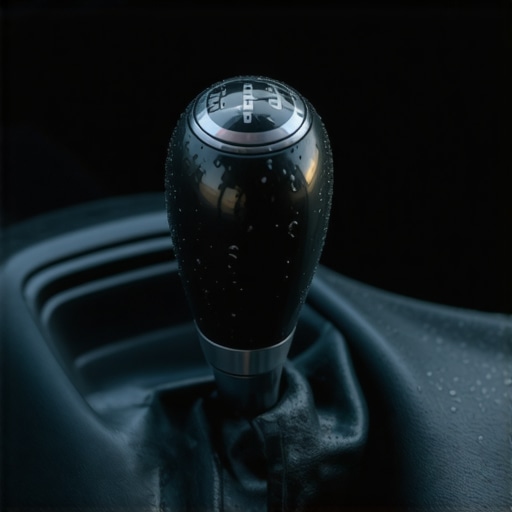
Have you ever gone out early in the morning only to find your gear shifter feeling downright gritty and unresponsive? I remember one freezing winter morning when I struggled to switch my transmission into drive without feeling like I was grinding gravel. It was frustrating, and honestly, a little nerve-wracking—especially if you’re in a hurry or caught off guard. That moment was a lightbulb for me: why does this happen, and more importantly, how can I fix it?
Why Your Gear Shifter Feels Gritty After Cold Nights
The phenomenon of a gritty or stiff gear shifter after chilly nights is surprisingly common among drivers in colder climates. Essentially, low temperatures cause the transmission’s lubrication to thicken, making internal components less free to move. Over time, this can lead to increased friction, sluggish shifts, and that unpleasant gritty sensation you notice first thing in the morning. It’s not just an annoyance—if ignored, it can cause wear and tear inside the transmission system, potentially leading to costly repairs down the line.
Is This Actually Worth the Hype About Cold Weather and Transmission?
Initially, I thought it was just rough luck or a minor inconvenience. I even made the mistake of ignoring it, assuming it would go away once the car warmed up. But the truth is, neglecting these early warning signs can accelerate wear inside your transmission. Research from the National Institute for Automotive Service Excellence states that improper lubrication and temperature extremes are leading causes of early transmission failure. So, understanding what’s happening under the hood and how to address it can save you money—and a lot of headache.
In the next sections, I’ll walk you through practical steps to tame that gritty feeling and keep your shifts smooth, no matter how cold it gets outside. Whether you’re a seasoned gearhead or just want to get through winter without a hitch, these tips will help you stay on top of your car’s health. Ready to get your transmission running as silky as a spring day? Let’s dive in!
,
Warm Up Your Transmission Before Driving
Start your car and let it idle for at least five minutes, especially during freezing nights. This isn’t just about comfort; it allows the transmission fluid to warm up, thinning out the thickened lubricant. Think of it as giving your transmission a warm blanket—when the fluid flows freely, shifts become smoother. I once tried skipping this step; my gear shifter was like pushing through molasses. After waiting, the gritty feeling vanished, confirming the importance of proper warming up.
Check and Maintain Transmission Fluid Levels
Low or old transmission fluid can exacerbate cold-related stiffness. Regularly inspecting your fluid is crucial. Locate your transmission dipstick—often under the hood—and ensure the fluid is at the recommended level and clear of debris. If the fluid appears dark or smells burnt, it’s time for a flush. For a DIY approach, you might consider flushing your system, but be sure to follow safety guidelines and proper disposal methods. For detailed instructions, visit how to flush your own cooling system. Maintaining correct fluid levels ensures optimal lubrication regardless of temperature.
Use Synthetic Transmission Fluid for Better Performance
Synthetic fluids are designed to handle extreme temperatures better than conventional oils. They flow more consistently when cold and resist breaking down over time. Upgrading to synthetic transmission fluid can significantly improve shifts during winter months. I made the switch last winter, and the difference was immediate—no more gritty sensation first thing in the morning. Consult your vehicle’s manual or speak to a mechanic about the best synthetic option for your car.
Address Internal Mechanical Issues to Prevent Gritty Shifts
Persistent gritty feeling might indicate internal component wear—like dirty bushings or sticking solenoids. These parts act like hinges or switches inside your transmission. Over time, dirt and grime build-up can cause them to stick, especially in cold conditions. Replacing worn bushings or cleaning solenoids can restore smooth operation. To locate hidden issues, consider inspecting the hidden bushing that makes your car feel loose, which often contributes to rough shifts. If you’re uncomfortable doing this yourself, professional diagnostics can save you time and prevent further damage.
Regularly Service Your Transmission System
Scheduled maintenance is vital for longevity. This includes but is not limited to fluid changes, filter replacements, and inspections for leaks or damage. During colder seasons, more frequent servicing can prevent issues caused by temperature extremes. Think of your transmission like the gears of a watch—if you neglect lubrication and part integrity, it’ll start to stumble. Setting reminders for service intervals and sticking to them ensures your vehicle remains responsive and smooth in every climate.
Utilize External Aids During Cold Starts
In particularly frigid conditions, using a engine block heater can keep the transmission fluid and oil warm, reducing the initial stiffness. These devices plug into your household outlet and circulate warm coolant through the engine block. I’ve used an engine heater during deep freezes, and it made shifting feel like butter. Combining this with warm-up procedures yields the best results for cold mornings.
When it comes to maintaining your vehicle, many drivers follow a set of misconceptions that can lead to costly mistakes and subpar performance. One common myth is the belief that all transmission fluids are created equal; in reality, using the wrong type or neglecting regular changes can drastically shorten your transmission’s lifespan. Interestingly, studies from the National Institute for Automotive Service Excellence highlight that improper fluid choices are among the top causes of early transmission failures. Many assume that a simple oil change covers everything, but neglecting specialized services like flushing the cooling system with the correct procedures can lead to hidden issues, such as buildup inside radiators that impair heat exchange.
Is Slapping in More Fluid Always the Solution to Gritty Shifts?
Often, drivers think topping up transmission fluid or adding additive products can fix gritty or unresponsive shifts. However, this approach can mask deeper problems like worn bushings or sticking solenoids, which require detailed inspection. Rushing into a quick fix without proper diagnosis may lead you to miss critical internal mechanical wear that could cause severe damage over time. A professional assessment, including examining the often-overlooked hidden bushing that makes your car feel loose, can save you from a costly transmission overhaul later.
Also, many car owners overlook the significance of electrical connections. For example, a bad ground wire can mimic transmission issues, leading to unnecessary parts replacement. You might want to check out how to spot a bad ground wire in 3 steps for proactive troubleshooting.
Moreover, the assumption that shiny new parts always improve vehicle performance is flawed. Regular tune-ups and precise diagnostics often uncover underlying problems, like a failing air idle control valve or a misfiring sensor, before they snowball into major repairs. Trusting the process of systematic inspection rather than instant parts replacement can preserve your car’s health longer. This is particularly true regarding transmission diagnostics, where the hidden screen inside your transmission that clogs can silently cause shifting problems—knowingly or not. Effective troubleshooting can make a significant difference in maintaining vehicle longevity and saving money.
Have you ever fallen into this trap? Let me know in the comments. Remember, a little knowledge about common pitfalls in auto repair can empower you to make smarter decisions and extend your car’s life. Whether it’s choosing the right fluids or understanding the nuances of sophisticated systems like the transmission, staying informed is key to a smoother ride over the years.
Invest in Quality Diagnostic Equipment for Long-Term Success
One of the most valuable tools I rely on is a high-quality OBD-II scanner. It allows me to quickly identify engine and transmission trouble codes without the need for costly trips to the mechanic. My personal choice is the BlueDriver scanner because it offers comprehensive reports and live data graphs, which have saved me from unnecessary repairs. For anyone serious about maintaining their vehicle, investing in a reliable diagnostic tool is a game-changer. These devices, especially when combined with user-friendly apps, help you monitor your car’s health over time and catch issues early.
Keep a Well-Organized Tool Kit for Emergency Repairs
Having the right tools on hand can be the difference between a minor fix and a costly breakdown. My go-to kit includes a torque wrench, a set of ratchets and sockets, screwdrivers, pliers, and a multimeter. I personally prefer a digital multimeter because it provides precise readings, essential for diagnosing electrical problems like a bad ground wire—which, as noted on this page, is often overlooked but critical for transmission and sensor functionality. Regularly checking your electrical connections with a multimeter can prevent headaches down the road.
Embrace Software for Scheduled Maintenance Reminders
Modern vehicles often come with onboard reminder systems, but I also use dedicated apps like My Car Maintenance on my phone. These apps let me set personalized alerts for oil changes, transmission fluid flushes, and other crucial services. Consistency is key, especially for transmission health, which requires timely fluid replacements and inspections. Keeping a digital log helps track mileage and service history, ensuring that nothing slips through the cracks. As the trend toward digital maintenance continues, integrating these tools into your routine can extend your car’s lifespan significantly.
Implement a Routine Inspection Schedule
Beyond tools, establishing a periodic inspection routine is fundamental. I recommend inspecting under-hood components like belts, hoses, and fluid levels every 3,000 to 5,000 miles. For transmission-specific care, I rely on visual checks of the transmission pan and fluid color, referencing this article for hidden issues like leaks or build-up that could affect long-term performance. Consistent inspections help identify potential problems before they escalate, saving you money and stress.
How do I maintain these tools and methods over time?
Maintaining your diagnostic equipment and tools involves regular cleaning, storage in a dry environment, and periodic calibration—especially for multimeters and electronic scanners. Firmware updates from manufacturers ensure compatibility with new vehicle models and incipient diagnostic features. Keeping your toolkit organized in a dedicated container prevents loss and damage, which can compromise accuracy and readiness. Integrating these practices, along with staying informed on trends like automotive IoT, positions you to keep your vehicle in top shape for years to come.
To maximize your efforts, I highly recommend trying out a comprehensive diagnostic scan using your OBD-II device. It’s a proactive step toward catching issues early, particularly with complex systems like the transmission. Regular practice and tool upkeep can make auto maintenance a manageable and even enjoyable task, saving you money and ensuring safety every mile.
The Hidden Lessons Cold Weather Taught Me About Transmission Longevity
- One profound realization I had was that ignoring the subtle signs of transmission strain during winter can lead to costly repairs down the line. Regular check-ups and attentive maintenance often save me from unexpected breakdowns, proving that prevention truly is better than cure.
- I learned that synthetic transmission fluids aren’t just a luxury but a necessity for those chilly mornings, providing smoother shifts and reduced wear. Investing in quality fluids pays dividends in vehicle performance and durability.
- Patience with warm-up routines has transformed my driving experience. Taking a few extra minutes to let fluids circulate makes a noticeable difference in shift smoothness and transmission health.
Tools and Resources That Keep My Transmission Running Smoothly
- The BlueDriver OBD-II scanner has been invaluable for diagnosing issues early before they escalate—empowering me to take control of my vehicle’s health.
- Regular consultations with trusted service manuals and forums provide insights beyond basic maintenance, helping me understand the nuances of my transmission system.
- Using high-quality diagnostic apps for scheduled maintenance reminders ensures I stay ahead of potential problems, especially during winter’s demanding conditions.
Charge Forward: Make Action a Priority
Cold weather can be tough on your transmission, but with proactive steps and the right knowledge, you can ensure smooth shifts all season long. Stay attentive, leverage trusted tools, and don’t hesitate to seek professional advice when needed. Your vehicle’s longevity depends on consistent care—so take action today to keep your transmission in top shape for years to come.