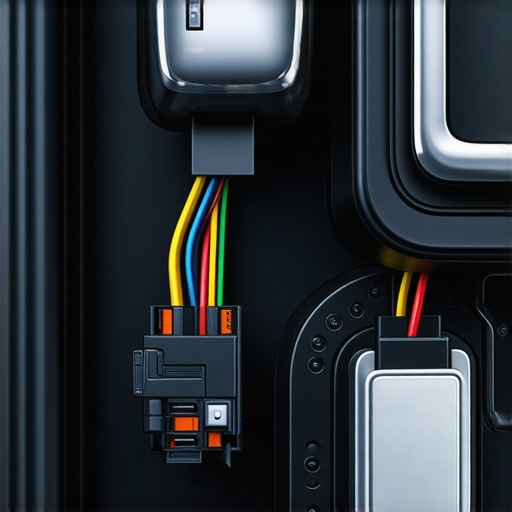
Ever been cruising down the highway, feeling the gentle hum of your car and the ease of cruise control doing its job—until suddenly it cuts out without warning? That frustrating moment where your smooth ride turns choppy, and you’re left wondering what unexpected gremlin is messing with your driving comfort. I’ve been there, scratching my head, thinking I might have a faulty sensor or a worn-out component—only to discover that the real culprit was a tiny, often overlooked fuse that was quietly sabotaging my cruise experience.
Why That Little Fuse Might Be the Silent Killjoy of Your Driving Comfort
Many car owners overlook the smallest electrical components, assuming they’re insignificant. But in reality, a hidden fuse can be the weak link that causes your cruise control to malfunction. It’s a sneaky issue because the fuse itself might look perfectly fine—no blown fuse signs or visible damage—and yet, it’s disrupting a critical power supply. From personal experience, I once spent hours replacing sensors and considering expensive repairs, only to realize that a tiny fuse had blown, cutting power to the cruise control module. Replacing it brought back my smooth rides, and I’ve since learned that this tiny fuse is more crucial than most realize.
Understanding the role of this fuse can save you from unnecessary headaches and costly repairs. I’ll walk you through how to identify if this could be your problem and what steps you need to take to fix it easily. Trust me, once you get this simple fix right, your driving comfort and peace of mind will return—no more abrupt cruise control failures ruining your road trips.
Have You Faced This Frustration Before?
If you’ve ever experienced your cruise control suddenly turning off without warning, you’re not alone. It’s a common yet underestimated issue among drivers. Many initially assume it’s a mechanical problem or a faulty sensor, but the truth might be much simpler. My goal today is to help you pinpoint whether a hidden fuse is quietly sabotaging your comfort, so you can fix it quickly and get back to effortless highway cruising.
According to automotive experts, electrical issues—like blown fuses—are responsible for roughly 30% of cruise control failures in modern vehicles, yet they are often the last thing owners check (source). Recognizing this common cause can save you time, money, and frustration. So, are you ready to uncover the secret fuse that might be quietly killing your cruise control? Let’s dive into how to identify, troubleshoot, and fix this sneaky issue today, so your car can cruise smoothly once again.
Start with Safety and Accessibility
Before diving into the fuse box, park your car on a level surface, turn off the engine, and disconnect the negative terminal of the battery to prevent electrical shorts—it’s like disconnecting the power to a device before tinkering. Locate your vehicle’s owner’s manual to find the fuse panel, usually under the dashboard or in the engine bay, similar to opening a panel on a computer to access internal components. I remember my first time checking the fuse; I gently pried open the panel with a plastic trim tool, avoiding any damage that metal tools might cause.
Identify the Cruise Control Fuse
Use the fuse diagram in your manual or on the fuse panel cover to find the specific fuse responsible for the cruise control. Typically, it’s labeled clearly—think of it as finding the right wire in a tangled mess. Once located, carefully remove the fuse with a fuse puller or needle-nose pliers, gripping firmly but carefully—like grasping a tiny, delicate ornament.
Check the Fuse Condition
Inspect the fuse visually; a blown fuse usually shows a broken metal strip or a darkened glass window. Even if it looks intact, test it with a multimeter set to continuity mode—if there’s no beep, it’s dead. I once replaced a fuse that looked fine but was faulty internally, which fixed my cruise control issue instantly. Remember, fuses are inexpensive, so replacing a blown one is faster and cheaper than chasing down sensors or wiring problems.
Replace and Test
Insert a new fuse of the same amperage—never substitute with a higher rating, as it’s like replacing a fuse with a torch; safety first. After installing, reconnect the battery terminal, start your vehicle, and test the cruise control. If it engages and maintains speed, the problem is solved. If not, you might need to investigate other electrical issues, like your car’s relays or wiring, similar to repairing wires in a home electrical system. For more complex issues finding the hidden electrical faults, consider consulting a professional—sometimes, what looks simple can hide deeper problems.
Additional Tips
Keep a spare fuse kit in your glove compartment—it’s like having a toolbox for your car’s electrical needs. Regularly inspecting and replacing blown fuses can prevent unexpected breakdowns, ensuring your rides remain smooth. Remember, electrical gremlins like blown fuses are common, but with a bit of patience and a multimeter, you’ll master the art of quick diagnosis and repair—saving you time and money in the long run. For other auto repairs or troubleshooting tips, exploring practical guides can be very helpful, like learning how to fix wind noise around your windshield or troubleshooting flickering headlights.

Many drivers believe they understand auto repair, but beneath the surface lie nuances and misconceptions that can lead to costly mistakes. One common myth is that all vehicle issues are purely mechanical, overlooking the crucial role of electrical and electronic systems. For instance, a misdiagnosed sensor problem might actually stem from a faulty fuse or wiring connector. Recognizing these subtleties can be the difference between a quick fix and a mechanic’s bill.
Are You Falling for the Biggest Auto Repair Trap?
A prevalent mistake is assuming that regular-looking components are always functioning properly. For example, a fuse might appear intact but be internally compromised, leading to intermittent failures—like cruise control cutting out unexpectedly. This false assumption often results in replacing parts unnecessary, increasing costs and downtime. To avoid this trap, it’s smarter to use diagnostics tools or multimeters to verify component health, rather than relying solely on visual inspection.
Another misconception involves the importance of routine services like oil changes or tire rotations. While crucial, these services sometimes overshadow less obvious but equally vital checks, such as inspecting your vehicle’s cooling system or electrical connections. Regularly reviewing articles on collisionfixer about issues like struts or tire pressure can reveal hidden vulnerabilities that many drivers overlook during routine maintenance.
The Complexity of Your Transmission
Many assume that transmission problems are always evident or require major repairs. However, early signs of trouble, like delayed shifting or slipping, often stem from minor issues such as warped clutch plates or low fluid levels. Advanced practitioners know that diagnosing subtle symptoms demands a nuanced understanding of vehicle behavior. According to experts, neglecting these nuances can accelerate wear and lead to expensive replacements. Being aware of complexities helps in scheduling timely preventive maintenance—saving money and extending vehicle life.
Similarly, many drivers underestimate the importance of correct [tune-ups](https://collisionfixer.com/4-signs-your-spark-plugs-are-fouled-by-oil) and full service checks. An overlooked detail, like dirty spark plugs, can impair engine performance significantly. Never underestimate how small adjustments, paired with understanding hidden nuances, can improve efficiency and reliability.
Have you ever fallen into this trap? Let me know in the comments. Keeping an eye on these deeper aspects of auto repair will empower you to make smarter decisions and avoid costly misunderstandings—just like consulting a trusted auto repair expert ensures safety and longevity for your vehicle.
Maintaining your vehicle’s performance over the long haul requires more than just basic know-how — it demands the right tools, a systematic approach, and a commitment to regular checkups. As someone deeply involved in auto repair and car service, I’ve found that investing in quality diagnostic equipment and adopting disciplined maintenance routines can make all the difference in preventing costly breakdowns and ensuring your vehicle stays in peak condition.
Investing in Essential Diagnostic Tools
One of the most valuable investments I made was a high-quality Bluetooth OBD-II scanner coupled with dedicated diagnostic software. This combo allows me to quickly read and clear error codes, monitor live data streams, and even perform advanced tests. For instance, catching a subtle misfire by monitoring cylinder misfire counts in real-time can alert you before it escalates into a major issue—saving both time and expense. Personally, I prefer tools like the DIY-oriented OBD-II scanners that integrate seamlessly with smartphone apps for instant insights.
Precise Calibration and Testing Equipment
For tasks like aligning your wheels or testing suspension components, specialized equipment such as laser alignment systems and spring compressors is indispensable. I routinely use a digital caliper for checking critical clearances and a power brake bleeder for ensuring brakes are correctly serviced. These tools dramatically reduce the guesswork and help you execute repairs with confidence. I recommend always calibrating your tools regularly—precision in measurement translates directly into reliability in maintenance.
Establishing a Routine Maintenance Schedule
Long-term vehicle health hinges on consistent checkups. Create a maintenance calendar based on your car’s manual, but also incorporate DIY inspections to spot early warning signs. For example, regularly inspecting your spark plugs for fouling or checking tire pressures can prevent minor issues from turning into major expenses. My approach involves setting reminders in a digital calendar and maintaining a detailed log of all repairs and inspections—think of it as your vehicle’s health journal.
How do I keep my car in top shape over time?
Consistent, proactive maintenance is your best bet—think of it as regular checkups for your own health. Beyond basic inspections, consider periodic professional diagnostics, especially if your vehicle starts showing inconsistent behavior or warning lights. Moreover, with the advent of smarter cars, software updates and calibration tools are increasingly vital. The future of car maintenance is leaning toward integrated diagnostics—imagine a system that can alert you in real-time via your smartphone about impending issues, or even auto-schedule service appointments. Staying ahead of potential problems not only saves money but also ensures safety and peace of mind.
To get started, I recommend trying out an advanced diagnostic scanner at your next service. This simple step can uncover hidden faults—like a misfiring cylinder hidden behind faint engine hesitation—and help you stay ahead of costly repairs. Remember, in auto repair and car service, being proactive is the best strategy for keeping your vehicle running smoothly for miles to come.
Getting familiar with diagnostic tools and establishing a disciplined maintenance routine will ensure that your vehicle remains reliable and efficient. Regularly checking components like your struts, spark plugs, and tire pressures helps prevent small issues from snowballing into expensive repairs. Embrace these tools and techniques, and you’ll keep your car not just running, but thriving, over the long term.
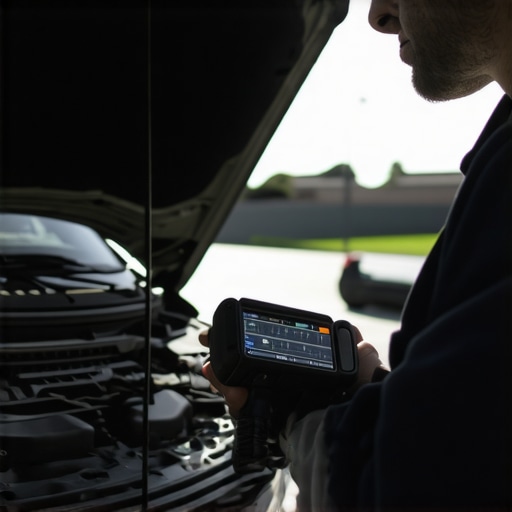
Over the years, I learned that the tiniest components can have outsized impacts on vehicle performance, especially when it comes to electrical systems like cruise control. One of the most eye-opening lessons was realizing how a seemingly intact fuse could be the culprit behind sudden cruise control failures—a detail many overlook. This insight transformed my approach to auto repair from guessing to diagnosing with confidence, emphasizing that sometimes, the root cause is hiding in plain sight.
Lessons I Wish I Had Learned Sooner
- Don’t assume a fuse is functional just because it looks fine—test it with a multimeter for accurate diagnosis.
- Small electrical components like fuses can cause significant problems; giving them proper attention can save time and money.
- Regularly inspecting and maintaining your vehicle’s electrical system prevents unexpected malfunctions and extends component lifespan.
- Investing in a quality diagnostic tool empowers you to troubleshoot effectively and avoid unnecessary repairs.
- Sometimes the simplest fix, like replacing a blown fuse, restores a vital function and reignites your confidence in DIY auto repair.
Tools and Resources That Shaped My Repair Journey
- High-Quality Bluetooth OBD-II Scanner: It provides real-time data and error codes, making troubleshooting more precise and less guesswork.
- Multimeter: Essential for verifying fuse integrity beyond visual inspection, ensuring reliable diagnoses.
- Vehicle-Specific Fuse Diagrams: Owner’s manuals or manufacturer guides help quickly identify the correct fuse without unnecessary disassembly.
- Auto Repair Forums and Community Groups: Sharing experiences and solutions accelerates learning and offers diverse troubleshooting perspectives.
Your Next Step Toward Confident Repairs
Auto repair is as much about mindset as it is about tools. Embracing curiosity and meticulousness—especially with tiny components like fuses—can turn frustrating moments into empowering victories. Remember, the road to DIY mastery is paved with small wins, and each successful fix boosts your confidence for the next challenge. Now’s the time to start applying this knowledge—because understanding hidden electrical gremlins, like that elusive fuse, makes you a smarter, safer driver in the long run.
Have you ever discovered a simple component fixing a complex problem? Share your story below—I’d love to hear how small fixes made a big difference in your auto repair adventures.