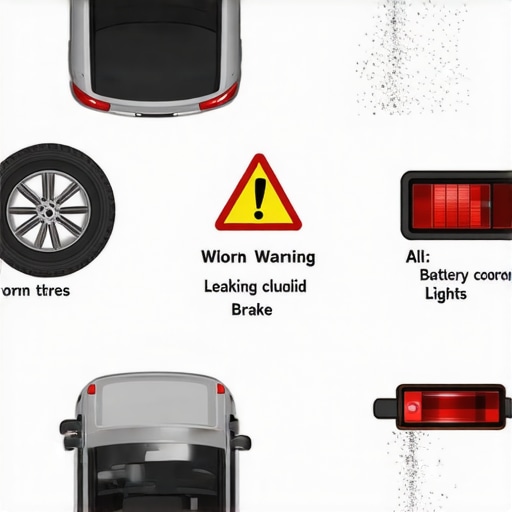
It was a chilly Saturday morning when I finally decided to get my car serviced after ignoring that unsettling squeal that had been haunting me for weeks. I handed over my keys, expecting a routine tune-up, but by the end of the day, I was staring at new problems that hadn’t been there before. Ever had that lightbulb moment when you realize you might have jumped the gun and trusted the wrong mechanic? If so, you’re not alone.
Many drivers assume that once a full service is done, their car is as good as new. But the truth is, some issues only become apparent after the mechanics have finished tinkering. And trusting blindly can lead to more trouble and costly repairs down the line. Today, I want to share my personal experience and guide you through recognizing five red flags that could signal your car wasn’t serviced properly—or worse, that something was overlooked.
Why Should You Be Vigilant After a Service?
Your car is a complex machine with hundreds of components working seamlessly. When a mechanic performs a full service, they might miss subtle signs of underlying issues—especially if they’re rushing or inexperienced. An overlooked problem can escalate, leading to breakdowns or safety hazards that could have been avoided.
Studies show that nearly 60% of independent car repairs result in issues that recur within a few months, often because of missed red flags during service (source: Automotive Repair & Maintenance Survey 2022). This statistic underscores the importance of being extra attentive after your vehicle’s full upkeep.
Have you ever noticed strange noises, vibrations, or performance drops just days after a service? If yes, it’s time to learn what to watch for. Recognizing early warning signs can save you from expensive repairs and unsafe driving conditions.
Let’s dive into the five critical red flags that could indicate your car might still be under threat—even after a full service.
Inspect Fluid Levels and Leaks
Immediately check your engine oil, coolant, and transmission fluid to ensure they are at proper levels. If you notice any leaks under the vehicle or puddles in the driveway, it indicates that the mechanic may have overlooked some seals or hoses. Use a clean rag to wipe around fluid reservoirs and use the dipstick or sight glass to verify levels. Remember, low or contaminated fluids can cause engine damage or transmission slipping, so addressing this early saves money and avoids breakdowns.
Test Key Components Personally
Battery and Alternator
Perform a simple test to confirm your battery and alternator work correctly. Turn on your headlights; if they flicker or are dim when starting the engine, it could mean your alternator isn’t charging properly. You can also use a multimeter or a dedicated tester to check voltage—ideally between 13.8V and 14.4V when the engine runs. Often, a quick at-home test can reveal if the alternator is failing, preventing unexpected stalls or dead batteries. For a thorough check, consider this guide on testing your alternator at home.
Brake Functionality
While parked, press the brake pedal firmly. It should feel firm and not sink slowly. During a short drive, pay attention to brake responsiveness and any squealing or vibrating noises. If the brake pedal feels spongy, or the car pulls to one side during stops, it indicates possible issues with brake fluid or calipers. Regularly inspect the brake fluid reservoir for proper levels and cleanliness. Remember, quality braking is critical for safety, so any red flags here demand immediate attention.
Perform Visual and Physical Checks
Walk around your vehicle and look for any loose or damaged parts—loose hoses, hanging wires, or cracked belts. Feel the steering wheel and tires for vibrations, which may signal imbalance or suspension problems. Test your steering to spot excess play or stiffness; a steering wheel that wobbles at certain speeds could be caused by misaligned or worn-out components. Don’t forget to examine the shocks or struts; if your car bounces excessively after hitting bumps, it’s time for a suspension check. For persistent issues, visiting a mechanic for specialized diagnostic tests, like steering vibration fixes, might be necessary.
Listen for Unusual Noises During Operation
Start the engine and listen carefully. Rattles, squeals, or grinding sounds often indicate overlooked or improperly installed parts. For example, a rattling heat shield can cause ongoing annoyance or damage if ignored; here’s a quick fix guide how to fix a rattling heat shield. Similarly, whines or hums from the transmission area may signal fluid issues or internal wear. Pay attention to any unfamiliar sounds, especially those that weren’t present before the service. Often, early detection of these noises can lead to simple fixes, saving you expensive repairs later.
Test Drive with a Critical Ear and Eye
Take your vehicle for a short drive on varied road conditions. Observe how it accelerates, brakes, and handles curves. Notice if the steering feels unresponsive or if vibrations intensify at high speeds. Check for uneven tire wear that could result from alignment issues or suspension problems. Use this vibration test for the rearview mirror and other quick checks during the drive. The goal is to identify inconsistencies that might be overlooked but are crucial for safe operation and longevity of your car.
Many car owners operate under misconceptions that can lead to costly mistakes. One prevalent myth is that all service shops perform equally thorough work, but in reality, experience and specialization greatly influence the quality of repairs. For instance, some shops might prioritize quick turnovers over meticulous diagnostics, increasing the risk of overlooked issues like hidden transmission problems, which could lead to further damage if not properly addressed. Understanding the nuances of car maintenance helps you become a smarter consumer.
A frequent oops is assuming that a minor noise or vibration is trivial, but these symptoms could be early signs of critical issues—like a failing transmission or loose engine mounts—that require expert attention. Ignoring these signs can cause escalation, making repairs more expensive down the line.
### Why Do So Many Miss Critical Signs During Service?
It’s tempting to believe that modern diagnostic equipment catches everything, but technology isn’t infallible. Skilled mechanics rely on both high-tech tools and their experience. A common mistake is trusting the initial visual inspection or the dashboard warning lights alone. For example, a subtle transmission fluid leak might escape the eye if a mechanic focuses solely on the obvious oil change or filter replacement. This oversight can lead to prolonged driving with deteriorating transmission health, culminating in costly rebuilds.
Experts emphasize the importance of understanding the detailed procedures behind routine services. Regularly visiting a shop that offers comprehensive diagnostics, like checking for potential hidden clogging in the transmission’s internal screens, can save money and prevent breakdowns. To avoid these pitfalls, learn to ask your mechanic about their diagnostic process—don’t settle for just the visible or surface-level checks.
As an example, many drivers overlook the importance of inspecting the transmission’s hidden screens, which can clog and impair shifting if neglected. For further insights on this, check out this detailed article.
Lastly, be wary of the assumption that a quick tune-up fixes all issues. While routine maintenance is essential, it doesn’t replace a thorough diagnostics process. A mismatched or contaminated transmission fluid can still be lurking, silently causing problems. Regularly questioning your mechanic’s procedures can help you avoid the ”Oops” moments that lead to expensive repairs, and ensure your vehicle is truly balanced and safe.
Have you ever fallen into this trap? Let me know in the comments.Maintaining your vehicle’s longevity and performance isn’t just about quick fixes; it requires the right tools, consistent methods, and a proactive mindset. Personally, I’ve found that investing in quality diagnostic equipment and familiarizing myself with practical troubleshooting techniques can save time and money in the long run. For example, a trusted multimeter is invaluable for regularly testing your car’s electrical systems, such as the alternator. Using this straightforward method, you can verify your alternator’s voltage output without needing a professional. This proactive approach helps catch issues early before they escalate into costly repairs.
Lessons Only Insiders Know About Car Care
- My biggest mistake was trusting a mechanic solely based on a quick quote; I learned that thorough diagnostics reveal hidden issues that quick services often miss, saving me from future headaches.
- Getting familiar with basic electrical checks, like testing your alternator with simple tools, makes you proactive rather than reactive, helping to catch problems early before they turn costly.
- Listening to your car’s sounds and feeling for unusual vibrations isn’t just intuition—it’s an invaluable diagnostic tool that can identify issues long before they show up on the dashboard.
Tools and Tips That Changed My Approach
- I rely on a quality multimeter and develop routine electrical checks; tools like this method make maintenance more manageable and economical.
- When dealing with common problems like rattling heat shields or steering wheel vibrations, precision matters. Resources like these DIY guides empower me to fix minor issues myself, extending my vehicle’s life.
- Seeking out comprehensive diagnostic procedures at my trusted repair shop gave me peace of mind—knowing that no internal component, like transmission screens, is overlooked keeps my vehicle performing well longer.
This Is Your Moment to Take Control of Car Maintenance
Being vigilant after a service isn’t just about catching issues early; it transforms you from a passive owner into an active participant in your vehicle’s health. Remember, the best repairs happen when you’re informed and proactive. Start small—test your battery, observe your car’s sounds, and stay curious about what’s happening under the hood. Your car—and your wallet—will thank you for it. Are you ready to take the reins and keep your vehicle running smoothly? Share your experiences or questions below, and let’s learn together!