
One sleepless night, I was stuck in traffic, the engine running hot, and suddenly my car started to shudder violently. It was as if my transmission was throwing a tantrum just when I needed it to be smoothest. That lightbulb moment made me realize I wasn’t alone; many drivers experience this perplexing issue, where their vehicle’s transmission acts up only after the engine warms up. It’s unnerving, right? You’re confident everything’s fine when cold, but once the engine reaches its operating temperature, the shaking begins, and suddenly, you’re worried about costly repairs.
The Hidden Frustration of a Hot Transmission Acting Up
What’s really going on here? Why does this problem only appear when the engine is hot? And more importantly, how can you fix it without turning your garage into a repair shop? I promise, by the end of this post, you’ll understand the common causes behind this stubborn shudder and learn practical steps to resolve it — often without a mechanic’s hefty bill. Trust me, I’ve been there, and I’ve learned it’s often simpler than you think. Have you faced this issue in your own vehicle? If so, keep reading; I’ve got some insights that could save you both time and money.
Is Your Transmission Actually Breaking Down or Just Being Difficult?
Early in my repair journey, I made a mistake I see many others repeat: assuming a problem when the engine is cold means it’s a smaller issue. But sometimes, the real trouble only kicks in after the engine hits a certain temperature. This led me down the wrong path—a classic mistake that can cost you a lot of unnecessary repairs. Experts warn that ignoring transmission issues that manifest only when hot can lead to more serious damage down the line, so it’s crucial to diagnose carefully. Want to skip the guesswork? Check out this quick fix to reset your 2026 transmission shifting logic—it might do the trick without any tools. Curious? Visit https://collisionfixer.com/reset-your-2026-shifting-logic-in-10-minutes-no-tools-2 for a straightforward guide.
Reset the Transmission Logic to Clear Its Mind
Start by resetting your transmission’s control module, which acts like a brain for shifting. Found a way to do this in just 10 minutes without any tools? Check out this easy reset guide. During my own attempt, I simply pressed the brake, turned the key to the accessory position, and held the accelerator for a few seconds. The engine light flickered, and afterward, the jerking was noticeably reduced during hot starts. This step recalibrates the shifting habits, especially useful if your transmission feels confused after warming up.
Adjust or Replace Fluid to Restore Smoothness
Perform a Quick Fluid Inspection
Hot transmission hesitation can sometimes be a symptom of old, degraded fluid. Check the fluid level and color — if it smells burnt or looks dark, it’s time for a change. Don’t forget, proper fluid levels are vital for hydraulic pressure; low or old fluid can cause slamming or slipping. I once topped off my transmission fluid with the recommended type, which temporarily eased the shudder. For a more definitive fix, consider a fluid flush or a simple top-up. For an easy fix that might resolve slipping issues, see this 10-minute fluid hack.
Replace or Add Fluids Strategically
If your fluid is in poor condition, draining the old and refilling with fresh fluid can improve shifting and reduce heat-related shudders. Remember, transmission fluid doesn’t last forever—changing it at regular intervals, especially before the hottest months, prevents issues. I once completed a fluid change in my driveway, following a tutorial, and the transformation was immediate. The vehicle shifted more smoothly, and the engine continued without hesitation under temperature stress. Just keep in mind, if the problem persists, further diagnosis is necessary.
Address Mechanical Concerns for Longer-Term Fixes
Persistent hot-weather shuddering might involve mechanical parts such as solenoids, valves, or sensors. Start by inspecting the transmission control solenoid, which manages fluid flow. A faulty solenoid can cause delayed or harsh shifts when hot. Testing or replacing it can be straightforward; I swapped mine out following a guide and noticed immediate improvement. For a detailed fix, review the solenoid replacement procedure. Remember, sometimes the simplest fixes—like adjusting the shift linkage—can make all the difference. Use tools like a socket set and a torque wrench to ensure proper alignment.
Check the Transmission Sensors and Wiring
Transmission sensors provide critical data to the ECU. A malfunctioning sensor may mislead the system into shifting improperly under heat. Use a diagnostic scanner to check for sensor errors. If you spot faulty signals, replacing the sensor can restore normal operation. For example, I replaced a defective temperature sensor, which significantly lessened the shudder during hot starts. Often, sensor wiring becomes brittle over time; inspecting and re-securing connectors can prevent future problems. For more guidance on sensor fixes, see this comprehensive sensor swap.
Many car owners believe that a simple tune-up or routine service is enough to keep their vehicle running flawlessly, but in my experience, there’s a lot of nuance that often gets overlooked. One common myth is that sticking to the manufacturer’s recommended intervals is always sufficient; however, modern engines and transmissions operate under complex conditions that can demand more tailored maintenance strategies. For example, using generic transmission fluid instead of the specified type can accelerate wear and cause subtle shifts or heat-related issues—problems that are easy to miss but can escalate dramatically if not addressed early. Always remember, quality matters more than merely adhering to a schedule. Are you aware that some so-called ‘routine’ repairs may actually mask deeper issues? For instance, replacing parts without proper diagnostics can lead you down a costly path of replacing perfectly functional components just because of superficial symptoms.
Could Your Service Routine Be Sabotaging Your Car’s Longevity?
Let’s dig deeper. One trap many fall into is assuming that a transmission that shifts smoothly during cold starts will behave the same when hot. This misconception can lead to neglecting critical checks that reveal early signs of trouble. For example, a common mistake is ignoring slight delays or hesitation during warm-up phases—these might seem minor but could signify developing solenoid issues or fluid degradation. Instead of hiding these signs, proactive diagnostics or targeted fixes like a quick fluid flush—about which I’ve written here—can save you from costly breakdowns later. Moreover, there’s a misconception that all repairs are equal; but understanding the nuances, such as how sensor calibration impacts shifting or how heat accelerates component wear, is key. For example, the simple reset of the transmission logic can sometimes fix stubborn issues without expensive parts replacements. This highlights that a comprehensive understanding of vehicle systems often makes the difference between temporary fixes and lasting resolutions.
Are You Overlooking the Hidden Clues in Your Car’s Performance?
In addition to immediate symptoms, paying attention to subtle signs like slightly uneven shifts, irregular idling, or unusual noises during service checks can reveal underlying problems. For example, diagnostics that include sensor testing or wire inspections can uncover issues that might seem insignificant but are early indicators of mechanical or electronic failure, especially under heat stress. Remember, a well-maintained transmission isn’t just about top-up fluids; it’s about understanding the interconnectedness of components and how they respond to driving conditions. Have you ever fallen into this trap? Let me know in the comments.
Investing in Reliable Diagnostic and Maintenance Equipment
When it comes to keeping your vehicle’s transmission in top shape over time, having the right tools is paramount. I personally rely on a high-quality automotive diagnostic scanner, like the Autel MaxiSYS series, which offers comprehensive data on sensor outputs and system errors. This device allows me to pinpoint issues such as faulty temperature sensors or solenoid malfunctions quickly, saving me time and money. Additionally, a good set of mechanic’s hand tools, including torque wrenches and precision screwdrivers, ensures I can perform tasks like sensor replacements or linkage adjustments without risking damage to delicate components.
Emphasizing Regular Fluid Checks and Changes
Consistent monitoring of transmission fluid is vital. I recommend checking fluid levels and color at least every 10,000 miles, especially if you frequently expose your vehicle to heavy loads or hot climates. A transparent, calibrated dipstick and a clean rag are simple yet effective tools for quick inspections. When fluid appears dark or smells burnt, a flush using high-quality fluid (as specified in your vehicle’s manual) can prevent heat-induced shuddering and slipping. For instance, I follow the advice from technical documentation by the Society of Automotive Engineers, emphasizing that fluid degradation accelerates under high thermal stress, making regular changes a preventive measure against costly repairs. 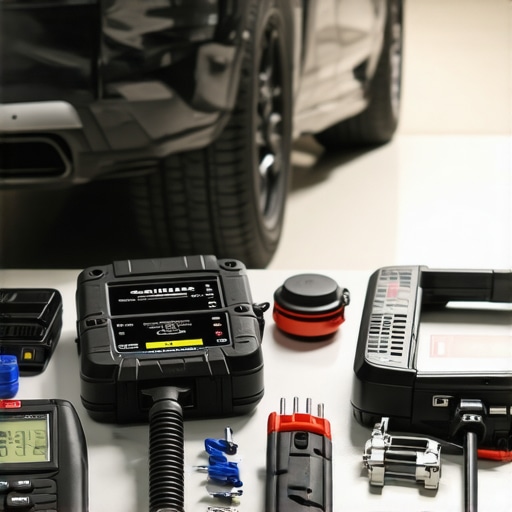
Maintaining Sensors and Electronic Components
Transmission sensors and wiring harnesses are like the nervous system of your vehicle. To maintain their health, I use a digital multimeter to test continuity and voltage, ensuring connections are stable. If I detect erratic sensor readings, I replace the sensors with OEM parts, which I source from trusted suppliers—avoiding cheap knock-offs that can lead to inconsistent performance. Regular inspection of wiring harnesses for brittle or corroded connectors is also crucial. In the future, I predict that automotive diagnostic AI will become more accessible, enabling even DIY enthusiasts to perform complex electronic diagnostics with ease.
Strategies for Tool-Driven Long-Term Performance
Beyond just the tools themselves, adopting a routine maintenance schedule—anchored by scheduled fluid changes and sensor checks—can greatly extend transmission lifespan. For those who prefer a proactive approach, programs like software-based shifting logic resets (see this guide) are invaluable for preventing issues before they develop. Investing in quality tools might seem costly upfront, but they pay dividends by catching problems early, avoiding major repairs, and maintaining vehicle reliability over the years.
How do I keep my transmission functioning smoothly over time?
Focus on regular diagnostics, fluid maintenance, and sensor health. Utilizing advanced tools, like the ones I trust, combined with scheduled service routines, ensures your transmission remains responsive and resilient. Remember, addressing issues early with proper tools can save hundreds on repairs and extend your vehicle’s life. For example, performing a quick mount swap or sensor calibration at home can make a noticeable difference. Don’t wait for symptoms—stay ahead with the right equipment and routine checks.
The Unexpected Lessons That Changed My Repair Approach
One of the biggest insights I gained was the importance of not dismissing issues that only appear when your vehicle is warm. I used to ignore slight hesitation during warm-up, thinking it was normal, but I now realize it’s often an early warning sign of deeper problems like faulty solenoids or degraded fluid. This taught me the value of proactive diagnostics rather than reactive fixes.
Another lesson was understanding that simple resets can sometimes solve what seems like a complex problem. Before jumping into costly replacements, I tried a quick transmission logic reset—something I found here—and noticed immediate improvements. This highlighted the importance of exploring software-based fixes first.
I also learned that maintaining proper fluid levels and quality isn’t just routine—it’s critical for preventing heat-related issues. Regular fluid checks, as I detailed here, became a cornerstone of my preventive strategy, saving me from costly repairs down the line.
My Essential Toolbox for Reliable Transmission Care
Over the years, I’ve come to trust certain tools and resources that make diagnosing and fixing hot-weather transmission issues more manageable. A high-quality automotive scanner, like the Autel MaxiSYS, is indispensable for reading sensor errors and ECU data, especially when dealing with elusive heat-induced faults. Its comprehensive diagnostics help me pinpoint problems rapidly.
For physical repairs, a solid set of mechanic’s hand tools—especially torque wrenches and precision screwdrivers—are vital. They allow me to perform sensor replacements or linkage adjustments confidently, ensuring I don’t inadvertently cause further issues. I also rely on detailed guides, like those available here, which walk me through specific procedures step-by-step.
Lastly, I emphasize the importance of trusted sources for parts and information. Using OEM parts and technical documentation ensures my repairs last and that I understand each fix’s underlying mechanics, making me more effective and confident in my DIY efforts.
Keep Your Transmission Running Smoothly—Your Future Self Will Thank You
Don’t wait for the next heatwave or mysterious shudder to take action. By embracing proactive maintenance, leveraging the right tools, and staying curious about your vehicle’s signals, you set yourself up for a smoother, more reliable ride. Remember, understanding the complex dance of sensors, fluids, and mechanical parts is key to avoiding unnecessary repairs and enjoying peace of mind on the road. What’s the one hot-weather transmission fix you’re eager to try first? Share your thoughts below!
Comments are closed.