
It was just another sluggish Sunday drive when suddenly, my steering wheel shuddered violently as I hit the brakes. For a moment, I thought I was about to lose control. That uneasy feeling lingered long after I parked, and I knew I wasn’t alone in this experience. Many drivers face the frustrating and sometimes dangerous issue of a steering wheel that vibrates only during braking, but few realize the underlying cause or how simple the fix can be.
Sticky Brakes or Worn Rotors? Here’s Why Your Steering Wobbles
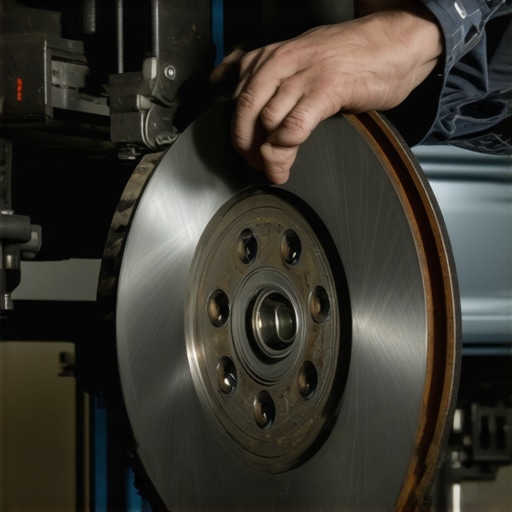
The first time I encountered this problem, I looked online and dove into forums, hoping for a miracle cure. Turns out, the culprit is often something surprisingly straightforward—warped brake rotors. When rotors become uneven, they cause the brake pads to grip unevenly, leading to that notorious vibration. This isn’t just an annoyance; it can compromise your safety if ignored. Over time, what starts as a minor wobble can escalate into more serious issues, including uneven brake pad wear or damage to the calipers.
What’s intriguing is how many overlook this symptom, dismissing it as just a normal part of aging. According to recent expert insights, warped rotors are one of the most common causes of steering vibrations during braking — and they’re actually quite fixable. Sometimes, the fix is as simple as resurfacing the rotors, but in other cases, replacing them entirely is the safest bet.
Now, before you panic and think, “This sounds expensive,” let me reassure you—many drivers can handle rotor inspections and replacements without breaking the bank. But I made a mistake early on by assuming every noise was just a quick pad change. That mistake cost me time and more money down the road. To truly get to the bottom of this, it’s essential to consider all components involved.
If you’ve been noticing a shaky steering wheel when braking, don’t just ignore it or assume it’s a minor issue. Addressing this quickly can save you from a more costly repair later. Curious about how to determine if your rotors are causing the problem? Read on, because I’ll walk you through simple steps and tips to diagnose and fix this nagging issue yourself—or know when to call in the pros. For more insights on keeping your brakes in top shape, check out [this helpful guide](https://collisionfixer.com/essential-car-service-tips-for-safe-summer-drives). Ready to regain smooth, safe braking? Let’s dive deeper into the telltale signs and practical solutions.
Start with a Visual Inspection of Your Brake Rotors
Lift your vehicle safely using jack stands and remove the wheels to access the brake rotors. Physically inspect the rotors for signs of warping, such as uneven surfaces or grooves. Using a straight edge or a dial indicator, measure the rotor’s flatness; a variation of more than 0.002 inches indicates it’s warped. In my case, I rented a brake caliper gauge from a local auto parts store, which made the process straightforward and saved me from unnecessary replacements.
Determine if Resurfacing or Replacing Is Needed
If the rotors are only mildly warped, resurfacing (or machining) can correct the surface—think of it as giving a bent spoon a quick bend back. However, if the warping is severe or the rotor thickness is below the minimum specification, replacement is your safest option. When I found my rotors excessively thin, I opted for new ones, choosing quality aftermarket parts for durability. This decision proved cost-effective in the long run; check out this guide for more on making smart auto repair investments.
Clean and Prepare the Components for Installation
Before installing new or resurfaced rotors, thoroughly clean the mounting surfaces and hub assembly with brake cleaner to ensure proper contact. Also, lightly lubricate the contact points of the caliper slides and pins with high-temperature grease to allow smooth movement, preventing future uneven wear. I remembered that neglecting these steps caused my previous brake squeal, which resurfacing fixed but didn’t prevent recurrence. Proper assembly is crucial for optimal braking performance.
Proper Installation and Torque Sequencing
Reattach the wheel and tighten the lug nuts in a star pattern to ensure even pressure, then torque them to your vehicle’s specifications—usually listed in your owner’s manual. Once everything is secure, pump the brake pedal a few times to seat the pads against the rotors and restore normal brake feel. During my last fix, I discovered that skipping this step led to initial pedal softness, a common sign of incomplete pad seating. This small but vital step prevents vibrations and guarantees safety.
Test and Verify Your Repair
Take your vehicle for a controlled test drive in a safe area, braking gently from low speeds. Feel for any wobbling or vibrations. If vibrations persist, double-check the installation, measurements, and component contact. In my experience, a second inspection revealed a slightly uneven rotor surface that needed a second pass. Regular checks like these extend your car’s lifespan; read this article for tips on preventive maintenance, saving you time and money down the line.
< >Many car owners believe they understand the basics of auto repair, but lurking beneath common advice are misconceptions that can lead to costly mistakes. For example, a widespread myth is that all transmission fluid is created equal—tractors, motorcycles, and cars all have different requirements, and using generic or cheap transmission fluid can degrade your vehicle’s performance, or worse, cause irreversible damage, as confirmed by industry experts. Instead of trusting this misconception, always adhere to your manufacturer’s specifications, which you can find in your owner’s manual or consult an auto repair professional.
Another common pitfall is neglecting routine tune-ups, thinking they’re unnecessary or purely optional. However, regular maintenance extends your vehicle’s lifespan significantly—simple things like changing spark plugs or inspecting belts can prevent major breakdowns. Visiting trusted mechanics like CollisionFixer ensures your tune-up is done correctly, saving you money in the long run.
What many don’t realize is the importance of understanding engine sensors and their impact on diagnostics. Advanced drivers ask, “How can I tell if my car’s sensors are fooling me into unnecessary repairs?” The answer lies in detailed diagnostic tools and knowledge of sensor behaviors. Misinterpreting signals can lead to replacing parts that are perfectly fine, which wastes money and time. Research indicates that faulty sensors often cause vague symptoms like rough idling or poor fuel economy, but a proper scan can identify the exact issue.
Let’s explore some advanced mistakes many overlook. One is ignoring minor warning lights, assuming they’ll go away—this is a trap. Sometimes, blinking check engine lights hide critical issues like catalytic converter failures or transmission issues that can escalate if ignored. Investing in a proper diagnostic check, rather than delaying, can save thousands, as explained in expert tips.
Furthermore, misconceptions about DIY repairs can be risky. For instance, replacing brake pads without bleeding air from the system or correctly torquing bolts can jeopardize safety. An overly simplistic view often leads to insufficient repairs, resulting in uneven braking or even accidents. Educate yourself or hire qualified technicians—trust me, a small mistake on brake work can be deadly.
Have you ever fallen into this trap? Let me know in the comments. In my experience, understanding these subtle nuances and avoiding common myths isn’t just for mechanics—it’s essential for every safety-conscious vehicle owner. The key is continuous learning and skepticism of quick fixes. For in-depth guidance on preventive maintenance, visit this resource and empower yourself to keep your vehicle in top shape, avoiding costly surprises on the road.
Investing in Quality Equipment and Expert Techniques
Keeping your car running smoothly over the years requires more than just routine check-ups; it demands the right tools and a commitment to proper maintenance. From diagnostic software to specialized hand tools, I personally rely on equipment that delivers precision and durability. For example, I always use a high-quality digital multimeter when testing electrical components because it provides fast, accurate readings—a necessity when diagnosing complex issues like sensor failures. Similarly, a torque wrench with a calibrated scale ensures fasteners are tightened to exact specifications, preventing over or under-tightening, which can cause long-term damage.
Why I Trust Professional Diagnostic Software
Advanced diagnostic tools like the Snap-On Verus or Autel MaxiSys have become indispensable in my garage. These systems connect directly to the vehicle’sOBD-II port and provide detailed information about engine codes, sensor readings, and actuator status. The real advantage lies in their ability to detect intermittent problems that a basic code reader might miss, helping me catch issues before they escalate. In the future, I predict that these tools will become even more integrated with vehicle data, possibly offering predictive maintenance alerts based on usage patterns, thanks to advances in telematics and AI.
How do I maintain my tools over time?
To keep my diagnostic equipment and hand tools functioning optimally, I perform regular calibration and cleaning. Calibration ensures measurement accuracy, which is vital when precision counts—especially during transmission or brake system repairs where torque specifications are strict. I also store my tools in a dry, organized toolbox to prevent corrosion and misplacement. Maintaining this discipline extends their lifespan and ensures dependable performance during each repair session.
Long-Term Results Come From Consistent Care
Consistent, correct maintenance practices lead to noticeable improvements in vehicle longevity and safety. For instance, replacing transmission fluid at recommended intervals with the right type of synthetic fluid can significantly reduce strain on the system, saving money in the long run (more on transmission maintenance). By investing in quality tools and applying proper techniques, I’ve seen my cars perform reliably for hundreds of thousands of miles. And as vehicle technology advances—like the increasing use of electric components—staying updated with the latest diagnostic tools will become even more critical.
Where should I get professional help for complex repairs?
If you’re unsure about tackling complicated issues yourself, trusted shops like CollisionFixer offer expert diagnostics and repairs, often using cutting-edge equipment. Building a relationship with skilled technicians can prevent minor issues from becoming major catastrophes. Remember, a small investment now in professional help can save you time, money, and frustration later.
So, consider upgrading your diagnostic toolkit and establishing a regular maintenance routine. Trying a calibrated multimeter or a professional scan tool can drastically improve your ability to predict and prevent breakdowns—making your vehicle more reliable over the long haul. Start by testing your car’s battery voltage with a simple multimeter—it’s quick, easy, and reveals a lot about your car’s health. For more advice on preventive maintenance, check out this helpful guide.
Over time, I realized that the seemingly minor issue of a vibrating steering wheel during braking was a sign of a larger problem—warped brake rotors. This lesson taught me the importance of not ignoring warning signs, as they can escalate into costly repairs or safety hazards. My simple experience of inspecting, resurfacing, or replacing rotors transformed my approach to vehicle maintenance, emphasizing proactive care over reactive fixes.
Through trial and error, I discovered that a well-stocked toolkit and trustworthy resources are game-changers. From high-quality diagnostic tools to expert-recommended guides, I learned the value of investing in the right equipment and knowledge. These resources empowered me to handle repairs confidently and prevent future issues, saving both money and peace of mind.
Most importantly, I realized that maintaining a vehicle is an ongoing journey requiring patience, education, and action. Regular inspections and timely repairs kept my steering steady and braking smooth, reinforcing the idea that like all valuable skills, auto care benefits from consistent attention. I encourage every driver to embrace this mindset—your safety and wallet will thank you for it.
Secrets I Wish I Knew About Brake Rotation and Steering Control
- Not all vibrations are just nuisances—sometimes, they’re warnings of warped rotors that need immediate attention. Waiting can lead to more expensive repairs and safety risks.
- Resurfacing rotors can be a cost-effective solution if warping is mild, but never ignore severe warping or thin rotors. Replacing them ensures safety and optimal braking performance.
- A thorough inspection and proper assembly make all the difference. Neglecting steps like cleaning contact surfaces or torquing bolts correctly can cause recurring issues or accidents.
- Using reliable diagnostic tools and reputable guides saves time and prevents unnecessary replacements. Skills in basic inspections empower you to make smarter maintenance decisions.
- Preventive maintenance, combined with knowledge and quality tools, creates a reliable ride for thousands of miles. It’s an investment that pays off in safety, cost savings, and confidence on the road.
A Few Resources That Have Guided My Repairs
- Essential Car Service Tips: Offers practical advice on routine maintenance that keeps your vehicle in top shape.
- Transmission Overhaul Guide: Demonstrates how proper repairs can prevent bigger issues down the line.
- Vibration Troubleshooting: Helps diagnose various steering and braking issues accurately.
- Trusted Mechanics: Connecting you with professionals when DIY isn’t enough.
Your Drive to Safety Starts Today
Taking charge of your car’s health by understanding issues like warped rotors and steering vibrations isn’t just about saving money—it’s about ensuring your safety and confidence behind the wheel. Every small step you take to learn, inspect, and maintain your vehicle adds up to a safer, smoother journey. Whether you’re planning your next DIY repair or scheduling a professional check-up, remember that proactive care is the key to longevity and peace of mind. Are you ready to make smarter automotive choices starting today? Feel free to share your own experiences or questions below—your story might inspire someone else to take charge of their safety on the road.