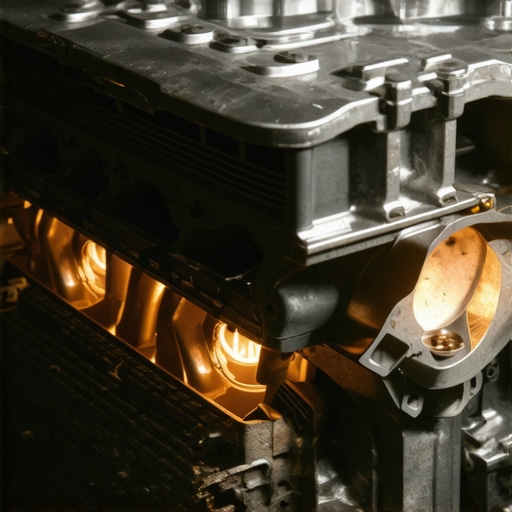
One morning, I hop into my car, ready to tackle the day’s errands, only to be greeted by a bizarre, sweet aroma—like I’ve just walked into a pancake breakfast. At first, I thought maybe I left the syrup bottle open in the fridge, but the smell was coming from my engine bay. That was a lightbulb moment: something was seriously off. If you’ve ever experienced this peculiar smell, you’re not alone, and it can be disconcerting. The good news? There’s often a straightforward fix.
Understanding the Sweet Odor in Your Engine
Could It Be a Fluid Leak? Maybe, But Not Always
In my early days of auto repair, I made the mistake of ignoring minor smells, thinking they were just temporary or harmless. Turns out, that was a costly oversight. The sweet scent often indicates a coolant leak or a transmission fluid issue, which can be more serious than a simple smell. When coolant leaks onto hot engine parts, it releases a sweet vapor—in essence, your vehicle’s way of signaling trouble. (Did you know that engine coolant is formulated with ethylene glycol, which has a distinct sweet aroma?)
To avoid this common mistake, always check for visible leaks and inspect your coolant levels regularly. Addressing leaks early can prevent costly repairs down the line. If you want to learn more about safeguarding your engine, I recommend reading about how transmission overhauls can save you money over time.
What We’ll Cover Next
In this post, I’ll walk you through the main causes of that syrupy smell, how to identify the source, and the simple steps to get your engine back to smelling normal—and running safely. Don’t let that sweet smell turn into a sour situation. Ready to get your car smelling fresh again? Let’s dive into the nitty-gritty of diagnosing and fixing this odd—but fixable—problem.
Start with a Visual Inspection of Fluid Leaks
Pop the hood and look for puddles or stains, especially around the radiator and transmission. I once found translucent, sweet-smelling fluid pooling near the radiator support, indicating a coolant leak. Comparing the leak to a sugar syrup can help you recognize it quickly. Use a flashlight if needed, and check for wet spots or puddles after driving. Detecting leaks early prevents more serious damage and keeps your engine running smoothly.
Check Coolant and Transmission Fluid Levels Today
Pull out the dipsticks and assess fluid levels. An engine coolant that’s low but suddenly smelling sweeter often suggests a leak in the radiator or hoses. Use a clean rag to wipe the dipstick before re-inserting it to get an accurate reading. If levels are below the recommended mark, top up with the correct type of coolant or transmission fluid. But beware—if you have to top up frequently, a leak likely exists that needs immediate attention.
Inspect Hoses and Clamps for Damage or Looseness
Look for cracked, swollen, or brittle hoses. I once replaced a worn radiator hose after noticing it felt hard and cracked, which caused coolant to evaporate onto hot engine components. Tighten any loose clamps that might be allowing leaks to develop. Replacing damaged hoses prevents leaks and the offending sweet smell. Regular hose inspection can save your engine from overheating and costly repairs later.
Identify Ethylene Glycol and Its Distinctive Odor
Accept it—coolant has that unmistakable sweet aroma. To confirm, waft a small amount of fluid near the engine with a cloth—if it smells like candy or syrup, that’s your coolant. Capture a sample in a clear container if necessary and compare it to a reference image online. Recognizing this scent quickly helps you trace the leak’s source without guesswork.
Tackle Small Leaks Before They Escalate
Use a coolant leak sealant as a temporary fix to buy time while scheduling a permanent repair. I applied a commercial sealant to a minor radiator crack—worked like a charm until I could replace the hose for good. Remember, sealants are only short-term; a professional inspection and repair are essential to prevent engine damage.
Consider When Fueling Is the Culprit
Rarely, the smell could originate from spilled fuel or a faulty fuel system. Check your fuel cap for tightness or cracks. A loose cap can cause fuel vapors to escape, mimicking the sweet smell. If you suspect fuel leaks, consult a mechanic immediately—fuel vapors are flammable and dangerous.
Diagnose Transmission Fluid Odors
Transmission fluid with a sweet scent points to overheating or a leak in your gearbox. If shifting becomes sluggish or you notice slipping, get your transmission checked. Experts recommend a transmission overhaul if fluids are contaminated or the system is failing. Regular maintenance extends the lifespan of your transmission and keeps it smelling fresh.
Inspect for External Sources of Sweet Smells
Sometimes, spilled syrup or sugary drinks inside the car’s interior can cause the odor to seep into the ventilation system. Clean the carpets and upholstery thoroughly, especially if you’ve recently had kids or passengers with sweet snacks. Use a deodorizer designed for car interiors to eliminate lingering odors.
Schedule Professional Diagnosis When Unsure
If after all these steps the smell persists, don’t risk further damage. Visit a trusted mechanic who can perform a smoke test or pressure test to find hidden leaks. Expert diagnosis can reveal problems that aren’t obvious to the untrained eye, saving you money and stress in the long run. For professional help, contact us any time.
Many car owners believe that a straightforward tune-up or simple transmission service can solve all issues, but in my experience, there are often misconceptions that lead to costly mistakes. One prevalent myth is that every engine misfire or transmission hesitation is caused by a worn-out part that needs replacement, when sometimes the real culprit is a minor calibration issue or outdated software. Advanced diagnostics and understanding the intricate workings of modern vehicles are essential to avoid unnecessary repairs. According to automotive experts, relying solely on routine maintenance without addressing the vehicle’s evolving electronic systems can lead to performance degradation over time. For example, some transmission problems are actually linked to sensors or control modules, rather than mechanical failure, making a diagnostic scan vital before planning any overhaul.
Why Do So Many Auto Repairs Fail to Address the Root Cause?
It’s common to see drivers get duped by quick fixes that don’t hold up—like adding fuel additives to mask issues or replacing parts based on guesswork. This approach not only wastes money but might worsen the problem. A specific warning sign is when a garage pushes a transmission rebuild without first checking the diagnostic data. Overlooking optical sensors or software glitches is a huge oops that can lead to repeated breakdowns. Be wary of shops that focus solely on parts replacement rather than comprehensive analysis. Remember, many modern autos are more like computers on wheels, where software updates and sensor calibration are as crucial as mechanical repairs.
How to Spot a Skilled Technician Who Knows the Nuances
A true expert in auto repair will go beyond the obvious symptoms and ask about driving habits, recent repairs, and even software versions installed in your vehicle. They perform thorough inspections, including software diagnostics and sensor checks, to identify hidden issues. Avoid mechanics who jump straight to replacements or cut corners—these shortcuts often lead to remanufactured problems and higher costs. Understanding the nuances of your specific vehicle make and model, especially if it’s a newer car with electronic controls, will save you money in the long run. Remember, regular tune-ups are vital not just for performance, but for diagnosing and preventing complex issues before they escalate.
Have you ever fallen into this trap? Let me know in the comments. Staying informed about these hidden nuances helps ensure your vehicle remains reliable and safe on the road, making professional, detailed auto care worth every penny.
Prioritize Precision in Maintenance
To ensure your vehicle remains reliable and performs optimally, investing in the right tools is essential. I personally rely on a high-quality digital multimeter, like the Fluke 115, for diagnosing electrical issues—its accuracy helps me identify faulty sensors or wiring harness problems before they cause major damage. Additionally, a professional-grade scan tool such as the AutoEnginuity Scan Tool allows me to access the full suite of diagnostic trouble codes and real-time sensor data, which is invaluable when troubleshooting complex problems like transmission hesitations. Regular use of these tools not only speeds up diagnosis but also shortens repair times, saving you money in the long run.
Advanced Software Keeps Your Vehicle Aligned
Modern cars are increasingly reliant on electronic systems. Up-to-date software diagnostics can reveal hidden issues that traditional tools might miss. For instance, performing ECU reprogramming or calibrating sensors with manufacturer’s software can improve fuel efficiency and transmission smoothness, extending the lifespan of critical components. To stay ahead, I recommend subscribing to manufacturer-specific diagnostic software, like Techstream for Toyota or IDS for Ford, which continually receive updates and ensure you’re equipped to handle the latest models effectively. By doing so, you reduce the risk of drivability problems caused by outdated software or miscalibrated sensors, a common pitfall in DIY maintenance.
Consistent Inspection Supports Long-Term Success
Routine inspections using infrared thermometers and pressure testers can prevent small issues from escalating. For example, regularly checking your radiator cap’s sealing surface with a magnifying glass or a dedicated cap tester can help catch leaks early—before they cause overheating or engine damage. The key here is consistency; scheduling quarterly checks ensures you spot wear-and-tear early and address problems with minimal expense. Remember, preventative care through these tools can save hundreds or even thousands of dollars compared to waiting until a breakdown occurs.
Where Do I Keep My Focus and How Do I Maintain It?
Keeping your vehicle in top shape over time involves not just tools but also proper mental check-ins. Regularly reviewing your maintenance schedule and cross-referencing it with your vehicle’s owner manual helps you catch potential issues early. Incorporating advanced diagnostics periodically—like a full system scan before long trips—can highlight issues that have yet to manifest as symptoms. With technology evolving rapidly, I predict a shift toward integrated diagnostic systems that seamlessly sync with your smartphone, providing real-time alerts and reminders. Staying informed and proactive is the best way to ensure your investment lasts.
If you’re new to these advanced tools, I suggest starting with a reliable scan tool combined with a comprehensive diagnostic guide. For example, leveraging a scan tool to perform a pressure test on your cooling system can reveal hidden leaks. Why not give it a try during your next maintenance session? It’s an easy, impactful step toward ensuring your vehicle keeps running smoothly for miles to come.
To learn more about extending your car’s lifespan through diligent maintenance, check out this guide. Regular diagnostics and prompt repairs are your best allies in long-term auto care.

The Hardest Lesson I Learned About Tune-Ups and Auto Repairs
Sometimes, the most unexpected symptoms—like a sweet smell—can reveal underlying issues that simple maintenance won’t fix. I used to underestimate the significance of these odors, thinking they were minor inconveniences. But experience taught me that listening carefully to these signals can save substantial time and money in the long run.
My Eye-Opening Discoveries About Modern Car Diagnostics
Relying solely on routine checks or guesswork can lead you down costly wrong paths. I once replaced parts based on symptoms alone, ignoring the possibility of sensor or software glitches. It wasn’t until I embraced advanced diagnostics—like scanning tools and software updates—that I truly understood how intricate modern vehicles are. These insights can prevent unnecessary overhaul repairs, keeping you ahead of potential breakdowns.
What I Wish I Knew Before Falling for Quick Fix Myths
There’s a lot of misinformation out there suggesting quick fixes are enough. I believed that topping off coolant or sealing small leaks could resolve persistent smells. However, these are just short-term solutions. The real lesson is recognizing when a leak signals deeper problems—like failing gaskets or cracked hoses—that need professional attention. This knowledge changed how I approach maintenance, focusing on root causes rather than temporary patches.
Curated Resources That Transformed My Auto Repair Approach
For anyone serious about understanding their vehicle’s needs, I recommend tools like the transmission overhaul guide. It highlights how comprehensive repairs can extend your car’s lifespan and save money over time. Additionally, books like “Auto Repair for Dummies” provide valuable foundational knowledge, making complex concepts accessible. Lastly, trusted diagnostic software like the manufacturer-specific tools ensures your vehicle receives tailored care, avoiding generic fixes.
Let Your Next Step Be Driven by Confidence and Care
Understanding the nuances of auto repair, especially when dealing with strange odors, empowers you to maintain your vehicle efficiently. Remember, proactive diagnosis and professional diagnostics can turn frustrating surprises into opportunities for better car longevity. Now’s the perfect time to take charge—your vehicle will thank you for it. Have you ever struggled to identify the source of a weird smell or symptom in your car? Share your experiences below, and let’s learn together!