
I remember the first time I heard that high-pitched whine coming from my car while twisting the steering wheel. It was late in the evening, and I was exhausted after a long day. Suddenly, that annoying squeal made me pause and wonder if my vehicle was crying out for help. I felt a twinge of anxiety—was this a sign of something serious? It turns out, a whine when turning the steering can be more common than you think, and it often points to a problem lurking in your car’s steering system. But here’s the good news: with a little know-how, you can identify and fix the issue before it turns into a costly repair.
What Causes That Whining Noise in Your Car?
Steering wheel noises aren’t just an irritation; they can also be early warning signs of underlying problems. Often, that squeal or whine happens because the power steering system is struggling, either due to low fluid levels, worn-out components, or belt issues. For example, if your power steering fluid is low, the pump has to work harder, creating a whining sound. Similarly, if the belt that drives the pump is loose, cracked, or slipping, it can produce that unmistakable squeal every time you turn the wheel. Sometimes, worn-out steering racks or bushes may also contribute to this noise, especially as they begin to fail.
In my own experience, early on, I made a common mistake: ignoring that strange sound, thinking it was just a minor squeak that would go away. That was a mistake. Over time, the whine grew louder, and my steering felt less responsive. When I finally checked, I discovered that I’d run out of power steering fluid because I’d neglected regular maintenance. According to automotive experts, untreated issues can lead to tougher steering or even damage to the pump itself, which can be expensive to repair. It’s wise to catch these signs early. For more detailed insights on detecting when your car needs professional attention, take a look at this helpful guide on [top signs your car needs expert auto repair now](https://collisionfixer.com/top-signs-your-car-needs-expert-auto-repair-now).
Is This Whining Problem Actually Worth the Hype?
Many folks brush off steering noises as normal or insignificant, especially if the car seems to drive fine otherwise. But let me tell you, that’s a mistake I made early on. Ignoring the sound meant I was risking more costly repairs. Small issues like low fluid or a loose belt can be quickly fixed, saving you money and preventing breakdowns. If you’re asking whether this whine matters, my answer is — absolutely. This sound isn’t just an annoyance; it’s your car’s way of signaling that something needs your attention. The key is understanding how to interpret that noise before it turns into a breakdown.
In fact, early detection can often be simple and inexpensive, provided you’re aware of what to look for. And if you’ve faced this problem yourself, you know how frustrating it can be to feel that unsteady pull or hear that relentless whine. From my personal experience, the biggest lesson is not to dismiss these sounds—they’re your car’s way of talking. Now, let’s explore the common causes and the first steps you can take to silence that annoying whine and keep your steering smooth and responsive.
Check Your Power Steering Fluid First
My personal experience taught me to start here: open the hood, locate the power steering fluid reservoir, and inspect the level. If it’s low, topping it up might silence that whine instantly. Use the recommended type of fluid, which you can find in your vehicle’s manual or by asking your mechanic. Refill carefully to avoid overfilling, then test drive to see if the noise persists.
Inspect the Drive Belt for Wear and Tension
Think of the belt as the engine’s heartbeat—it drives the power steering pump, alternating between tension and slippage. To check it, visually examine the belt for cracks, fraying, or glazing. Give it a gentle press; if it feels loose or cracks appear, it’s time to replace or tighten it. I replaced mine following a simple DIY tutorial, which eliminated the squealing noise and restored smooth steering.
Assess the Power Steering Pump
If fluid levels are adequate and belts are in good shape, the pump might be the culprit. Listen for a whining sound directly from the pump when you turn the steering wheel. Sometimes, a clogged or failing pump needs cleaning or replacement. In my case, I used a can of power steering pump cleaner, which momentarily improved performance. However, if the noise persists, consulting a mechanic for potential pump replacement is advisable.
Examine for Leaks or Contamination
Leaks not only lower fluid but can introduce dirt, causing pump strain. Look for puddles beneath your vehicle or around hoses. Also, check the fluid’s color; dark or gritty fluid indicates contamination. Flushing and replacing the fluid can resolve issues caused by debris, much like cleaning grime off your bike chain to restore smooth movement.
Consider the Steering Rack and Linkages
If all else checks out, the problem may lie within the steering rack or the tie rods. These parts often wear over time, leading to noises and loose steering. I once had a loose tie rod, which, when tightened, stopped the whine and improved steering feel. This step might require professional tools and expertise, so don’t hesitate to seek help if you suspect this is the cause.
Apply a Smoke Test for Vacuum or Leak Detection
If the noise happens mainly during sharp turns and nothing else seems off, a smoke test can reveal unseen leaks in hoses or seals. This advanced check involves pressurizing the system with smoke, which pools at leak points, making them visible. While I skipped this step due to time, professional mechanics often use it to pinpoint stubborn issues that cause steering noises.
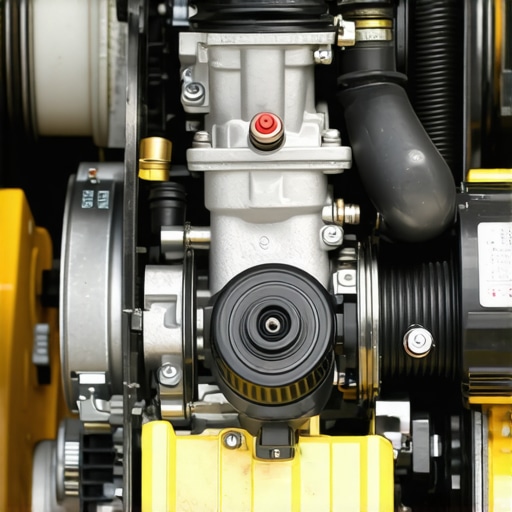
Visual guide showing the location of power steering components in a typical vehicle engine bay.
When it comes to auto repair, many car owners rely on misconceptions that often lead to costly mistakes. One widespread myth is that regular tune-ups are unnecessary if the car runs fine. However, experts emphasize that proactive maintenance can prevent major issues and extend vehicle lifespan, as detailed in [this comprehensive guide](https://collisionfixer.com/maximize-your-cars-lifespan-with-regular-tune-ups). Another misconception is that transmission overhauls are always expensive and avoidable. In reality, timely servicing and addressing minor problems can make overhauls more affordable, something explained in [this article](https://collisionfixer.com/how-transmission-overhauls-save-you-money-in-the-long-run).
Tools I Trust for Keeping My Car in Top Shape
Maintaining a vehicle over the years requires more than just routine check-ups; it demands the right equipment and a disciplined approach. My personal toolkit has evolved into a set of reliable, high-quality tools that enable me to perform everything from simple tune-ups to more complex transmission repairs. One essential item I always keep handy is a digital multimeter. It allows me to diagnose battery issues or wiring faults precisely. I prefer the Fluke 115 Multimeter because of its accuracy and durability, which are vital when troubleshooting critical systems. Testing your battery with a multimeter can prevent unexpected breakdowns, and doing it regularly ensures your electrical system remains reliable.
Another must-have is a quality set of socket wrenches and ratchets. I rely on a ½-inch Drive Ratchet Set with deep sockets for its versatility and strength. This allows me to handle stubborn bolts, whether I’m replacing brake pads or tightening suspension components. Investing in a magnetic collection tray keeps fasteners organized—particularly helpful when working on intricate parts like the transmission. Proper organization is key to avoiding lost parts and ensuring a smooth reassembly process.
Predicting Innovations in Automotive Maintenance Tools
Looking ahead, the integration of digital diagnostic tools with smartphone apps suggests a future where car owners might perform advanced diagnostics without expensive shop visits. Portable OBD-II scanners combined with AI-driven apps can offer real-time insights into engine health and even suggest immediate repairs. This trend will empower DIY enthusiasts and extends the lifespan of vehicles with early detection, ultimately saving money and reducing waste. Companies are already developing tools that connect seamlessly with cloud services, making vehicle health data transferable and easy to monitor over time.
How do I keep my tools in tip-top shape for long-term use?
Proper maintenance of your automotive tools is just as crucial as their selection. Regularly clean tools to remove dirt and grime, especially after working in dirty environments. Lubricate moving parts like ratchets and hinges with light machine oil to prevent rust and ensure smooth operation. Store everything in a dedicated toolbox, ideally with labeled compartments, to keep tools organized and accessible. Furthermore, periodically inspecting electrical testing devices for calibration accuracy ensures reliable diagnostics. Following these steps will extend the lifespan of your equipment and maintain their effectiveness for years to come.
For example, maintaining your transmission tools involves checking the calibration of any electronic diagnostic equipment used during overhauls, as detailed in this comprehensive guide. Remember, the right tools coupled with proper maintenance can significantly streamline your repair projects and improve safety.
If you’re ready to take your auto repair skills further, try calibrating your multimeter regularly or investing in a high-quality set of sockets. These small steps will give you confidence and precision whenever tackling complex jobs like rebuilding a transmission or performing detailed tune-ups. With the right tools and maintenance routines, your vehicle will reward you with reliable performance and longer service life.
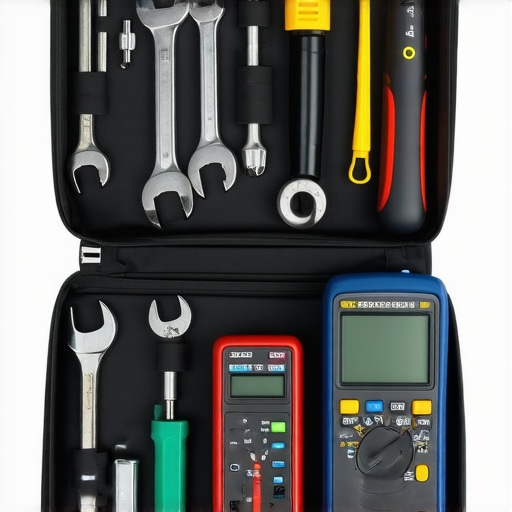
Close-up image of a professional mechanic’s toolbox with organized wrenches, multimeter, and diagnostic scanner.
What No One Tells You About Steering Whines and My Wake-Up Call
Discovering the root of that annoying squeal was a game-changer for me—it’s not just about silence but preserving the integrity of your vehicle. The first lesson I learned?
- Don’t ignore the early signs: That faint whining could escalate into expensive repairs if left unaddressed.
- The power of routine inspections: Regularly checking your fluid levels and belts can save you a lot of headaches down the road.
- When in doubt, consult professionals: Some issues require expert tools and expertise—don’t hesitate to seek help before it’s too late.
- Invest in quality tools: Proper diagnostic equipment not only saves money but also boosts your confidence in DIY repairs.
- Stay curious and proactive: Continuous learning about your vehicle’s systems can turn car maintenance from a chore into a rewarding habit.
Tools and Resources That Elevated My Auto Care Game
Over the years, I found that having the right tools makes all the difference. Here are a few that I swear by:
- A reliable multimeter—essential for electrical troubleshooting and ensuring your car’s electrical system is healthy.
- A quality socket and ratchet set—makes replacing belts or tightening connections straightforward.
- An OBD-II scanner—to quickly identify hidden issues and prevent minor problems from becoming major ones.
- Routine maintenance guides—like the ones on CollisionFixer—keep you informed and proactive in your car care journey.
Your Next Step Towards Confident Car Care
Taking control of your vehicle’s health by understanding signs like steering whine and knowing how to address them can save you money and extend your car’s lifespan. I encourage you to dive deeper, use the right tools, and never shy away from seeking professional advice when needed. Your car is more than just transportation—it’s an investment, and caring for it wisely means better performance and peace of mind.
What small maintenance step have you neglected that made a big difference once you fixed it? Share your experiences below—I’d love to hear your story!