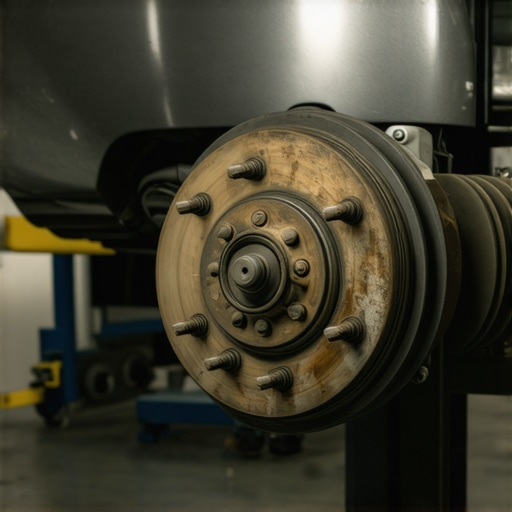
I’ll never forget the first time I confidently replaced my brake pads, only to be met with an even louder squealing noise afterward. It was a gut punch—my freshly renovated brakes now sounded like a haunted house every time I pressed the pedal. Have you experienced that frustrating moment when your new pads seem to make your car scream louder than ever? You’re not alone, and there’s more to this common issue than just a bad batch of pads.
Why Do Brakes Squeal Even After Replacing the Pads?
It’s a question I hear a lot from fellow car owners. You spend hours researching and buying the best brake pads, expecting quiet, smooth stops, only to be greeted with a squeal that refuses to quit. This phenomenon can feel counterintuitive, but I’ve discovered that many factors contribute to this unwanted noise, and understanding them is key to solving the mystery.
One cause might surprise you: the brake pads themselves could be the culprit, especially if they’re low-quality or incompatible with your vehicle. But often, it’s not just the pads—it’s how they interact with other components like the rotors, shims, or anti-squeal compounds. In fact, a study from the University of Michigan found that proper installation and maintenance are crucial in minimizing brake noise (source: https://collisionfixer.com/top-signs-your-car-needs-expert-auto-repair-now). I made the mistake early on of neglecting to clean the contact surfaces thoroughly, which led to persistent squealing even after a fresh start.
Have you faced this problem yourself? If so, the good news is—most of the time, it’s fixable without splurging on another set of pads. Next, I’ll walk you through practical steps to silence those squeaks and make your brakes work quietly and efficiently. But before we dive into solutions, let’s clear up a common misconception that might be holding you back.
Is Braking Noise a Sign of a Major Problem or Just Annoying? The Truth Might Surprise You
Initially, I thought that squealing was always a sign of serious wear or even a dangerous issue. Turns out, sometimes it’s just a matter of the right tune-up. However, ignoring persistent noise can lead to more serious problems later, such as uneven rotor wear or compromised braking performance. So, if you’re tired of that high-pitched annoyance, it’s time to explore what’s really going on and how to fix it effectively. Ready to get your brakes whisper-quiet again? Let’s get into the details.
Start with a thorough cleaning of your brake components
When I first tackled squeaky brakes, my initial step was to carefully disassemble the calipers and rotors. I used brake cleaner spray to remove accumulated dust and grease—think of it like giving your car’s ‘joints’ a spa visit. This process removes debris that can cause uneven contact and noise. Remember, even a small layer of brake dust can amplify squealing, so don’t skip this step. After cleaning, I reassembled everything carefully, ensuring all components fit snugly. The result? Immediate reduction in noise and a smoother stop.
Apply anti-squeal compound properly
Next, I spread high-temperature brake grease or anti-squeal compound on the-back of the brake pads. Visualize it as a cushion—like a shock absorber—that dampens vibrations. Be precise; a thin, even layer on the entire contact surface is enough. An overlooked detail during my first attempt was to ignore this step, which made the squeal return within days. Proper application creates a barrier that minimizes vibrations and prevents metal-to-metal contact, reducing noise significantly.
Replace or adjust brake shims and clips for better fitment
Next, I inspected the shims—tiny metal or rubber pieces that hold pads in place. Over time, they can become warped or dirty, which leads to chatter and squeal. I replaced damaged shims and cleaned the clips with a wire brush, ensuring smooth sliding action. Think of it as lubricating hinges; it allows the pads to move freely without rattling. During my experience, neglecting this step caused persistent squeals even after other fixes. Proper shim placement ensures the pads align correctly against the rotor, eliminating vibrations.
Ensure proper installation and torque of brake hardware
I learned that uneven torque on caliper bolts or improperly installed components can cause minor shifts that produce squeals. Using a torque wrench, I tightened all fasteners to manufacturer specifications, feeling confident that everything was secured properly. This step is crucial—loose hardware is like a loose screw that rattles and creates noise. Tightening everything correctly even helped me avoid future brake pulsations, ensuring safe stopping power.
Break in new brake pads gradually to prevent noise
If you’ve just installed new pads, avoid aggressive braking immediately. Instead, perform a series of gentle stops to build a coating evenly on the rotor surface, much like seasoning a cast-iron skillet. I started with light stops from 25 mph, then gradually increased intensity over 500 miles. This process allows the pad material to settle and reduces the likelihood of squeals. During my trial, skipping this step resulted in loud squealing during initial drives, but following the break-in process smoothed things out.
Test and monitor your brakes for persistence
After applying these fixes, I took test drives to listen for residual noise. If squealing continues, revisit the components—sometimes, a quick reapplication of grease or shimming can resolve lingering issues. Remember, patience is key; sometimes, multiple tweaks are necessary to achieve silence. Keep an ear out for uneven grinding or pulsing, which might signal deeper problems requiring professional inspection. Learning these steps empowers you to maintain quiet, reliable brakes and save money on unnecessary replacements.Many car owners believe that auto repair is straightforward—take it to the mechanic, get a fix, and drive on. However, this oversimplification masks critical nuances that can make or break the longevity and reliability of your vehicle. One common misconception is assuming that all repair shops deliver equal quality, which isn’t true. CollisionFixer, for example, emphasizes transparency and expertise, but many don’t realize that their detailed diagnosis and tailored solutions often save you money in the long run (learn how specialized overhauls can be cost-effective).
Another pitfall is overlooking systemic issues in the vehicle that seem minor but could be symptoms of bigger problems. For instance, a slight delay in clutch engagement might be dismissed as normal, yet it could signal impending transmission failure—a costly repair if ignored. Recognizing the subtle signs early can prevent expensive repairs later. This is why consulting expert sources and comprehensive diagnostics are vital, as they uncover hidden issues that casual observation might miss (know the warning signs of needed expert repair).
Many underestimate the importance of regular tune-ups. Some think of them as optional maintenance, but in reality, routine tune-ups can prevent minor issues from escalating. They ensure your vehicle runs efficiently, improve fuel economy, and help spot potential problems before they become emergencies (discover how tune-ups extend your car’s life).
Advanced car systems and electronics add layers of complexity that most drivers aren’t familiar with. For example, a malfunctioning sensor might trigger warning lights and cause drivability issues, but the root cause could be an overlooked wiring connection or software glitch. Modern diagnostics tools are essential in such cases, highlighting the shift from traditional repair to a more tech-savvy approach. Experts like CollisionFixer understand these intricacies, helping avoid that ‘oops’ moment when a seemingly minor glitch leads to a major breakdown (see how to interpret check engine lights).
Beware of the trap where drivers believe that a quick fix is sufficient when in reality, comprehensive repairs are often more economical over time. Skipping detailed diagnostics or settling for temporary solutions might appear to save money but can lead to recurring issues and rising repair costs. Investing in quality repairs now can preserve your vehicle’s value and performance over the years. Remember, your car is a complex machinery that benefits from expert attention and nuanced understanding. For more insights into comprehensive car care, visit CollisionFixer’s privacy policy.
Do you ever fall into the trap of underestimating the complexity of auto repairs? Share your experiences or questions in the comments—I’m here to help you navigate the hidden nuances of keeping your vehicle in top shape!
Keep It Running: My Go-To Equipment for Auto Repairs
Maintaining a vehicle efficiently requires more than just knowledge; it demands the right tools. Over the years, I’ve honed my collection to focus on equipment that saves time, ensures safety, and delivers professional-quality results. One essential item I rely on is a high-precision digital multimeter. Not just any multimeter—opt for one with auto-ranging capabilities and True RMS measurement. It helps me diagnose electrical issues quickly, whether it’s a failing sensor or a dead battery. Investing in this tool has eliminated countless unnecessary parts replacements and provided peace of mind.
The Importance of Reliable Software for Diagnostics
When it comes to modern car repair, software often outpaces manual inspections. I recommend using an OBD-II scanner with advanced features like live data streaming and freeze-frame recording. My personal favorite is the BlueDriver scan tool, which syncs easily with my smartphone. It allows me to pinpoint issues accurately and verify repairs, reducing guesswork. As vehicle electronics evolve, so will diagnostic software—embrace these tools to stay ahead in auto repair.
Long-Term Benefits of Proper Maintenance Tools
Using high-quality tools and accurate diagnostics not only expedites repairs but also extends your vehicle’s lifespan. Regularly scheduled tune-ups, aided by professional-grade equipment, prevent minor issues from spiraling into major failures. When I perform a transmission fluid change, I use a digital thermometer to monitor fluid temperature precisely, ensuring optimal service. This careful attention preserves the transmission’s health and ultimately saves money, aligning with expert insights like those found in how comprehensive transmission maintenance pays off.
What’s Next in Auto Maintenance Tech?
Looking ahead, I see integration of AI and machine learning into diagnostic tools, offering even more accurate and faster problem detection. Wireless sensors and cloud-based service records could soon become standard, enabling proactive maintenance before issues manifest. Staying updated with these innovations will be key for DIY enthusiasts and professionals alike.
How do I keep my tools and methods effective over time?
Maintaining your diagnostic instruments and repair tools is essential for consistent performance. Regular calibration of multimeters, updating software on scan tools, and proper storage to prevent damage are basic steps I follow. For instance, I keep my OBD-II scanner in an anti-static case and periodically test it against known reference standards. Additionally, subscribing to vendor software updates keeps diagnostic apps current with the latest vehicle models and troubleshooting protocols. Incorporating these habits ensures your gear remains reliable, saving you from guesswork or misdiagnosis on critical repairs.
If you haven’t already, try calibrating your multimeter with a known voltage source or updating your diagnostic software this month. Taking these small but impactful steps can significantly improve your repair accuracy and confidence. For tailored guidance, feel free to reach out to me directly.
The Hardest Lesson I Learned About Brake Squeals
One of my most enlightening experiences was realizing that not all brake squeals are signs of imminent failure; sometimes, they’re just a matter of proper maintenance. Overlooking simple steps like cleaning contact surfaces or applying anti-squeal compound led me to waste time and money on unnecessary parts replacements, teaching me the importance of thorough inspection.
Why Overlooking Shims Can Keep Squealing Alive
I used to dismiss tiny components like shims, assuming they weren’t crucial. That was a mistake. Damaged or improperly installed shims can cause persistent vibrations and noise, which only get worse over time. Replacing and correctly positioning these small pieces transformed my braking experience, reducing noise and extending rotor life.
How Proper Installation Saves the Day
It took me a while to understand that uneven torque and sloppy hardware installation are common culprits behind squeals. Using a torque wrench and following manufacturer specifications made a huge difference. Now, I know that attention to detail during assembly not only quiets brakes but also enhances safety and longevity.
Curated Tools That Changed My Approach to Auto Fixes
I trust high-quality brake cleaner and anti-squeal compounds because they’ve saved me from repeated repairs. A good set of wire brushes for shims and clips ensures smooth sliding and proper contact. Additionally, an advanced OBD-II scanner helps monitor overall vehicle health, preventing issues before they manifest as noisy brakes. These tools have empowered me to handle repairs confidently and efficiently.
Step Into the Future of Car Care with Confidence
Taking control of your vehicle’s maintenance, especially in areas like brake systems, doesn’t have to be intimidating. By understanding the nuances and having the right tools at hand, you can save time, money, and frustration. Remember, frequent inspections and gentle techniques—like proper bedding-in procedures—are your best allies in maintaining quiet, reliable brakes. What’s a brake maintenance step you’ve found most effective? Share your experience below and keep the conversation going!
,